

Brisk Walking Benefits: Improve Heart Health, Fitness and Overall Well-Being
8 May, 2026
9 Shares
140 Reads
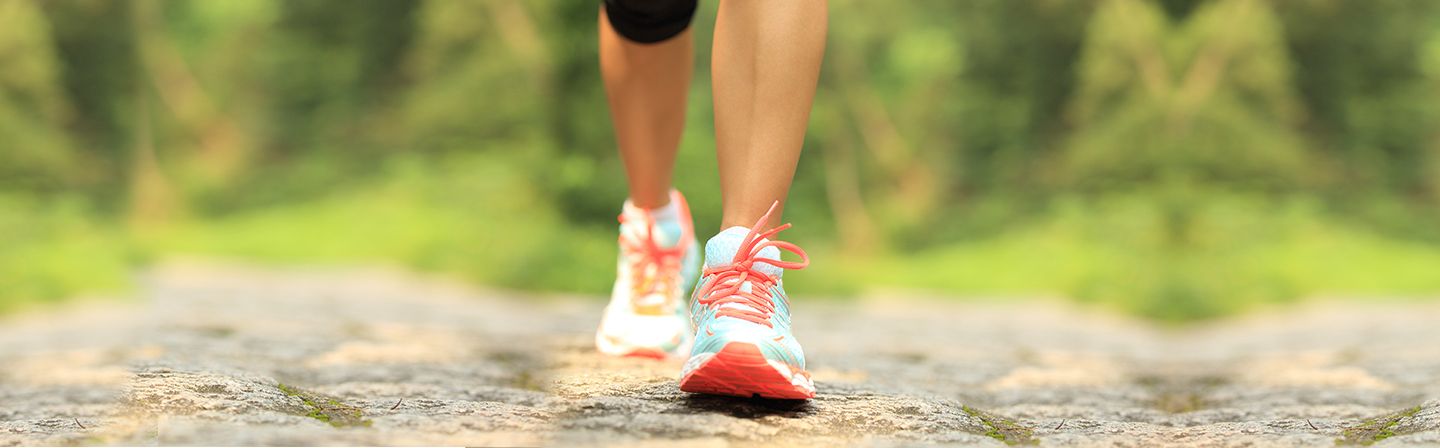
Brisk walking is often overlooked in conversations about fitness, yet it remains one of the most effective and accessible forms of physical activity. As a low-impact, high-reward exercise, it integrates easily into everyday life, whether during a lunch break, on the commute, or while catching up with a friend. It requires no specialised equipment, no expensive membership, and no drastic disruption to your schedule.
At a time when sedentary lifestyles have become increasingly common, the path to better health does not necessarily demand marathon training or extreme workout regimes. More often, it begins with something far simpler: a purposeful, energetic stride sustained with consistency.
This blog explores how a modest adjustment in pace can produce meaningful and lasting results, demonstrating that significant health improvements are not always achieved through intensity but through intention.
What is Brisk Walking, and How Do You Measure it?
Brisk walking is walking at a pace that is noticeably faster than a casual stroll and elevates your heart rate to a moderate-intensity level. It is a purposeful, energetic movement, fast enough to challenge your cardiovascular system but still comfortable and sustainable. Here’s how you can measure it:
- The Talk Test: This is the easiest field test. You should be able to hold a conversation in full sentences, but you shouldn't be able to sing your favourite song. If you can belt out a tune, you’re moving too slowly; if you can’t say more than two words without gasping, you’ve moved into high-intensity territory.
- The Cadence: Research consistently suggests aiming for at least 100 steps per minute. For most adults, this creates the rhythmic heart rate increase necessary for cardiovascular conditioning.
- The Speed: On a treadmill or using a GPS watch, this equates to roughly 3 to 4.5 miles per hour (4.8 to 7.2 km/h).
Why Brisk Walking?
The beauty of brisk walking lies in its unique balance of efficiency and safety. Unlike running, which puts significant stress on your joints, generating forces up to 2.5 times your body weight with every strike, walking is exceptionally kind to your musculoskeletal system. Let’s delve deep into this:
Joint Preservation and Longevity
As we age, the cartilage in our knees and hips naturally thins. High-impact sports can accelerate this wear and tear. Brisk walking provides the "Goldilocks" level of impact: enough to stimulate bone density and keep joints lubricated, but not so much that it causes inflammation or injury. This makes it a sustainable, lifelong habit that you can continue well into your 80s and 90s.
Cardiovascular Strengthening
Your heart is a muscle, and like any muscle, it needs resistance to stay strong. By maintaining a brisk pace, you reduce arterial stiffness and lower your resting heart rate. Over time, this decreases the workload on your heart, significantly lowering the risk of chronic conditions.
What are the Benefits of Brisk Walking?
The list of brisk walking benefits extends far beyond just "getting your steps in." When you commit to a daily 30-minute brisk walk, you are initiating a systemic upgrade of your biological functions. Mentioned below are a few more brisk walking benefits:
Metabolic Health and Weight Management
Brisk walking contributes significantly to metabolic regulation and healthy weight management by encouraging the body to use energy more efficiently and reducing visceral fat, the fat stored around internal organs that is closely linked to cardiovascular disease and metabolic disease. Walking at a purposeful pace improves insulin sensitivity, enabling muscles to absorb glucose more effectively and helping to stabilise blood sugar levels, particularly after meals. Although it burns fewer calories per minute than high-intensity exercise, brisk walking is easier to sustain for longer durations and can support a modest elevation in metabolic rate after activity, making it an effective and sustainable tool for long-term weight control.
Mental Health and Cognitive Function
The psychological and cognitive benefits of brisk walking are both immediate and cumulative. Moderate physical activity stimulates the release of endorphins, which enhance mood, and brain-derived neurotrophic factor (BDNF), which supports neural health and cognitive function. Walking, particularly in natural environments, has been associated with reduced stress levels, improved concentration, and greater mental clarity. Over time, regular brisk walking promotes healthy blood flow to the brain and is linked to a lower risk of age-related cognitive decline, supporting memory retention and overall brain health.
Immune System Support
Regular brisk walking also strengthens immune function by enhancing circulation and promoting the efficient movement of white blood cells throughout the body. This increased circulation allows immune cells to detect and respond to potential pathogens more effectively. Emerging research continues to show that individuals who engage in consistent moderate activity experience fewer and less severe respiratory infections compared to sedentary individuals. By incorporating brisk walking into daily life, individuals support not only cardiovascular and metabolic health but also the body’s natural defence systems.
How to Master This Technique?
To maximise the brisk walking benefits, posture and technique are vital. It isn't just about moving your legs; it's about engaging your entire body.
- The Head and Neck: Keep your gaze about 10 to 20 feet ahead of you. Do not look down at your feet or your phone, as this strains the cervical spine and restricts your breathing. Keep your chin parallel to the ground.
- The Core and Shoulders: Engage your abdominal muscles slightly (imagine pulling your belly button toward your spine). This supports your lower back. Your shoulders should be relaxed and down, not hunched up toward your ears.
- The Arm Swing: Your arms are the "engine" of your walk. Bend them at a 90-degree angle and swing them vigorously from the shoulder, not the elbow. As your arms move faster, your legs will naturally follow to keep up with the rhythm.
- The Foot Strike: Avoid "flat-footed" walking. Instead, use a rolling motion: land on your heel, roll through the arch, and push off powerfully with your toes. This ensures you are using your calf muscles and glutes effectively.
Wrapping Up
In the pursuit of health, the simplest path is often the most effective. Brisk walking is more like a commitment to a better version of yourself. It requires no expensive equipment, no specific "look," and no daunting gym atmosphere. It only requires a comfortable pair of shoes and the willingness to step out the door.
By embracing the numerous brisk walking benefits, you aren't just adding years to your life; you are adding quality to those years. By taking small, consistent steps now, you help prevent future health issues, reduce the risk of chronic conditions, and support long-term well-being.
By taking small, consistent steps now, you help prevent future health issues, reduce the risk of chronic conditions, and support long-term wellbeing. However, in order to add an additional layer of security, invest in a health insurance plan. At Niva Bupa, we offer extensive coverage at affordable premiums, along with benefits like cashless hospitalisation in more than 10,400 network hospitals.
People Also Ask
1. Is brisk walking better than running for weight loss?
While running burns more calories per minute, brisk walking is often more effective for long-term weight loss because it is easier to perform consistently without injury or extreme fatigue, leading to higher total calorie expenditure over a week or month.
2. How many calories do I burn during a brisk walk?
An average person can burn between 200 and 350 calories per hour. This varies based on your body weight, the steepness of the terrain, and how vigorously you swing your arms.
3. What should I wear for brisk walking?
Invest in high-quality walking shoes with good arch support. Wear moisture-wicking layers rather than cotton to stay dry and comfortable, especially if you are walking in varying weather conditions.
4. Can I lose belly fat just by walking?
Yes. Brisk walking is an aerobic exercise that helps reduce visceral fat. Combined with a calorie-controlled diet, it is one of the most effective ways to trim the waistline without putting excessive stress on the body.
5. How do I know if my pace is "brisk" enough?
Use the "Talk Test." If you can talk but feel slightly breathless and couldn't possibly sing a song, you've hit the "brisk" threshold required for cardiovascular benefits.
6. Is it better to walk in the morning or evening?
Both have benefits. Morning walks can boost your mood and metabolism for the day, while evening walks are excellent for digesting dinner and lowering cortisol levels after a stressful workday.
7. How many steps a day should I aim for in 2026?
While 10,000 is the standard goal, research shows that the quality of steps matters more than the quantity. Aim for 7,000 to 8,000 steps, with at least 3,000 of those being at a brisk walking pace.
8. Does walking help with bone density?
Yes, walking is a weight-bearing exercise. Every time your foot hits the ground, it sends a signal to your bones to strengthen, which is vital for preventing osteoporosis in later life.
9. Why is health insurance important even if I walk every day?
While brisk walking prevents many lifestyle diseases, it cannot prevent genetic conditions, accidents, or environmental health risks. Niva Bupa health insurance ensures that your savings aren't wiped out by high hospital bills when the unexpected occurs.
10. How quickly will I feel the benefits of walking?
Mental benefits, like reduced stress and improved mood, are often felt after the very first walk. Physical changes, like improved stamina and weight loss, typically become apparent after 4 to 6 weeks of daily practice.
Get right coverage, right premium and the right protection instantly.
 By clicking, I agree to Niva Bupa
 You may also like



Popular Searches
Health Insurance - Health Insurance | Best Family Health Insurance | Best Health Insurance For Senior Citizens In India | Health Insurance With Opd Cover | Mediclaim Insurance | Critical Illness Insurance | Personal Accident Insurance | Mediclaim Policy | Individual Health Insurance | Maternity Insurance | Best Health Insurance company | NRI Health Insurance
Health Insurance Schemes - PMMVY Login | PMJJBY Policy Status | Swasthya Sathi Card | PMSBY | PMJJBY | Ayushman Card | PMMVY 2.0 | Ayushman Vay Vandana Card | PMMVY NIC IN रजिस्ट्रेशन | PMMVY 2.0 लॉगिन
Travel Insurance Plans - Travel Insurance | International Travel Insurance | Student Travel Insurance | Travel Insurance USA | Travel Insurance Canada | Travel Insurance Thailand | Travel Insurance Germany | Travel Insurance Dubai | Travel Insurance Bali | Travel Insurance Australia | Travel Insurance Schengen | Travel Insurance Singapore | Travel Insurance UK | Travel Insurance Vietnam | Travel Insurance Japan | Travel Insurance Spain | Travel Insurance Asia | Travel Insurance Netherlands | Travel Insurance Turkey | Travel Insurance Ireland | Travel Insurance Phillipines | Travel Insurace Italy | Travel Insurance France | Travel Insurance China | Travel Insurance Georgia | Travel Insurance South Africa | Travel Insurance Maldives | Travel Insurance Portugal | Travel Insurance Malaysia | Travel Insurance Qatar | Travel Insurance Poland | Travel Insurance Greece | Travel Insurance New zealand | Travel Insurance Saudi Arabia | Travel Insurance Sri Lanka
Become an Agent - Insurance Agent | IRDA Certificate Download | IRDA Exam Syllabus | IRDA exam fee | Paise Kaise Kamaye | Ghar Baithe Paise Kaise Kamaye
Top Hospitals - Best Hospitals in Gurgaon
Others - Ayushman Bharat | Gst Refund for NRI on Health Insurance Premium
Health & Wellness - शिलाजीत के फायदे हिंदी | Weight Gain Diet in Hindi | Sat Isabgol Uses In Hindi | Aloe Vera Juice Benefits in Hindi | Dragon Fruit Benefits in Hindi | Akal Daad in Hindi | Acidity Home Remedies in Hindi | Nikat Drishti Dosh in Hindi | Yoga Benefits in Hindi | Laung Khane ke Fayde in Hindi | Leukoplakia in Hindi | Protien in 100g Paneer | Benefits of Rice Water For Skin | B12 Deficiency Symptoms in Hindi | Fibre Foods in Hindi | Chronic Disease Meaning in Hindi | Vitamin D Foods in Hindi | Blood Urea in Hindi | Beetroot Uses Good for Health
Calculator - BMI Calculator | Pregnancy Calculator | Pregnancy Calendar Based on Conception Date | Pregnancy Conception Date Calculator | Last Menstrual Period Calculator | BMR Calculator | GFR Calculator | Ovulation Calculator



www.nivabupa.com

+91 11 30902010

1860-500-8888

CIN: L66000DL2008PLC182918
IRDAI Registration No. 145

Corporate Office: 3rd Floor, Capital Cyberscape, Sector 59, Gurgaon
Registered Office: C-98, First Floor, Lajpat Nagar, Part 1, Delhi-110024, India


