

What Are the Health Benefits of Edamame?
21 April, 2026
9 Shares
141 Reads
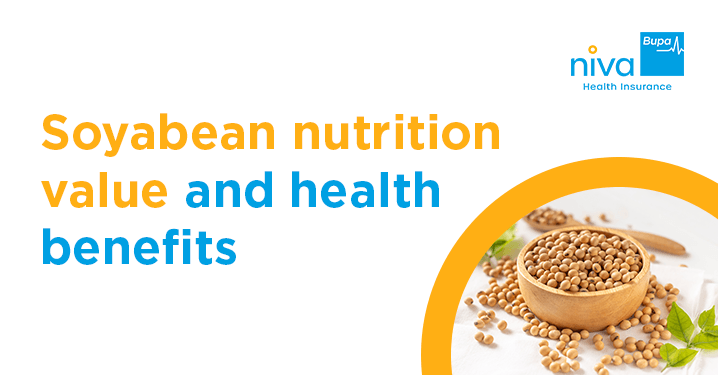
Food choices are shifting towards options that offer both nutrition and convenience. With this shift, many people are now looking for foods that not only fill them up but also support long-term health. Among these, edamame has gained attention as a simple yet powerful plant-based option. The edamame benefits go beyond simple nourishment and extend to heart health, digestion, and overall energy balance. What makes edamame stand out is how efficiently it delivers essential nutrients in one serving, as it supports muscle function, improves gut health, and helps maintain steady energy levels.
These combined effects make it more than just a snack. To understand its full effect, it is important to first look at what edamame contains and how it works inside the body.
Why Edamame Is Considered a Protein Superfood?
Edamame are young soybeans that are harvested before they fully mature. They are naturally rich in fibre, vitamins, minerals, and antioxidants, which makes them a nutrient-dense food. They provide important nutrients such as folate, vitamin K, iron, magnesium, and potassium. These nutrients support different functions in the body, including energy production, bone health, and cellular function. Edamame also contains antioxidants and plant compounds like isoflavones, which help protect cells from damage and support long-term health. Because they are minimally processed and naturally plant-based, edamame offers a simple way to improve the overall quality of your daily diet.
Nutritional Value of Edamame
To better understand its benefits, here is a breakdown of key nutrients in one cup of cooked edamame:
Among these, protein stands out as a key nutrient. Edamame is considered a complete plant-based protein, meaning it provides all essential amino acids required by the body. This makes it especially useful for vegetarians and those looking to increase protein intake without relying on animal-based foods.
Edamame Benefits for Heart Health
Edamame supports heart health through a combination of fibre, healthy fats, and plant compounds. The fibre present in edamame helps reduce cholesterol absorption and supports better lipid levels in the body. At the same time, soy protein has been linked to lower levels of LDL, often referred to as “bad” cholesterol.
Edamame is also naturally low in saturated fat and free from cholesterol, which further supports cardiovascular health. These factors together help maintain healthy blood pressure and reduce the risk of heart-related conditions.
Edamame Benefits for Gut Health
Gut health plays an important role in overall well-being, and edamame supports this through its fibre content. Fibre helps regulate bowel movements and supports the growth of beneficial gut bacteria, which are essential for a healthy digestive system.
In addition to supporting regular digestion, fibre in edamame acts as a prebiotic. This means it helps nourish good bacteria in the gut, which play a role in breaking down food and producing certain nutrients. A well-balanced gut environment can also support better immune function and overall metabolic health.
Edamame is also relatively easy to digest when cooked properly, making it a suitable option for many people looking to improve their digestive habits. Including it as part of a varied diet can help maintain gut balance and support how efficiently the body processes and absorbs nutrients over time.
How Does Edamame Support Energy and Metabolism?
Edamame contributes to steady energy levels because of its balanced nutrient composition. It provides carbohydrates that act as a primary energy source, along with protein that supports muscle function and repair. In addition, it contains essential vitamins and minerals that help regulate metabolic processes, ensuring that the body uses energy efficiently throughout the day.
Because edamame digests at a moderate pace, it helps maintain a more stable release of energy rather than causing sudden spikes or drops. This steady supply can support better focus, physical activity, and overall daily performance. Including such foods in your meals can also help maintain consistent eating patterns, which further supports metabolic balance over time.
How to Add Edamame to Your Daily Diet?
Edamame is easy to include in everyday meals and requires minimal preparation, which makes it suitable for busy routines. It is commonly available frozen and can be quickly cooked by boiling or steaming, making it a convenient addition to both quick snacks and full meals.
You can add edamame to your diet in simple ways:
- Eat it as a lightly salted snack between meals
- Add it to salads for extra texture and nutritional value
- Mix it into rice or grain bowls for a more balanced meal
- Use it in stir-fries or soups to enhance both flavour and nutrition
- Blend it into dips or spreads for a healthy alternative
Its mild taste allows it to pair well with a variety of ingredients, from vegetables to grains and sauces, and because of this versatility, edamame can be included regularly in different meals without requiring major changes to your diet.
Are There Any Limitations of Edamame?
Edamame is generally safe and beneficial for most people, but like any food, it is important to consume it mindfully. While it offers several health advantages, certain factors should be considered based on individual health conditions and dietary needs.
Some key points to keep in mind include:
- Soy allergy: Edamame is a soy-based food, so individuals with soy allergies should avoid it completely to prevent allergic reactions.
- Digestive sensitivity: As edamame is high in fibre, consuming large amounts at once may cause bloating or mild discomfort, especially for those not used to fibre-rich foods.
- Portion control: Eating very large quantities may not provide additional benefits and can sometimes lead to digestive strain.
In addition to these points, it is important to consider how edamame fits into your overall diet. Introducing it gradually can help your body adjust to its fibre content and reduce the chances of discomfort. Pairing it with a variety of other foods also ensures that you receive a balanced intake of nutrients.
Conclusion
The edamame benefits show how a simple plant-based food can support multiple aspects of health at once. From improving heart health and digestion to providing high-quality protein and steady energy, edamame fits easily into a balanced diet.
The real value lies in how consistently such foods are included in daily meals. Small dietary changes, when maintained over time, can significantly improve overall health and well-being. Choosing nutrient-rich options like edamame is not about following trends, but about making practical and sustainable decisions for your body.
At the same time, maintaining good health also means being prepared for unexpected medical needs. For individuals, including NRIs managing healthcare across countries, having reliable support can make a meaningful difference. Options like Niva Bupa NRI Health Insurance can help manage medical expenses and ensure access to quality care, allowing you to focus on your health with greater confidence.
FAQs
1. Is edamame a good source of protein?
Yes, edamame is an excellent plant-based source of protein and is considered a complete protein. This means it provides all the essential amino acids required by the body for muscle repair, growth, and overall function. It is especially beneficial for vegetarians and vegans who may need reliable non-animal protein sources. Including edamame regularly in meals can help support strength, energy, and overall nutritional balance.
2. Can I eat edamame every day?
Edamame can be included in your daily diet as part of a balanced and varied meal plan. It provides fibre, vitamins, and essential minerals that support overall health. However, it is important to combine it with other foods such as grains, vegetables, and different protein sources to ensure a well-rounded intake of nutrients. Moderation and variety are key to maintaining long-term dietary balance.
3. Is edamame good for weight loss?
Edamame can support weight management because it helps you feel full for longer periods. Its combination of protein and fibre slows digestion and reduces frequent hunger, which can help control overall calorie intake. It can be a satisfying snack or meal addition that supports portion control when included in a balanced diet and active lifestyle.
4. Does edamame help digestion?
Yes, edamame contains dietary fibre that supports healthy digestion. Fibre helps regulate bowel movements and promotes the growth of beneficial gut bacteria, which are important for maintaining digestive balance. Regular consumption of fibre-rich foods like edamame can contribute to better gut health and improved nutrient absorption over time.
5. Is edamame good for heart health?
Edamame supports heart health through its combination of fibre, healthy fats, and plant compounds. It may help reduce cholesterol levels and support healthy blood pressure. Its low saturated fat content also makes it a heart-friendly food choice when included as part of a balanced diet.
6. Is edamame suitable for people with diabetes?
Edamame has a relatively low glycaemic impact, which means it releases energy slowly into the bloodstream. This helps maintain stable blood sugar levels and prevents sudden spikes and drops. When included as part of a balanced diet, it can be a suitable option for individuals managing blood sugar levels.
7. How should edamame be cooked?
Edamame is easy to prepare and usually requires only a few minutes of cooking. It can be boiled or steamed until tender and then lightly seasoned. It can be eaten directly from the pod or added to dishes like salads, stir-fries, or grain bowls. Frozen edamame is widely available and convenient for regular use.
8. Can edamame be eaten as a snack?
Yes, edamame makes a healthy and convenient snack option. It can be lightly salted or seasoned and eaten on its own between meals. Its protein and fibre content help keep you full and provide steady energy, making it a better alternative to highly processed snack foods.
9. Is edamame suitable for a plant-based diet?
Edamame fits well into plant-based diets because it provides high-quality protein along with essential nutrients. It can be used in a variety of meals, from snacks to main dishes, helping individuals maintain a balanced and nutritious plant-based eating pattern.
10. Are there any side effects of eating edamame?
Edamame is generally safe for most people, but some individuals may experience mild digestive discomfort if they consume large amounts, especially if they are not used to high-fibre foods. People with soy allergies should avoid it completely. Introducing it gradually and consuming it in moderation can help prevent any discomfort.
Get right coverage, right premium and the right protection instantly.
 By clicking, I agree to Niva Bupa
 You may also like



Popular Searches
Health Insurance - Health Insurance | Best Family Health Insurance | Best Health Insurance For Senior Citizens In India | Health Insurance With Opd Cover | Mediclaim Insurance | Critical Illness Insurance | Personal Accident Insurance | Mediclaim Policy | Individual Health Insurance | Maternity Insurance | Best Health Insurance company | NRI Health Insurance
Health Insurance Schemes - PMMVY Login | PMJJBY Policy Status | Swasthya Sathi Card | PMSBY | PMJJBY | Ayushman Card | PMMVY 2.0 | Ayushman Vay Vandana Card | PMMVY NIC IN रजिस्ट्रेशन | PMMVY 2.0 लॉगिन
Travel Insurance Plans - Travel Insurance | International Travel Insurance | Student Travel Insurance | Travel Insurance USA | Travel Insurance Canada | Travel Insurance Thailand | Travel Insurance Germany | Travel Insurance Dubai | Travel Insurance Bali | Travel Insurance Australia | Travel Insurance Schengen | Travel Insurance Singapore | Travel Insurance UK | Travel Insurance Vietnam | Travel Insurance Japan | Travel Insurance Spain | Travel Insurance Asia | Travel Insurance Netherlands | Travel Insurance Turkey | Travel Insurance Ireland | Travel Insurance Phillipines | Travel Insurace Italy | Travel Insurance France | Travel Insurance China | Travel Insurance Georgia | Travel Insurance South Africa | Travel Insurance Maldives | Travel Insurance Portugal | Travel Insurance Malaysia | Travel Insurance Qatar | Travel Insurance Poland | Travel Insurance Greece | Travel Insurance New zealand | Travel Insurance Saudi Arabia | Travel Insurance Sri Lanka
Become an Agent - Insurance Agent | IRDA Certificate Download | IRDA Exam Syllabus | IRDA exam fee | Paise Kaise Kamaye | Ghar Baithe Paise Kaise Kamaye
Top Hospitals - Best Hospitals in Gurgaon
Others - Ayushman Bharat | Gst Refund for NRI on Health Insurance Premium
Health & Wellness - शिलाजीत के फायदे हिंदी | Weight Gain Diet in Hindi | Sat Isabgol Uses In Hindi | Aloe Vera Juice Benefits in Hindi | Dragon Fruit Benefits in Hindi | Akal Daad in Hindi | Acidity Home Remedies in Hindi | Nikat Drishti Dosh in Hindi | Yoga Benefits in Hindi | Laung Khane ke Fayde in Hindi | Leukoplakia in Hindi | Protien in 100g Paneer | Benefits of Rice Water For Skin | B12 Deficiency Symptoms in Hindi | Fibre Foods in Hindi | Chronic Disease Meaning in Hindi | Vitamin D Foods in Hindi | Blood Urea in Hindi | Beetroot Uses Good for Health
Calculator - BMI Calculator | Pregnancy Calculator | Pregnancy Calendar Based on Conception Date | Pregnancy Conception Date Calculator | Last Menstrual Period Calculator | BMR Calculator | GFR Calculator | Ovulation Calculator



www.nivabupa.com

+91 11 30902010

1860-500-8888

CIN: L66000DL2008PLC182918
IRDAI Registration No. 145

Corporate Office: 3rd Floor, Capital Cyberscape, Sector 59, Gurgaon
Registered Office: C-98, First Floor, Lajpat Nagar, Part 1, Delhi-110024, India


