

How Apple Cider Vinegar Supports Women’s Health Naturally
29 May, 2026
9 Shares
142 Reads
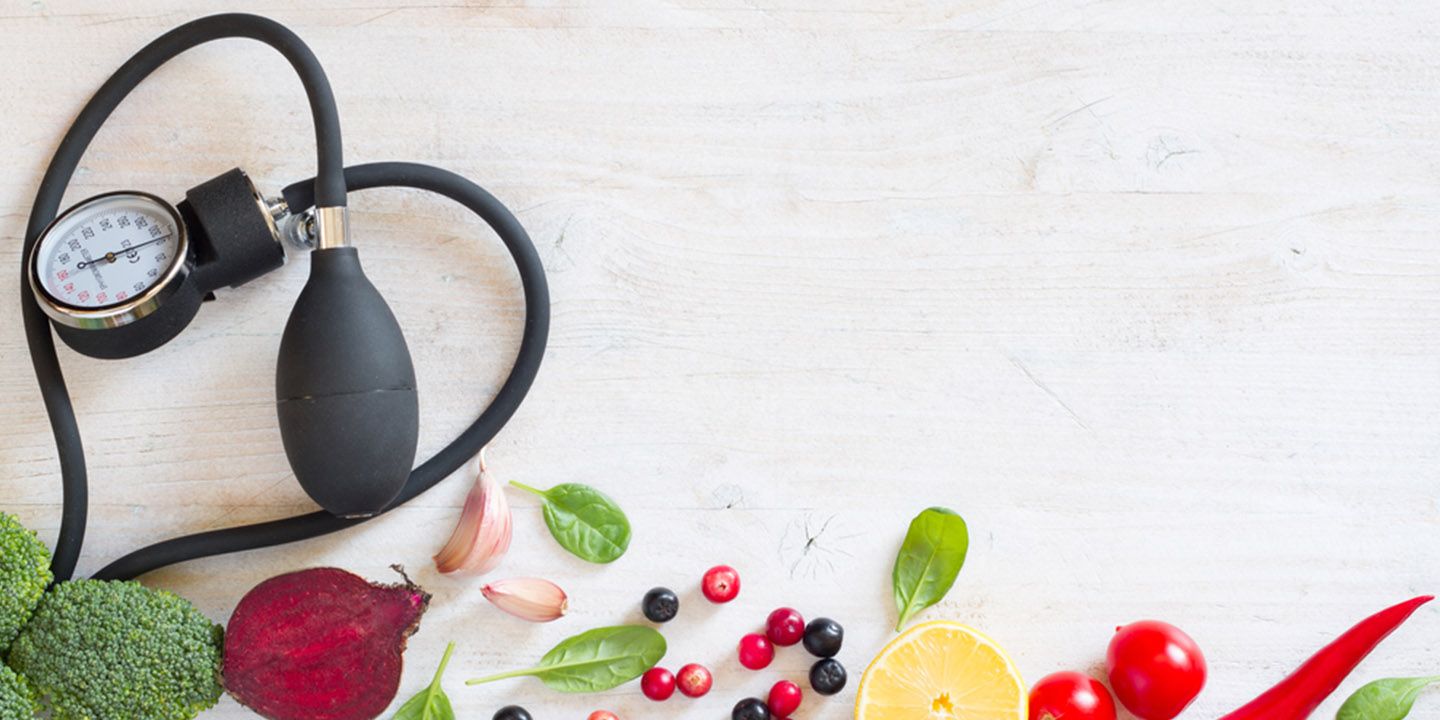
In the contemporary world of hectic schedules and processed convenience food, our bodies can be under internal siege against processed foods, without our knowledge. Although we always pay attention to outer fitness or counting calories, there is another underlying physiological mechanism determining our long-term health: inflammation. Whereas acute inflammation is an essential part of the immune defence, consider chronic inflammatory response around a healing paper cut, and chronic inflammation becomes a much more malicious visitor. It silently persists and causes harm to normal tissues, predisposing most chronic illnesses in the contemporary world.
The bright side is that we have an effective weapon that can help in overcoming this inner pressure, our diet. Transitioning to an anti inflammatory diet is not about following a restrictive trend; it is about choosing a sustainable lifestyle that prioritises nutrient-dense, whole foods designed to soothe the body's systems and promote longevity. Before making dietary changes, many people often wonder what is an anti inflammatory diet and how it can help reduce long-term health risks.
What is an Anti-Inflammatory Diet?
To truly grasp how to eat for wellness, we must first answer a fundamental question: what is an anti inflammatory diet? Fundamentally, this is a preventative and curative method of eating that aims at eating foods that minimise the inflammatory indicators in the blood. This is a pro-health diet that builds on addition and is not restrictive, as is the case with traditional weight loss diets, which are restrictive and recommend the incorporation of the appropriate vitamins, minerals, antioxidants, and healthy fats that inform the body to stay in a state of balance.
An anti inflammatory diet is heavily inspired by the Mediterranean and DASH(Dietary Approaches to Stop Hypertension) eating patterns. It focuses on the benefits of a vegetarian diet, including colourful vegetables, fruits, whole grains, and legumes, and includes healthy fats and lean protein content. The idea behind it is easy to understand: with the help of an overload of phytonutrients and omega-3 fatty acids, we can counteract the free radicals, free, unstable molecules that bring about oxidative stress and damage cells.
Major Dietary Principles of an Anti-Inflammatory Diet
Understanding what is an anti inflammatory diet also involves learning the fundamental principles that guide this eating pattern:
- This diet is both characterised by what individuals consume and what does not go into their diets.
- It does not have pro-inflammatory substances (highly processed sugars, trans fats and overeating of red meat).
- These substances have been known to trigger the release of inflammatory cytokines, which are signalling proteins that are capable of overreacting to the immune system.
- This is achieved by adhering to an anti-inflammatory dietary strategy in the provision of a kind of coolant that assists the body in lowering the internal temperatures of chronic inflammation.
The Biological Processes: The Diet-Induced Effect on Inflammation
The explanation of why one should follow the diet can assist in sustaining it. Our intake of high-refined sugar foods or high saturated fats leads to blood sugar spikes, and the intestinal microbiome may become out of balance. This imbalance is likely to result in leaky gut, when small particles escape into the bloodstream after passing through the digestive tube, and this causes a global immune reaction. This forms the beginning of chronic inflammation.
Conversely, an anti inflammatory diet works through several biological pathways that help the body regulate immune responses and reduce long-term tissue damage. This eating plan boosts the innate defences of the body against inflammation within the body as it supplies the body with the necessary nutrients and balances the key metabolic functions of the body.
Antioxidant Support
Polyphenols and other antioxidants play the role of neutralising oxidative stress in fruits and vegetables. These substances shield the cells against damage caused by the free radicals and limit the inflammatory processes that may cause chronic conditions.
Fatty Acid Balance
Other omega-3 fatty acids abundant in fatty fish, walnuts, and seeds (at least) have anti-inflammatory actions that overpower the pro-inflammatory actions of excess Omega-6 fatty acids found in processed vegetable oils. The healthy balance of these fats is maintained, and this is significant in the regulation of the inflammatory signals of the body.
Glycemic Control
Whole grains that contain a lot of fibre, e.g. oats, quinoa and brown rice, aid in controlling the level of sugar in the blood by slowing down the rate at which glucose enters the blood. Normalised blood sugar level averts insulin jumps, which are reported to trigger inflammatory systems.
Gut Health
Fibre-rich and fermented food items help to maintain a healthy microbiome of the gut. Because the gut is a key controller of the immune system, a balanced microbial environment will enhance immune functions and minimise the potential of losing control over inflammation on the system.
Key Pillars of an Anti-Inflammatory Diet
The lifestyle can only be successfully implemented when an individual is aware of the particular food categories that can be the building blocks of health. It is not a miracle food or a particular superfood; it is actually the combination of several nutrients that act synergistically.
1. Colourful fruits and vegetables
The anti-inflammatory food colour can most easily be observed. The colour of blueberries, which makes them appear as deep purple or spinach that has a rich green colour are actually bioactive substances known as flavonoids and carotenoids. These are the major products of defence aiding the process of ageing in cells, provided by nature. Trying to make a rainbow on your plate guarantees you a variety of antioxidants that would treat various types of inflammation in the body.
2. Healthy Fats and Omega-3s
Fat is a dirty word in most of the traditional diets. However, in an anti inflammatory diet, healthy fats are the stars of the show. The monounsaturated fats, such as extra virgin olive oil and avocados, give the body steady energy that does not arouse an inflammatory reaction. Omega-3 polyunsaturated fats are more important still. These fats are found in fish (salmon, sardines, and mackerel) and in plants (walnuts, chia seeds, etc.) that directly suppress the synthesis of inflammatory-causing substances.
3. Whole Grains vs. Refined Carbohydrates
The kind of carbohydrate that you consume may either be a source of energy or a source of war against inflammation. The white bread and the sugary cereals are refined, and thus they lose their fibre and other nutrients, causing immediate digestion and a rise in blood sugar levels. On the contrary, whole grains such as quinoa, farro, oats and brown rice have the germ and the bran that provide fibre and B vitamins. This low energy generates sustained energy, thereby maintaining insulin levels at normal levels, which is important in preventing systemic inflammation.
The Long-Term Health Benefits of Fighting Inflammation
Adopting an anti inflammatory diet is a long-term investment in your physical and mental well-being. Its advantages go well beyond the weight management system, and almost every system in the human body is affected.
Cardiovascular and Metabolic Health
One of the leading causes of atherosclerosis (a hardening of the arteries) as well as Type 2 diabetes, is chronic inflammation. You can greatly decrease the risk of heart disease by lowering the amount of C-reactive protein (a sign of inflammation) in your diet. The fibre and healthy fats also assist in controlling the cholesterol levels and enhancing the insulin sensitivity, and form a more robust metabolic profile.
Joint Health and Mobility
For individuals suffering from conditions like rheumatoid arthritis or general joint pain, an anti inflammatory diet can be life-changing. Many of them have a decrease in stiffness, pain and better range of motion by lowering the systemic inflammation that assaults joint tissues. It is frequently applied as a complementary method to medical therapy to control flare-ups in nature.
Brain Health and Mental Clarity
A growing literature has found a connection between the gut and the brain, which is sometimes referred to as the gut-brain axis. Body inflammation usually transpires to brain inflammation, which in turn can cause so-called brain fog, depression, and an increased susceptibility to neurodegenerative disorders such as Alzheimer's disease. Antioxidants and healthy fats have also been shown to improve cognitive ability and emotional stability via the protection of the brain nerves that are very delicate.
Conclusion
Embracing an anti inflammatory diet is one of the most proactive steps an individual can take toward a healthier, more vibrant life. By understanding what is an anti inflammatory diet and prioritising whole, nutrient-dense foods, you are essentially providing your body with the biological tools it needs to repair itself and thrive. It is a path of exploration, the path when you come to appreciate the natural taste of food grown on the earth and also gain the benefits as a person of more energy, less pain and no diseases in the long run. Besides, gradual and gradual changes in diet may help to ensure that a transition of an Anti-Inflammatory Diet is more long-term. The simplicity of adjusting to new habits can also make a significant difference in general health mundane choices that apply to added fresh fruits, vegetables, whole grains, and healthy fats in everyday meals can have an accumulative effect. Such conscious eating patterns in the long term can also lead to enhanced immunity, improved digestion and a longer term health base.
Nevertheless, although diet is a fundamental support of health, the only thing that can make one truly peaceful is to be ready to receive something unpredictable. In spite of the most optimal lifestyle choices, there may arise some health crises or unexpected illnesses. In order to make your physical wellness be equal to financial security, it is prudent to invest in a broad based health plan. Niva Bupa Health Insurance has a wide range of customised plans, which exceptionally cover a wide area with no worry of eyeing the financial load.
People Also Ask
1. What is the strongest anti-inflammatory food?
Although there is no so-called magic bullet food, Turmeric is generally regarded as one of the most potent natural anti-inflammatories because of the active ingredient, curcumin. It is advised to be consumed with black pepper (high in piperine) in order to maximise its effect. Some others that pack a punch are those that are rich in Omega-3, such as Fatty Fish (such as salmon) and also those that are rich in anthocyanins, such as Berries.
2. What reduces inflammation quickly?
It typically takes time to see a systemic impact on dietary changes, although faster gains are achieved through:
- Hydration: Water aids in clearing toxins that cause inflammatory reactions.
- An avoidance of Triggers: The termination of refined sugar and trans fats immediately will stop the addition of more fuel to the fire.
- Specific Supplements: Sometimes, medically supervised concentrated fish oil or curcumin supplements may be more beneficial than a food alone.
- Lifestyle Factors: The cortisol levels, which are one of the major factors that cause inflammation, can be reduced by good sleep and eliminating stress (such as deep breathing).
3. What are the 10 foods that reduce inflammation?
A combination of many of them into your weekly food intake will make you have a wide range of protection:
- Berries: Raspberries, strawberries, and blueberries.
- Fatty Fish: Salmon, sardines and mackerel.
- Broccoli and other cruciferous plants, such as cauliflower.
- Avocados: They contain a lot of potassium and heart friendly mono-unsaturated fats.
- Green Tea: It contains a high concentration of EGCG, which is a strong antioxidant.
- Peppers: Bell and chilli peppers contain a lot of Vitamin C and quercetin.
- Mushrooms: In particular, such types as shiitake or portobello.
- Grapes: They have resveratrol, which inhibits inflammatory markers.
- Extra Virgin Olive Oil: Oleic acid, which is found in this kind of oil, tends to act like anti-inflammatory drugs.
- Dark Chocolate: It should be with a minimum of 70% cocoa to be of significant flavanols.
4. Which drink reduces inflammation?
The tea that is the gold standard of anti-inflammatory drinks is Green Tea, owing to its high antioxidant components. Additional viable alternatives are:
- Golden Milk: A warm milk (or plant-based milk) Latte, combined with turmeric, ginger, and black pepper.
- Tart Cherry Juice: It has been known to provide relief from muscle pain and inflammatory indicators.
- Ginger Tea: The bioactive compound (gingerol) in ginger is a potent anti-inflammatory and antioxidant substance.
- Lemon Water: Makes the body alkalized and adds a consistent amount of vitamin C.
Get right coverage, right premium and the right protection instantly.
 By clicking, I agree to Niva Bupa
 You may also like



Health Insurance - Health Insurance | Best Family Health Insurance | Best Health Insurance For Senior Citizens In India | Health Insurance With Opd Cover | Mediclaim Insurance | Critical Illness Insurance | Personal Accident Insurance | Mediclaim Policy | Individual Health Insurance | Maternity Insurance | Best Health Insurance company | NRI Health Insurance
Health Insurance Schemes - PMMVY Login | PMJJBY Policy Status | Swasthya Sathi Card | PMSBY | PMJJBY | Ayushman Card | PMMVY 2.0 | Ayushman Vay Vandana Card | PMMVY NIC IN रजिस्ट्रेशन | PMMVY 2.0 लॉगिन
Travel Insurance Plans - Travel Insurance | International Travel Insurance | Student Travel Insurance | Travel Insurance USA | Travel Insurance Canada | Travel Insurance Thailand | Travel Insurance Germany | Travel Insurance Dubai | Travel Insurance Bali | Travel Insurance Australia | Travel Insurance Schengen | Travel Insurance Singapore | Travel Insurance UK | Travel Insurance Vietnam | Travel Insurance Japan | Travel Insurance Spain | Travel Insurance Asia | Travel Insurance Netherlands | Travel Insurance Turkey | Travel Insurance Ireland | Travel Insurance Philippines | Travel Insurance Italy | Travel Insurance France | Travel Insurance China | Travel Insurance Georgia | Travel Insurance South Africa | Travel Insurance Maldives | Travel Insurance Portugal | Travel Insurance Malaysia | Travel Insurance Qatar | Travel Insurance Poland | Travel Insurance Greece | Travel Insurance New zealand | Travel Insurance Saudi Arabia | Travel Insurance Sri Lanka
Become an Agent - Insurance Agent
Top Hospitals - Best Hospitals in Gurgaon
Others - Ayushman Bharat | Gst Refund for NRI on Health Insurance Premium
Health & Wellness - शिलाजीत के फायदे हिंदी | Weight Gain Diet in Hindi | Sat Isabgol Uses In Hindi | Aloe Vera Juice Benefits in Hindi | Dragon Fruit Benefits in Hindi | Akal Daad in Hindi | Acidity Home Remedies in Hindi | Nikat Drishti Dosh in Hindi | Yoga Benefits in Hindi | Laung Khane ke Fayde in Hindi | Leukoplakia in Hindi | Protein in 100g Paneer | Benefits of Rice Water For Skin | B12 Deficiency Symptoms in Hindi | Fibre Foods in Hindi | Chronic Disease Meaning in Hindi | Vitamin D Foods in Hindi | Blood Urea in Hindi | Beetroot Uses Good for Health
Calculator - BMI Calculator | Pregnancy Calculator | Pregnancy Calendar Based on Conception Date | Pregnancy Conception Date Calculator | Last Menstrual Period Calculator | BMR Calculator | GFR Calculator | Ovulation Calculator



www.nivabupa.com

+91 11 30902010

1860-500-8888

CIN: L66000DL2008PLC182918
IRDAI Registration No. 145

Corporate Office: 3rd Floor, Capital Cyberscape, Sector 59, Gurgaon
Registered Office: C-98, First Floor, Lajpat Nagar, Part 1, Delhi-110024, India


