

What to Know About Hantavirus Spread During Travel and Outdoor Activities
22 June, 2026
9 Shares
82 Reads
Share
It’s easy to think of hantavirus as a recent problem in South America, especially after the recent headlines. Yes, there have been multiple hantavirus cases in South America, but the issue is not limited to the place. It has more to do with the environment: cabins, campsites, caves, among others. There’s no treatment or vaccination as such, so it’s advisable to take your precautions.
What Is Hantavirus?
Hantavirus isn't one virus; it's a family of them, all carried naturally by rodents. Deer mice in the American West, rice rats in Argentina, voles across Europe. The rodents carry the virus without getting sick themselves, which is sort of the problem: there's no obvious sign that a mouse running across your campsite is infected.
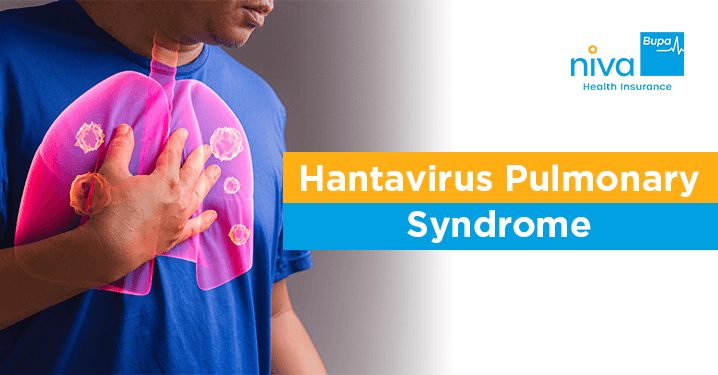
Depending on where you are in the world, hantavirus causes one of two very different diseases. In the USA, it is Hantavirus Pulmonary Syndrome (HPS), also known as Hantavirus Cardiopulmonary Syndrome (HCPS). It attacks the lungs and heart. Hemorrhagic Fever with Renal Syndrome (HFRS) is found in Europe and Asia. This one is a kidney one instead.
The 2026 Hantavirus Outbreak: What Actually Happened?
A lot of people may have heard about the recent happening, and this could be one of the reasons you are here in the first place:
The MV Hondius Cruise Outbreak
The incident took place on a ship. It is often referred to as MV Hondius, sometimes HV Hondius may vary according to the source. The ship was sailing through the South Atlantic, carrying 147 passengers and crew. Soon after, some passengers began showing symptoms such as fever and gastrointestinal issues. After some time, several passengers developed pneumonia, acute respiratory distress, and shock. It appears to be over, with no spread beyond the people who were directly exposed on the ship.
How Does Hantavirus Actually Spread?
Even if we ignore the outbreak headlines for a moment, the virus has been known to us for around 30 years. Many people are confused about how the virus actually spreads. It is crucial to understand this as it helps you take proper precautions:
Breathing in Contaminated Dust
According to the CDC, the virus is mainly found in the infected rodent’s urine, droppings, and saliva. When such materials dry out and get disturbed by sweeping, or let's say, by shaking out an old sleeping bag, these tiny particles become airborne. And if someone breathes in that air, they get exposed to the virus. No mouse contact required. That's the route behind the vast majority of cases, and it's also the easiest one to avoid once you know about it.
Less Common Routes:
Direct contact: touching droppings, urine, or nesting material, then touching your eyes, nose, mouth, or a cut.
Bites: rare, but they can happen when an infected rodent bites someone directly.
Contaminated food: occasionally, food left exposed to rodent urine or droppings.
Person-to-person (Andes virus only): prolonged close contact with someone who already has it can make you infected as well.
Why Is Hantavirus Not Just a South American Story?
The U.S. has its own long history with this virus, and the current outbreak isn't just the first time it's made headlines.
2012: 10 people became ill, 3 died, after staying in tent cabins at Yosemite's Curry Village. It remains the most significant U.S. outbreak tied to a specific site. Most recently, a hantavirus death in Colorado earlier this year (from the Sin Nombre strain, which is not spread from person to person) has been added to the list. And in Arizona, the Cave of the Domes in the Grand Canyon, a popular cave that doesn’t require a permit, was closed due to fears of infection following rodent activity.
You might think about what's common among all the situations. They are mostly found in enclosed or semi-enclosed spaces with rodent activity, tents, cabins, caves, sheds, etc.
Europe and Asia: A Different Virus, A Different Story
HFRS, which affects the kidney, is a lot more common globally than HPS. China and South Korea report thousands of cases a year, and northern and central Europe several more, mostly due to voles carrying the Puumala virus. This has nothing to do with the 2026 outbreak, and the death rate is significantly lower.
Who's Actually at Risk During Travel and Outdoor Activities?
It is important to understand what puts you at risk because “outdoor activities” covers a huge range of things, and the risk isn't the same across all of them.
Staying in rustic cabins and huts: it is advisable not to stay in rustic cabins and huts, especially those that have been closed for a long time now.
Camping near woodpiles, burrows, or garbage areas: rodents are mostly found near such places, and sleeping nearby increases your chances of catching the infection.
Cleaning sheds, garages, or storage buildings: it’s suggested not to use a broom or vacuum to clean your sheds as it increases the risk.
Hiking on maintained trails: It is not so risky when it comes to the Hantavirus. This is because you are mostly walking up a trail, and it’s an open space, so there’s nothing much to worry about.
Symptoms and What to Do If You Get Sick After Travel?
It is really important to be aware of the symptoms and take precautions accordingly:
Early Symptoms
It might seem a little difficult to identify the symptoms at first because it looks like any other disease. The common symptoms are fever, muscle pain, headache, vomiting, among others. People often do not take these seriously; for example, this could happen after a long flight as well.
Warning Signs That Things Are Getting Worse
After a few weeks, symptoms become more obvious. Coughing, shortness of breath, a feeling of fluid building up in the chest. This is the progression toward the pulmonary form, and it's the point where you can no longer delay seeing your doctor.
Symptoms can appear anywhere from one to eight weeks after exposure, with nine to thirty-three days typically for Andes virus.
When to See a Doctor?
If you remember being near rodent activity, a rustic cabin, or a camping trip, and have suddenly developed fever with muscle aches, you should see a doctor. Get medical attention, and it is important to be specific about where you've been and what you were doing. There's usually no hantavirus test on a regular basis; doctors may require exposure history to even consider testing for it.
How to Protect Yourself?
You don’t necessarily need to cancel your trip or staying in a cabin. But at the same time, you need to take some precautions.
Before You Travel
It becomes really important to check if there are any current health notices for your destination around which you have planned your travel. You can check news articles or channels.
If your trip involves some rustic accommodation in a hiking area that might seem rustic, it is important to consider travel insurance that covers medical evacuation.
Cabins, Huts, Refugios and Vacation Rentals
Be sure to open the windows and doors, especially if it has been closed for a while, for at least half an hour before settling in.
Have a good look around before you move your things in. Any evidence of droppings, gnaw marks, or nests should be avoided, or at the very least cleaned thoroughly.
Do not sleep where you have seen rodent activity.
Camping/Hiking
Keep food in sealed containers that are rodent-proof. Not just in zipper bags, but in hard-sided containers if you have active rodents in your area.
Don’t sleep on the ground; a cot, a platform, even just a tent with a solid floor helps.
Pitch camp away from woodpiles, thick brush and visible burrows.
If You Find Droppings or Need to Clean
The rule here is the same one every health agency repeats, because it's the rule that actually matters: don't sweep, and don't vacuum. Both stir contaminated dust into the air, the exact thing you're trying to avoid. Instead:
- Ventilate the space first, if it's enclosed.
- Put on gloves. Every time, no shortcuts.
- Wet down droppings or nesting material with a bleach solution or disinfectant, and let it sit for a few minutes before touching it.
- Wipe it up with paper towels, then disinfect the surface again, and dispose of everything in a sealed bag.
- If you're heading to Argentina or Chile specifically, the CDC recommends wearing an N95 or well-fitting mask if you can't avoid areas with signs of rodents — worth packing one if your trip involves rustic stays.
What is the Treatment and Vaccine Status?
There's no approved antiviral and no licensed vaccine for any hantavirus, anywhere. Treatment is entirely supportive: oxygen, careful fluid management, and in the most severe cases, ECMO (a machine that takes over heart and lung function while the body fights the virus off).
Here's the part that actually matters for you, though: survival depends heavily on how quickly someone gets to a hospital that can provide that kind of care.
Also Read : Which Adventure Travel Spots in India Offer the Best Trekking and Rafting Experiences?
Bottom line
Air out closed spaces, don't sweep dry droppings, keep food sealed, sleep off the ground, and pay attention if flu-like symptoms hit weeks after a trip involving rustic accommodation. None of that should keep you home; it's just the cost of admission for being somewhere rodents also call home.
Frequently Asked Questions
By when do symptoms start showing up?
The Symptoms start showing around one to eight weeks. At times it gets really difficult to identify the cause behind the disease because of such a long window. But if this has been the case for long time, then you should immediately visit the doctor.
Is there any medicine for hantavirus?
No, not really. There’s no vaccine for hantavirus infection. You should take your precautions
What should I do if I find rodent droppings in my cabin?
The first thing you should avoid doing is sweeping or vacuuming it. The best way to go about it would be to ventilate the room. After putting on your gloves, wet the droppings with disinfectant. Allow it to sit for some time, then wipe it and dispose of everything in a sealed bag.
Stay protected against medical emergencies, trip delays, and lost baggage worldwide.
 By clicking, I agree to Niva Bupa
Popular Searches
Health Insurance - Health Insurance | Best Family Health Insurance | Best Health Insurance For Senior Citizens In India | Health Insurance With Opd Cover | Mediclaim Insurance | Critical Illness Insurance | Personal Accident Insurance | Mediclaim Policy | Individual Health Insurance | Maternity Insurance | Best Health Insurance company | NRI Health Insurance
Health Insurance Schemes - PMMVY Login | PMJJBY Policy Status | Swasthya Sathi Card | PMSBY | ABHA Card Download | PMJJBY | Ayushman Card | PMMVY 2.0 | Ayushman Vay Vandana Card | PMMVY NIC IN रजिस्ट्रेशन | PMMVY 2.0 लॉगिन
Travel Insurance Plans - Travel Insurance | International Travel Insurance | Student Travel Insurance | Travel Insurance USA | Travel Insurance Canada | Travel Insurance Thailand | Travel Insurance Germany | Travel Insurance Dubai | Travel Insurance Bali | Travel Insurance Australia | Travel Insurance Schengen | Travel Insurance Singapore | Travel Insurance UK | Travel Insurance Vietnam | Travel Insurance Japan | Travel Insurance Spain | Travel Insurance Asia | Travel Insurance Netherlands | Travel Insurance Turkey | Travel Insurance Ireland | Travel Insurance Phillipines | Travel Insurace Italy | Travel Insurance France | Travel Insurance China | Travel Insurance Georgia | Travel Insurance South Africa | Travel Insurance Maldives | Travel Insurance Portugal | Travel Insurance Malaysia | Travel Insurance Qatar | Travel Insurance Poland | Travel Insurance Greece | Travel Insurance New zealand | Travel Insurance Saudi Arabia | Travel Insurance Sri Lanka
Become an Agent - Insurance Agent | Insurance Advisor | Licensed Insurance Agent | Health Insurance Consultant | POSP Insurance Agent | IRDA Certificate Download | IC 38 Exam | Insurance Agent vs POSP | IRDA Exam Syllabus | IRDAI Agent Locator | IRDA exam fee | Paise Kaise Kamaye | Ghar Baithe Paise Kaise Kamaye
Top Hospitals - Best Hospitals in Chennai | Top Hospitals in Delhi | Best Hospitals in Gurgaon | Best Hospitals in India | Top 10 Hospitals in India | Best Hospitals in Hyderabad | Best Hospitals in Kolkata | Best cancer hospitals in Bangalore | Best cancer hospitals in Hyderabad | Best cancer hospitals in Mumbai | Best cancer hospitals in India | Top 10 cancer hospitals in India
Others - Ayushman Bharat | Gst Refund for NRI on Health Insurance Premium | Health Insurance Tax Deductible
Health & Wellness - शिलाजीत के फायदे हिंदी | Weight Gain Diet in Hindi | Sat Isabgol Uses In Hindi | Aloe Vera Juice Benefits in Hindi | Dragon Fruit Benefits in Hindi | Akal Daad in Hindi | Acidity Home Remedies in Hindi | Nikat Drishti Dosh in Hindi | Yoga Benefits in Hindi | Laung Khane ke Fayde in Hindi | Leukoplakia in Hindi | Protien in 100g Paneer | Benefits of Rice Water For Skin | B12 Deficiency Symptoms in Hindi | Fibre Foods in Hindi | Chronic Disease Meaning in Hindi | Vitamin D Foods in Hindi | Blood Urea in Hindi | Beetroot Uses Good for Health
Calculator - BMI Calculator | Pregnancy Calculator | Pregnancy Calendar Based on Conception Date | Pregnancy Conception Date Calculator | Last Menstrual Period Calculator | BMR Calculator | GFR Calculator | Ovulation Calculator



www.nivabupa.com

+91 11 30902010

1860-500-8888

CIN: L66000DL2008PLC182918
IRDAI Registration No. 145

Corporate Office: 3rd Floor, Capital Cyberscape, Sector 59, Gurgaon
Registered Office: C-98, First Floor, Lajpat Nagar, Part 1, Delhi-110024, India


