

Least Populated Country in the World: Surprising Facts & Population Data
18 February, 2026
8 Shares
1264 Reads
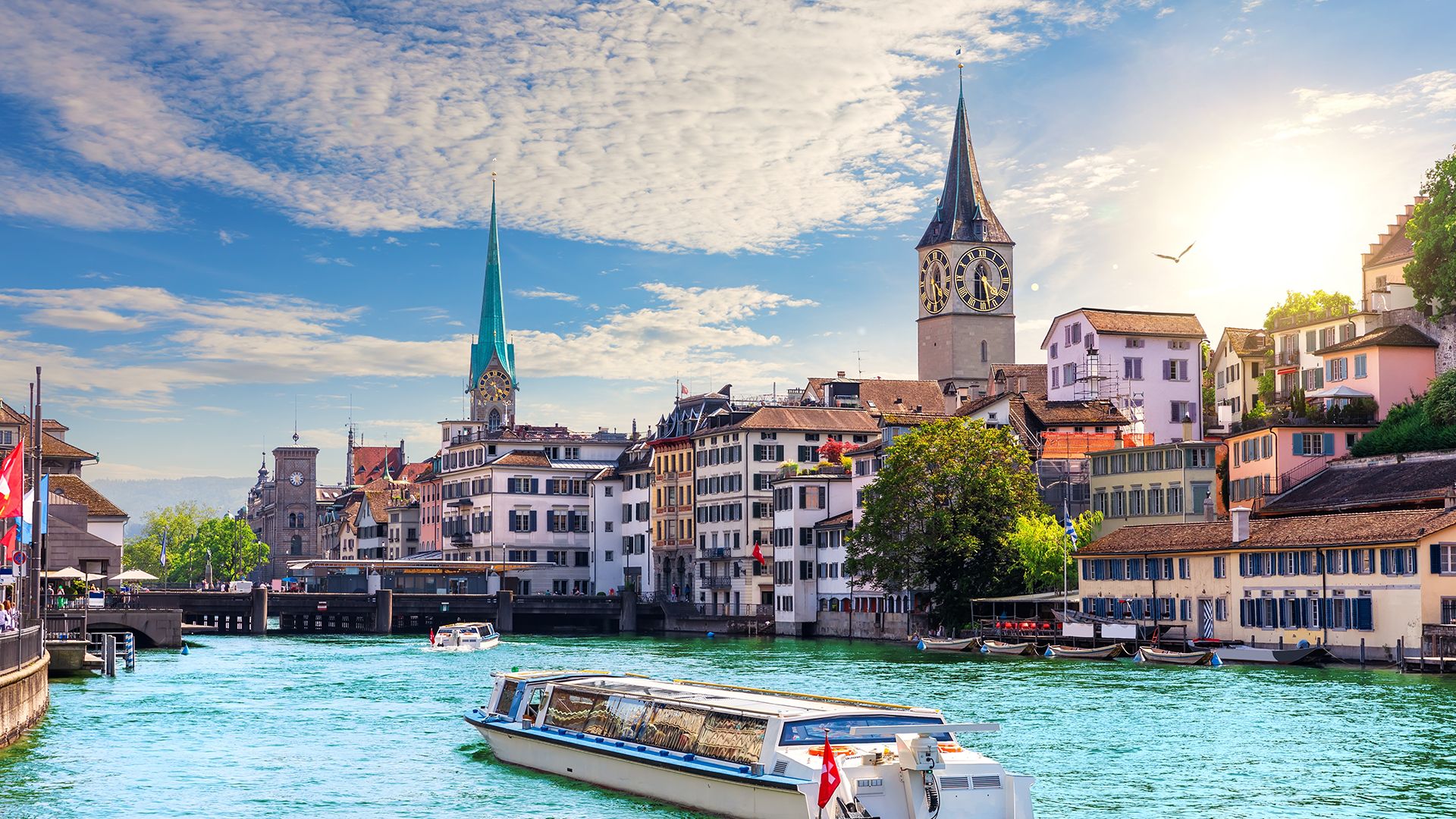
Have travel enthusiasts ever wondered how peaceful a less-populated country might feel? Think of wandering through peaceful lanes with hardly anyone around, and every other place seems to belong only to you. That’s the charm of the world’s least populated nations. Vatican City is exactly what shows us this rare side of the world. Tucked inside Rome, it’s the smallest country on earth, with fewer than a thousand residents.
This guide will help you unfold more insights into how such a tiny nation works, why its population is so unique, and what makes it stand out among all other countries.
What Defines the Least Populated Country in the World?
The least populated country in the world is defined mainly by two things: how many people live there and how spread out they are. A country’s population isn’t always linked to its size. Some small nations are crowded, while others with plenty of land have very few people.
But numbers alone don’t tell the full story. Life in these countries is also shaped by their economy, how easy they are to reach, and the way they are governed. With fewer people, communities often feel more connected, governments can be more personal, and social life takes on a character of its own. That’s what makes the least populated country in the world stand out; it may be small in numbers, but it carries a unique identity on the global stage.
Vatican City: The World’s Smallest Population
Vatican City is the smallest population country. Even though the number of residents is tiny, this small nation holds huge importance. It is a centre of culture, religion, and diplomacy, attracting millions of visitors and influencing people far beyond its borders.
Total Residents
Vatican City is home to fewer than 1,000 residents. Citizenship here is very different from other nations. Most residents are connected to the Church or Vatican administration, and their right to live there usually depends on their role. When someone’s service ends, their citizenship often ends too, which keeps the population small and very specific.
Resident Composition
Clergy: Most of the residents are cardinals, priests, and nuns who serve the Church. They form the heart of the community and carry out religious duties that keep Vatican City functioning as the spiritual centre of Catholicism.
Swiss Guard: About 110 members of the Swiss Guard live here. They are famous for their colourful uniforms and play both ceremonial and protective roles, ensuring the Pope’s safety while also being part of the city’s traditions.
Administrative Staff: A smaller group of lay workers handles the everyday needs of the Vatican. They manage museums, maintain buildings, and provide services that keep the city running smoothly for residents and millions of visitors each year.
Interesting Facts About Vatican City’s Population
Even though Vatican City is one of the least populated countries in the world, the way its community is formed is truly unique.
International Mix: The residents are not all from Italy. People come from different countries, showing how global the Vatican’s reach really is.
Changing Numbers: The population is not fixed. It can go up or down depending on new appointments, retirements, or arrivals. Even one new cardinal can make a noticeable difference.
No Families or Children: Unlike other countries, Vatican City has almost no children or family households. Daily life here is centred on religious duties and administrative work.
Citizenship Through Service: Citizenship is not passed down through family. It is given to those who serve the Church or the Vatican administration, and it usually ends when their role does.
Big Influence, Small Community: Despite having such a small number of residents, Vatican City plays a huge role in the world. Through the Pope, diplomacy, and cultural treasures, its impact is felt across continents and reaches millions of people everywhere.
Why Vatican City Appeals to Travellers
Vatican City attracts travellers not because of its size, but because of its extraordinary cultural, artistic, and spiritual significance. Within the least populated country in the world, visitors can explore centuries of history concentrated into a remarkably small area.
St Peter’s Basilica
St Peter’s Basilica is one of the largest and most beautiful churches in the world. It highlights Renaissance design, with detailed interiors and stunning works of art. Its massive dome stands out on the skyline and gives visitors breathtaking views of the city.
St Peter’s Square
This wide open square, surrounded by elegant colonnades, is where major religious events and papal addresses take place. On quieter days, it feels calm and offers a peaceful space right in the centre of Vatican City.
The Vatican Museums
The museums hold centuries of priceless art and history. Visitors can explore galleries filled with sculptures, paintings, and artefacts. They are among the most popular cultural attractions in the world.
The Sistine Chapel
The Sistine Chapel is famous for its ceiling, painted by Michelangelo, considered one of the greatest masterpieces ever created. It is both a sacred place for worship and the site where new Popes are chosen.
Vatican Gardens
Covering nearly half of Vatican City, the gardens are beautifully landscaped and provide a quiet escape from the busy landmarks. Entry is limited, which helps keep them peaceful and well-preserved.
Other Least Populated Countries Around the World
While Vatican City holds the title of the least populated country globally, several other nations also rank among the least populated countries in the world, each with its own distinctive character and demographic profile.
Tuvalu
Tuvalu is a tiny island nation in the Pacific Ocean. Its people live across nine small islands, and the country faces serious challenges from climate change and rising sea levels. Fishing, farming, and a little tourism support the economy, while daily life remains traditional and closely connected.
Nauru
Nauru is another small island country with only a few thousand residents. It was once heavily dependent on phosphate mining, but today it is working to diversify its economy. The small population creates a close-knit society, though the country struggles with healthcare and sustainability because of its isolation.
Palau
Palau is known for its incredible marine life and strong focus on protecting the environment. Tourism is a major part of its economy, and even though its population is small, Palau has built strong diplomatic ties with other nations.
San Marino
San Marino sits inside Italy and is one of the oldest republics in the world. With a relatively small population, it blends historic traditions with modern European life, maintaining its independence while offering a mix of heritage and infrastructure.
Monaco
Monaco is famous for its wealth, tourism, and cultural events. Although it has a small overall population, it is very densely packed into a tiny area. Its economy thrives on finance and tourism, making it one of the most developed microstates.
Liechtenstein
Liechtenstein lies between Switzerland and Austria. Despite its small size, it has a strong economy built on finance and manufacturing. With high living standards and a small population, it remains one of Europe’s least populated sovereign nations.
Least Populated Countries in the World with the Highest GDP Per Capita
One of the most fascinating paradoxes in global economics is that some of the least populated countries in the world are also the wealthiest per person. Being a less populated country in the world does not mean being economically weak; in fact, several microstates have turned their small size into a significant strategic advantage.
Liechtenstein
Liechtenstein leads the world in GDP per capita, with a figure of approximately $231,713 per person as of 2025, driven by a highly specialised industrial economy focused on electronics, pharmaceuticals, precision instruments, and financial services. The country's unemployment rate sits at just 1.3%, making it one of the most economically stable nations on earth despite having a population of only around 40,000.
Monaco
Monaco follows closely, with a GDP per capita exceeding $240,000, the highest in the world by some measures, generated by a population of fewer than 40,000 residents. The principality's economy is built on banking, luxury tourism, and real estate, and it famously has no personal income tax. Roughly one in three Monaco residents is reportedly a millionaire, making it the most concentrated pocket of wealth anywhere on the planet.
Luxembourg
Luxembourg ranks third globally with a GDP per capita of approximately $128,259, supported by its position as one of Europe's leading financial centres and home to numerous EU institutions. San Marino and Andorra also maintain high living standards through tourism and financial services, while remaining among the smallest population countries in Europe.
What these nations share is a deliberate economic model they have leveraged their small size to create highly specialised, service-oriented economies that generate outsized wealth per resident. For Indian travellers visiting these wealthy European microstates, the cost of travel and healthcare can be significantly higher than in larger destinations. Arranging a comprehensive travel policy insurance before departure is strongly advisable, as even routine medical treatment in countries like Monaco or Liechtenstein can be expensive for foreign visitors. For those visiting multiple European destinations, a trip holiday insurance covering the entire itinerary offers the most practical and cost-effective protection.
It is also worth noting that Monaco, San Marino, and Liechtenstein, while not Schengen members themselves, are surrounded entirely by Schengen countries. Indian travellers passing through these microstates as part of a broader European trip will typically require Schengen visa travel insurance or travel insurance for Schengen visa for the wider itinerary, so it is important to check coverage terms carefully before departure.
Which Country Has the Lowest Population Growth Rate?
Understanding the lowest population in the world requires looking not just at absolute numbers but at the direction of travel and how rapidly populations are shrinking. Several countries that currently have moderate populations are declining so fast that they may eventually join the ranks of the smallest population countries within a few decades.
South Korea: The Most Extreme Case
South Korea has the world's lowest birth rate, with a total fertility rate that dropped to 0.78 in 2022 and is projected to fall to 0.65 by 2025. To maintain a stable population without immigration, a country needs a fertility rate of 2.1. South Korea's total population is expected to drop from 51.75 million in 2024 to approximately 36.22 million, a level not seen since 1977. Social factors, high cost of living, and changing attitudes toward marriage and parenthood are the primary drivers of this extraordinary decline.
Japan: A Declining Giant
Japan is projected to experience a 16.3% population decrease by 2050, losing over 20 million residents. With one of the world's oldest populations and very limited immigration, Japan's shrinking workforce is already putting significant pressure on its pension systems, healthcare infrastructure, and economic output.
Eastern Europe: The Silent Exodus
Eastern Europe experiences the most significant population decline globally, with Bulgaria, Lithuania, and Latvia each facing over 20% reductions by 2050. The primary drivers are mass emigration following EU accession, which opened borders to higher-wage Western European economies, combined with persistently low birth rates and ageing demographics. Ukraine stands apart with the steepest decline at -33%, losing roughly 16 million people between 2000 and 2025, accelerated by the ongoing conflict with Russia.
What This Means for Travellers
Countries with rapidly declining populations often face reduced investment in public infrastructure, healthcare, and tourism facilities over time. For Indian travellers visiting Eastern European destinations, many of which fall within the Schengen Area, arranging insurance for travelling that covers medical emergencies is particularly important, as healthcare systems in some of these nations may be under strain. A well-structured insurance for a trip ensures you have access to financial support and emergency assistance regardless of the local healthcare situation at your destination.
Also Read : Which Is the Largest Continent in the World? Size, Population & Facts (2026)
Conclusion
Vatican City shows that size and population do not define global importance. As the least populated country in the world, it brings together spiritual leadership, remarkable art, and historic architecture within a very small space. With fewer than a thousand residents, it continues to shape the lives of millions through faith, culture, and diplomacy.
If you are planning a visit, preparing in advance makes the experience smoother. Organising your itinerary carefully and arranging suitable travel insurance can give assurance against unexpected medical needs or travel disruptions. With the right planning, you can enjoy the quiet beauty and unique character of this extraordinary microstate.
Frequently Asked Questions
Q1. Which is the lowest population country in the world today?
Vatican City is considered the lowest population country in the world, as no other independent nation has a smaller number of permanent residents.
Q2. Does Vatican City have families and children living there?
Very few families reside in Vatican City. The population mainly consists of adult clergy and officials, so children and traditional households are rare.
Q3. Can visitors freely explore Vatican City?
Yes, many areas, such as St Peter’s Basilica and the Vatican Museums, are open to tourists. However, certain administrative and residential sections remain restricted. Guided tours are often the best way to experience the highlights while learning about the city’s history and traditions.
Q4. How large is Vatican City in terms of area?
Vatican City covers approximately 44 hectares (about 110 acres), making it the smallest independent country in the world by land area as well as population.
Q5. How does Vatican City sustain its economy with such a small population?
Despite its tiny population, Vatican City generates revenue through museum admissions, donations, publications, and philatelic sales. Its financial structure is carefully managed to support administrative, religious, and preservation activities.
Q6. Which countries are counted among the least populated countries after Vatican City?
After Vatican City, countries such as Tuvalu, Nauru, and Palau are often listed among the least populated countries. These nations typically have populations ranging from around 10,000 to 20,000 residents.
Q7. What factors contribute to a country having a very low population?
Several factors can lead to a small population, including limited land area, geographic isolation, restricted natural resources, migration patterns, and specific political or economic structures. In some cases, environmental conditions also play a significant role.
Stay protected against medical emergencies, trip delays, and lost baggage worldwide.
 By clicking, I agree to Niva Bupa
 You may also like



Popular Searches
Health Insurance - Health Insurance | Best Family Health Insurance | Best Health Insurance For Senior Citizens In India | Health Insurance With Opd Cover | Mediclaim Insurance | Critical Illness Insurance | Personal Accident Insurance | Mediclaim Policy | Individual Health Insurance | Maternity Insurance | Best Health Insurance company | NRI Health Insurance
Health Insurance Schemes - PMMVY Login | PMJJBY Policy Status | Swasthya Sathi Card | PMSBY | ABHA Card Download | PMJJBY | Ayushman Card | PMMVY 2.0 | Ayushman Vay Vandana Card | PMMVY NIC IN रजिस्ट्रेशन | PMMVY 2.0 लॉगिन
Travel Insurance Plans - Travel Insurance | International Travel Insurance | Student Travel Insurance | Travel Insurance USA | Travel Insurance Canada | Travel Insurance Thailand | Travel Insurance Germany | Travel Insurance Dubai | Travel Insurance Bali | Travel Insurance Australia | Travel Insurance Schengen | Travel Insurance Singapore | Travel Insurance UK | Travel Insurance Vietnam | Travel Insurance Japan | Travel Insurance Spain | Travel Insurance Asia | Travel Insurance Netherlands | Travel Insurance Turkey | Travel Insurance Ireland | Travel Insurance Phillipines | Travel Insurace Italy | Travel Insurance France | Travel Insurance China | Travel Insurance Georgia | Travel Insurance South Africa | Travel Insurance Maldives | Travel Insurance Portugal | Travel Insurance Malaysia | Travel Insurance Qatar | Travel Insurance Poland | Travel Insurance Greece | Travel Insurance New zealand | Travel Insurance Saudi Arabia | Travel Insurance Sri Lanka
Become an Agent - Insurance Agent | Insurance Advisor | Licensed Insurance Agent | Health Insurance Consultant | POSP Insurance Agent | IRDA Certificate Download | IC 38 Exam | Insurance Agent vs POSP | IRDA Exam Syllabus | IRDAI Agent Locator | IRDA exam fee | Paise Kaise Kamaye | Ghar Baithe Paise Kaise Kamaye
Top Hospitals - Best Hospitals in Chennai | Top Hospitals in Delhi | Best Hospitals in Gurgaon | Best Hospitals in India | Top 10 Hospitals in India | Best Hospitals in Hyderabad | Best Hospitals in Kolkata | Best cancer hospitals in Bangalore | Best cancer hospitals in Hyderabad | Best cancer hospitals in Mumbai | Best cancer hospitals in India | Top 10 cancer hospitals in India
Others - Ayushman Bharat | Gst Refund for NRI on Health Insurance Premium | Health Insurance Tax Deductible
Health & Wellness - शिलाजीत के फायदे हिंदी | Weight Gain Diet in Hindi | Sat Isabgol Uses In Hindi | Aloe Vera Juice Benefits in Hindi | Dragon Fruit Benefits in Hindi | Akal Daad in Hindi | Acidity Home Remedies in Hindi | Nikat Drishti Dosh in Hindi | Yoga Benefits in Hindi | Laung Khane ke Fayde in Hindi | Leukoplakia in Hindi | Protien in 100g Paneer | Benefits of Rice Water For Skin | B12 Deficiency Symptoms in Hindi | Fibre Foods in Hindi | Chronic Disease Meaning in Hindi | Vitamin D Foods in Hindi | Blood Urea in Hindi | Beetroot Uses Good for Health
Calculator - BMI Calculator | Pregnancy Calculator | Pregnancy Calendar Based on Conception Date | Pregnancy Conception Date Calculator | Last Menstrual Period Calculator | BMR Calculator | GFR Calculator | Ovulation Calculator



www.nivabupa.com

+91 11 30902010

1860-500-8888

CIN: L66000DL2008PLC182918
IRDAI Registration No. 145

Corporate Office: 3rd Floor, Capital Cyberscape, Sector 59, Gurgaon
Registered Office: C-98, First Floor, Lajpat Nagar, Part 1, Delhi-110024, India


