

Which Is the Largest Ocean in the World? Size, Depth & Facts
18 February, 2026
7 Shares
352 Reads
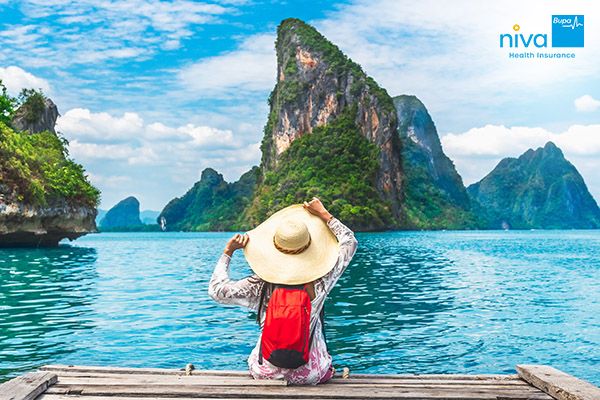
The oceans have always fascinated us with their endless horizons and hidden depths. They cover most of our planet, shaping the weather we experience, providing food and resources, and connecting people across continents. But among all the oceans, one stands above the rest in sheer size and mystery, the Pacific Ocean. It’s the largest body of water on Earth, stretching farther than the eye can imagine and holding secrets that scientists are still uncovering.
In this blog, we’ll explore how vast and deep the Pacific really is, and some surprising facts that make it truly remarkable.
Understanding What Makes an Ocean the Biggest
When we talk about the size of an ocean, it’s not just one single measurement that decides which is the biggest ocean in the world. Scientists look at a mix of factors that together show how vast and influential an ocean really is.
Surface Area
The easiest way to compare oceans is by looking at their surface area, the stretch of water covering the Earth’s surface. The ocean with the widest spread is usually considered the largest, and this size plays a big role in shaping weather and supporting marine life.
Total Volume of Water
Size isn’t only about how wide an ocean is. Volume, or the total amount of water it holds, matters too. An ocean might cover a huge area, but if it’s shallow, its volume will be less. Volume is important because it affects how much heat and carbon dioxide the ocean can absorb, which influences the global climate.
Depth
Depth adds another layer to the picture. A deeper ocean holds more water overall and creates unique zones where different species thrive. Deep trenches, even though they cover small areas, add significantly to an ocean’s total volume.
Geographical Reach
An ocean that spreads across different parts of the globe also counts. Oceans that stretch from the icy poles to the warm tropics affect a wider range of climates and ecosystems, making them more influential in global circulation.
Impact on Climate and Life
Finally, size is about influence, too. The largest ocean helps regulate temperatures, drives powerful currents, shapes rainfall patterns, and supports an incredible variety of marine species.
How Big Is the Pacific Ocean?
The sheer scale of the Pacific Ocean is almost beyond imagination, making it the most dominant body of water on our planet.
Surface Area
The Pacific Ocean covers approximately:
165 million square kilometres
About one-third of the Earth’s total surface area
Nearly half of the world’s oceanic water surface
It stretches from the Arctic Ocean in the north to the Southern Ocean in the south, and from Asia and Australia in the west to North and South America in the east.
Volume of Water
Beyond its vast surface, the Pacific holds more than 700 million cubic kilometres of water. This incredible volume makes it a key player in regulating Earth’s climate. Acting like a giant heat reservoir, it absorbs solar energy and redistributes it around the globe. This process influences rainfall, temperature patterns, and even the occurrence of extreme weather events.
How Deep Is the Pacific Ocean?
The Pacific is not only the widest ocean on Earth, but it is also the deepest.
Average Depth
On average, the Pacific Ocean is about 4,000 metres deep. To put that into perspective, this depth is greater than the height of many of the tallest mountains in the world.
The Mariana Trench
The deepest point known in any ocean lies within the Pacific, the Mariana Trench. Inside it is the Challenger Deep, which plunges nearly 11,000 metres below sea level.
At this extreme depth:
The pressure is more than a thousand times greater than at the surface.
Temperatures hover close to freezing.
Sunlight never reaches these waters.
Yet even in such harsh conditions, life manages to survive. Strange and resilient organisms thrive in these dark regions, showing just how adaptable marine life can be.
Why Is the Pacific So Large?
The Pacific Ocean owes its enormous size to the slow movement of tectonic plates over millions of years. As continents shifted and the Earth’s crust changed, the Pacific basin grew wider and deeper, eventually becoming the vast ocean we see today.
Surrounding the Pacific is the Ring of Fire, a zone known for frequent volcanic eruptions and earthquakes. This activity has shaped the ocean floor, creating trenches, ridges, and long chains of islands.
Even today, the constant movement of tectonic plates continues to influence the Pacific. Earthquakes and volcanic eruptions along its edges remind us that the ocean is still evolving, shaped by powerful forces beneath the Earth’s surface.
The Pacific’s Role in Climate and Weather
The Pacific Ocean, which is the largest ocean in the world, has a huge influence on Earth’s climate system.
Heat Distribution
Because of its vast size, the Pacific absorbs enormous amounts of heat from the sun. Ocean currents then move this heat around the globe, helping to balance temperatures. Without this process, many regions would face far more extreme weather conditions.
El Niño and La Niña
Two major climate patterns begin in the Pacific:
El Niño brings warmer surface waters in the central and eastern Pacific.
La Niña is marked by cooler‑than‑average surface waters.
Both have far‑reaching effects, shaping rainfall, droughts, storms, and even agriculture across Asia, Australia, Africa, and the Americas.
Lesser‑Known but Fascinating Facts About the Pacific Ocean
The Pacific Ocean continues to surprise scientists with its scale, complexity, and influence. Beyond its size, there are many remarkable features that make it stand out.
It Holds Ancient Oceanic Crust
Parts of the Pacific seabed are nearly 200 million years old. While ocean floors are constantly reshaped by tectonic activity, some regions of the Pacific preserve pieces of Earth’s earliest geological history.
It Acts as a Carbon Sink
The Pacific absorbs huge amounts of carbon dioxide from the atmosphere. Through natural processes like phytoplankton activity, it helps slow down global warming. However, this also contributes to ocean acidification, which affects marine ecosystems.
It Shapes Global Trade
Many of the busiest shipping routes in the world cross the Pacific. Its waters connect Asia, the Americas, and Oceania, making it vital for international trade and energy transport.
It Has Oxygen‑Poor Zones
Certain areas of the Pacific have very low oxygen levels, known as “dead zones.” These regions affect where marine species can live and are closely studied, especially as climate change may cause them to expand.
It Hides Underwater Mountain Ranges
Beneath the surface lies a vast network of seamounts, or underwater mountains. Most remain unexplored, yet they play an important role in ocean currents, nutrient cycling, and provide habitats for unique marine life.
It Drives Powerful Currents
Currents such as the North Pacific Gyre and the Kuroshio Current redistribute heat and nutrients, shaping weather patterns and supporting marine productivity across large regions.
It Influences the Atmosphere
Changes in Pacific sea surface temperatures can shift jet streams and wind belts, altering seasonal weather far beyond the ocean itself.
How Does the Pacific Compare to Other Oceans?
To truly understand which is the largest ocean in the world, it helps to see how the Pacific measures up against the others.
Atlantic Ocean
The Atlantic is the second largest, covering about 106 million square kilometres. It plays a major role in connecting Europe, Africa, and the Americas through busy trade routes.
Indian Ocean
The Indian Ocean comes next, spanning around 70 million square kilometres. It is especially important for monsoon systems and supports rich biodiversity along its tropical coasts.
Southern Ocean
Surrounding Antarctica, the Southern Ocean is smaller but vital. It drives global circulation by linking the world’s major ocean systems and helps regulate Earth’s climate.
Arctic Ocean
The Arctic is the smallest and shallowest of all. Much of it is covered by sea ice, yet it remains crucial for polar ecosystems and global climate balance.
Also Read : Which Is the Highest Mountain Peak in the World? Everest vs Mauna Kea 2026
Conclusion
The Pacific Ocean stands unmatched in its size, depth, and global importance. It helps regulate the planet’s climate, supports diverse marine ecosystems, and connects nations through trade and travel. Its influence reaches far beyond its shores, reminding us how closely linked our world really is.
For anyone planning to explore Pacific coastlines, island nations, or long journeys across its waters, preparation is key. Cruises and international trips can bring unexpected challenges, from sudden weather changes to travel delays. Having reliable travel insurance offers protection against medical emergencies, cancellations, or disruptions. With thoughtful planning, travellers can enjoy the vast beauty of the Pacific with greater confidence and security.
Frequently Asked Questions
Q1. Which is the largest ocean in the world by surface area?
The Pacific Ocean is the largest ocean in the world, covering roughly 165 million square kilometres. It spans from the Arctic in the north to the Southern Ocean in the south and occupies nearly one-third of the Earth’s total surface, making it significantly larger than the Atlantic and Indian Oceans.
Q2. Which is the biggest ocean in the world, and how does it compare to others?
The Pacific Ocean is the biggest ocean in the world in terms of both surface area and water volume. It is larger than the Atlantic Ocean by a substantial margin and holds more water than all the Earth’s landmasses combined in surface coverage.
Q3. How deep is the Pacific Ocean compared to other oceans?
The Pacific Ocean is the deepest of all the world’s oceans. Its average depth is about 4,000 metres, and it contains the Mariana Trench, which reaches nearly 11,000 metres below sea level, the deepest known point on Earth.
Q4. Why is the Pacific Ocean so important for the global climate?
The Pacific plays a vital role in regulating global temperatures by absorbing and redistributing solar heat. It also drives major climate patterns that influence rainfall, storms, and seasonal weather changes across continents.
Q5. What are some key geographical features of the Pacific Ocean?
The Pacific Ocean features deep trenches, underwater mountain ranges, extensive coral reef systems, and vast current systems. It is also bordered by active tectonic zones that shape its dynamic geological structure.
Stay protected against medical emergencies, trip delays, and lost baggage worldwide.
 By clicking, I agree to Niva Bupa
 You may also like



Popular Searches
Health Insurance - Health Insurance | Best Family Health Insurance | Best Health Insurance For Senior Citizens In India | Health Insurance With Opd Cover | Mediclaim Insurance | Critical Illness Insurance | Personal Accident Insurance | Mediclaim Policy | Individual Health Insurance | Maternity Insurance | Best Health Insurance company | NRI Health Insurance
Health Insurance Schemes - PMMVY Login | PMJJBY Policy Status | Swasthya Sathi Card | PMSBY | ABHA Card Download | PMJJBY | Ayushman Card | PMMVY 2.0 | Ayushman Vay Vandana Card | PMMVY NIC IN रजिस्ट्रेशन | PMMVY 2.0 लॉगिन
Travel Insurance Plans - Travel Insurance | International Travel Insurance | Student Travel Insurance | Travel Insurance USA | Travel Insurance Canada | Travel Insurance Thailand | Travel Insurance Germany | Travel Insurance Dubai | Travel Insurance Bali | Travel Insurance Australia | Travel Insurance Schengen | Travel Insurance Singapore | Travel Insurance UK | Travel Insurance Vietnam | Travel Insurance Japan | Travel Insurance Spain | Travel Insurance Asia | Travel Insurance Netherlands | Travel Insurance Turkey | Travel Insurance Ireland | Travel Insurance Phillipines | Travel Insurace Italy | Travel Insurance France | Travel Insurance China | Travel Insurance Georgia | Travel Insurance South Africa | Travel Insurance Maldives | Travel Insurance Portugal | Travel Insurance Malaysia | Travel Insurance Qatar | Travel Insurance Poland | Travel Insurance Greece | Travel Insurance New zealand | Travel Insurance Saudi Arabia | Travel Insurance Sri Lanka
Become an Agent - Insurance Agent | Insurance Advisor | Licensed Insurance Agent | Health Insurance Consultant | POSP Insurance Agent | IRDA Certificate Download | IC 38 Exam | Insurance Agent vs POSP | IRDA Exam Syllabus | IRDAI Agent Locator | IRDA exam fee | Paise Kaise Kamaye | Ghar Baithe Paise Kaise Kamaye
Top Hospitals - Best Hospitals in Chennai | Top Hospitals in Delhi | Best Hospitals in Gurgaon | Best Hospitals in India | Top 10 Hospitals in India | Best Hospitals in Hyderabad | Best Hospitals in Kolkata | Best cancer hospitals in Bangalore | Best cancer hospitals in Hyderabad | Best cancer hospitals in Mumbai | Best cancer hospitals in India | Top 10 cancer hospitals in India
Others - Ayushman Bharat | Gst Refund for NRI on Health Insurance Premium | Health Insurance Tax Deductible
Health & Wellness - शिलाजीत के फायदे हिंदी | Weight Gain Diet in Hindi | Sat Isabgol Uses In Hindi | Aloe Vera Juice Benefits in Hindi | Dragon Fruit Benefits in Hindi | Akal Daad in Hindi | Acidity Home Remedies in Hindi | Nikat Drishti Dosh in Hindi | Yoga Benefits in Hindi | Laung Khane ke Fayde in Hindi | Leukoplakia in Hindi | Protien in 100g Paneer | Benefits of Rice Water For Skin | B12 Deficiency Symptoms in Hindi | Fibre Foods in Hindi | Chronic Disease Meaning in Hindi | Vitamin D Foods in Hindi | Blood Urea in Hindi | Beetroot Uses Good for Health
Calculator - BMI Calculator | Pregnancy Calculator | Pregnancy Calendar Based on Conception Date | Pregnancy Conception Date Calculator | Last Menstrual Period Calculator | BMR Calculator | GFR Calculator | Ovulation Calculator



www.nivabupa.com

+91 11 30902010

1860-500-8888

CIN: L66000DL2008PLC182918
IRDAI Registration No. 145

Corporate Office: 3rd Floor, Capital Cyberscape, Sector 59, Gurgaon
Registered Office: C-98, First Floor, Lajpat Nagar, Part 1, Delhi-110024, India


