

Albumin Blood Test: What It Is, Procedure & Normal Range
26 June, 2026
9 Shares
89 Reads
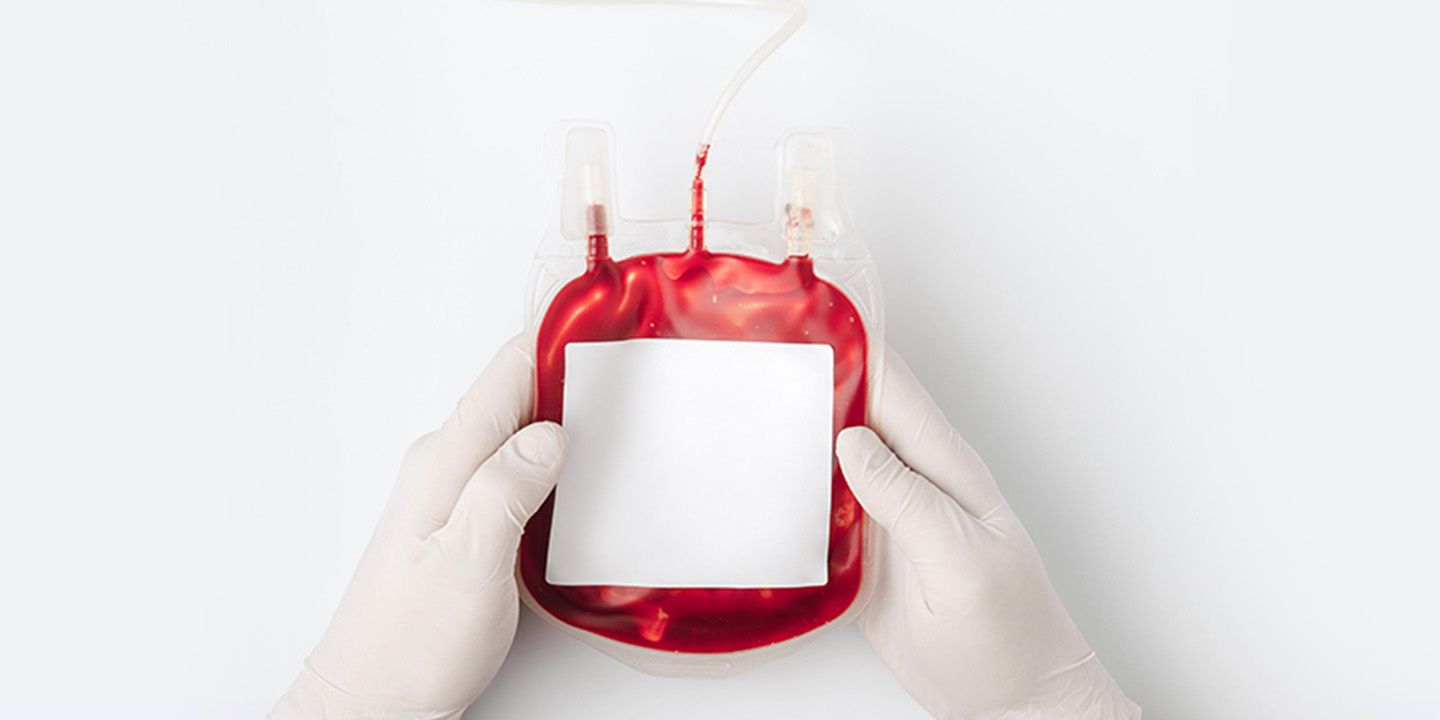
If your doctor has asked you to get an albumin blood test done, you might be wondering what it actually measures and why it matters. It is one of those tests that does not get talked about as much as blood sugar or cholesterol, but it gives your doctor a lot of useful information about how your liver and kidneys are functioning. Let us break it down in simple terms, so you know exactly what to expect.
What Is Albumin?
Albumin is a protein that is produced by your liver. It is, in fact, the most abundant protein found in your blood plasma. Think of it as a workhorse protein since it performs several important jobs inside your body every single day.
Here is what albumin does:
- It carries important substances through your bloodstream, including hormones, vitamins, calcium, and certain medications.
- It helps maintain the right balance of fluid in your body, preventing it from leaking out of your blood vessels into surrounding tissues.
- It plays a role in repairing and rebuilding tissues.
- It transports fatty acids to the liver for processing.
What Is An Albumin Blood Test?
An albumin blood test, also called a serum albumin test, measures the amount of albumin circulating in your blood. It is usually ordered as part of a broader panel called the Liver Function Test (LFT) or a Comprehensive Metabolic Panel (CMP), though it can also be ordered on its own depending on what your doctor is looking for.
When Does A Doctor Recommend This Test?
Your doctor might ask you to get this test done if you show symptoms or conditions such as:
- Unexplained weight loss or poor appetite over a period of time
- Swelling in the legs, feet, or abdomen (a condition called oedema)
- Yellowing of the skin or eyes (jaundice)
- Fatigue that has no clear cause
- A history of liver conditions such as hepatitis or cirrhosis
- Known or suspected kidney disease
- Monitoring of a chronic illness or nutritional status in hospitalised patients
- Checking how well your liver is recovering after treatment
It is also used as a routine check during annual health screenings or when you are being evaluated before a surgery.
What Happens During The Test?
Getting an albumin blood test is quite straightforward. It is a simple blood draw and does not require anything complicated.
Here is what typically happens:
- A phlebotomist or nurse will clean a small area on your inner elbow or the back of your hand with an antiseptic wipe.
- A small needle is inserted into a vein, and a few millilitres of blood are collected into a sample tube.
- The needle is removed, and a small cotton ball or bandage is placed on the site.
- The entire process usually takes less than five minutes.
How to Prepare for the Test?
In most cases, there are no preparations specifically for an albumin test. However, if it is being done as part of a broader panel like a CMP or LFT, your doctor might ask you to fast for 8 to 12 hours beforehand. It is always best to follow whatever your doctor or the diagnostic centre advises you before the test.
What Do The Results Mean?
Once your blood sample reaches the lab, the albumin levels are measured in grams per decilitre (g/dL). Understanding what falls within the normal albumin range helps you make sense of your results before you even speak with your doctor.
Albumin Levels Normal Reference Range
For most adults, the normal albumin level range is:
- Normal: 3.5 to 5.0 g/dL
- Mild deficiency: 3.0 to 3.4 g/dL
- Moderate deficiency: 2.4 to 2.9 g/dL
- Severe deficiency (hypoalbuminaemia): Below 2.4 g/dL
It is worth noting that reference ranges can vary slightly between laboratories depending on the equipment and methods they use. Your report will usually mention the lab’s specific reference range, and your doctor will interpret results in the context of your overall health and symptoms.
What Does A Low Albumin Level Mean?
- Liver disease: Since the liver produces albumin, conditions like cirrhosis, hepatitis, or liver failure can reduce its production significantly.
- Kidney disease (nephrotic syndrome): Damaged kidneys may allow albumin to spill into the urine, reducing its levels in the blood.
- Malnutrition or malabsorption: If your body is not getting enough protein from food or is unable to absorb it properly, albumin production can fall.
- Inflammatory conditions: Chronic inflammation from conditions like rheumatoid arthritis, Crohn’s disease, or sepsis can suppress albumin synthesis.
- Thyroid disorders: An underactive thyroid can sometimes affect albumin levels.
- Burns or major trauma: Serious physical injury can cause albumin to shift out of the bloodstream rapidly.
Symptoms of low albumin can include fluid retention (swelling), weakness, fatigue, and in severe cases, difficulty breathing.
What Does A High Albumin Level Mean?
High albumin, though less common, is usually a sign of dehydration. When the body loses more water than it takes in, the concentration of proteins in the blood increases. This is not typically a sign of a disease but rather a prompt to drink more fluids. Your doctor will assess this in light of your other results and symptoms.
Factors That Can Affect Albumin Results
Before jumping to conclusions about your results, it is helpful to know that certain things can influence your albumin levels beyond disease:
- Age: Albumin levels tend to decline naturally with age, especially in older adults above 65.
- Pregnancy: Albumin levels drop during pregnancy, particularly in the second and third trimesters, which is considered normal.
- Medications: Certain drugs, including anabolic steroids and insulin, can raise albumin levels, while others, like oestrogen or birth control pills, may lower them.
- Prolonged bed rest: Being inactive for long periods can reduce albumin levels.
- Recent surgery or hospitalisation: These can temporarily affect levels due to stress on the body.
Always inform your doctor about any medications, supplements, or lifestyle factors before getting tested.
What Happens After An Abnormal Result?
If your albumin levels come back outside the normal albumin range, your doctor will not usually make a diagnosis based on this test alone. Additional investigations will typically follow, such as:
- A urine albumin test to check if albumin is being lost through the kidneys
- Liver function tests, including bilirubin, ALT, AST, and ALP
- A complete blood count (CBC)
- Imaging tests, such as an ultrasound of the liver or kidneys
- Nutritional assessments if malnutrition is suspected
The aim is to find the underlying cause so that the right treatment can be started promptly.
Wrapping Up
The albumin blood test may seem simple, but it provides valuable insight into how your body is working. It can help identify issues related to the liver, kidneys, or even nutrition at an early stage. Detecting problems early makes it easier to manage them and avoid complications. Keeping your albumin levels in the normal range is a good sign of overall health, and regular check-ups can help you stay on track.
Taking care of your health also means being prepared for unexpected medical needs. Choosing a reliable health insurance plan like Niva Bupa Health Insurance can give you the support and coverage you need during such times. It helps ensure that you can focus on getting the right care without worrying about expenses.
FAQs
1. What is a normal albumin level in the blood?
A normal albumin level for most adults typically ranges between 3.5 and 5.0 g/dL. However, this range can vary slightly depending on the laboratory and testing method used. It is always best to compare your result with the reference range mentioned in your report and consult your doctor for proper interpretation.
2. Do I need to fast before an albumin blood test?
In most cases, fasting is not required if the albumin test is done alone. However, if it is part of a broader test like a Liver Function Test (LFT) or Comprehensive Metabolic Panel (CMP), your doctor may ask you to fast for 8 to 12 hours. Always follow the instructions given by your healthcare provider.
3. What are the common symptoms of low albumin levels?
Low albumin levels may not always cause noticeable symptoms in the early stages. However, as levels drop, you may experience swelling in the legs or face (oedema), fatigue, weakness, and sometimes shortness of breath. These symptoms usually indicate an underlying condition that needs medical attention.
4. Can dehydration affect albumin levels?
Yes, dehydration can lead to higher albumin levels. When your body loses fluids, the concentration of albumin in the blood increases, even though the actual amount of protein has not changed. Drinking enough fluids usually helps bring levels back to normal.
5. What causes low albumin levels in the body?
Low albumin levels can be caused by several factors, including liver disease, kidney problems, malnutrition, chronic inflammation, or conditions that affect protein absorption. Identifying the exact cause usually requires further tests and medical evaluation.
6. Is a high albumin level dangerous?
High albumin levels are less common and are usually not a sign of a serious disease. In most cases, they are linked to dehydration rather than an underlying health issue. However, your doctor will still assess your overall health and other test results before concluding.
7. How can I improve my albumin levels naturally?
Maintaining a balanced diet rich in protein (such as eggs, dairy, pulses, and lean meats) can help support healthy albumin levels. Staying hydrated, managing chronic conditions, and following your doctor’s advice are also important. If low levels are due to a medical condition, treating the root cause is essential.
8. What happens if my albumin levels are abnormal?
If your albumin levels are outside the normal range, your doctor will usually recommend additional tests rather than making a diagnosis immediately. These may include urine tests, liver function tests, or imaging scans to identify the underlying issue and guide proper treatment.
Get right coverage, right premium and the right protection instantly.
 By clicking, I agree to Niva Bupa
 You may also like



Popular Searches
Health Insurance - Health Insurance | Best Family Health Insurance | Best Health Insurance For Senior Citizens In India | Health Insurance With Opd Cover | Mediclaim Insurance | Critical Illness Insurance | Personal Accident Insurance | Mediclaim Policy | Individual Health Insurance | Maternity Insurance | Best Health Insurance company | NRI Health Insurance
Health Insurance Schemes - PMMVY Login | PMJJBY Policy Status | Swasthya Sathi Card | PMSBY | PMJJBY | Ayushman Card | PMMVY 2.0 | Ayushman Vay Vandana Card | PMMVY NIC IN रजिस्ट्रेशन | PMMVY 2.0 लॉगिन
Travel Insurance Plans - Travel Insurance | International Travel Insurance | Student Travel Insurance | Travel Insurance USA | Travel Insurance Canada | Travel Insurance Thailand | Travel Insurance Germany | Travel Insurance Dubai | Travel Insurance Bali | Travel Insurance Australia | Travel Insurance Schengen | Travel Insurance Singapore | Travel Insurance UK | Travel Insurance Vietnam | Travel Insurance Japan | Travel Insurance Spain | Travel Insurance Asia | Travel Insurance Netherlands | Travel Insurance Turkey | Travel Insurance Ireland | Travel Insurance Phillipines | Travel Insurace Italy | Travel Insurance France | Travel Insurance China | Travel Insurance Georgia | Travel Insurance South Africa | Travel Insurance Maldives | Travel Insurance Portugal | Travel Insurance Malaysia | Travel Insurance Qatar | Travel Insurance Poland | Travel Insurance Greece | Travel Insurance New zealand | Travel Insurance Saudi Arabia | Travel Insurance Sri Lanka
Become an Agent - Insurance Agent | IRDA Certificate Download | IRDA Exam Syllabus | IRDA exam fee | Paise Kaise Kamaye | Ghar Baithe Paise Kaise Kamaye
Top Hospitals - Best Hospitals in Gurgaon
Others - Ayushman Bharat | Gst Refund for NRI on Health Insurance Premium
Health & Wellness - शिलाजीत के फायदे हिंदी | Weight Gain Diet in Hindi | Sat Isabgol Uses In Hindi | Aloe Vera Juice Benefits in Hindi | Dragon Fruit Benefits in Hindi | Akal Daad in Hindi | Acidity Home Remedies in Hindi | Nikat Drishti Dosh in Hindi | Yoga Benefits in Hindi | Laung Khane ke Fayde in Hindi | Leukoplakia in Hindi | Protien in 100g Paneer | Benefits of Rice Water For Skin | B12 Deficiency Symptoms in Hindi | Fibre Foods in Hindi | Chronic Disease Meaning in Hindi | Vitamin D Foods in Hindi | Blood Urea in Hindi | Beetroot Uses Good for Health
Calculator - BMI Calculator | Pregnancy Calculator | Pregnancy Calendar Based on Conception Date | Pregnancy Conception Date Calculator | Last Menstrual Period Calculator | BMR Calculator | GFR Calculator | Ovulation Calculator



www.nivabupa.com

+91 11 30902010

1860-500-8888

CIN: L66000DL2008PLC182918
IRDAI Registration No. 145

Corporate Office: 3rd Floor, Capital Cyberscape, Sector 59, Gurgaon
Registered Office: C-98, First Floor, Lajpat Nagar, Part 1, Delhi-110024, India


