

Understanding Pustular Psoriasis
4 May, 2026
9 Shares
110 Reads
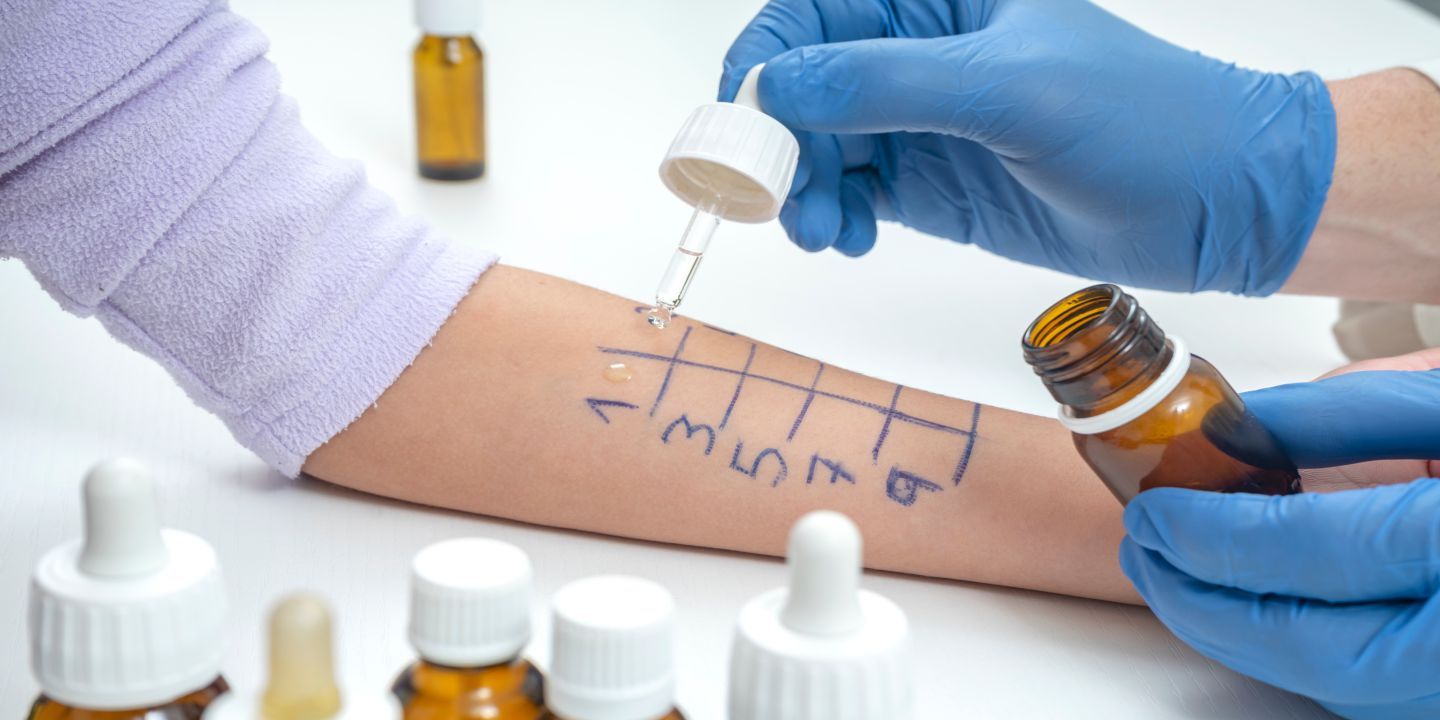
Skin conditions may be deeply disturbing, particularly when they come on unexpectedly and are so severe. Pustular psoriasis is one such ailment that is likely to make people scratch their heads. It is not the most common type of psoriasis, but it is certainly one of the more severe ones. When you or someone you know has been suffering from painful blister-like skin eruptions, the condition can be treated differently with a proper understanding, making a real difference in its management. This blog covers everything you want to know about pustular psoriasis (PP, used as a short form for this): its appearance, why it occurs, its treatment, and the real-life experience of living with it.
What Is Pustular Psoriasis?
Pustular psoriasis is a form of psoriasis characterised by white or yellowish pustules filled with non-infectious fluid, surrounded by inflamed, red skin. Unlike the more commonly known plaque psoriasis, which presents as dry, scaly patches, this type involves actual fluid-filled blisters that can appear anywhere on the body.
It is important to understand that despite their appearance, these pustules are not caused by a bacterial infection. The fluid inside contains white blood cells, which are sent to the area due to an overactive immune response. This distinction matters because it means the condition is not contagious.
There are a few different types of PP, and each one behaves slightly differently. The most severe form is called Von Zumbusch PP, which can spread rapidly across large parts of the body and sometimes requires hospitalisation. Other forms include palmoplantar pustulosis, which is limited to the palms and soles, and acropustulosis, which affects the fingertips and toes.
Symptoms Of Pustular Psoriasis
PP symptoms may be different depending on the type, but there are certain common signs that should be observed:
- Suddenly, red, inflamed skin appears before the pustules.
- Pustules are white or yellow and cluster on the affected parts.
- Scalding or sensitive skin around and under the blisters.
- Fever and chills, especially in the Von Zumbusch type.
- General discomfort and fatigue, which may mimic flu symptoms.
- Drying of the skin in the form of pustules, which dry up and heal.
- In certain instances, especially when the condition diffuses, joint pain may occur.
What Causes Pustular Psoriasis?
As with most types of psoriasis, the specific mechanism underlying PP is not fully understood. But it is generally agreed that it is an immune system malfunction in which the body attacks its own skin cells. The following are the triggers of pustular psoriasis:
Genetic Factors
This condition has a great genetic aspect. Individuals with a family history of psoriasis are at increased risk of PP. It has been found that certain gene mutations, especially in the IL36RN gene, are linked to the generalised form of the disease.
Common Triggers
Although genetics can predispose it, it can be triggered by certain factors or aggravated by an already existing condition. These include:
- Abrupt withdrawal from corticosteroids, which is one of the most well-known triggers
- Infections such as bacterial and viral diseases.
- Some pain relievers, iodine-containing drugs, and some medicines like lithium.
- Physical and emotional stress.
- Pregnancy, especially a type called impetigo herpetiformis.
- Exposure to the sun or sunburn may worsen the skin.
- Substances applied to the skin, such as certain topical treatments.
Understanding your personal triggers is an important part of managing the condition over time. Keeping a diary of flare-ups, noting what happened in the days leading up to each one, can help both you and your doctor identify patterns.
How Is Pustular Psoriasis Diagnosed?
Diagnosis is usually made based on the appearance of the skin and a review of symptoms. A dermatologist will typically examine the affected areas closely and ask about any recent changes in medication, infections, or stressful events. In some cases, a skin biopsy may be performed to rule out other conditions.
Blood tests may also be ordered, particularly in generalised forms, to check for signs of infection, measure white blood cell levels, and assess overall health. The results help guide treatment decisions and determine how aggressively the condition needs to be managed.
Treatment Options For Pustular Psoriasis
Treatment depends heavily on the type and severity of PP. The goal is always to bring the flare-up under control as quickly as possible, reduce discomfort, and prevent future episodes. Below is a look at the main approaches used, depending on the severity of the condition.
Hospitalisation For Severe Cases
In the case of generalised pustular psoriasis, hospitalisation may be necessary. During this time, doctors can monitor fluid and electrolyte levels, manage fever, and keep the skin clean to prevent secondary infections. Intravenous fluids and specialised wound care are often part of the inpatient treatment plan.
Topical Treatments
For mild or localised cases, topical treatments are often the starting point. These may include:
- Corticosteroid creams to reduce inflammation
- Vitamin D analogues, which help slow skin cell production
- Emollients and moisturisers to soothe and protect the skin barrier
It is worth noting that strong topical steroids should be used with care, as abruptly stopping them can actually trigger a flare-up of PP.
Systemic Medications
When topical treatments are insufficient, systemic medications that act throughout the body are prescribed. These include:
- Retinoids such as acitretin, which are often considered a first-line systemic option
- Cyclosporine, which suppresses the immune system and can bring rapid relief
- Methotrexate, which slows down cell growth and reduces inflammation
- Biologic therapies, including newer targeted treatments that block specific proteins involved in the inflammatory process
Biologics have transformed the management of severe psoriasis in recent years. Drugs that target interleukin pathways, such as IL-1 and IL-36 inhibitors, have shown particularly strong results in PP.
Phototherapy
Phototherapy, or light therapy, is another option for some patients. Controlled exposure to ultraviolet light under medical supervision can reduce inflammation and help clear the skin over time. It is typically used as part of a broader treatment plan rather than as a standalone approach.
Managing Life With Pustular Psoriasis
Living with a chronic skin condition takes both physical and emotional resilience. On a practical level, there are a number of things that can help reduce the frequency and severity of flare-ups:
- Keep the skin barrier healthy by moisturising frequently with fragrance-free products.
- Possible triggers, such as stress and specific drugs, should be avoided.
- Wear loose breathable clothes to reduce irritation during an exacerbation.
- Wash the skin, but not with rough products or scrubbing.
- Eat well and keep hydrated to keep the skin generally healthy.
- Find emotional support either in friends, family, or a professional because the psychological effect of this condition is never to be underestimated.
It is important to be connected with a dermatologist experienced in treating psoriasis. Follow-up appointments can be scheduled regularly to adjust the treatment plan as needed.
Conclusion
Pustular psoriasis is a complex and sometimes unpredictable disease, but with proper medical care and a clear understanding of its causes, it can be controlled. The innovations in dermatology care mean individuals can now access many more treatment options, including biologics and targeted therapies that provide real relief.
It is also important for those working in the US, the UK, or any other country with a large Indian population who wish to travel back home to spend a long time with their families to have the right health insurance cover in place. The treatment of a disease such as PP may include regular visits to specialists, diagnostic tests, and ongoing medications. When it comes to healthcare access in India, health insurance plans from companies such as Niva Bupa NRI health insurance that accommodate individuals with pre-existing conditions are worth considering. The first step towards taking care of your skin is to be prepared, and the first step towards taking care of your health is to be prepared.
FAQ’s
1. Can pustular psoriasis affect children?
Yes, although it is relatively rare, PP can occur in children. It often presents differently in younger patients compared to adults, and the triggers may vary as well. If your child develops sudden blistering of the skin along with fever or discomfort, it is important to consult a dermatologist promptly rather than assuming it is a common skin infection.
2. Does diet play a role in managing pustular psoriasis?
While there is no specific diet that cures PP, eating well can support overall immune health and potentially reduce the severity of flare-ups. Some people find that an anti-inflammatory diet rich in fruits, vegetables, and omega-3 fatty acids helps. Alcohol and highly processed foods, on the other hand, may worsen inflammation and are best kept to a minimum.
3. Can PP affect internal organs?
The skin is the primary site affected, but severe, generalised forms of PP is can have systemic effects. Fever, dehydration, and electrolyte imbalances are possible during a major flare-up. In rare cases, complications involving the liver or kidneys have been reported, which is why prompt medical attention during a severe episode is so important.
4. Is Pustular Psoriasis a lifelong condition?
For most people, Pustular Psoriasis is a chronic condition, meaning it tends to come and go over time rather than disappearing permanently. However, with the right treatment plan and trigger management, many patients experience long periods of remission with very few flare-ups.
5. Can pustular psoriasis be confused with other skin conditions?
Yes, it can sometimes be mistaken for conditions such as chickenpox, impetigo, or other forms of dermatitis, particularly in the early stages. This is why a proper diagnosis from a qualified dermatologist is essential. A skin biopsy and blood tests can help confirm the diagnosis and rule out other possible causes.
Get right coverage, right premium and the right protection instantly.
 By clicking, I agree to Niva Bupa
 You may also like


Popular Searches
Health Insurance - Health Insurance | Best Family Health Insurance | Best Health Insurance For Senior Citizens In India | Health Insurance With Opd Cover | Mediclaim Insurance | Critical Illness Insurance | Personal Accident Insurance | Mediclaim Policy | Individual Health Insurance | Maternity Insurance | Best Health Insurance company | NRI Health Insurance
Health Insurance Schemes - PMMVY Login | PMJJBY Policy Status | Swasthya Sathi Card | PMSBY | PMJJBY | Ayushman Card | PMMVY 2.0 | Ayushman Vay Vandana Card | PMMVY NIC IN रजिस्ट्रेशन | PMMVY 2.0 लॉगिन
Travel Insurance Plans - Travel Insurance | International Travel Insurance | Student Travel Insurance | Travel Insurance USA | Travel Insurance Canada | Travel Insurance Thailand | Travel Insurance Germany | Travel Insurance Dubai | Travel Insurance Bali | Travel Insurance Australia | Travel Insurance Schengen | Travel Insurance Singapore | Travel Insurance UK | Travel Insurance Vietnam | Travel Insurance Japan | Travel Insurance Spain | Travel Insurance Asia | Travel Insurance Netherlands | Travel Insurance Turkey | Travel Insurance Ireland | Travel Insurance Phillipines | Travel Insurace Italy | Travel Insurance France | Travel Insurance China | Travel Insurance Georgia | Travel Insurance South Africa | Travel Insurance Maldives | Travel Insurance Portugal | Travel Insurance Malaysia | Travel Insurance Qatar | Travel Insurance Poland | Travel Insurance Greece | Travel Insurance New zealand | Travel Insurance Saudi Arabia | Travel Insurance Sri Lanka
Become an Agent - Insurance Agent | IRDA Certificate Download | IRDA Exam Syllabus | IRDA exam fee | Paise Kaise Kamaye | Ghar Baithe Paise Kaise Kamaye
Top Hospitals - Best Hospitals in Gurgaon
Others - Ayushman Bharat | Gst Refund for NRI on Health Insurance Premium
Health & Wellness - शिलाजीत के फायदे हिंदी | Weight Gain Diet in Hindi | Sat Isabgol Uses In Hindi | Aloe Vera Juice Benefits in Hindi | Dragon Fruit Benefits in Hindi | Akal Daad in Hindi | Acidity Home Remedies in Hindi | Nikat Drishti Dosh in Hindi | Yoga Benefits in Hindi | Laung Khane ke Fayde in Hindi | Leukoplakia in Hindi | Protien in 100g Paneer | Benefits of Rice Water For Skin | B12 Deficiency Symptoms in Hindi | Fibre Foods in Hindi | Chronic Disease Meaning in Hindi | Vitamin D Foods in Hindi | Blood Urea in Hindi | Beetroot Uses Good for Health
Calculator - BMI Calculator | Pregnancy Calculator | Pregnancy Calendar Based on Conception Date | Pregnancy Conception Date Calculator | Last Menstrual Period Calculator | BMR Calculator | GFR Calculator | Ovulation Calculator



www.nivabupa.com

+91 11 30902010

1860-500-8888

CIN: L66000DL2008PLC182918
IRDAI Registration No. 145

Corporate Office: 3rd Floor, Capital Cyberscape, Sector 59, Gurgaon
Registered Office: C-98, First Floor, Lajpat Nagar, Part 1, Delhi-110024, India


