

Sebaceous Cyst: Causes, Symptoms and Treatment Options
5 March, 2026
7 Shares
320 Reads
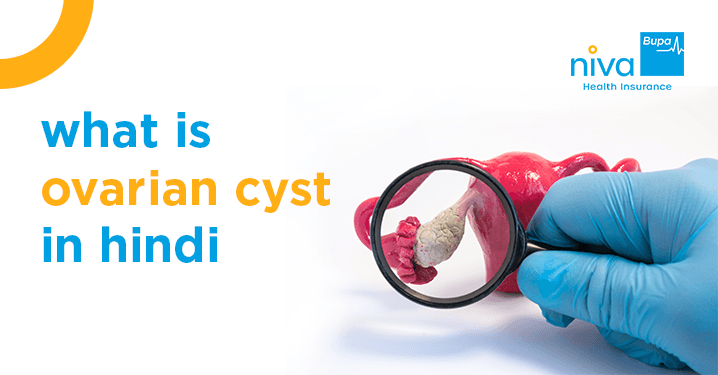
Have you noticed a small, slow-growing lump under your skin and assumed it would disappear on its own? It might be a condition called a sebaceous cyst. It is a common skin condition caused by blocked oil glands or hair follicles. Although it is harmless, it can become painful, infected, or inflamed if left untreated. In this blog, we explain what a sebaceous cyst is, its causes, common symptoms, and discuss treatment options to help manage the condition effectively.
Understanding Sebaceous Cyst
A sebaceous cyst is a non-cancerous, slow-growing bump that develops beneath the skin when a sebaceous gland is blocked. These glands naturally produce sebum, an oily substance that lubricates the skin and hair, keeping them healthy and moisturised. When the gland’s duct is obstructed, sebum accumulates inside a small sac, forming a cyst.
It can appear anywhere on the body, but commonly on the face, neck, scalp, and back. They usually grow slowly and can range in size from a few millimetres to several centimetres. Key features of sebaceous cysts include:
- Firm, round lump: Often movable under the skin and may have a smooth surface.
- Slow growth: Typically enlarges gradually over months or years.
- Contents: Filled with a yellowish, cheese-like substance made of keratin and sebum.
- Painless unless infected: Pain, redness, or tenderness may develop if infection occurs.
- Benign nature: They are usually harmless and not cancerous.
While a sebaceous cyst is generally harmless, monitoring it is important. Rapid enlargement, signs of infection such as redness or foul-smelling discharge, or discomfort during movement are indicators to seek medical attention.
Causes of Sebaceous Cysts
Understanding what triggers cysts helps prevent recurrence and complications.
Blocked Oil Glands and Hair Follicles
Sebaceous cysts commonly form when the duct of an oil gland or a hair follicle becomes blocked. This prevents normal drainage of sebum, the oily substance that keeps skin lubricated. Over time, sebum and keratin accumulate beneath the skin, creating a slow-growing, soft lump that gradually develops into a cyst.
Skin Trauma or Localised Injury
Injury to the skin, such as cuts, surgical wounds, or repeated friction, can damage sebaceous glands or hair follicles. This disruption may interfere with normal oil flow, increasing the likelihood of cyst formation. Even minor trauma can sometimes trigger cyst development in areas where the skin structure has been altered.
Hormonal Fluctuations
Hormonal changes can influence the activity of sebaceous glands, making them more active and prone to blockage. This explains why cysts are more frequently seen during puberty, pregnancy, or periods of hormonal imbalance. Increased oil production during these stages raises the risk of trapped sebum beneath the skin.
Genetic Susceptibility
Some individuals are naturally more prone to developing sebaceous cysts due to genetic factors. A family history of cysts or similar skin conditions may increase susceptibility. In such cases, the structure or function of oil glands may make blockages more likely, even without obvious external triggers.
Underlying Inflammatory Skin Conditions
Chronic skin conditions such as acne or seborrheic dermatitis can contribute to cyst formation. Ongoing inflammation disrupts normal skin turnover and oil gland function, increasing the chances of blocked follicles. Repeated inflammation creates an environment where it can develop more easily over time.
Symptoms of Sebaceous Cysts
Sebaceous cysts often develop slowly and may not cause discomfort at first. However, recognising early symptoms helps prevent infection, rupture, or unnecessary complications.
Slow-Growing Lump Under the Skin
One of the most common symptoms is a small, round lump that grows gradually. It usually feels soft or firm and moves slightly when touched. These cysts commonly appear on the face, neck, scalp, back, or chest and may remain unchanged for long periods.
Smooth and Rounded Appearance
Sebaceous cysts typically have a smooth, dome-shaped surface. The skin over the cyst usually looks normal and unbroken, especially in early stages. This distinct, rounded appearance helps differentiate cysts from other skin growths like boils or warts.
Painless Swelling
Most cysts are painless when not infected. The lump may feel uncomfortable only due to pressure or size, but it does not usually cause pain. Because of this, many people ignore cysts until they grow larger or become inflamed.
Visible Central Opening
Some cysts show a small, dark opening or pore at the centre. This opening connects to the blocked follicle and may occasionally release thick, white, or yellow material. The presence of a central punctum is a characteristic feature of sebaceous cysts.
Redness and Inflammation
If the cyst becomes irritated or infected, the surrounding skin may turn red, warm, and swollen. Inflammation often causes tenderness and signals that the cyst needs medical attention to prevent worsening infection.
Pain or Tenderness
An infected or ruptured cyst can become painful to touch. Pressure, friction from clothing, or accidental injury may increase discomfort. Pain usually indicates inflammation or bacterial infection within the cyst.
Foul-Smelling Discharge
When a cyst ruptures or leaks, it may release a thick, cheesy substance with an unpleasant odour. This discharge consists of trapped keratin and bacteria and is a common reason people seek medical help.
Fever in Severe Infection
In rare cases, a severely infected cyst may be accompanied by fever or general discomfort. This indicates the infection has spread beyond the cyst and requires prompt medical evaluation and treatment.
Treatment Options for Sebaceous Cysts
Treatment for sebaceous cysts depends on their size, symptoms, and whether infection is present. While some cysts may not need immediate intervention, others require medical care to prevent complications.
Observation and Monitoring
Small, painless sebaceous cysts that show no signs of infection often do not require treatment. Doctors may recommend regular monitoring to check for changes in size, colour, or discomfort. Avoid squeezing or manipulating the cyst, as this can increase the risk of inflammation or infection.
Medications for Inflammation or Infection
If a cyst becomes red, swollen, or painful, a doctor may prescribe antibiotics to treat an infection. Anti-inflammatory medications may also be recommended to reduce swelling and discomfort. Medications help control symptoms but do not remove the cyst completely.
Incision and Drainage
For painful or infected cysts, a doctor may perform a minor procedure to drain the contents. This provides quick relief from pain and pressure. However, drainage alone does not remove the cyst wall, so there is a chance the cyst may recur later.
Surgical Removal
Complete surgical excision is the most effective treatment for sebaceous cysts. During this procedure, the entire cyst, including its wall, is removed to prevent recurrence. Surgical removal is usually recommended for large, recurrent, or infected cysts and is done under local anaesthesia.
Avoiding Self-Treatment
Home remedies or attempting to pop a cyst can worsen the infection and lead to scarring. Medical evaluation ensures safe treatment and reduces the risk of complications or repeated cyst formation.
Prevention Tips for Sebaceous Cysts
While sebaceous cysts cannot always be prevented, certain habits can reduce the risk of their development and recurrence. Maintaining good skin care practices plays an important role in prevention.
Maintain Proper Skin Hygiene
Clean your skin regularly using a mild cleanser to remove excess oil, dirt, and dead skin cells. Proper hygiene helps keep hair follicles and oil glands clear, reducing the chances of blockage that can lead to cyst formation.
Avoid Squeezing or Picking the Skin
Squeezing pimples, blackheads, or existing cysts can damage hair follicles and sebaceous glands. This increases inflammation and raises the risk of cyst development or infection.
Manage Oily and Acne-Prone Skin
If you have oily skin or acne, follow a dermatologist-recommended skincare routine. Using non-comedogenic products and appropriate treatments helps control excess sebum production, lowering the risk of blocked follicles.
Protect Skin From Repeated Trauma
Repeated friction, pressure, or minor injuries can disrupt normal skin structure. Wearing comfortable clothing and protecting the skin during physical activities can help prevent damage that may contribute to cyst formation.
Seek Early Medical Advice
If you notice a new lump or recurring cyst, consult a healthcare professional early. Prompt evaluation and treatment can prevent infection, reduce discomfort, and lower the chances of recurrence.
Final Thoughts
Sebaceous cyst is common, harmless lumps beneath the skin, but they can become painful, inflamed, or infected if ignored. Early recognition of symptoms and timely medical care are key to preventing complications and ensuring proper management.
Treatment options range from careful observation to minor surgical removal, depending on the size, location, and severity of the cyst. Maintaining good skin hygiene and avoiding self-treatment can help reduce recurrence and support faster recovery.
At Niva Bupa, we offer health Insurance that covers consultations, minor procedures, and hospital care, helping ensure access to professional treatment when needed. With the right care and coverage, managing cysts becomes easier and more stress-free.
FAQ
1. What is a sebaceous cyst?
A sebaceous cyst is a non-cancerous, slow-growing lump beneath the skin caused by blocked oil glands or hair follicles, often filled with keratin and sebum.
2. How can I tell if a lump is a sebaceous cyst?
Cysts are usually soft, round, and movable under the skin, sometimes with a visible central opening. Pain, redness, or discharge may occur if infected.
3. What causes sebaceous cysts to form?
Blocked sebaceous glands, hormonal changes, skin trauma, excessive oil production, inflammation from acne, or genetic predisposition can trigger the formation of sebaceous cysts.
4. Are sebaceous cysts dangerous?
Most sebaceous cysts are harmless and painless. Complications arise if they become infected, inflamed, or rupture, requiring medical evaluation and treatment.
5. Can sebaceous cysts go away on their own?
Small, uninfected sebaceous cysts may remain stable without treatment, but they rarely disappear completely and can grow or become painful over time.
Get right coverage, right premium and the right protection instantly.
 By clicking, I agree to Niva Bupa
 You may also like


Popular Searches
Health Insurance - Health Insurance | Best Family Health Insurance | Best Health Insurance For Senior Citizens In India | Health Insurance With Opd Cover | Mediclaim Insurance | Critical Illness Insurance | Personal Accident Insurance | Mediclaim Policy | Individual Health Insurance | Maternity Insurance | Best Health Insurance company | NRI Health Insurance
Health Insurance Schemes - PMMVY Login | PMJJBY Policy Status | Swasthya Sathi Card | PMSBY | PMJJBY | Ayushman Card | PMMVY 2.0 | Ayushman Vay Vandana Card | PMMVY NIC IN रजिस्ट्रेशन | PMMVY 2.0 लॉगिन
Travel Insurance Plans - Travel Insurance | International Travel Insurance | Student Travel Insurance | Travel Insurance USA | Travel Insurance Canada | Travel Insurance Thailand | Travel Insurance Germany | Travel Insurance Dubai | Travel Insurance Bali | Travel Insurance Australia | Travel Insurance Schengen | Travel Insurance Singapore | Travel Insurance UK | Travel Insurance Vietnam | Travel Insurance Japan | Travel Insurance Spain | Travel Insurance Asia | Travel Insurance Netherlands | Travel Insurance Turkey | Travel Insurance Ireland | Travel Insurance Phillipines | Travel Insurace Italy | Travel Insurance France | Travel Insurance China | Travel Insurance Georgia | Travel Insurance South Africa | Travel Insurance Maldives | Travel Insurance Portugal | Travel Insurance Malaysia | Travel Insurance Qatar | Travel Insurance Poland | Travel Insurance Greece | Travel Insurance New zealand | Travel Insurance Saudi Arabia | Travel Insurance Sri Lanka
Become an Agent - Insurance Agent | IRDA Certificate Download | IRDA Exam Syllabus | IRDA exam fee | Paise Kaise Kamaye | Ghar Baithe Paise Kaise Kamaye
Top Hospitals - Best Hospitals in Gurgaon
Others - Ayushman Bharat | Gst Refund for NRI on Health Insurance Premium
Health & Wellness - शिलाजीत के फायदे हिंदी | Weight Gain Diet in Hindi | Sat Isabgol Uses In Hindi | Aloe Vera Juice Benefits in Hindi | Dragon Fruit Benefits in Hindi | Akal Daad in Hindi | Acidity Home Remedies in Hindi | Nikat Drishti Dosh in Hindi | Yoga Benefits in Hindi | Laung Khane ke Fayde in Hindi | Leukoplakia in Hindi | Protien in 100g Paneer | Benefits of Rice Water For Skin | B12 Deficiency Symptoms in Hindi | Fibre Foods in Hindi | Chronic Disease Meaning in Hindi | Vitamin D Foods in Hindi | Blood Urea in Hindi | Beetroot Uses Good for Health
Calculator - BMI Calculator | Pregnancy Calculator | Pregnancy Calendar Based on Conception Date | Pregnancy Conception Date Calculator | Last Menstrual Period Calculator | BMR Calculator | GFR Calculator | Ovulation Calculator



www.nivabupa.com

+91 11 30902010

1860-500-8888

CIN: L66000DL2008PLC182918
IRDAI Registration No. 145

Corporate Office: 3rd Floor, Capital Cyberscape, Sector 59, Gurgaon
Registered Office: C-98, First Floor, Lajpat Nagar, Part 1, Delhi-110024, India


