

Pleural Effusion: Causes, Symptoms, and Treatment Options
5 March, 2026
7 Shares
317 Reads
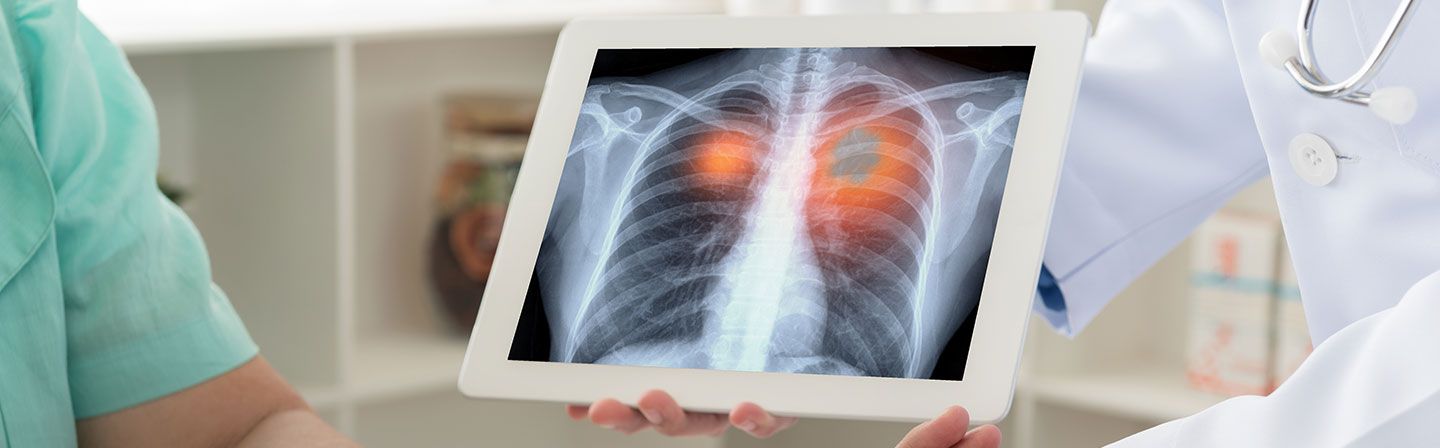
The human body is a marvel of biological engineering, particularly the respiratory system. Our lungs are encased in a thin, double-layered membrane known as the pleura. Under normal circumstances, a tiny amount of fluid acts as a lubricant between these layers, allowing the lungs to expand and contract smoothly against the chest wall during respiration. However, when an abnormal amount of fluid builds up in this space, a condition known as pleural effusion occurs.
Often referred to in layman's terms as "water on the lungs," this condition is not a disease in itself but rather a secondary manifestation of an underlying health issue. Understanding the nuances of this condition is vital for timely intervention and management.
What Exactly is Pleural Effusion?
To grasp the mechanics of this condition, one must look at the pleural space. This is the microscopic "potential space" between the visceral pleura (which covers the lungs) and the parietal pleura (which lines the inner chest wall). When the balance between fluid production and drainage is disrupted—either through increased pressure in the blood vessels or inflammation of the membranes—excess fluid accumulates.
There are two primary categories of fluid accumulation:
- Transudative Pleural Effusion: This occurs when fluid leaks into the pleural space due to systemic factors, such as increased pressure in the permanent blood vessels or low protein counts in the blood. The pleura itself is usually healthy.
- Exudative Pleural Effusion: This type is caused by local factors such as inflammation, infection, or lung injury. Here, the pleural membranes are directly affected, becoming "leaky" and allowing larger molecules like proteins and cells to pass through.
In rare and more complex clinical scenarios, patients may also present with pleuropericardial effusion, where fluid accumulates not only around the lungs but also in the pericardial sac surrounding the heart. This dual accumulation requires careful diagnostic navigation to ensure both the respiratory and cardiovascular systems are adequately supported.
Common Causes of Fluid in Lungs (Pleural Effusion)
The triggers for fluid in lungs pleural effusion are diverse, ranging from chronic lifestyle-related conditions to acute infections. Identifying the root cause is the first and most crucial step in the treatment journey.
Congestive Heart Failure
This is perhaps the most frequent cause of transudative effusions. When the heart cannot pump blood efficiently, pressure builds up in the pulmonary veins, forcing fluid out of the vessels and into the pleural space.
Pneumonia and Infections
Bacterial pneumonia is a leading cause of exudative effusions. When the lung tissue becomes inflamed due to infection, the adjacent pleura also becomes irritated. If the fluid itself becomes infected, it is referred to as an empyema, which is a more serious complication requiring urgent drainage.
Malignancy
Various forms of cancer, including lung cancer, breast cancer, and lymphoma, can lead to malignant effusions. This happens when cancer cells spread to the pleura or block the lymphatic system's ability to drain the fluid naturally.
Pulmonary Embolism
A blood clot in the lungs can sometimes lead to an effusion. The mechanism here is complex, involving both changes in vascular pressure and localized inflammation.
Kidney and Liver Disease
Conditions like cirrhosis of the liver or nephrotic syndrome change the protein balance in the blood. When the body loses its ability to hold fluid within the blood vessels, it tends to seep into "third spaces" like the abdominal cavity or the pleural space.
Recognising the Symptoms
The symptoms of pleural effusion can be subtle at first, often masked by the symptoms of the primary illness. However, as the volume of fluid increases, the pressure on the lungs leads to more distinct physical signs.
- Shortness of Breath (Dyspnoea): This is the most common symptom. As the fluid occupies space that the lung should normally fill, the lung cannot expand fully, making it difficult to take a deep breath.
- Chest Pain: Many patients experience "pleuritic" chest pain—a sharp, stabbing sensation that worsens when breathing deeply, coughing, or sneezing.
- Dry Cough: The irritation of the pleural lining often triggers a persistent, non-productive cough.
- Fever and Chills: If the effusion is caused by an infection like pneumonia, these systemic symptoms will likely be present.
- Orthopnoea: Some individuals find it particularly difficult to breathe while lying flat, preferring to prop themselves up with pillows.
The Diagnostic Pathway
Diagnosing the presence of fluid is relatively straightforward, but determining why it is there requires a more investigative approach.
Imaging
The first line of detection is usually a chest X-ray. On an X-ray, the fluid appears as a white area at the base of the lung, obscuring the sharp angle where the diaphragm meets the ribs. For a more detailed view, a CT scan or an ultrasound may be used. Ultrasound is particularly helpful in identifying "pocketed" or loculated fluid and serves as a guide for needle insertion.
Thoracentesis
This is both a diagnostic and therapeutic procedure. A doctor inserts a thin needle through the back of the chest wall into the pleural space to remove a sample of the fluid. This sample is then sent to a laboratory to check for protein levels, glucose, pH, white blood cells, and the presence of cancerous cells.
Pleural Biopsy
In cases where the cause remains elusive after fluid analysis, a small piece of the pleural tissue may be removed for microscopic examination.
Treatment Options and Management
Treatment for pleural effusion is twofold: managing the immediate discomfort caused by the fluid and treating the underlying disease that caused it in the first place.
Drainage Procedures
For those experiencing significant breathlessness, removing the fluid is a priority.
- Therapeutic Thoracentesis: If the effusion is a one-time occurrence, a simple needle drainage may suffice.
- Intercostal Drain (Chest Tube): If the fluid continues to re-accumulate or is heavily infected, a flexible tube is inserted into the chest and connected to a drainage bottle for several days.
- Indwelling Pleural Catheter: For chronic or malignant conditions where fluid returns frequently, a small permanent catheter can be placed, allowing the patient or a caregiver to drain the fluid at home.
Pleurodesis
In cases of recurrent effusions, doctors may perform a procedure called pleurodesis. This involves injecting an irritant (like medical-grade talc) into the pleural space. The irritant causes the two layers of the pleura to inflame and stick together, effectively closing the space where fluid could accumulate.
Surgery
If the fluid is thick or has formed fibrous "walls" (loculations), a surgeon may need to perform Video-Assisted Thoracoscopic Surgery (VATS) to clean out the pleural space and allow the lung to re-expand.
The Role of Financial Planning in Healthcare
Navigating a complex medical diagnosis like pleuropericardial effusion or chronic lung disease involves more than just clinical decisions; it involves financial considerations. Hospital stays, repeated imaging, specialised drainage procedures, and long-term medications can accumulate significant costs.
This is where having comprehensive health insurance becomes an essential part of a patient's recovery plan. A robust policy ensures that the focus remains on getting the best possible medical care without the added stress of mounting hospital bills. It covers the costs of diagnostics, surgical interventions, and post-operative care, providing a safety net that allows patients to access private facilities or specialised consultants who are experts in respiratory health. In many instances, early intervention made possible by insurance coverage can lead to better long-term outcomes and a smoother recovery process.
Conclusion
A diagnosis of pleural effusion can be daunting, but it is a manageable condition when the underlying cause is addressed. Whether it is a complication of a heart condition or a secondary effect of an infection, modern medicine offers a wide array of diagnostic tools and treatment pathways to alleviate symptoms and restore respiratory function. By being aware of the signs—such as persistent breathlessness and chest pain—and ensuring you have the right support systems in place, including medical expertise and financial protection, you can navigate this health challenge with confidence.
Frequently Asked Questions (FAQs)
What is the most common cause of pleural effusion?
While there are many triggers, congestive heart failure is widely considered the most frequent cause of transudative effusion, whereas pneumonia is the leading cause of exudative effusion.
Can pleural effusion go away on its own?
Small effusions caused by viral infections or minor inflammation may resolve on their own once the underlying issue clears. However, larger accumulations usually require medical intervention to prevent complications.
Is fluid in the lungs always an emergency?
Not always, but sudden and severe shortness of breath or intense chest pain should be treated as an emergency. If you notice a gradual increase in breathlessness, you should consult a doctor promptly.
How is a pleuropericardial effusion different from a standard pleural effusion?
A standard effusion involves fluid around the lungs. A pleuropericardial effusion involves fluid accumulation around both the lungs and the heart sac (pericardium), often indicating a systemic inflammatory or cardiovascular issue.
Is the drainage procedure painful?
Doctors typically use a local anaesthetic to numb the area before performing a thoracentesis or inserting a chest tube. You may feel some pressure or a "tugging" sensation, but the procedure is designed to be as comfortable as possible.
How long does it take to recover after draining the fluid?
Many patients feel an immediate improvement in their breathing as soon as the fluid is removed. However, full recovery depends entirely on how quickly the underlying cause (like infection or heart failure) is brought under control.
Can I fly with a pleural effusion?
It is generally not recommended to fly with an active effusion because the changes in cabin pressure can exacerbate breathing difficulties. You should always seek clearance from your consultant before booking travel.
Is pleural effusion the same as pulmonary oedema?
No. Pleural effusion is fluid outside the lung in the pleural space. Pulmonary oedema is fluid inside the air sacs (alveoli) of the lung tissue itself. Both affect breathing but are treated differently.
Can diet help in managing this condition?
If the effusion is caused by heart or kidney failure, a low-sodium diet may be recommended to help reduce fluid retention in the body. However, diet alone cannot "drain" a pleural effusion.
Does health insurance cover the cost of thoracentesis?
Most comprehensive health insurance plans cover diagnostic and therapeutic procedures like thoracentesis, provided they are deemed medically necessary by a physician.
What are the risks of leaving an effusion untreated?
Untreated fluid can lead to a collapsed lung, the formation of scar tissue (pleural thickening), or a severe infection known as an empyema, which can be life-threatening.
Can children get pleural effusion?
Yes, children can develop effusions, most commonly as a complication of bacterial pneumonia. The symptoms and treatment goals are similar to those in adults.
Is it a sign of lung cancer?
While cancer is one possible cause, many effusions are benign and related to heart, liver, or infectious diseases. A laboratory analysis of the fluid is necessary to determine if malignant cells are present.
How much fluid can the pleural space hold?
The pleural space can potentially hold several litres of fluid in extreme cases, which can severely compress the lung and shift the heart to one side.
Will the fluid come back after being drained?
If the underlying cause (like a chronic heart condition or cancer) is not managed, the fluid has a high likelihood of returning. This is why treating the "root cause" is so important.
What is the difference between "wet" and "dry" pleurisy?
Pleurisy is inflammation of the pleura. "Dry" pleurisy is inflammation without fluid buildup, while "wet" pleurisy is when the inflammation leads to an effusion.
Can smoking cause pleural effusion?
Smoking is a major risk factor for lung cancer and COPD, both of which can lead to the development of an effusion. Quitting smoking is a vital step in respiratory health.
What specialist should I see?
A Pulmonologist (lung specialist) is usually the primary doctor for this condition, though a Cardiologist or Thoracic Surgeon may also be involved depending on the cause.
Can I exercise with a pleural effusion?
Vigorous exercise is usually impossible due to breathlessness. Once the fluid is drained and the underlying cause is treated, your doctor will advise when it is safe to resume physical activity.
Is a chest X-ray enough for a diagnosis?
An X-ray can confirm the presence of fluid, but it cannot tell the doctor what the fluid is. Further tests like ultrasound or fluid analysis are usually required for a complete diagnosis.
Get right coverage, right premium and the right protection instantly.
 By clicking, I agree to Niva Bupa
 You may also like

Popular Searches
Health Insurance - Health Insurance | Best Family Health Insurance | Best Health Insurance For Senior Citizens In India | Health Insurance With Opd Cover | Mediclaim Insurance | Critical Illness Insurance | Personal Accident Insurance | Mediclaim Policy | Individual Health Insurance | Maternity Insurance | Best Health Insurance company | NRI Health Insurance
Health Insurance Schemes - PMMVY Login | PMJJBY Policy Status | Swasthya Sathi Card | PMSBY | PMJJBY | Ayushman Card | PMMVY 2.0 | Ayushman Vay Vandana Card | PMMVY NIC IN रजिस्ट्रेशन | PMMVY 2.0 लॉगिन
Travel Insurance Plans - Travel Insurance | International Travel Insurance | Student Travel Insurance | Travel Insurance USA | Travel Insurance Canada | Travel Insurance Thailand | Travel Insurance Germany | Travel Insurance Dubai | Travel Insurance Bali | Travel Insurance Australia | Travel Insurance Schengen | Travel Insurance Singapore | Travel Insurance UK | Travel Insurance Vietnam | Travel Insurance Japan | Travel Insurance Spain | Travel Insurance Asia | Travel Insurance Netherlands | Travel Insurance Turkey | Travel Insurance Ireland | Travel Insurance Phillipines | Travel Insurace Italy | Travel Insurance France | Travel Insurance China | Travel Insurance Georgia | Travel Insurance South Africa | Travel Insurance Maldives | Travel Insurance Portugal | Travel Insurance Malaysia | Travel Insurance Qatar | Travel Insurance Poland | Travel Insurance Greece | Travel Insurance New zealand | Travel Insurance Saudi Arabia | Travel Insurance Sri Lanka
Become an Agent - Insurance Agent | IRDA Certificate Download | IRDA Exam Syllabus | IRDA exam fee | Paise Kaise Kamaye | Ghar Baithe Paise Kaise Kamaye
Top Hospitals - Best Hospitals in Gurgaon
Others - Ayushman Bharat | Gst Refund for NRI on Health Insurance Premium
Health & Wellness - शिलाजीत के फायदे हिंदी | Weight Gain Diet in Hindi | Sat Isabgol Uses In Hindi | Aloe Vera Juice Benefits in Hindi | Dragon Fruit Benefits in Hindi | Akal Daad in Hindi | Acidity Home Remedies in Hindi | Nikat Drishti Dosh in Hindi | Yoga Benefits in Hindi | Laung Khane ke Fayde in Hindi | Leukoplakia in Hindi | Protien in 100g Paneer | Benefits of Rice Water For Skin | B12 Deficiency Symptoms in Hindi | Fibre Foods in Hindi | Chronic Disease Meaning in Hindi | Vitamin D Foods in Hindi | Blood Urea in Hindi | Beetroot Uses Good for Health
Calculator - BMI Calculator | Pregnancy Calculator | Pregnancy Calendar Based on Conception Date | Pregnancy Conception Date Calculator | Last Menstrual Period Calculator | BMR Calculator | GFR Calculator | Ovulation Calculator



www.nivabupa.com

+91 11 30902010

1860-500-8888

CIN: L66000DL2008PLC182918
IRDAI Registration No. 145

Corporate Office: 3rd Floor, Capital Cyberscape, Sector 59, Gurgaon
Registered Office: C-98, First Floor, Lajpat Nagar, Part 1, Delhi-110024, India


