

Umbilical Hernia: Symptoms, Causes, Diagnosis, and Treatment Options
5 March, 2026
7 Shares
268 Reads
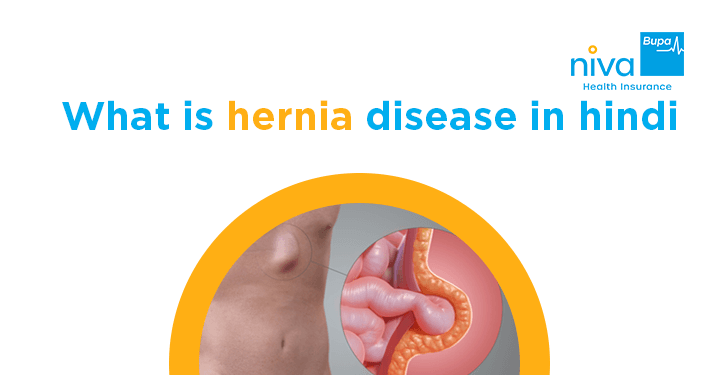
Hernias are a common clinical condition affecting people across different age groups, from infants to older adults. Among the various types, a hernia at the umbilicus is frequently encountered in both paediatric and adult healthcare settings. According to information published by the UK National Health Service (NHS), a hernia at the umbilicus is particularly common in infants, and they often resolve on their own, while in adults, they are less likely to close without medical intervention and may require monitoring or treatment. Knowing how this condition develops, how it presents, and how it is managed helps individuals recognise symptoms early and seek appropriate care when needed.
What Is an Umbilical Hernia, and Why Is It Common?
A hernia at the umbilicus occurs when a portion of abdominal tissue, such as intestine or fat, pushes through a weakened area of the abdominal wall near the navel. This area is naturally vulnerable because it is where the umbilical cord passes through the abdominal muscles before birth. While the opening usually closes soon after birth, incomplete closure or later weakening can allow a hernia to form.
Hernia at the umbilicus is common across age groups. In infants, they are often present at birth and usually close on their own over time. In adults, they are acquired and tend to persist without medical intervention. According to clinical literature published by the National Centre for Biotechnology Information (NCBI), adult umbilical hernias are increasingly diagnosed due to rising rates of obesity, pregnancy-related abdominal strain, and conditions that increase pressure inside the abdomen.
Most hernias at the umbilicus are not immediately dangerous. However, understanding the condition helps individuals recognise changes early and seek appropriate medical evaluation before complications develop.
How Does an Umbilical Hernia Develop Over Time?
The abdominal wall functions as a protective barrier that keeps internal organs in place. When a weak point exists near the navel, increased internal pressure can push tissue outward, forming a hernia. In children, this weakness is congenital. In adults, it usually develops gradually.
Several factors contribute to weakening of the abdominal wall over time. These include repeated strain from heavy lifting, chronic coughing, obesity, pregnancy, accumulation of abdominal fluid, or previous abdominal surgery. Each of these increases pressure inside the abdomen, making the weakened umbilical area more likely to give way.
Hernia at the umbilicus may start as a small, barely noticeable bulge. Over time, continued strain can enlarge the opening, allowing more tissue to protrude. This progression explains why some hernias remain stable for years while others worsen and require intervention.
What Are the Common Umbilical Hernia Symptoms, and When Should You Seek Care?
The symptoms can vary depending on the size of the hernia and whether complications are present. In many cases, symptoms are mild or absent, particularly in early stages. Understanding the typical signs helps individuals recognise changes that may require medical evaluation.
Visible Bulge at the Navel
One of the most common symptoms is a soft swelling or bulge near the belly button. The bulge often becomes more noticeable when standing, coughing, crying, or straining and may reduce or disappear when lying down.
Discomfort or Pressure Around the Umbilical Area
Some individuals experience mild discomfort, pressure, or a dragging sensation around the navel, especially during physical activity, lifting, or prolonged standing. This discomfort is usually not severe but may increase as the hernia enlarges.
Sensitivity or Tenderness
Sensitivity around the affected area may occur, particularly when pressure is applied. While tenderness is often mild, increasing sensitivity can indicate changes that warrant closer observation.
Symptoms in Infants and Young Children
In infants, they are usually painless. The bulge may become more apparent when the child cries, coughs, or strains and typically flattens when the child is relaxed or lying down.
Medical evaluation is recommended if umbilical hernia symptoms change or worsen. Warning signs include persistent or increasing pain, redness or swelling over the bulge, nausea, vomiting, or a hernia that becomes firm and cannot be pushed back into the abdomen. These features may suggest incarceration or strangulation and require urgent medical assessment.
How Is an Umbilical Hernia Diagnosed by Healthcare Providers?
Diagnosis of a hernia at the umbilicus is primarily clinical. Healthcare providers usually identify it through a physical examination, observing the area while the patient stands, coughs, or strains. The presence of a reducible bulge often confirms the diagnosis.
Imaging studies are not always necessary but may be recommended when the diagnosis is uncertain or complications are suspected. Ultrasound is commonly used in children and pregnant individuals, while CT scans may be used in adults to assess the contents of the hernia and surrounding structures.
Diagnosis also helps determine whether an umbilical hernia is uncomplicated or associated with risk factors that influence management decisions.
What Are the Available Umbilical Hernia Treatment Options?
Management of hernia at the umbilicus is guided by factors such as age, hernia size, presence of symptoms, and overall health status. Umbilical hernia treatment approaches range from careful observation to surgical repair, depending on individual risk and clinical findings.
Observation and Monitoring
In infants and young children, observation is often the preferred approach. Many umbilical hernias in this age group close naturally as the abdominal wall strengthens, usually by the age of four or five years. During this period, healthcare providers monitor the hernia for changes in size or symptoms, without immediate intervention.
Conservative Management in Selected Adults
In adults, small hernias at the umbilicus that do not cause discomfort may be managed conservatively, particularly when surgical risk is high due to other medical conditions. This approach involves regular monitoring and addressing contributing factors such as weight management and avoiding activities that increase abdominal pressure. Conservative care does not close the hernia but may help limit progression in selected cases.
Surgical Repair
Surgery is the definitive treatment option for most adults, especially when the hernia becomes symptomatic, enlarges over time, or poses a risk of complications. Surgical repair involves returning the protruding tissue to the abdominal cavity and reinforcing the weakened area of the abdominal wall. The aim of surgery is to prevent complications, relieve symptoms, and restore abdominal wall integrity.
When Is Surgery Recommended, and What Does Recovery Look Like?
Surgery is recommended when the symptoms enlarge or carry a risk of incarceration or strangulation. Surgical repair involves returning the protruding tissue to the abdominal cavity and closing the defect in the abdominal wall.
Techniques include open repair and laparoscopic repair. Mesh reinforcement may be used to strengthen the area, particularly in larger hernias. Recovery is generally straightforward, with most individuals resuming normal activities within a few weeks.
Post-surgical care includes activity restrictions and follow-up appointments to ensure proper healing. Recurrence is uncommon when repair is performed appropriately.
What Is the Long-Term Outlook for People With an Umbilical Hernia?
The long-term outlook for individuals is generally favourable. Many cases are uncomplicated, and when treatment is required, outcomes are usually good. Early evaluation helps prevent progression and reduces the risk of emergency complications.
Lifestyle measures such as maintaining a healthy weight, avoiding excessive strain, and managing chronic cough can support long-term abdominal wall health. Regular follow-up ensures timely intervention if changes occur.
Conclusion
A hernia at the umbilicus is a common and usually manageable condition affecting both children and adults. Recognising the symptoms early and understanding when evaluation is needed allows timely and appropriate care. Decisions around the treatment are guided by individual factors such as age, symptoms, and overall health, with surgery offering a reliable solution when required.
Access to timely diagnosis, surgical consultation, and follow-up care plays an important role in managing abdominal wall conditions effectively. Health coverage options such as Niva Bupa Health Insurance can support access to consultations, imaging, and hospital-based treatment when clinically indicated, helping individuals plan care with confidence and continuity.
FAQs
1. Are all hernias at the umbilicus dangerous?
No, not all are dangerous. Many remain small, painless, and uncomplicated, particularly in infants and young children where spontaneous closure is common. However, medical assessment is important because the risk profile can change over time, especially in adults, and evaluation helps determine whether monitoring or treatment is appropriate.
2. Can umbilical hernia symptoms come and go?
Yes, symptoms can vary and may fluctuate depending on body position, physical activity, or increases in abdominal pressure. A bulge may become more noticeable during standing, coughing, or straining and less visible when lying down. Changes in symptom pattern should be monitored, as increasing or persistent symptoms may indicate progression.
3. Does every adult with a hernia at the umbilicus need surgery?
Not every adult requires immediate surgical repair. Small, symptom-free hernias may be monitored in selected individuals, particularly when surgical risk is high. However, many adult hernias tend to enlarge over time and become symptomatic, making surgery the definitive and often recommended treatment.
4. How long does recovery take after treatment?
Recovery time varies depending on the type of repair and individual health factors. Most people can return to light activities within a few days and resume normal routines within a few weeks. Heavy lifting and strenuous exercise may be restricted for a longer period to allow proper healing.
5. Can a hernia at the umbilicus return after treatment?
Recurrence is possible but relatively uncommon when the hernia is repaired appropriately, and postoperative guidelines are followed. Factors such as hernia size, surgical technique, and ongoing abdominal strain can influence recurrence risk. Regular follow-up and lifestyle adjustments help reduce the likelihood of recurrence.
6. Can lifestyle changes help manage an umbilical hernia?
Lifestyle changes can help reduce strain on the abdominal wall and may slow progression in some cases, especially when symptoms are mild. Maintaining a healthy body weight, avoiding heavy lifting, managing chronic cough, and preventing constipation can reduce pressure on the hernia. While these measures do not close the hernia, they support overall management and complement medical follow-up.
Get right coverage, right premium and the right protection instantly.
 By clicking, I agree to Niva Bupa
 You may also like



Popular Searches
Health Insurance - Health Insurance | Best Family Health Insurance | Best Health Insurance For Senior Citizens In India | Health Insurance With Opd Cover | Mediclaim Insurance | Critical Illness Insurance | Personal Accident Insurance | Mediclaim Policy | Individual Health Insurance | Maternity Insurance | Best Health Insurance company | NRI Health Insurance
Health Insurance Schemes - PMMVY Login | PMJJBY Policy Status | Swasthya Sathi Card | PMSBY | PMJJBY | Ayushman Card | PMMVY 2.0 | Ayushman Vay Vandana Card | PMMVY NIC IN रजिस्ट्रेशन | PMMVY 2.0 लॉगिन
Travel Insurance Plans - Travel Insurance | International Travel Insurance | Student Travel Insurance | Travel Insurance USA | Travel Insurance Canada | Travel Insurance Thailand | Travel Insurance Germany | Travel Insurance Dubai | Travel Insurance Bali | Travel Insurance Australia | Travel Insurance Schengen | Travel Insurance Singapore | Travel Insurance UK | Travel Insurance Vietnam | Travel Insurance Japan | Travel Insurance Spain | Travel Insurance Asia | Travel Insurance Netherlands | Travel Insurance Turkey | Travel Insurance Ireland | Travel Insurance Phillipines | Travel Insurace Italy | Travel Insurance France | Travel Insurance China | Travel Insurance Georgia | Travel Insurance South Africa | Travel Insurance Maldives | Travel Insurance Portugal | Travel Insurance Malaysia | Travel Insurance Qatar | Travel Insurance Poland | Travel Insurance Greece | Travel Insurance New zealand | Travel Insurance Saudi Arabia | Travel Insurance Sri Lanka
Become an Agent - Insurance Agent | IRDA Certificate Download | IRDA Exam Syllabus | IRDA exam fee | Paise Kaise Kamaye | Ghar Baithe Paise Kaise Kamaye
Top Hospitals - Best Hospitals in Gurgaon
Others - Ayushman Bharat | Gst Refund for NRI on Health Insurance Premium
Health & Wellness - शिलाजीत के फायदे हिंदी | Weight Gain Diet in Hindi | Sat Isabgol Uses In Hindi | Aloe Vera Juice Benefits in Hindi | Dragon Fruit Benefits in Hindi | Akal Daad in Hindi | Acidity Home Remedies in Hindi | Nikat Drishti Dosh in Hindi | Yoga Benefits in Hindi | Laung Khane ke Fayde in Hindi | Leukoplakia in Hindi | Protien in 100g Paneer | Benefits of Rice Water For Skin | B12 Deficiency Symptoms in Hindi | Fibre Foods in Hindi | Chronic Disease Meaning in Hindi | Vitamin D Foods in Hindi | Blood Urea in Hindi | Beetroot Uses Good for Health
Calculator - BMI Calculator | Pregnancy Calculator | Pregnancy Calendar Based on Conception Date | Pregnancy Conception Date Calculator | Last Menstrual Period Calculator | BMR Calculator | GFR Calculator | Ovulation Calculator



www.nivabupa.com

+91 11 30902010

1860-500-8888

CIN: L66000DL2008PLC182918
IRDAI Registration No. 145

Corporate Office: 3rd Floor, Capital Cyberscape, Sector 59, Gurgaon
Registered Office: C-98, First Floor, Lajpat Nagar, Part 1, Delhi-110024, India


