

Food for Liver Cirrhosis: A Complete Liver Cirrhosis Diet Plan for Better Health
19 May, 2026
9 Shares
151 Reads
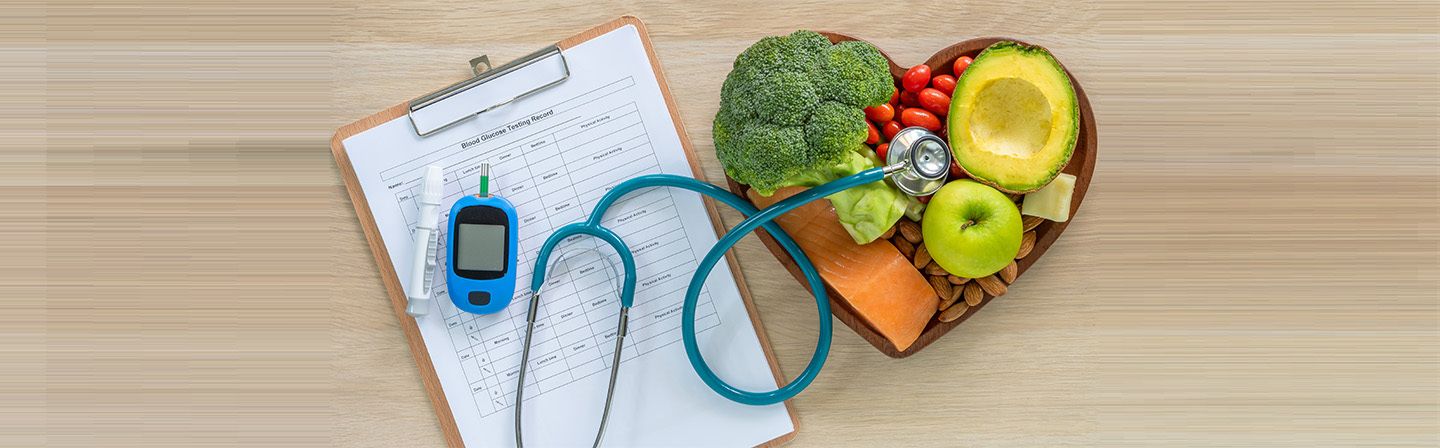
Living with liver cirrhosis can feel overwhelming, especially when it comes to food choices. Since the liver is responsible for so much of your body’s detoxification and digestion, each meal makes a difference. With the right diet, you can transform how you feel and manage life with cirrhosis. Food becomes more than fuel; it turns into a way to protect your liver, ease discomfort, and strengthen your body.
In the sections ahead, you’ll find a clear, easy plan designed to give your liver the care it needs. It’s about making thoughtful food choices that fit into your daily routine and support your health in the long run.
Nutrition and Liver Cirrhosis
Liver cirrhosis happens when healthy liver tissue is slowly replaced by scar tissue. Over time, this scarring affects how well the liver can do its job. The liver is essential for digesting food, storing vitamins, making proteins, helping blood clot, and clearing toxins from the body. When it becomes damaged, your nutrition and overall balance are often disrupted.
People living with cirrhosis may notice:
- Reduced appetite
- Nausea or bloating
- Muscle weakness
- Fluid build‑up in the abdomen or legs
- Constant tiredness
Because of these challenges, diet becomes a crucial part of care. A carefully structured liver cirrhosis diet plan helps prevent malnutrition, reduces complications, and supports overall well-being.
Why Diet Is Important in Cirrhosis
When you have cirrhosis, your body doesn’t handle nutrients the same way it used to. Even if you eat enough, your liver may struggle to process food properly, which can lead to muscle loss and changes in energy levels.
Eating the right foods can make a big difference. Good nutrition helps to:
- Keep your muscles strong
- Support your immune system
- Reduce swelling and fluid build‑up
- Balance blood sugar levels
- Lower the chance of complications
Key Principles of a Liver Cirrhosis Diet
Eating well with cirrhosis is not about following complicated rules. It’s about simple, everyday habits that make meals easier to digest and more supportive of your liver.
Eat Small, Frequent Meals
Large meals can feel heavy and uncomfortable. Smaller portions spread across the day are easier to digest and help keep your energy steady. Try having three small meals, two or three healthy snacks, and a light snack before bedtime. This routine also helps prevent your body from breaking down muscle for energy overnight.
Get Enough Protein
Earlier, people with cirrhosis were often told to avoid protein, but today doctors encourage getting enough to keep their muscles strong. Unless your doctor advises otherwise, protein should not be cut too low.
Cut Back on Salt
Fluid build‑up is common in cirrhosis, and too much salt can make it worse. Simple steps like avoiding the salt shaker, limiting packaged foods, and cooking with fresh ingredients can help. Use herbs, garlic, lemon juice, or spices for flavour instead. Most people are advised to keep sodium below medical limits, often around 2 grams per day, depending on their doctor’s guidance.
Choose the Right Carbohydrates
Your liver helps control blood sugar, and cirrhosis can cause ups and downs. Whole grains, oats, brown rice, wholemeal bread, and fresh fruits (in moderation) are better choices. Try to avoid too much refined sugar or processed carbs.
Include Healthy Fats in Moderation
Healthy fats give you energy and support nutrition. Olive oil, avocado, nuts, and seeds are good options in small amounts. Stay away from deep‑fried or heavily processed fatty foods, as they can be harder to digest.
Key Nutrients to Prioritise in Cirrhosis
Paying attention to the right nutrients can make everyday meals more supportive for your liver and help you feel stronger overall.
Foods to Add to Your Daily Routine
When it comes to food for liver cirrhosis, the best approach is to keep meals wholesome and based on fresh, minimally processed ingredients. Simple choices can go a long way in supporting your liver and overall health.
Breakfast Ideas
- Oats cooked with low‑fat milk
- Wholemeal toast with scrambled eggs
- Yoghurt topped with fruit and seeds
Lunch Options
- Lentil and vegetable soup
- Grilled fish with steamed vegetables
- Brown rice with chickpeas and spinach
Dinner Choices
- Baked chicken with roasted vegetables
- Tofu stir‑fry with mixed vegetables
- Quinoa served with beans and salad
Healthy Snacks
- A handful of unsalted nuts
- Fresh fruit
- Plain yoghurt
- Wholegrain crackers with hummus
Including these foods regularly makes it easier to follow a balanced liver cirrhosis diet plan. They provide energy, protect muscle strength, and are gentle on digestion, helping you feel more comfortable throughout the day.
Foods to Avoid in a Liver Cirrhosis Diet
Some foods can make symptoms worse or put extra strain on the liver. Knowing what to cut back on is just as important as knowing what to include in your meals.
High‑Sodium Foods
Too much salt can lead to swelling and fluid build‑up. Try to avoid:
- Processed meats
- Tinned soups
- Ready‑made meals
- Crisps and salty snacks
Keeping salt low helps your body feel lighter and reduces discomfort from fluid retention.
Alcohol
Alcohol should be completely avoided in cirrhosis, no matter what caused the condition. It can further damage the liver and increase complications. Staying alcohol‑free is one of the most important steps in following a safe liver cirrhosis diet plan.
Sugary and Processed Foods
Excess sugar and refined products can upset blood sugar levels and contribute to unwanted weight changes. Limiting these foods is an important part of a healthy liver cirrhosis diet plan. Choosing natural, whole foods instead helps keep your energy steady and supports better nutrition.
Raw or Undercooked Shellfish
Shellfish can carry bacteria that pose serious infection risks for people with liver disease, so it’s best to avoid them altogether. Cooked seafood options are safer and still provide valuable protein without the added risk.
Practical Tips for Everyday Eating
Making small adjustments to your daily routine can make following a liver cirrhosis diet plan easier and more effective.
- Try planning your meals ahead of time so you always have balanced options ready and don’t feel rushed into unhealthy choices.
- Get into the habit of reading food labels carefully, as this helps you spot hidden salt, sugar, or additives that may not be good for your liver.
- Whenever possible, cook at home using fresh ingredients, since this gives you more control over what goes into your meals.
- Keep healthy snacks within reach, like fruit or nuts, so you’re less tempted to grab processed foods when hunger strikes.
- Avoid skipping meals, because regular eating helps maintain steady energy levels and prevents your body from breaking down muscle for fuel.
Conclusion
Managing cirrhosis is not just about medical treatment. The choices you make at the dining table every day play a big role in how you feel. Now that you understand how nutrition supports liver health, the next step is to put these principles into practice. Plan your meals, keep salt low, include enough protein, avoid alcohol completely, and check your weight regularly. Small, steady changes in your diet can protect your strength, reduce complications, and improve your quality of life.
At the same time, it is wise to prepare for the broader aspects of healthcare. Cirrhosis often requires regular check‑ups, ongoing monitoring, and sometimes hospital care. Having a reliable healthcare plan, such as Niva Bupa Health Insurance, can give you financial security and reassurance when unexpected medical needs arise. When your diet supports your body, and your insurance supports your care, you create a stronger, more confident path forward.
Frequently Asked Questions
Q1. What does Food for liver cirrhosis typically include?
Food for liver cirrhosis usually focuses on balanced, nutrient-dense meals that are low in salt and rich in high-quality protein. This includes whole grains, lentils, lean poultry, fish, eggs, fresh vegetables, fruits, and healthy fats in moderation. Processed foods, alcohol, and high-sodium items should be avoided to reduce strain on the liver and prevent fluid retention.
Q2. What is usually recommended in a Liver Cirrhosis Diet Plan?
A Liver Cirrhosis Diet Plan generally includes small, frequent meals throughout the day, adequate protein intake to prevent muscle loss, controlled sodium levels, and balanced carbohydrates. The plan is tailored to the individual’s medical condition and may also involve monitoring fluid intake if swelling or ascites is present.
Q3. Can people with cirrhosis eat dairy products?
Yes, low-fat dairy products such as milk, yoghurt, and soft cheese can be included in moderation. They provide protein and calcium. However, portion control is important, and choices should be low in salt and saturated fat.
Q4. How can fluid retention be managed through diet in liver cirrhosis?
Reducing salt intake is the most effective dietary strategy for managing fluid build-up. Avoiding processed foods, reading nutrition labels carefully, and using herbs instead of salt for flavour can help control swelling and ascites.
Q5. Are carbohydrates safe for individuals with liver cirrhosis?
Yes, carbohydrates are an important energy source. Whole grains such as oats, brown rice, and wholemeal bread are preferred. Refined sugars and highly processed foods should be limited to maintain stable blood sugar levels and overall metabolic balance.
Get right coverage, right premium and the right protection instantly.
 By clicking, I agree to Niva Bupa
 You may also like


Popular Searches
Health Insurance - Health Insurance | Best Family Health Insurance | Best Health Insurance For Senior Citizens In India | Health Insurance With Opd Cover | Mediclaim Insurance | Critical Illness Insurance | Personal Accident Insurance | Mediclaim Policy | Individual Health Insurance | Maternity Insurance | Best Health Insurance company | NRI Health Insurance
Health Insurance Schemes - PMMVY Login | PMJJBY Policy Status | Swasthya Sathi Card | PMSBY | PMJJBY | Ayushman Card | PMMVY 2.0 | Ayushman Vay Vandana Card | PMMVY NIC IN रजिस्ट्रेशन | PMMVY 2.0 लॉगिन
Travel Insurance Plans - Travel Insurance | International Travel Insurance | Student Travel Insurance | Travel Insurance USA | Travel Insurance Canada | Travel Insurance Thailand | Travel Insurance Germany | Travel Insurance Dubai | Travel Insurance Bali | Travel Insurance Australia | Travel Insurance Schengen | Travel Insurance Singapore | Travel Insurance UK | Travel Insurance Vietnam | Travel Insurance Japan | Travel Insurance Spain | Travel Insurance Asia | Travel Insurance Netherlands | Travel Insurance Turkey | Travel Insurance Ireland | Travel Insurance Phillipines | Travel Insurace Italy | Travel Insurance France | Travel Insurance China | Travel Insurance Georgia | Travel Insurance South Africa | Travel Insurance Maldives | Travel Insurance Portugal | Travel Insurance Malaysia | Travel Insurance Qatar | Travel Insurance Poland | Travel Insurance Greece | Travel Insurance New zealand | Travel Insurance Saudi Arabia | Travel Insurance Sri Lanka
Become an Agent - Insurance Agent | IRDA Certificate Download | IRDA Exam Syllabus | IRDA exam fee | Paise Kaise Kamaye | Ghar Baithe Paise Kaise Kamaye
Top Hospitals - Best Hospitals in Gurgaon
Others - Ayushman Bharat | Gst Refund for NRI on Health Insurance Premium
Health & Wellness - शिलाजीत के फायदे हिंदी | Weight Gain Diet in Hindi | Sat Isabgol Uses In Hindi | Aloe Vera Juice Benefits in Hindi | Dragon Fruit Benefits in Hindi | Akal Daad in Hindi | Acidity Home Remedies in Hindi | Nikat Drishti Dosh in Hindi | Yoga Benefits in Hindi | Laung Khane ke Fayde in Hindi | Leukoplakia in Hindi | Protien in 100g Paneer | Benefits of Rice Water For Skin | B12 Deficiency Symptoms in Hindi | Fibre Foods in Hindi | Chronic Disease Meaning in Hindi | Vitamin D Foods in Hindi | Blood Urea in Hindi | Beetroot Uses Good for Health
Calculator - BMI Calculator | Pregnancy Calculator | Pregnancy Calendar Based on Conception Date | Pregnancy Conception Date Calculator | Last Menstrual Period Calculator | BMR Calculator | GFR Calculator | Ovulation Calculator



www.nivabupa.com

+91 11 30902010

1860-500-8888

CIN: L66000DL2008PLC182918
IRDAI Registration No. 145

Corporate Office: 3rd Floor, Capital Cyberscape, Sector 59, Gurgaon
Registered Office: C-98, First Floor, Lajpat Nagar, Part 1, Delhi-110024, India


