

15 Foods to Support Heart Health and Your Well-Being
25 June, 2026
9 Shares
115 Reads
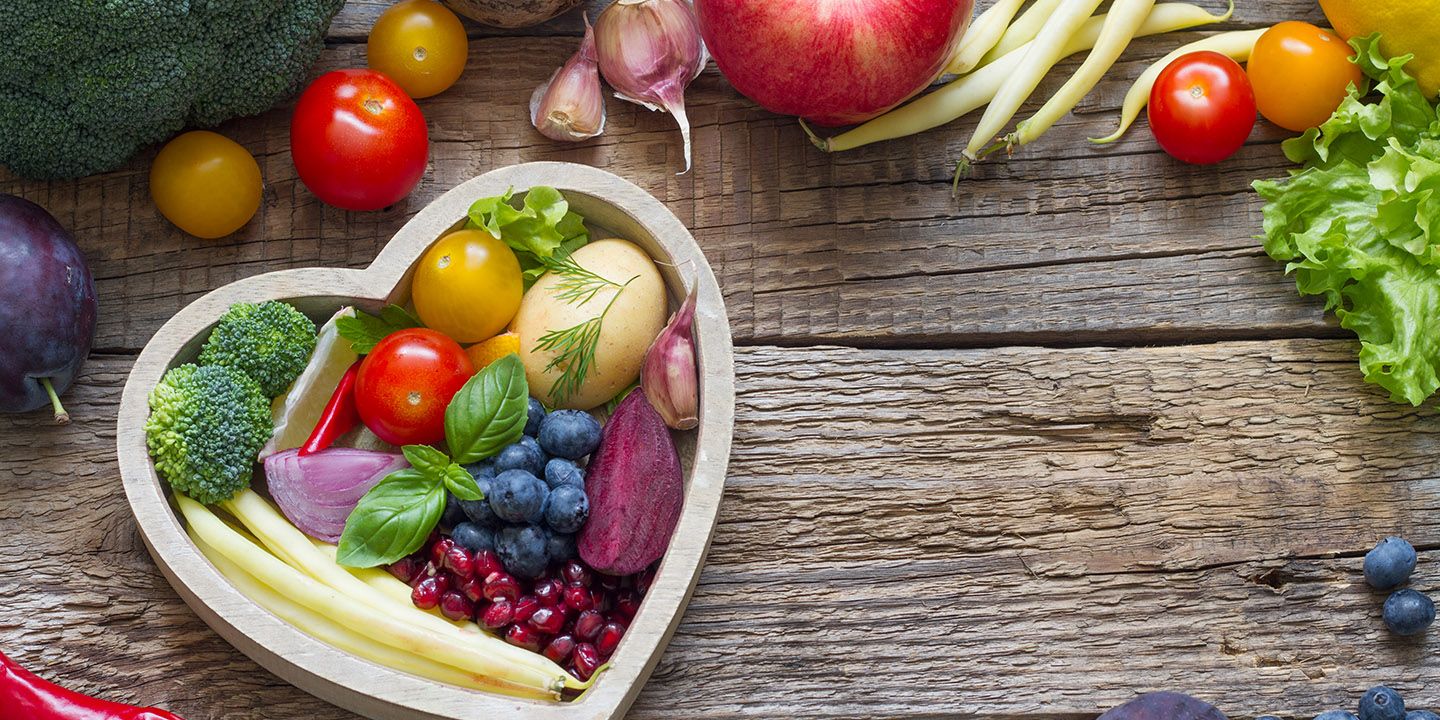
You walk out of the doctor's clinic with a blood report in your hand and a number circled in red. Cholesterol. Blood pressure. Sometimes both. The doctor has said what doctors say: eat better, exercise more, reduce stress. Still, when you are standing in the supermarket, none of that guidance directs you to where to begin. Every article online sounds either too clinical or too Western, full of foods you cannot find in your local bazaar or do not know how to cook in a way that the rest of the family will eat.
Food for heart health is not a complicated concept, but it does require some clarity about what actually works and why. The right foods, eaten consistently, can help lower LDL cholesterol, support healthy blood pressure, reduce inflammation, and protect arterial health. They work alongside medical care, not in place of it. And the good news for Indian households is that many of the most effective options are already in the kitchen. Here are fifteen of them, with a practical tip for each on how to make them genuinely enjoyable to eat.
Why Food Matters for Your Heart
Food affects cardiovascular health in several direct and specific ways. Saturated fat raises LDL cholesterol over time. Excess sodium pushes blood pressure higher. Refined sugar and ultra-processed foods drive inflammation that contributes to arterial damage. On the other side, fibre from whole grains and legumes helps improve the cholesterol profile. Omega-3 fatty acids support vascular health and a healthy heart rhythm. Antioxidants in fruits and vegetables reduce oxidative stress, which is part of long-term cardiovascular risk.
The American Heart Association, the National Heart, Lung, and Blood Institute, and major Indian cardiology bodies all point to the same consistent message: food for heart health works best when it is a daily pattern, not an occasional effort. A diet built around more whole foods, more plants, more healthy fats, and less salt and sugar produces cumulative benefits over months and years.
Fatty Fish and Plant Proteins
Strong omega-3 sources that support vascular health from the inside out.
1. Salmon
Salmon is rich in omega-3 fatty acids, which help lower blood pressure, reduce triglycerides, and support a healthy heart rhythm. It is one of the most consistently recommended foods for heart health across cardiology guidance.
Taste tip: Marinate with lemon juice, black pepper, and a spoonful of coriander-mint chutney before grilling. It tastes familiar without tasting medicinal.
2. Mackerel
Another strong omega-3 source, mackerel, fits naturally into Indian-style preparations and provides comparable cardiovascular benefits to salmon at a lower cost.
Taste tip: Cook with mustard seeds, curry leaves, green chilli, and a little coconut for a South Indian preparation that brings out the fish's natural richness without heaviness.
3. Walnuts
Walnuts contain plant-based omega-3 fats and are consistently linked with reduced inflammation and better arterial function. A small daily handful is adequate.
Taste tip: Soak overnight to reduce bitterness, then mix into curd with honey and sliced banana for a filling breakfast that does not feel like a health measure.
4. Flaxseeds
Flaxseeds provide both soluble fibre and plant omega-3 fats, supporting cholesterol control from two directions. Ground flaxseed is easier for the body to absorb than whole seeds.
Taste tip: Add one tablespoon of ground flaxseed to roti dough, dal, or curd. The flavour is subtle enough that most people do not notice it is there.
Fruits and Berries
Natural antioxidants that reduce the oxidative stress your heart works against every day.
1. Pomegranate
Pomegranate is rich in antioxidants that may help reduce oxidative stress and support blood vessel health. It is one of the more practical heart-friendly fruits for Indian households.
Taste tip: Add seeds to curd raita with a pinch of chaat masala and mint. It works as a side dish rather than just a snack.
2. Blueberries
Blueberries get a lot of mention in advice about eating for heart health, probably because of their antioxidant content and links with better heart-health markers in population studies.
Taste tip: Frozen blueberries are equally nutritious and more affordable. Blend into a smoothie with banana, curd, and a little honey for a quick breakfast.
3. Avocado
Avocado provides monounsaturated fats that support a healthier LDL cholesterol profile. Replacing butter or ghee with avocado in some preparations is a practical way to improve the overall fat quality of the diet.
Taste tip: Mash with lime juice, salt, and red chilli flakes. Spread on toast or eat with roti as a light meal.
4. Amla
Amla is rich in vitamin C and antioxidants and is a particularly strong fit as food for heart health in an Indian context. Regular use supports general vascular health.
Taste tip: Make a fresh chutney with coriander, green chilli, ginger, and a pinch of salt. It works with almost any meal and avoids the sugar load of commercial amla products.
Vegetables and Greens
The most accessible food for heart health is already sitting in most Indian kitchens.
1. Spinach
Leafy greens like spinach contain natural nitrates and a range of vitamins and minerals that support healthy blood vessel function and circulation.
Taste tip: Temper with cumin, garlic, and a pinch of hing. Finish by adding a squeeze of lemon juice just before serving. This version is genuinely enjoyable rather than obligatory.
2. Tomatoes
Tomatoes contain antioxidants, including lycopene, which is associated with cardiovascular benefits. They are already central to Indian cooking and do not require any special preparation.
Taste tip: Roast tomatoes before adding to dal or curry. Roasting deepens the flavour and reduces the need for added oil.
3. Garlic
Garlic contains compounds that may help support healthy blood pressure and vascular function. Its benefit comes from regular use in cooking, not from occasional supplementation.
Taste tip: Roast a whole head of garlic in the oven until soft, then mash it into dal or spread it on toast. Roasted garlic tastes sweet and mellow, not sharp.
4. Beetroot
Beetroot is a natural source of nitrates that may help dilate blood vessels and support lower blood pressure, making it a practical food for heart health that is widely available in India.
Taste tip: Roast with a little cumin, salt, and lemon juice, then add to raita. It becomes a side dish rather than a health drink you have to choke down.
Whole Grains and Legumes
Fibre-rich staples that do quiet, consistent work on cholesterol and blood pressure.
1. Oats
Oats are rich in beta-glucan, a soluble fibre consistently shown to help reduce LDL cholesterol as part of a heart-healthy diet. They are among the most evidence-backed foods for heart health available.
Taste tip: Make savoury oats upma with onions, tomatoes, green chilli, and curry leaves. This preparation suits Indian palates better than sweet oat porridge.
2. Rajma
Rajma and other legumes are rich in fibre, plant-based protein, folate, and magnesium, nutrients that contribute to better heart health and help regulate blood pressure. They are excellent for heart health requiring no ingredient hunting.
Taste tip: Soak overnight and pressure cook properly before preparing. A lighter masala with ginger, garlic, and tomato rather than a heavy cream-based gravy keeps the dish heart-friendly.
Spices
They provide small daily additions with meaningful anti-inflammatory support.
Turmeric
Turmeric contains curcumin, a compound with anti-inflammatory properties that may support cardiovascular health as part of an overall heart-conscious diet. It should be seen as a supportive addition to food for heart health, not a treatment.
Taste tip: Add consistently to dal, sabzi, and soups. A small amount of black pepper alongside turmeric improves curcumin absorption, so the combination in cooking is particularly practical.
Simple Patterns That Make These Foods Work Together
The most important thing to understand about food for heart health is that individual foods matter less than consistent daily patterns. A Mediterranean or DASH-style approach adapted to Indian cooking means more vegetables, more legumes, more whole grains, more nuts and seeds, more fish if non-vegetarian, and less fried food, salt, and refined sugar.
A heart-friendly Indian day might look like this:
- Breakfast: Oats upma or poha with vegetables
- Lunch: Dal, sabzi, and brown rice or phulka
- Snack: Fresh fruit with a small handful of walnuts
- Dinner: Grilled fish or rajma with vegetables
The repetition of these choices over months is what produces measurable improvement in cholesterol, blood pressure, and inflammation.
Foods to Reduce Alongside These
Adding food for heart health works best when combined with modest reductions in what works against it. Trans fats in packaged snacks and fried food raise LDL cholesterol and lower HDL. Excess sodium from pickles, papad, restaurant food, and processed snacks pushes blood pressure upward. Refined sugar and sweetened drinks contribute to inflammation and weight gain.
The approach is not restriction but substitution: replacing a handful of namkeen with walnuts, swapping white rice for brown rice occasionally, and choosing home-cooked meals over restaurant food more often. These are small changes that accumulate into meaningful cardiovascular benefits over time.
Conclusion
Food for heart health builds a strong foundation, but the heart is also one of the more complex organs in the body. A blocked artery, an irregular rhythm, or a sudden cardiac event can arrive without warning, even in people who eat well and exercise regularly. That is where the right health insurance plan becomes essential, not optional.
At Niva Bupa, comprehensive NRI health insurance cover cardiac hospitalisation, diagnostic investigations, specialist consultations, and surgical procedures, including angioplasty and bypass surgery, so that when something more serious than a cholesterol reading happens, your family is financially protected even while living abroad. Preventive wellness benefits, including regular health check-ups and cardiac screening, are also available under select plans, helping you track your heart health before a problem becomes a crisis.
Frequently Asked Questions
1. Can food alone manage high cholesterol without medication?
Diet can also contribute positively to controlling your cholesterol and should be tried first for mildly raised levels. Moderate to high cholesterol levels, especially those associated with risk factors for cardiovascular disease, normally require prescribed medication from your doctor. Food for your heart should complement (not substitute) your prescribed medical treatments.
2. How long does it take for dietary changes to affect cholesterol levels?
Most studies show measurable changes in LDL cholesterol within four to twelve weeks of consistent dietary improvements. Blood pressure improvements from sodium reduction and increased potassium intake can be seen somewhat faster. Consistency over months produces the most reliable results.
3. Is ghee bad for heart health?
A small amount of ghee as part of an overall healthy diet should not necessarily affect health. The total saturated fat intake for the diet as a whole is the problem. It would be better to substitute saturated fat sources such as cheese and pastries for heart-healthy unsaturated fats like the kind found in nuts, avocado and fatty fish rather than avoid ghee altogether.
4. Are Indian spices genuinely beneficial for the heart?
Turmeric, garlic, and fenugreek have compounds associated with cardiovascular benefit in research settings. Their effect as part of everyday cooking is supportive rather than therapeutic. They are valuable as consistent dietary additions, not as concentrated supplements or treatments.
Get right coverage, right premium and the right protection instantly.
 By clicking, I agree to Niva Bupa
 You may also like



Popular Searches
Health Insurance - Health Insurance | Best Family Health Insurance | Best Health Insurance For Senior Citizens In India | Health Insurance With Opd Cover | Mediclaim Insurance | Critical Illness Insurance | Personal Accident Insurance | Mediclaim Policy | Individual Health Insurance | Maternity Insurance | Best Health Insurance company | NRI Health Insurance
Health Insurance Schemes - PMMVY Login | PMJJBY Policy Status | Swasthya Sathi Card | PMSBY | PMJJBY | Ayushman Card | PMMVY 2.0 | Ayushman Vay Vandana Card | PMMVY NIC IN रजिस्ट्रेशन | PMMVY 2.0 लॉगिन
Travel Insurance Plans - Travel Insurance | International Travel Insurance | Student Travel Insurance | Travel Insurance USA | Travel Insurance Canada | Travel Insurance Thailand | Travel Insurance Germany | Travel Insurance Dubai | Travel Insurance Bali | Travel Insurance Australia | Travel Insurance Schengen | Travel Insurance Singapore | Travel Insurance UK | Travel Insurance Vietnam | Travel Insurance Japan | Travel Insurance Spain | Travel Insurance Asia | Travel Insurance Netherlands | Travel Insurance Turkey | Travel Insurance Ireland | Travel Insurance Phillipines | Travel Insurace Italy | Travel Insurance France | Travel Insurance China | Travel Insurance Georgia | Travel Insurance South Africa | Travel Insurance Maldives | Travel Insurance Portugal | Travel Insurance Malaysia | Travel Insurance Qatar | Travel Insurance Poland | Travel Insurance Greece | Travel Insurance New zealand | Travel Insurance Saudi Arabia | Travel Insurance Sri Lanka
Become an Agent - Insurance Agent | IRDA Certificate Download | IRDA Exam Syllabus | IRDA exam fee | Paise Kaise Kamaye | Ghar Baithe Paise Kaise Kamaye
Top Hospitals - Best Hospitals in Gurgaon
Others - Ayushman Bharat | Gst Refund for NRI on Health Insurance Premium
Health & Wellness - शिलाजीत के फायदे हिंदी | Weight Gain Diet in Hindi | Sat Isabgol Uses In Hindi | Aloe Vera Juice Benefits in Hindi | Dragon Fruit Benefits in Hindi | Akal Daad in Hindi | Acidity Home Remedies in Hindi | Nikat Drishti Dosh in Hindi | Yoga Benefits in Hindi | Laung Khane ke Fayde in Hindi | Leukoplakia in Hindi | Protien in 100g Paneer | Benefits of Rice Water For Skin | B12 Deficiency Symptoms in Hindi | Fibre Foods in Hindi | Chronic Disease Meaning in Hindi | Vitamin D Foods in Hindi | Blood Urea in Hindi | Beetroot Uses Good for Health
Calculator - BMI Calculator | Pregnancy Calculator | Pregnancy Calendar Based on Conception Date | Pregnancy Conception Date Calculator | Last Menstrual Period Calculator | BMR Calculator | GFR Calculator | Ovulation Calculator



www.nivabupa.com

+91 11 30902010

1860-500-8888

CIN: L66000DL2008PLC182918
IRDAI Registration No. 145

Corporate Office: 3rd Floor, Capital Cyberscape, Sector 59, Gurgaon
Registered Office: C-98, First Floor, Lajpat Nagar, Part 1, Delhi-110024, India


