

Gout Disease: Causes, Symptoms & Treatment
18 July, 2025
4 Shares
338 Reads
Good health is about finding balance, and sometimes, when that balance tips even slightly, the body lets you know. One such signal is joint pain. When it unexpectedly occurs with increasing age, it affects even the most active. There is a chance of minor joint pain today becoming a much bigger issue like Gout tomorrow.
Gout disease is a condition that’s often associated with ageing. In reality, it affects all individuals regardless of age. This build-up can lead to painful joint discomfort over time. However, knowledge is the first line of defence. Let us explore what causes gout and how you can reduce your risk by staying just a little more mindful every day.
What Exactly is Gout?
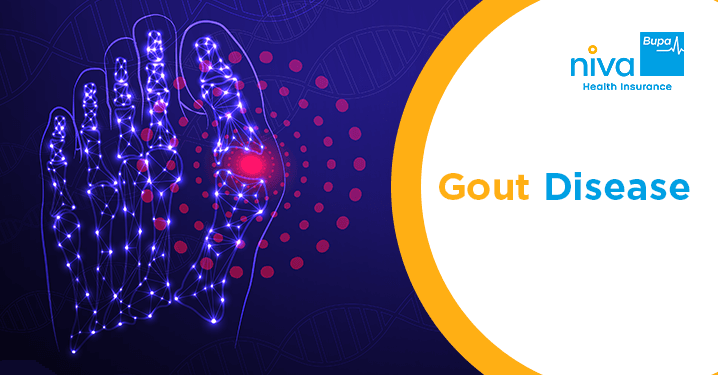
Gout disease is an inflammatory arthritis. High levels of uric acid in the blood are a primary cause. When this acid forms sharp crystals, they can get into your joints. These crystal formations lead to swelling and redness, along with severe pain. The big toe is primarily the area most affected by this discomfort.
Although the condition is known to flare up suddenly, its root cause develops slowly over time. In several cases, the body produces uric acid in excess or even fails at its proper elimination. This ultimately results in the accumulation of urate crystals, leading to gout attacks.
Unlike some forms of arthritis that gradually worsen, gout disease often comes in sudden and severe episodes.
What are the Most Common Gout Symptoms?
Recognising gout symptoms early can help you respond faster and more effectively. They tend to appear suddenly and often at night, catching many people off guard. If left unmanaged, they may last for a few days or extend over a week. The pain often begins to reduce gradually, but the discomfort can linger.
Here are the common symptoms of gout to look out for:
- A sudden wave of sharp pain hits, often in the big toe, ankles, knees, or fingers, making it hard to ignore.
- The joint swells up and feels sore. Even the lightest touch can be uncomfortable.
- You might notice the skin around the joint turning red and feeling unusually warm, much like it would during an infection.
- Moving the joint becomes tough, and it may feel stiff not just during the flare-up but even after the pain eases.
What are the Main Gout Causes?
Understanding the causes of Gout gives you an advantage. If you know what triggers it, you are in a better position to prevent it. The following are some of the key reasons why uric acid levels may rise in the body and trigger gout:
Diet Rich in Purines
Foods high in purines, like red meat, organ meat, and certain seafood, break down into uric acid during digestion. Frequent consumption may increase the likelihood of developing gout.
Alcohol Intake
Especially beer and spirits. Alcohol interferes with uric acid elimination, causing it to build up in the blood.
Dehydration
When you don't drink enough water, your kidneys become less effective at clearing uric acid.
Medical Conditions
High blood pressure, diabetes, and obesity are known contributors to increased uric acid production.
Genetics
Sometimes, your family history plays a role. If close relatives have had gout, your risk could be higher too.
Gout and Its Impact on Daily Life
Living with gout disease can be limiting, especially when the attacks become frequent. Tasks as simple as walking or holding a cup can become challenging during flare-ups.
What adds to the difficulty is that the pain arrives without warning. You may go to bed feeling fine and wake up unable to put weight on your foot.
Often, the emotional strain gets overlooked in front of the physical pain. People feel frustrated when their mobility is impacted, even if temporarily. That’s why long-term care and mindful living are critical when managing gout.
Effective Gout Treatment Approaches
The good news is that gout treatment is available, and most people respond well to it with timely diagnosis and the right plan.
Here are the common ways healthcare providers approach gout treatment:
Medications
Doctors often prescribe nonsteroidal anti-inflammatory drugs (NSAIDs) to reduce pain and inflammation. In severe cases, colchicine or corticosteroids may be suggested.
Urate-lowering Therapy
Long-term medicines like allopurinol help reduce uric acid levels in the body, preventing future attacks.
Lifestyle Changes
Managing weight, staying hydrated, and reducing purine intake play a significant role in gout treatment.
Routine Monitoring
Regular blood tests to monitor uric acid levels help track progress and adjust treatment accordingly.
Gout Remedies That Can Support Healing
While medical care is essential, home remedies for gout support long-term healing. These do not replace your treatment but complement it.
Let’s explore some easy-to-follow gout remedies:
- Hydration: Drinking 8–12 glasses of water a day flushes uric acid out of your system.
- Cherry Juice: Some studies suggest that cherry juice reduces inflammation and uric acid levels.
- Cold Compresses: Applying ice packs to the affected area for 20 minutes can reduce swelling and relieve pain.
- Magnesium Intake: This mineral may help reduce uric acid in those with a deficiency.
- Limit Sugar and Refined Carbs: Especially fructose-sweetened beverages, which may trigger flare-ups.
How is Gout Diagnosed?
Getting diagnosed early allows your treatment to start before the condition worsens. That’s why it’s important not to ignore the signs of gout. If you’ve experienced a sudden joint pain episode, your doctor may suggest the following tests:
- Blood Test: To check uric acid levels.
- Joint Fluid Test: A needle is used to take fluid from the affected joint to look for uric acid crystals.
- X-rays or Ultrasound: Helpful in identifying joint damage or fluid build-up.
Conclusion
Gout disease can sneak up when least expected, but that doesn’t mean it has to take over your life. With better knowledge of symptoms, the root causes, and available treatments, you are more empowered than ever to take charge of your health.
By adopting smart lifestyle choices and considering medical guidance, managing Gout becomes less stressful. Alongside this, exploring suitable health insurance plans like ours that support diagnostics, routine consultations, and long-term care can help you handle the financial side of chronic conditions.
At Niva Bupa, we believe that proactive care begins with informed choices. Let your body’s signs guide you toward a more balanced life, where pain doesn’t have to be part of your daily rhythm.
FAQs
Which joints are most commonly affected by gout?
Gout usually starts in the big toe but can also affect the ankles, knees, elbows, wrists, and fingers. Over time, it may move from one joint to another during flare-ups.
Is gout only a concern for older adults?
No. While gout is common among older adults, it can affect younger people too, especially those with unhealthy diets, high alcohol intake, or a family history of the disease.
How is gout diagnosed by doctors?
Doctors usually check your symptoms, medical history, and uric acid levels through a blood test. Sometimes, joint fluid is also tested to confirm the presence of uric acid crystals.
Can gout be completely cured?
Gout cannot be completely cured, but it can be well managed. With proper medication, dietary care, and regular health monitoring, many people live symptom-free for long periods.
How does health insurance help in managing gout?
Health insurance helps cover the costs of doctor visits, diagnostic tests, and medications. It offers support in the form of affordable long-term care, making treatment affordable and stress-free.
When should I see a doctor about joint pain?
If your joint pain appears suddenly, worsens quickly, or keeps returning, it’s best to consult a doctor. Early diagnosis can prevent lasting joint damage and improve overall health outcomes.
Get right coverage, right premium and the right protection instantly.
 By clicking, I agree to Niva Bupa
 You may also like

Popular Searches
Health Insurance - Health Insurance | Best Family Health Insurance | Best Health Insurance For Senior Citizens In India | Health Insurance With Opd Cover | Mediclaim Insurance | Critical Illness Insurance | Personal Accident Insurance | Mediclaim Policy | Individual Health Insurance | Maternity Insurance | Best Health Insurance company | NRI Health Insurance
Health Insurance Schemes - PMMVY Login | PMJJBY Policy Status | Swasthya Sathi Card | PMSBY | ABHA Card Download | PMJJBY | Ayushman Card | PMMVY 2.0 | Ayushman Vay Vandana Card | PMMVY NIC IN रजिस्ट्रेशन | PMMVY 2.0 लॉगिन
Travel Insurance Plans - Travel Insurance | International Travel Insurance | Student Travel Insurance | Travel Insurance USA | Travel Insurance Canada | Travel Insurance Thailand | Travel Insurance Germany | Travel Insurance Dubai | Travel Insurance Bali | Travel Insurance Australia | Travel Insurance Schengen | Travel Insurance Singapore | Travel Insurance UK | Travel Insurance Vietnam | Travel Insurance Japan | Travel Insurance Spain | Travel Insurance Asia | Travel Insurance Netherlands | Travel Insurance Turkey | Travel Insurance Ireland | Travel Insurance Phillipines | Travel Insurace Italy | Travel Insurance France | Travel Insurance China | Travel Insurance Georgia | Travel Insurance South Africa | Travel Insurance Maldives | Travel Insurance Portugal | Travel Insurance Malaysia | Travel Insurance Qatar | Travel Insurance Poland | Travel Insurance Greece | Travel Insurance New zealand | Travel Insurance Saudi Arabia | Travel Insurance Sri Lanka
Become an Agent - Insurance Agent | Insurance Advisor | Licensed Insurance Agent | Health Insurance Consultant | POSP Insurance Agent | IRDA Certificate Download | IC 38 Exam | Insurance Agent vs POSP | IRDA Exam Syllabus | IRDAI Agent Locator | IRDA exam fee | Paise Kaise Kamaye | Ghar Baithe Paise Kaise Kamaye
Top Hospitals - Best Hospitals in Chennai | Top Hospitals in Delhi | Best Hospitals in Gurgaon | Best Hospitals in India | Top 10 Hospitals in India | Best Hospitals in Hyderabad | Best Hospitals in Kolkata | Best cancer hospitals in Bangalore | Best cancer hospitals in Hyderabad | Best cancer hospitals in Mumbai | Best cancer hospitals in India | Top 10 cancer hospitals in India
Others - Ayushman Bharat | Gst Refund for NRI on Health Insurance Premium | Health Insurance Tax Deductible
Health & Wellness - शिलाजीत के फायदे हिंदी | Weight Gain Diet in Hindi | Sat Isabgol Uses In Hindi | Aloe Vera Juice Benefits in Hindi | Dragon Fruit Benefits in Hindi | Akal Daad in Hindi | Acidity Home Remedies in Hindi | Nikat Drishti Dosh in Hindi | Yoga Benefits in Hindi | Laung Khane ke Fayde in Hindi | Leukoplakia in Hindi | Protien in 100g Paneer | Benefits of Rice Water For Skin | B12 Deficiency Symptoms in Hindi | Fibre Foods in Hindi | Chronic Disease Meaning in Hindi | Vitamin D Foods in Hindi | Blood Urea in Hindi | Beetroot Uses Good for Health
Calculator - BMI Calculator | Pregnancy Calculator | Pregnancy Calendar Based on Conception Date | Pregnancy Conception Date Calculator | Last Menstrual Period Calculator | BMR Calculator | GFR Calculator | Ovulation Calculator



www.nivabupa.com

+91 11 30902010

1860-500-8888

CIN: L66000DL2008PLC182918
IRDAI Registration No. 145

Corporate Office: 3rd Floor, Capital Cyberscape, Sector 59, Gurgaon
Registered Office: C-98, First Floor, Lajpat Nagar, Part 1, Delhi-110024, India


