



10 Lakh Health Insurance Plan in India
Solid coverage of ₹10 Lakh for hospitalisation, treatments, and emergencies. Get strong protection at an affordable price.
19,000+ Network Health Eco-System
30 Mins Cashless Claim Policy
2.5 Crore+ Happy customers
95.6% Claim Settlement Ratio
Start your Health cover
With Niva Bupa Today!
Rated by mint as India's Best Health Insurer 2024
Benefits of Health Insurance Plans for 10 Lakhs
There are several benefits of health insurance 10 lakhs. Some of them are mentioned below.
Cashless Hospitalisation:
10 lakh health insurance plans provide cashless hospitalisation facilities, eliminating the need for policyholders to pay upfront for medical expenses. This means policyholders can access medical treatment at any network hospital, both locally and nationally, without having to make immediate payments
10 Lakh Health Insurance | Premiums and Coverage
₹10 lakh health insurance is a plan that pays up to ₹10 lakh a year for covered hospital treatment. You pay a yearly premium, and the insurer settles eligible bills, either directly with the hospital or by reimbursement, until the limit is used. It covers admission, expenses before and after hospitalisation, day care procedures and ambulance charges, with enough room for costly care such as cardiac procedures or cancer treatment.
How Much Hospitalisation Can ₹10 Lakh Health Insurance Cover?
How much of a hospital bill ₹10 lakh health insurance pays depends on three things: the type of hospital, the treatment and your policy terms. The benchmarks and examples below show where common hospital costs sit against a ₹10 lakh limit.
Hospitalisation Cost Benchmarks
Average cost is the average out-of-pocket medical spend per hospitalisation case, excluding childbirth. Private hospitals include government-empaneled ones. Capacity is ₹10 lakh divided by the average, rounded down
Selected High-Cost Treatments
Costs for angioplasty, knee replacement, and bypass are based on CGHS package rates. The cancer figure reflects the average total treatment cost reported in a peer-reviewed study. Actual costs may be higher in private healthcare facilities.
Scenario 1: A Heart Procedure and a Hospital Stay
Consider Mr Sharma, 64, who has an angioplasty and later a follow-up stay at a government hospital in the same policy year
He uses ₹90,356 across both events, which is 9.0% of the cover.
The stent is billed separately and is not included. The balance is a simple subtraction from ₹10 lakh, not a prediction of what an insurer will pay.
Scenario 2: A Cancer Diagnosis
Consider Meera, 52, who starts breast cancer treatment and later has a complication that needs a private hospital stay.
She uses ₹3,08,603 across both events, which is 30.9% of the cover.
The balance is a simple subtraction from ₹10 lakh, not a prediction of what an insurer will pay.
Who Should Consider ₹10 Lakh Health Insurance?
₹10 lakh health insurance suits city residents, families with children, married couples, self-employed professionals, and older adults. It covers the costliest treatments in this guide, with most of the limit left over.
Individuals Seeking Higher Cover
A basic plan is enough for a routine admission, but costs rise fast when you choose private care. A private hospital stay costs about 7.6 times as much as a public one, and a ₹10 lakh limit lets you choose a hospital on medical grounds, not on cost.
Married Couples
On a joint plan, two people share one limit. About 3 in every 100 people are hospitalized in a year, and an average stay uses only 3.4% of ₹10 lakh, so a couple has enough cover even if both need treatment in the same year.
Scenario: A Couple Planning Their First Child
Consider Ria and Karan, both 31, who live in Pune and hold a ₹10 lakh joint plan. They are planning their first baby, and Karan has a hospital admission during the same year.
Together they use ₹61,630, which is 6.2% of the cover.
Cover that fits:
- Niva Bupa Aspire with the M-iracle benefit: It covers maternity and newborn expenses, and a ₹10 lakh sum insured is available.
- Buy early: The maternity waiting period depends on the Aspire variant, and it ranges from 9 months to 4 years, so Ria and Karan should buy before they start planning.
- A joint plan- one ₹10 lakh limit covers both partners and leaves over 93% for the baby's first year.
Metro-City Residents
Hospital bills run higher in cities. An urban hospital stay costs ₹38,688 on average, about 23% more than the rural average of ₹31,484, and urban residents are admitted more often (3.2 in 100, against 2.7 in 100 in rural areas). A ₹10 lakh limit matches those higher costs.
Families With Children
Children aged 0 to 4 are hospitalised more often than any other young age group, at 3.4 in 100 a year. A family floater lets every member draw on one ₹10 lakh limit, and Niva Bupa ReAssure 2.0 restores the sum insured after a claim, so cover is still there for a second hospital stay.
Self-Employed Professionals
If you work for yourself, there is no employer cover to fall back on, and a hospital stay costs you twice: the bill and the days away from clients. About 13 in every 100 people reported an illness in a 15-day period in 2025, so a ₹10 lakh plan lets you handle the bill and focus on getting back to work.
Scenario: A Self-Employed Professional's Heart Surgery
Consider Sandeep, 47, a freelance architect in Bengaluru. He has no employer cover and holds a ₹10 lakh individual plan. He needs bypass surgery and has a follow-up admission a few months later.
Together, he uses ₹1,85,666, which is 18.6% of the cover.
Cover that fits:
- Niva Bupa ReAssure 2.0 as an individual plan. It offers ₹10 lakh as a sum insured option, and it restores the sum insured after a claim, so cover is still there if he needs a second admission.
- Cashless treatment. The insurer pays the hospital directly, so Sandeep does not have to arrange a large payment during his recovery.
- A policy in his own name. It stays with him if he changes clients or cities, and he still has over 80% left after surgery and a follow-up.
Older Adults and People Managing Existing Health Conditions
Health needs tend to grow with age, and conditions that appear later in life, such as heart and joint problems, often mean longer stays and repeat visits. A ₹10 lakh limit gives you room for both. Niva Bupa Senior First is designed for senior citizens and offers ₹10 lakh as a sum insured option. If you already have a health condition, declare it accurately when you apply and check its waiting period, since both affect when and how a claim is paid.
Scenario: A Retired Couple's Year With Three Hospital Visits
Consider Mr Verma, 63, who lives in Delhi and holds a ₹10 lakh health plan. He is retired and has no employer cover. Because people his age are hospitalised more often, he has three admissions in one year.
After all three admissions, Mr Verma has used ₹2,27,516, which is 22.8% of his cover.
What a lower limit would have meant
With a ₹5 lakh plan, almost half the cover would be gone, with the rest of the year still ahead. With ₹10 lakh, he still has about 77% left for a fourth admission or a more serious illness.
Why Should You Consider ₹10 Lakh Health Insurance?
You should consider ₹10 lakh health insurance if you want a limit that pays for expensive treatment in full, stays available across more than one claim, works alongside employer cover, and keeps protecting you as your health needs grow.
Covers Higher Hospitalisation Costs
Heart procedures, joint replacements and cancer care cost far more than a routine admission. A ₹10 lakh limit is large enough to pay for these treatments in full, so a high bill does not stop halfway through your care.
Provides a Larger Financial Buffer
Hospital bills rarely match the first estimate. A longer stay, extra ICU days, or follow-up tests can all add up. A bigger limit absorbs these changes and keeps your savings untouched.
Helps Manage Multiple Claims
A health problem seldom ends with one admission. Surgery is often followed by a readmission or a related procedure. With ₹10 lakh, each claim draws on the same limit, and enough of it stays available for the next one.
Complements Employer Health Insurance
Your employer sets the limit on group cover, and it usually ends when you leave the job. A personal ₹10 lakh plan stays with you, and it covers the gap when the group limit runs out, or you change companies.
Supports Long-Term Healthcare Needs
Hospital visits grow more common with age. About 4.2 in every 100 people aged 45 to 59 are hospitalised each year, and the rate rises further after 60. Buying in your 30s or 40s lets you serve waiting periods before you need the cover.
What Does ₹10 Lakh Health Insurance Cover?
₹10 lakh health insurance covers hospital admission, expenses before and after hospitalisation, day care treatments, ambulance, home healthcare, organ donor expenses, modern treatments and AYUSH treatment. All claims are paid from the ₹10 lakh limit.
Hospitalisation Expenses
Room rent, ICU charges, doctor and surgeon fees, medicines, tests and operation theatre costs are covered when you are admitted. In Niva Bupa ReAssure 2.0, a stay of 2 hours or more qualifies, and room rent and ICU charges are covered up to the sum insured without a cap.
Pre- and Post-Hospitalisation Expenses
Consultations, medicines, physiotherapy and diagnostic tests are covered before you are admitted and after you are discharged. In ReAssure 2.0, the window is 60 days before admission and 180 days after discharge, for the same condition.
Scenario: One Surgery, Followed Month by Month
Consider Arvind, 44, from Lucknow, who holds a ₹10 lakh ReAssure 2.0 plan. He has a planned gallbladder surgery, and his follow-up visits stretch over several months.
Arvind's claim covers everything from his first tests to his follow-up scan. The check-up at day 200 falls outside the window, so he pays for it himself.
Day Care Treatments
Many procedures no longer need an overnight stay, such as dialysis, chemotherapy and cataract surgery. They are covered when the treatment takes place in a hospital, even if you go home the same day.
Ambulance Expenses
The cost of an emergency ambulance to the hospital is covered up to the limit in your policy. Some plans also cover air ambulance in emergencies, usually with a separate cap, and ask you to use a registered provider.
Organ Donor Expenses
If you need an organ transplant, the donor's hospital expenses for harvesting the organ are covered. The plan pays this only when your own hospitalisation claim is paid.
Annual Health Check-Up
Many health plans include a yearly health check-up for the insured members, so you can track your health and catch problems early. The tests you get and the number of members covered depend on the plan, so check the list of included tests in the policy wording.
AYUSH Treatment
In-patient treatment under Ayurveda, Yoga, Naturopathy, Unani, Siddha and Homoeopathy is covered up to the sum insured. You need to stay at least 24 hours in an AYUSH hospital, and the cover applies in India only.
What Is Not Covered Under ₹10 Lakh Health Insurance?
₹10 lakh health insurance does not cover treatment during waiting periods, cosmetic procedures, routine dental and vision care, self-inflicted injuries and substance-related treatment, unproven treatments, treatment outside the policy terms, and non-medical items such as gloves and masks.
Pre-Existing Disease Waiting Period
Health conditions diagnosed prior to purchasing the policy are excluded during waiting periods, typically lasting 36 to 48 months depending on the policy variant. A standard 30-day initial waiting period applies to new illnesses, while specific listed conditions such as cataracts or hernias carry a dedicated 24-month waiting period.
Cosmetic and Non-Medical Treatments
Procedures performed for aesthetic enhancement, appearance modification, or lifestyle preferences, including cosmetic surgery and weight management treatments, are excluded. Non-essential procedures that do not restore impaired physical function are omitted from standard policy coverage.
Routine Dental and Vision Care
Outpatient healthcare, routine dental procedures, corrective eye spectacles, contact lenses, and refractive laser surgeries are excluded. Dental treatments and visual aids are not covered unless specifically required as part of direct inpatient care.
Self-Inflicted Injuries and Substance-Related Treatment
Treatment for intentional self-harm or suicide attempts is excluded. Policies do not cover medical expenses arising from drug addiction, alcoholism, or substance abuse. Expenses for injuries resulting from unlawful activities or participation in hazardous adventure sports are also omitted.
Experimental and Unproven Treatments
Medical procedures, unapproved drugs, and therapies lacking established clinical evidence or regulatory recognition are excluded. Non-standard remedies and unverified experimental medical protocols receive no insurance reimbursement.
Treatment Outside the Policy Terms
Treatment received outside recognised medical facilities, care provided by unaccredited doctors, or procedures performed outside India are excluded. Outpatient visits and hospital stays that do not meet the minimum required admission duration of two hours are omitted.
Non-Medical and Consumable Expenses
Single-use non-medical items and administrative hospital consumables, including surgical gloves, face masks, gowns, and syringes, are excluded under standard terms. Policyholders must pay for these non-payable hospital items out-of-pocket unless covered by add-on riders.
What Is the Waiting Period for ₹10 Lakh Health Insurance?
A ₹10 lakh health insurance policy requires an initial 30-day wait for new illnesses, a 24-month wait for specific named procedures (like cataracts and hernias), and up to a 36-month wait for pre-existing diseases, while accidental emergencies are covered immediately from Day 1.
What Is the Eligibility Criteria for ₹10 Lakh Health Insurance?
To be eligible for a ₹10 lakh health insurance policy, adult applicants must be aged 18 or above (with dependent children covered from 91 days onwards), reside in India, and fully declare their prior medical history during the proposal process.
While a ₹10 lakh sum insured offers extensive financial backing for major medical treatments, eligibility parameters and underwriting criteria determine final approval, medical check-up requirements, and premium pricing.
How to Buy ₹10 Lakh Health Insurance?
Buying a ₹10 lakh health insurance policy requires evaluating your coverage needs, shortlisting comprehensive plans, submitting medical details, and paying the premium online for instant digital policy issuance.
Assess Your Healthcare Coverage Needs
To select the correct plan structure and riders, you must evaluate your family composition, existing health history, and financial budget before starting your search.
Compare ₹10 Lakh Health Insurance Plans
Explore multiple product offerings online to compare base benefits, sum insured restoration features, room rent limits, and network health eco-system across preferred insurers.
Check Coverage, Limits and Exclusions
Review the fine print to confirm that the policy provides comprehensive coverage for pre- and post-hospitalisation expenses, day-care procedures, and modern treatments while checking permanent exclusions.
Review Your Policy Documents
Download your electronic policy schedule and digital health cards from your registered email, verifying all member details and terms within the initial free-look window.
Review Waiting Periods and Eligibility
Ensure you meet age and residency requirements, and carefully check mandatory waiting timelines for initial illnesses, listed specific diseases, and pre-existing medical conditions.
Calculate the Premium You Can Afford
Depending on city, family members, and tenure, your final policy quote will adjust to reflect local healthcare costs, the number of covered lives, and multi-year payment discounts.
- City: Insurers categorise locations into pricing zones. Living in high-cost metro hubs increases the premium compared to smaller towns, while your PIN code determines your local cashless network health eco-system.
- Family Members: Individual plans allocate a separate ₹10 lakh limit and premium to each person. Family floaters offer one shared ₹10 lakh pool at a single premium calculated on the eldest member's age.
- Policy Tenure: Opting for a two- or three-year policy locks in your premium rate against annual price hikes and provides upfront multi-year tenure discounts.
Select the Policy and Add-ons
Pick your preferred policy variant and enhance your plan with optional riders like non-medical item protection, hospital cash allowance, or critical illness boosters.
Submit Your Application and Documents
Fill out the online proposal form with complete personal and health declarations, and upload identity, address, and age proofs (such as Aadhaar, PAN card, or Passport) along with any required medical reports.
Pay the Premium and Complete the Purchase
Complete your payment through secure digital transaction portals using net banking, UPI, or credit/debit cards, opting for annual or multi-year terms to secure available discounts.
Which Niva Bupa Health Plans Complement a ₹10 Lakh Sum Insured?
A ₹10 lakh sum insured provides strong financial protection for major hospitalisations and critical illnesses. Depending on your needs, a ₹10 lakh limit can serve as a primary base policy, a substantial top-up safety net, or an essential sum insured tier.
Always verify current plan variants, eligibility guidelines, and premium details on the official insurer website before purchasing.
Why Choose Niva Bupa for ₹10 Lakh Health Insurance?
Niva Bupa provides ₹10 lakh health plans, including popular options like Aspire and ReAssure 2.0, supported by a network health eco-system of over 19,000+ hospitals, fast 30-minute pre-authorisation decisions, and fully digital account management.
Core Plan Specifications for ₹10 Lakh Coverage
Policies like Aspire and ReAssure 2.0 give you high base hospitalisation limits, zero room-rent caps, and long-term premium lock-in advantages.
Customisation Options
You can take a ₹10 lakh policy for yourself or share it across your household under a family floater. Plans come with 1-, 2-, or 3-year term options, offering discounts when you pay upfront for multiple years. If you want higher financial protection later on, you can attach a super top-up plan like Health Recharge (up to ₹95 lakh cover) to expand your limit without replacing your base policy.
Accessing the Network Health Eco-System
Niva Bupa's network health eco-system spans more than 19,000 partner hospitals across the country. When seeking cashless treatment within this network health eco-system, show your physical or digital health card alongside a government photo ID at the hospital desk. The hospital sends a pre-authorisation form, and the insurer settles approved bills directly. If you receive treatment outside the network health eco-system, pay the hospital directly and submit your bills for reimbursement, making sure to inform Niva Bupa within 48 hours of admission.
Claims Processing & Support
Pre-authorisation requests on active policies are typically processed within 30 minutes once all required documents are in order. You can manage policy requests or file claims online through WhatsApp, the official website, or the mobile app, with round-the-clock customer help available at 1860-500-8888.
Digital Account Management
You can calculate premiums, compare plan details, and buy or renew your coverage online. Once issued, your policy schedule, digital health cards, and claim updates stay accessible directly from your phone or email.


Frequently Asked Questions
Our Satisfied
Customers
Watch what our customers are saying. REAL STORIES with REAL IMPACT!

Vippan Kapur
It is unbelievable how Niva Bupa claim team came to my aid, Monday to Sunday no day off.

Meenakshi Khanna
Within few hours we got the claim number and in the next three days the amount was reflected in our bank account.
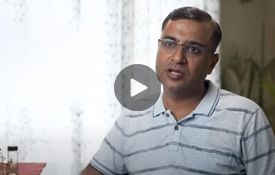
Vijay Kapoor
With the help of Niva Bupa Health Insurance, I was able to get my son treated without worrying about the high medical cost.

Diviay Chadha
Whenever we have filed for a claim with Niva Bupa, the process was very smooth and people were very helpful.
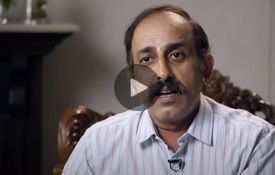
Parveen Singh
The Niva Bupa team was extremely helpful, be it day or night, someone was always available.
Health and Wellness Blogs
Health and Wellness Blogs





www.nivabupa.com

+91 11 30902010

1860-500-8888

CIN: L66000DL2008PLC182918
IRDAI Registration No. 145

Corporate Office: 3rd Floor, Capital Cyberscape, Sector 59, Gurgaon
Registered Office: C-98, First Floor, Lajpat Nagar, Part 1, Delhi-110024, India


