

Paralysis: Causes, Types, and Rehabilitation Options
27 June, 2025
4 Shares
364 Reads
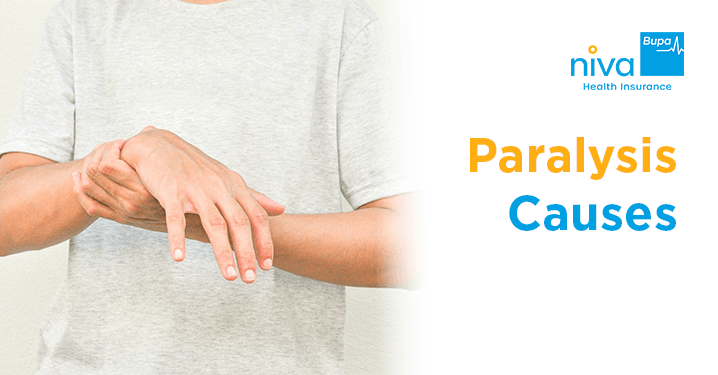
Paralysis is a life-altering condition that affects millions of people worldwide. It can occur suddenly due to an accident or gradually due to an underlying medical condition. Understanding paralysis causes, its different types, and available rehabilitation options can help individuals and their families manage the condition effectively. This guide will walk you through everything you need to know about body paralysis and how to navigate life after diagnosis.
What is Paralysis?
Paralysis is the loss of muscle function in one or more body parts. Depending on its cause and severity, it can be temporary or permanent, partial or complete. The condition occurs when nerve damage or injury disrupts communication between the brain and muscles.
What Causes Paralysis?
Understanding how paralysis happens is crucial for both prevention and treatment. The condition arises from damage to the nervous system, which can be caused by various factors, including:
1. Stroke
One of the leading causes of paralysis, stroke, occurs when the blood supply to the brain is blocked or when a blood vessel bursts. This can result in loss of motor function on one side of the body.
2. Spinal Cord Injury
Severe injuries to the spinal cord from accidents, falls, or sports-related injuries can cause partial or complete body paralysis.
3. Neurological Disorders
Conditions like Multiple Sclerosis (MS), Amyotrophic Lateral Sclerosis (ALS), and Guillain-Barré Syndrome can lead to progressive muscle weakness and paralysis.
4. Infections
Certain infections like meningitis and polio can damage nerves and result in paralysis.
5. Brain Injuries
Traumatic brain injuries from accidents or medical conditions like brain tumors can disrupt muscle control and lead to paralysis.
6. Autoimmune Diseases
Diseases such as Myasthenia Gravis can cause muscle weakness and paralysis due to the immune system attacking nerve-muscle connections.
7. Congenital Disorders
Some individuals are born with conditions like cerebral palsy that affect muscle function from birth.
Types of Paralysis
Paralysis can be classified based on its severity and the body part affected. Here are the major types:
1. Partial vs. Complete Paralysis
- Partial Paralysis: Some muscle control remains, though it is weakened.
- Complete Paralysis: No muscle function in the affected area.
2. Localised vs. Generalised Paralysis
- Localised Paralysis: Affects a specific area, such as the face or hand.
- Generalised Paralysis: Involves larger parts of the body or multiple limbs.
3. Monoplegia, Hemiplegia, Paraplegia, and Quadriplegia
- Monoplegia: Affects one limb.
- Hemiplegia: Affects one side of the body.
- Paraplegia: Affects both legs and lower body.
- Quadriplegia: Affects both arms and legs, often due to spinal cord injury.
Rehabilitation and Treatment Options for Paralysis
Although paralysis can be challenging, various rehabilitation strategies can help improve mobility and quality of life.
1. Physical Therapy
It helps strengthen muscles and improve coordination. Includes exercises, stretching, and mobility training.
2. Occupational Therapy
It focuses on helping individuals regain independence in daily activities. It uses adaptive equipment and strategies to improve quality of life.
3. Medications
- Muscle relaxants help reduce spasticity.
- Nerve pain medications can help manage discomfort.
- Blood thinners may be prescribed in cases of stroke-induced paralysis.
4. Surgical Interventions
Surgery is sometimes required to repair nerve damage or improve mobility. Procedures like tendon transfers and deep brain stimulation are used in certain conditions.
5. Assistive Devices
Wheelchairs, braces, and prosthetic devices can aid in mobility. Advanced technologies like exoskeletons are improving movement for people with paralysis.
6. Psychological and Emotional Support
Living with paralysis can be emotionally challenging. Counseling and support groups can provide emotional resilience and coping strategies.
7. Stem Cell Therapy and Experimental Treatments
Research is ongoing into using stem cells and nerve regeneration techniques to restore movement. While still experimental, these treatments offer hope for future advancements.
How to Prevent Paralysis?
While not all cases of paralysis are preventable, some steps can reduce the risk:
1. Manage Chronic Conditions
- Controlling high blood pressure and diabetes can lower stroke risk.
2. Avoid Head and Spinal Injuries
- Wear seatbelts helmets, and follow safety precautions while driving and playing sports.
3. Stay Physically Active
- Regular exercise keeps muscles strong and improves circulation.
4. Get Vaccinated
- Vaccines like the polio vaccine can prevent paralysis caused by infections.
5. Recognise Stroke Symptoms Early
- Quick medical intervention for stroke can prevent permanent paralysis.
Conclusion
Paralysis can be a life-changing condition, but with the right medical support, therapy, and lifestyle adaptations, individuals can lead fulfilling lives. Rehabilitation options, assistive devices, and ongoing medical research offer hope for better mobility and independence. If you or a loved one is navigating paralysis, having the right health insurance can ease the financial burden. Niva Bupa offers comprehensive medical insurance plans covering rehabilitation, therapy, and advanced treatments, ensuring access to the best care.
By understanding how to prevent paralysis and exploring available treatment options, individuals can take proactive steps toward better health and recovery. If you or someone you know is affected by body paralysis, seeking expert medical advice and rehabilitation support is the key to improving your quality of life.
Frequently Asked Questions (FAQs)
1. Can paralysis be cured completely?
It depends on the cause and severity of paralysis. Some cases, like those caused by temporary nerve compression, may be reversible, while others, such as complete spinal cord injuries, may require lifelong management.
2. What is the fastest way to recover from paralysis?
Recovery depends on timely medical intervention, physical therapy, and lifestyle changes. Regular exercise, rehabilitation therapies, and assistive devices can help regain some mobility.
3. How does health insurance help in paralysis treatment?
Like Niva Bupa's, a good health insurance plan can cover hospitalization, therapy, medications, and advanced treatments, reducing financial stress and ensuring the best medical care.
Get right coverage, right premium and the right protection instantly.
 By clicking, I agree to Niva Bupa
 You may also like



Popular Searches
Health Insurance - Health Insurance | Best Family Health Insurance | Best Health Insurance For Senior Citizens In India | Health Insurance With Opd Cover | Mediclaim Insurance | Critical Illness Insurance | Personal Accident Insurance | Mediclaim Policy | Individual Health Insurance | Maternity Insurance | Best Health Insurance company | NRI Health Insurance
Health Insurance Schemes - PMMVY Login | PMJJBY Policy Status | Swasthya Sathi Card | PMSBY | PMJJBY | Ayushman Card | PMMVY 2.0 | Ayushman Vay Vandana Card | PMMVY NIC IN रजिस्ट्रेशन | PMMVY 2.0 लॉगिन
Travel Insurance Plans - Travel Insurance | International Travel Insurance | Student Travel Insurance | Travel Insurance USA | Travel Insurance Canada | Travel Insurance Thailand | Travel Insurance Germany | Travel Insurance Dubai | Travel Insurance Bali | Travel Insurance Australia | Travel Insurance Schengen | Travel Insurance Singapore | Travel Insurance UK | Travel Insurance Vietnam | Travel Insurance Japan | Travel Insurance Spain | Travel Insurance Asia | Travel Insurance Netherlands | Travel Insurance Turkey | Travel Insurance Ireland | Travel Insurance Phillipines | Travel Insurace Italy | Travel Insurance France | Travel Insurance China | Travel Insurance Georgia | Travel Insurance South Africa | Travel Insurance Maldives | Travel Insurance Portugal | Travel Insurance Malaysia | Travel Insurance Qatar | Travel Insurance Poland | Travel Insurance Greece | Travel Insurance New zealand | Travel Insurance Saudi Arabia | Travel Insurance Sri Lanka
Become an Agent - Insurance Agent | IRDA Certificate Download | IRDA Exam Syllabus | IRDA exam fee | Paise Kaise Kamaye | Ghar Baithe Paise Kaise Kamaye
Top Hospitals - Best Hospitals in Gurgaon
Others - Ayushman Bharat | Gst Refund for NRI on Health Insurance Premium
Health & Wellness - शिलाजीत के फायदे हिंदी | Weight Gain Diet in Hindi | Sat Isabgol Uses In Hindi | Aloe Vera Juice Benefits in Hindi | Dragon Fruit Benefits in Hindi | Akal Daad in Hindi | Acidity Home Remedies in Hindi | Nikat Drishti Dosh in Hindi | Yoga Benefits in Hindi | Laung Khane ke Fayde in Hindi | Leukoplakia in Hindi | Protien in 100g Paneer | Benefits of Rice Water For Skin | B12 Deficiency Symptoms in Hindi | Fibre Foods in Hindi | Chronic Disease Meaning in Hindi | Vitamin D Foods in Hindi | Blood Urea in Hindi | Beetroot Uses Good for Health
Calculator - BMI Calculator | Pregnancy Calculator | Pregnancy Calendar Based on Conception Date | Pregnancy Conception Date Calculator | Last Menstrual Period Calculator | BMR Calculator | GFR Calculator | Ovulation Calculator



www.nivabupa.com

+91 11 30902010

1860-500-8888

CIN: L66000DL2008PLC182918
IRDAI Registration No. 145

Corporate Office: 3rd Floor, Capital Cyberscape, Sector 59, Gurgaon
Registered Office: C-98, First Floor, Lajpat Nagar, Part 1, Delhi-110024, India


