

Pre Diabetes Diet Plan: Smart Food Choices for Blood Sugar Control
3 November, 2025
8 Shares
413 Reads
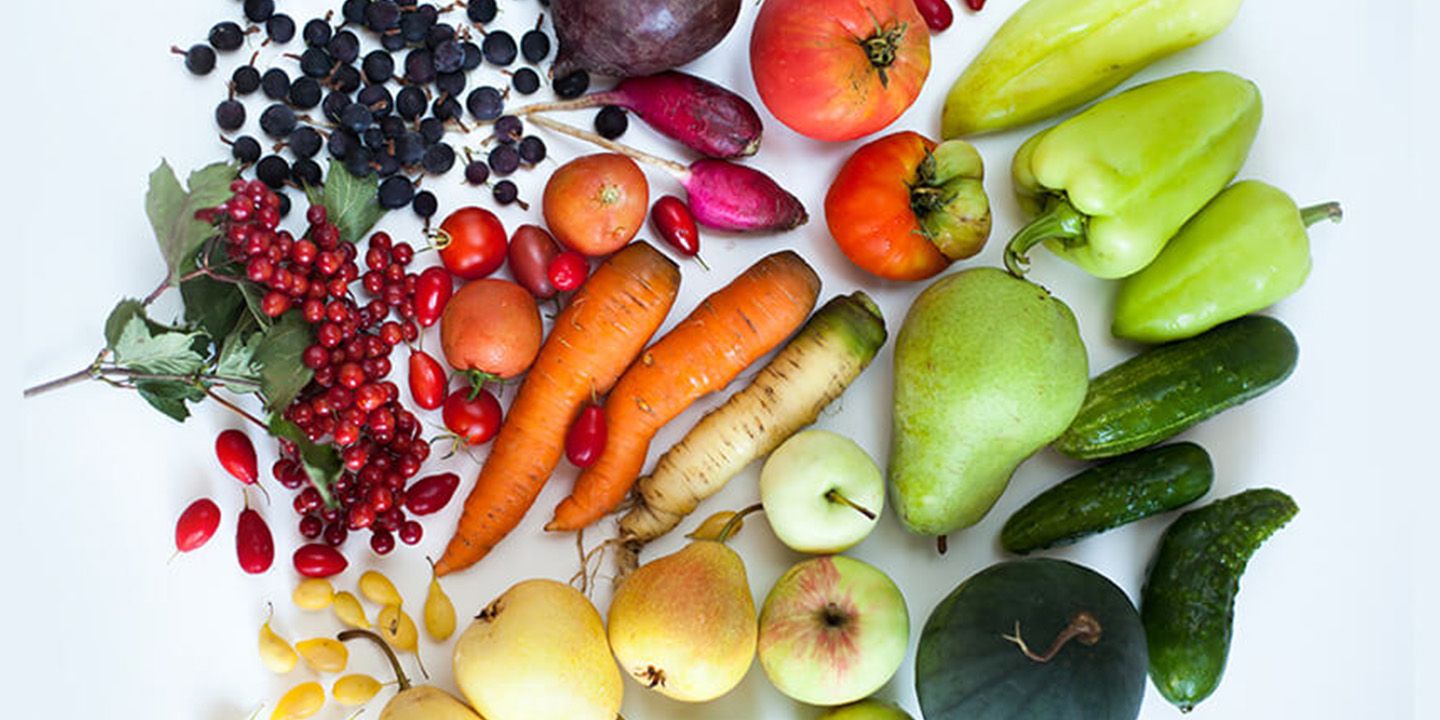
Imagine your body as a finely tuned engine, and your diet as the fuel that keeps it running smoothly. For those diagnosed with pre-diabetes, choosing the right fuel is critical to prevent the engine from stalling – or worse, breaking down into type 2 diabetes. Pre-diabetes is like a yellow traffic light, warning you to slow down and make smarter choices to keep your blood sugar in check. With the right diet, you can take charge, stabilise your glucose levels, and even reverse this condition! This blog will explore a practical pre-diabetes diet plan, smart food choices, a sample pre diabetic diet chart, and tips to manage blood sugar effectively.
What is a Pre-Diabetes Diet?
A pre-diabetes diet focuses on foods that stabilise blood sugar, improve insulin sensitivity, and promote overall health. It emphasises low glycaemic index (GI) foods, high fibre, lean proteins, and healthy fats while limiting refined sugars and processed carbohydrates. The goal is to prevent blood sugar spikes, support weight management, and reduce the risk of progressing to type 2 diabetes. According to a study, dietary changes can reduce the risk of type 2 diabetes by up to 50% in pre-diabetic individuals.
Principles of a Pre-Diabetes Diet
Let us take a look at the principles of a pre-diabetes diet:
- Low Glycaemic Index (GI) Foods: Choose foods that cause gradual blood sugar rises (GI < 55).
- High Fibre: Fibre slows glucose absorption and improves digestion.
- Balanced Macronutrients: Combine carbs, proteins, and fats to stabilise blood sugar.
- Portion Control: Avoid overeating to maintain a healthy weight.
- Limit Sugars and Refined Carbs: Reduce sweets, white bread, and sugary drinks.
- Regular Meal Timing: Eat at consistent times to regulate blood sugar.
Smart Food Choices for Pre-Diabetes
Here’s a guide to the best foods to include and avoid in a pre-diabetes diet:
Foods to Include
Whole Grains (High Fibre, Low GI)
- Include oats, quinoa, brown rice, and wholemeal bread for slow-digesting carbs that help prevent blood sugar spikes.
- Example: Porridge with oats and fresh berries for a balanced breakfast.
Vegetables (Non-Starchy, High Fibre)
- Focus on spinach, broccoli, cauliflower, courgettes, and peppers—low in calories but rich in fiber and nutrients.
- Example: Stir-fried broccoli and peppers with a splash of olive oil.
Fruits (Low GI, Moderate Portions)
- Choose berries, apples, and pears for their fiber and antioxidants, with minimal impact on blood sugar.
- Tip: Pair with a handful of nuts or plain yoghurt to slow sugar absorption.
Lean Proteins
- Opt for chicken breast, turkey, eggs, tofu, or fatty fish like salmon and mackerel to keep you full and stabilise blood sugar.
- Example: Grilled salmon served with steamed greens.
Legumes (High Fibre, Protein-Rich)
- Lentils, chickpeas, black beans, and kidney beans are low GI and great for gut and blood sugar health.
- Example: Hearty lentil curry with a side of brown rice.
Healthy Fats
- Avocados, nuts, seeds (like chia or flax), and olive oil support heart health and insulin sensitivity.
- Tip: Add olive oil to salads or sprinkle flaxseeds on yoghurt or oats.
Low-Fat Dairy
- Include Greek yoghurt, skimmed milk, or cottage cheese for calcium and protein without excess saturated fat.
- Example: Greek yoghurt topped with chia seeds and fresh berries.
Foods to Avoid or Limit
- Sugary Drinks: Avoid fizzy drinks, sweetened teas, and energy drinks due to their high sugar content.
- Refined Carbs: Limit white bread, white rice, pastries, and cakes—they cause rapid blood sugar spikes.
- Processed Foods: Steer clear of crisps, biscuits, and ready meals high in sugar, salt, or trans fats.
- High GI Fruits: Consume watermelon and pineapple in moderation, as they raise blood sugar quickly.
- Excessive Alcohol: Can interfere with blood sugar regulation and lead to crashes.
- Fried Foods: Chips and fried snacks are high in unhealthy fats that can worsen insulin resistance.
Sample Pre-Diabetes Diet Chart (One Day)
Here’s a balanced one-day diet plan to help manage pre-diabetes:
Notes:
- Drink 2-3 litres of water daily to stay hydrated.
- Space meals 3-4 hours apart to avoid blood sugar fluctuations.
- Adjust portions based on activity level and weight goals.
Additional Tips for Blood Sugar Control
Apart from taking a pre-diabetes diet, you can follow certain tips for blood sugar control:
Portion Control
Use smaller plates to naturally limit portion sizes and prevent overeating. Follow the “plate method”: fill half your plate with non-starchy vegetables, a quarter with lean protein, and the remaining quarter with whole grains.
Regular Meal Timing
Eat three balanced meals and one to two small snacks each day to keep your energy and blood sugar levels stable. Skipping meals can lead to drops in blood sugar and increased cravings.
Exercise
Aim for at least 150 minutes of moderate-intensity exercise each week, such as brisk walking or cycling. Add strength training twice a week to support muscle health and glucose control.
Monitor Carb Intake
Limit carbohydrates to 45–60 grams per meal, prioritizing complex carbs like whole grains, legumes, and vegetables. This helps maintain steady blood sugar levels throughout the day.
Fibre Focus
Aim for 25–38 grams of fiber daily to support digestion and slow glucose absorption. Add high-fiber foods like chia seeds, lentils, and leafy greens to your meals.
Limit Added Sugars
Read labels carefully to spot hidden sugars, often found in processed foods like sauces, cereals, and dressings. When needed, opt for natural sweeteners like stevia, but use them sparingly.
Stay Hydrated
Drink plenty of water, herbal teas, or unsweetened green tea throughout the day. Avoid sugary beverages and diet sodas, which can affect blood sugar and overall health.
Benefits of a Pre-Diabetes Diet
If you are thinking what else this pre-diabetes diet can do for you, here is your answer:
- Stabilised Blood Sugar: Prevents spikes and crashes in glucose levels.
- Weight Management: Supports healthy weight loss (5-10% body weight loss can reverse pre-diabetes).
- Improved Heart Health: Lowers cholesterol and blood pressure.
- Better Digestion: High-fibre foods reduce bloating and constipation.
- Reduced Diabetes Risk: Lifestyle changes can lower type 2 diabetes risk by up to 50%.
Considerations for Specific Groups
Here are some considerations while following pre diabetic diet for specific groups, such as kids or senior citizens:
- Children and Adolescents: Focus on whole foods (fruits, veggies, whole grains) and limit sugary snacks. Involve family in healthy eating habits.
- Older Adults: Prioritise nutrient-dense foods (e.g., leafy greens, fish) and gentle exercise like walking to support mobility.
- High-Risk Groups: South Asians and African-Caribbeans should focus on low-GI diets and regular screenings due to higher diabetes risk.
Precautions
If you are thinking of following a pre diabetic diet, then you should take some precautions:
- Consult a Dietitian: Work with a registered dietitian for personalised meal plans, especially if you have other conditions (e.g., kidney disease).
- Monitor Blood Sugar: Regular HbA1c or glucose tests to track progress.
- Avoid Extreme Diets: Crash diets or fasting can disrupt blood sugar control.
- Medication Interactions: If on metformin or other medications, consult your GP before major dietary changes.
Sample Recipes for Pre-Diabetes
To help you with your pre-diabetes journey, we have curated some recipes for your routine, take a look:
Oat and Berry Porridge:
- Cook 50g oats with 200ml skimmed milk.
- Top with 100g mixed berries and 1 tbsp chia seeds.
Chickpea Salad
- Mix 100g boiled chickpeas, cucumber, tomatoes, spinach, and 1 tsp olive oil.
- Add lemon juice and black pepper for flavour.
Grilled Salmon with Quinoa:
- Grill 120g salmon with herbs.
- Serve with 100g cooked quinoa and steamed broccoli.
In a Nutshell
A pre-diabetes diet is your roadmap to better health, helping you control blood sugar, manage weight, and reduce the risk of type 2 diabetes. By making smart food choices—focusing on low-GI, high-fibre foods and balanced meals—you can take charge of your health. Pair this diet with regular exercise, stress management, and routine check-ups for optimal results. Prioritising your health is key, and a good health insurance plan can provide peace of mind. Niva Bupa Health Insurance is a trusted provider offering support for hospital bills, check-ups, and treatments.
People Also Ask
What is a pre-diabetes diet?
A diet focused on low-GI, high-fibre foods to stabilise blood sugar and prevent type 2 diabetes.
What foods are best for pre-diabetes?
Whole grains (oats, quinoa), non-starchy vegetables (broccoli, spinach), lean proteins (chicken, fish), and healthy fats (avocado, nuts) are best for pre-diabetes.
What foods should I avoid with pre-diabetes?
If you have pre-diabetes, you should avoid sugary drinks, refined carbs (white bread, pastries), and processed foods.
How much fibre should I eat daily?
Aim for 25-38g of fibre from vegetables, fruits, legumes, and whole grains.
Can a pre-diabetes diet reverse the condition?
Yes, with consistent dietary changes, exercise, and weight loss, pre-diabetes can often be reversed.
How often should I eat on a pre-diabetes diet?
Three main meals and 1-2 small snacks daily, spaced 3-4 hours apart.
Get right coverage, right premium and the right protection instantly.
 By clicking, I agree to Niva Bupa
 You may also like



Popular Searches
Health Insurance - Health Insurance | Best Family Health Insurance | Best Health Insurance For Senior Citizens In India | Health Insurance With Opd Cover | Mediclaim Insurance | Critical Illness Insurance | Personal Accident Insurance | Mediclaim Policy | Individual Health Insurance | Maternity Insurance | Best Health Insurance company | NRI Health Insurance
Health Insurance Schemes - PMMVY Login | PMJJBY Policy Status | Swasthya Sathi Card | PMSBY | ABHA Card Download | PMJJBY | Ayushman Card | PMMVY 2.0 | Ayushman Vay Vandana Card | PMMVY NIC IN रजिस्ट्रेशन | PMMVY 2.0 लॉगिन
Travel Insurance Plans - Travel Insurance | International Travel Insurance | Student Travel Insurance | Travel Insurance USA | Travel Insurance Canada | Travel Insurance Thailand | Travel Insurance Germany | Travel Insurance Dubai | Travel Insurance Bali | Travel Insurance Australia | Travel Insurance Schengen | Travel Insurance Singapore | Travel Insurance UK | Travel Insurance Vietnam | Travel Insurance Japan | Travel Insurance Spain | Travel Insurance Asia | Travel Insurance Netherlands | Travel Insurance Turkey | Travel Insurance Ireland | Travel Insurance Phillipines | Travel Insurace Italy | Travel Insurance France | Travel Insurance China | Travel Insurance Georgia | Travel Insurance South Africa | Travel Insurance Maldives | Travel Insurance Portugal | Travel Insurance Malaysia | Travel Insurance Qatar | Travel Insurance Poland | Travel Insurance Greece | Travel Insurance New zealand | Travel Insurance Saudi Arabia | Travel Insurance Sri Lanka
Become an Agent - Insurance Agent | Insurance Advisor | Licensed Insurance Agent | Health Insurance Consultant | POSP Insurance Agent | IRDA Certificate Download | IC 38 Exam | Insurance Agent vs POSP | IRDA Exam Syllabus | IRDAI Agent Locator | IRDA exam fee | Paise Kaise Kamaye | Ghar Baithe Paise Kaise Kamaye
Top Hospitals - Best Hospitals in Chennai | Top Hospitals in Delhi | Best Hospitals in Gurgaon | Best Hospitals in India | Top 10 Hospitals in India | Best Hospitals in Hyderabad | Best Hospitals in Kolkata | Best cancer hospitals in Bangalore | Best cancer hospitals in Hyderabad | Best cancer hospitals in Mumbai | Best cancer hospitals in India | Top 10 cancer hospitals in India
Others - Ayushman Bharat | Gst Refund for NRI on Health Insurance Premium | Health Insurance Tax Deductible
Health & Wellness - शिलाजीत के फायदे हिंदी | Weight Gain Diet in Hindi | Sat Isabgol Uses In Hindi | Aloe Vera Juice Benefits in Hindi | Dragon Fruit Benefits in Hindi | Akal Daad in Hindi | Acidity Home Remedies in Hindi | Nikat Drishti Dosh in Hindi | Yoga Benefits in Hindi | Laung Khane ke Fayde in Hindi | Leukoplakia in Hindi | Protien in 100g Paneer | Benefits of Rice Water For Skin | B12 Deficiency Symptoms in Hindi | Fibre Foods in Hindi | Chronic Disease Meaning in Hindi | Vitamin D Foods in Hindi | Blood Urea in Hindi | Beetroot Uses Good for Health
Calculator - BMI Calculator | Pregnancy Calculator | Pregnancy Calendar Based on Conception Date | Pregnancy Conception Date Calculator | Last Menstrual Period Calculator | BMR Calculator | GFR Calculator | Ovulation Calculator



www.nivabupa.com

+91 11 30902010

1860-500-8888

CIN: L66000DL2008PLC182918
IRDAI Registration No. 145

Corporate Office: 3rd Floor, Capital Cyberscape, Sector 59, Gurgaon
Registered Office: C-98, First Floor, Lajpat Nagar, Part 1, Delhi-110024, India


