

Anal Fistula: Symptoms, Causes, and Treatment Options
7 January, 2026
7 Shares
386 Reads
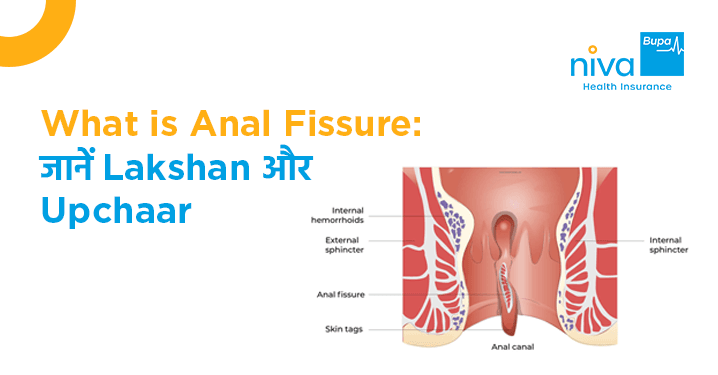
An anal fistula is a small tunnel that develops between the end of the bowel and the skin near the anus. This condition is often the result of a previous infection that did not heal correctly. While it can be an uncomfortable and distressing condition, understanding the mechanics of how it forms and what symptoms to look for is the first step toward managing the situation effectively.
In the majority of cases, an anal fistula starts with an anal abscess. When a gland in the anal canal becomes blocked and infected, it creates a collection of pus. If this abscess bursts or is surgically drained, it may leave behind a small channel. This channel, or fistula, connects the internal gland to an opening on the skin. Because the area is naturally prone to bacteria, these tunnels rarely heal on their own without medical intervention.
Healthcare professionals view this condition as a structural issue rather than a simple infection. Because the tunnel bridges two distinct areas of the body, it can lead to persistent drainage and recurring pain. Educating yourself on the nature of an anal fistula helps in identifying the signs early and seeking a professional evaluation to prevent further complications.
Recognising the Common Symptoms
Identifying the symptoms of an anal fistula early is crucial for timely management. Most patients first notice something is wrong due to persistent discomfort or unusual skin changes around the anal area. The symptoms can vary in intensity depending on whether the fistula is currently infected or if it is draining freely.
One of the most frequent indicators is recurring anal abscesses. If you find that you are frequently dealing with painful swellings that drain and then return, it may indicate that an underlying tunnel has formed. This cycle of healing and re-infection is a hallmark of the condition.
Physical Signs and Sensations
Pain is often the primary symptom that leads individuals to seek help. This pain is typically described as a constant, throbbing ache that may worsen when sitting down, moving around, or during bowel movements. The discomfort is often localised to the area where the internal infection first started.
Another significant sign is skin irritation around the anus. This can manifest as redness, swelling, or tenderness. In many cases, a small opening may be visible on the skin near the anal entrance. This opening might ooze pus, blood, or a foul-smelling discharge. When the fistula drains, the pressure often subsides, providing temporary relief from the pain, but this does not mean the underlying issue has resolved.
Beyond localised pain, some individuals may experience systemic symptoms. If the infection within the fistula becomes severe, it can lead to a fever, chills, and a general feeling of being unwell. These are signs that the body is attempting to fight an active infection and should be monitored closely.
Exploring the Primary Causes
Understanding why an anal fistula develops requires a look at the anatomy of the anal canal. The canal contains several small glands that produce mucus. If one of these glands becomes clogged, bacteria can build up, leading to an infection.
When this infection turns into an abscess, the body needs a way to clear the pus. If the abscess does not heal completely after it drains, it can leave a permanent track behind. This track becomes the fistula. While abscesses are the most common cause, they are not the only reason these tunnels form.
Underlying Health Conditions
Certain chronic health conditions can increase the risk of developing an anal fistula. For example, inflammatory bowel diseases such as Crohn's disease or ulcerative colitis are known to affect the entire digestive tract. These conditions cause long-term inflammation, which can weaken the tissue walls and lead to the formation of abnormal connections or tunnels.
In other cases, trauma to the anal area, previous surgeries, or certain infections like tuberculosis or sexually transmitted infections can play a role. However, it is important to note that many people who develop an anal fistula have no other underlying health issues. The primary trigger remains the simple blockage and infection of an anal gland.
The Importance of Professional Diagnosis
If you suspect you have an anal fistula, a professional medical evaluation is necessary. This condition cannot be self-diagnosed with certainty because its symptoms often overlap with other issues, such as haemorrhoids or simple skin fissures. A healthcare provider will typically begin with a physical examination of the area.
During the exam, the doctor looks for an external opening on the skin. They may gently press on the area to see if any fluid is discharged, which helps identify the path of the tunnel. In some instances, the external opening may have healed over temporarily, making it harder to spot.
Diagnostic Tools and Techniques
To get a clearer picture of the fistula's path, more advanced diagnostic tools might be used. An internal examination using a proctoscope or an ultrasound may be necessary to locate the internal opening of the tunnel. Understanding exactly where the fistula starts and ends is vital for planning any future treatment.
In complex cases, such as those involving multiple tunnels or underlying conditions like Crohn's disease, an MRI scan may be recommended. This provides a detailed map of the pelvic muscles and the fistula's relationship to them. Knowing the exact anatomy helps in determining which treatment approach is safest and most likely to be effective without affecting bowel control.
Overview of Treatment Options
An anal fistula rarely heals without some form of intervention. The primary goal of treatment is to close the tunnel while protecting the anal sphincter muscles, which are responsible for bowel control. The choice of treatment depends heavily on the position of the fistula and whether it is a simple or complex track.
Because every case is different, healthcare providers discuss various options based on the individual's anatomy and the severity of the symptoms. The focus is always on resolving the infection and ensuring the tunnel stays closed permanently.
Surgical Procedures
The most common treatment for a simple anal fistula is a fistulotomy. In this procedure, the entire length of the tunnel is cut open so that it can heal from the inside out as a flat scar. This is generally very effective for fistulas that do not involve much of the sphincter muscle.
For more complex cases, a seton may be used. A seton is a piece of surgical thread that is placed in the fistula track and left there for several weeks. This helps the fistula drain and heal slowly, or it may be used as a preliminary step before a second procedure. This method is often chosen when the fistula passes through a significant portion of the sphincter muscle, as it reduces the risk of muscle damage.
Other advanced options include the use of medical glues or plugs made from collagen to seal the tunnel. There is also a procedure known as an advancement flap, where a piece of tissue is moved from the rectum to cover the internal opening of the fistula. Each of these methods has specific indications depending on the complexity of the anal fistula.
Recovery and Post-Treatment Care
Recovery from any procedure involving an anal fistula requires patience and diligent hygiene. The area is sensitive and prone to bacteria, so keeping the site clean is the top priority. Most patients are advised to take sitz baths, which involve sitting in warm water for several minutes a few times a day to soothe the area and promote healing.
Pain management is also a key part of the recovery process. While there may be some discomfort following a procedure, this is usually manageable with standard pain relief and gradually improves as the tissue heals. It is also common to experience some discharge from the site during the initial weeks of healing.
Lifestyle Adjustments During Healing
To support the body's natural healing process, adjustments to diet and activity are often recommended. A high-fibre diet is essential to ensure that bowel movements are soft and easy to pass. Straining during bowel movements can put unnecessary pressure on the healing tissue and potentially delay the recovery of the anal fistula site.
Staying hydrated and taking stool softeners, if recommended by a professional, can further assist in making the recovery period more comfortable. Most people can return to light activities within a few days, but strenuous exercise should be avoided until the healthcare provider gives the all-clear. Regular follow-up appointments are necessary to ensure the tunnel is closing correctly and that there are no signs of a recurring infection.
Potential Complications and Risks
As with any health condition involving infection and surgery, there are potential risks to consider. The most significant concern when treating an anal fistula is the potential impact on bowel continence. Because the fistula often travels through or near the sphincter muscles, any intervention must be carefully planned to avoid weakening these muscles.
Recurrence is another factor to keep in mind. Even with successful treatment, there is a small chance that a new fistula could form or that the old one could reopen if the underlying cause is not fully addressed. This is why managing chronic conditions like inflammatory bowel disease is so important for those who are prone to these issues.
Managing Long-Term Health
Long-term management involves staying vigilant about any changes in bowel habits or new discomfort in the anal region. For those with a history of an anal fistula, maintaining a healthy digestive system is a proactive way to reduce future risks. This includes a balanced diet, regular exercise, and prompt attention to any signs of an abscess.
It is also worth considering the logistical side of managing chronic or recurring conditions. Navigating the costs of diagnostic tests and procedures can be simplified if you have comprehensive medical insurance, which may cover the specialist consultations and surgical interventions required for this condition. Being prepared helps you focus on the recovery process rather than the administrative details.
Conclusion
An anal fistula is a complex condition that requires a clear understanding and a structured approach to management. While the symptoms can be uncomfortable and the recovery process takes time, modern medical techniques offer effective ways to address the issue. By recognising the signs early and seeking professional guidance, individuals can navigate the treatment process with confidence.
The journey toward healing involves a combination of medical intervention, careful post-operative care, and lifestyle adjustments. Education remains a powerful tool in managing this condition, allowing patients to make informed decisions about their health and well-being. With the right care and attention, the discomfort caused by an anal fistula can be resolved, leading to a much better quality of life.
People Also Ask
Can an anal fistula heal without surgery?
In almost all cases, an anal fistula will not heal on its own. Because the tunnel connects the internal bowel to the external skin, it is constantly exposed to bacteria and movement. While symptoms may come and go, the underlying structure of the fistula remains until it is surgically addressed or treated with specialized medical techniques.
Is an anal fistula the same as a haemorrhoid?
No, they are different conditions. A haemorrhoid is a swollen vein in the rectum or anus, whereas an anal fistula is an abnormal tunnel or track between the bowel and the skin. While both can cause pain and bleeding, their causes and treatments are distinct.
How long does the recovery process take?
Recovery time varies depending on the type of procedure performed and the complexity of the anal fistula. A simple fistulotomy may heal within a few weeks, while more complex cases involving setons or flaps may take several months to fully resolve. Consistent hygiene and follow-up care are essential for a smooth recovery.
What happens if a fistula is left untreated?
Leaving an anal fistula untreated can lead to recurring abscesses and chronic infection. Over time, the infection can spread, leading to more complex branching tunnels that are harder to treat. In rare cases, chronic inflammation in the area could lead to further complications.
Are anal fistulas common in children?
While they are more frequent in adults, anal fistulas can occur in children, including infants. In babies, they are often related to congenital factors or simple infections and may be managed differently than in adults. A paediatric specialist should evaluate any signs of a fistula in a child.
Can diet prevent a fistula from forming?
While diet alone cannot prevent an anal fistula, a high-fibre diet helps maintain soft bowel movements. This reduces the risk of constipation and anal fissures, which can sometimes lead to the infections or abscesses that cause fistulas to develop.
Will I have to stay in the hospital for treatment?
Many procedures for an anal fistula are performed as day-case surgeries, meaning you can go home the same day. However, for more complex cases or if there are underlying health concerns, a short hospital stay might be required for observation and pain management.
Is exercise safe after fistula surgery?
During the initial phase of healing, heavy lifting and strenuous exercise should be avoided. Walking is usually encouraged as it promotes circulation. You should wait for your healthcare provider's approval before returning to activities like cycling or running, which put direct pressure on the affected area.
Can a fistula return after surgery?
There is a possibility of recurrence, especially if the internal opening of the tunnel was not fully identified or if there is an underlying inflammatory condition. Following all post-operative instructions and attending follow-up appointments reduces the risk of the anal fistula returning.
What kind of specialist treats this condition?
A colorectal surgeon or a general surgeon with experience in proctology is the typical specialist for managing an anal fistula. They have the expertise to navigate the delicate anatomy of the anal canal and protect the sphincter muscles during treatment.
Get right coverage, right premium and the right protection instantly.
 By clicking, I agree to Niva Bupa
 You may also like


Popular Searches
Health Insurance - Health Insurance | Best Family Health Insurance | Best Health Insurance For Senior Citizens In India | Health Insurance With Opd Cover | Mediclaim Insurance | Critical Illness Insurance | Personal Accident Insurance | Mediclaim Policy | Individual Health Insurance | Maternity Insurance | Best Health Insurance company | NRI Health Insurance
Health Insurance Schemes - PMMVY Login | PMJJBY Policy Status | Swasthya Sathi Card | PMSBY | PMJJBY | Ayushman Card | PMMVY 2.0 | Ayushman Vay Vandana Card | PMMVY NIC IN रजिस्ट्रेशन | PMMVY 2.0 लॉगिन
Travel Insurance Plans - Travel Insurance | International Travel Insurance | Student Travel Insurance | Travel Insurance USA | Travel Insurance Canada | Travel Insurance Thailand | Travel Insurance Germany | Travel Insurance Dubai | Travel Insurance Bali | Travel Insurance Australia | Travel Insurance Schengen | Travel Insurance Singapore | Travel Insurance UK | Travel Insurance Vietnam | Travel Insurance Japan | Travel Insurance Spain | Travel Insurance Asia | Travel Insurance Netherlands | Travel Insurance Turkey | Travel Insurance Ireland | Travel Insurance Phillipines | Travel Insurace Italy | Travel Insurance France | Travel Insurance China | Travel Insurance Georgia | Travel Insurance South Africa | Travel Insurance Maldives | Travel Insurance Portugal | Travel Insurance Malaysia | Travel Insurance Qatar | Travel Insurance Poland | Travel Insurance Greece | Travel Insurance New zealand | Travel Insurance Saudi Arabia | Travel Insurance Sri Lanka
Become an Agent - Insurance Agent | IRDA Certificate Download | IRDA Exam Syllabus | IRDA exam fee | Paise Kaise Kamaye | Ghar Baithe Paise Kaise Kamaye
Top Hospitals - Best Hospitals in Gurgaon
Others - Ayushman Bharat | Gst Refund for NRI on Health Insurance Premium
Health & Wellness - शिलाजीत के फायदे हिंदी | Weight Gain Diet in Hindi | Sat Isabgol Uses In Hindi | Aloe Vera Juice Benefits in Hindi | Dragon Fruit Benefits in Hindi | Akal Daad in Hindi | Acidity Home Remedies in Hindi | Nikat Drishti Dosh in Hindi | Yoga Benefits in Hindi | Laung Khane ke Fayde in Hindi | Leukoplakia in Hindi | Protien in 100g Paneer | Benefits of Rice Water For Skin | B12 Deficiency Symptoms in Hindi | Fibre Foods in Hindi | Chronic Disease Meaning in Hindi | Vitamin D Foods in Hindi | Blood Urea in Hindi | Beetroot Uses Good for Health
Calculator - BMI Calculator | Pregnancy Calculator | Pregnancy Calendar Based on Conception Date | Pregnancy Conception Date Calculator | Last Menstrual Period Calculator | BMR Calculator | GFR Calculator | Ovulation Calculator



www.nivabupa.com

+91 11 30902010

1860-500-8888

CIN: L66000DL2008PLC182918
IRDAI Registration No. 145

Corporate Office: 3rd Floor, Capital Cyberscape, Sector 59, Gurgaon
Registered Office: C-98, First Floor, Lajpat Nagar, Part 1, Delhi-110024, India


