

Apoplexy (Stroke): Early Warning Signs, Causes & Emergency Treatment
28 January, 2026
7 Shares
259 Reads
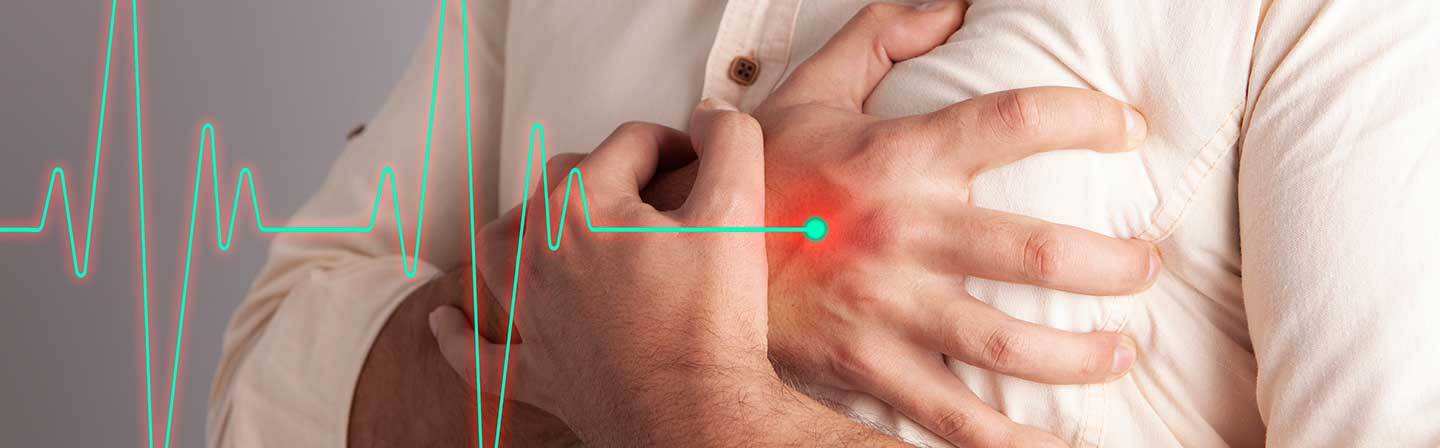
Risk management experts know that few events shatter the stability of a family as violently as a stroke. Older medical texts often use the term apoplexy to describe this sudden collapse or loss of sensation. While the name has changed in modern clinics, the immediate threat to life and financial security remains unchanged.
A stroke is a physical blockade of blood flow to the brain that represents a catastrophic disruption rather than a simple medical statistic. When the brain loses its supply of oxygen and nutrients, millions of cells begin to die within minutes. The difference between a full recovery and permanent disability often comes down to speed. Understanding this condition serves as the most effective form of personal risk mitigation.
What is Apoplexy?
To manage a risk, you must first understand it. Apoplexy refers to a "striking down" of the body. In clinical terms, this happens in two distinct ways.
The most common scenario is an ischemic event, which functions much like a blockage within a plumbing system, where a blood clot forms to physically bar blood from reaching specific brain regions. Without the necessary blood supply, the tissue starves. This mechanism accounts for the majority of cases.
A hemorrhagic event represents the second and more volatile scenario. Here, a weakened vessel bursts open to allow blood to flood the brain cavity. This spikes intracranial pressure and crushes sensitive cells directly. History categorises both events as apoplexy. The biological mechanism matters less than the immediate outcome, which is a critical emergency requiring instant action.
Recognising Early Warning Signs
Time is the most valuable asset during a stroke event. Medical results are vastly better when treatment starts within hours of the first symptom. Damage is cumulative because every minute lost without intervention increases the probability of lifelong disability.
Recognising the signs requires vigilance rather than medical training. The body rarely shuts down without sending distress signals first. Experts rely on the F.A.S.T. protocol to identify the specific red flags that appear before permanent damage occurs.
Face Drooping
Neurological failure often strikes the face first. Look for a heavy eyelid or reports of sudden numbness on one side. Requesting a smile helps confirm if muscle control is failing. This unevenness proves the brain cannot transmit signals to the facial nerves.
Arm Weakness
Arm weakness often accompanies facial symptoms. Have the person raise both arms to check for drift. One limb may fall involuntarily or feel like dead weight. This paralysis usually hits only one side of the body. In serious cases, the leg on that side collapses and makes standing impossible.
Speech Difficulty
Speech difficulties provide another clear warning. Speech often becomes slurred and mimics deep intoxication in a sober individual. Forming simple sentences or naming everyday objects becomes an impossible task. Aphasia can make them look confused. They hear your voice, but the brain fails to decode the meaning.
Time to Call Emergency Services
Seeing these red flags demands instant action. Contact emergency services the moment these signs appear. Driving personally is dangerous when paramedics can begin treatment on the way. Reacting to a potential false alarm is far better than stalling during a true crisis.
Other Critical Symptoms
F.A.S.T. catches many cases, but apoplexy has other faces. Vision might fail suddenly in one or both eyes, leading to double sight or total darkness. A thunderclap headache often signals a brain bleed, which survivors call the worst pain of their lives. Sudden loss of balance or coordination indicates the brain is struggling to maintain control.
Understanding the Risk Factors
It is believed that prevention is superior to any payout. Identifying liabilities allows you to manage them before a loss occurs.
High Blood Pressure
This is the primary driver of stroke risk. High pressure acts as a silent but relentless force against arterial walls. Over the years, vessels stiffen and lose the elasticity required to handle flow, which makes them prone to bursting. Controlling this pressure is the single most powerful step available to lower the risk profile.
Heart Disease
Irregular rhythms such as atrial fibrillation create a dangerous environment where blood pools and clots inside the heart. These clots can easily exit the heart and travel directly to the brain to cause a blockage.
Diabetes
Excess blood sugar corrodes the blood vessel system-wide. It accelerates plaque deposits that choke off flow. Strict glucose management is non-negotiable for vascular health.
Lifestyle Factors
Smoking thickens the blood and doubles the probability of an ischemic event. High intake of salt and bad fats stresses the vascular system, while a lack of physical movement compounds every other risk factor.
The Path of Diagnosis
Hospital teams must act with extreme precision when a suspected apoplexy case arrives. Determining the stroke type is the first priority. Treating a bleeding stroke with blood thinners would be fatal.
Imaging Scans
A CT scan is typically the first diagnostic tool. Using X-rays to map the brain reveals active bleeding instantly. If the CT scan is negative for bleeding, doctors may proceed with the assumption of a clot.
An MRI may also be used. This uses radio waves and magnets to create a sharper view of the brain tissue. It picks up ischemic damage much earlier than standard X-rays.
Emergency Treatment Protocols
Effective intervention depends on the specific diagnosis. Medical teams must instantly distinguish between a blockage and a bleed.
Treating Ischemic Stroke
Doctors often deploy a drug known as tPA to break up clots. While effective, it has a strict time window of just a few hours. Massive blockages often require a thrombectomy to physically pull the clot from the vessel.
Treating Hemorrhagic Stroke
Bleeding brains require pressure control. Medication is used to drop blood pressure rapidly. Surgical teams may need to clip an aneurysm or insert coils to seal the rupture from the inside.
The Road to Recovery
Surviving the event is just step one. The aftermath of apoplexy varies for everyone. The brain has "neuroplasticity," a unique ability to adapt. Healthy areas of the brain can sometimes take over the functions of the damaged areas. However, this rewiring demands intense and repetitive work.
Physical Therapy
Rehabilitation aims to restore strength and coordination through repetitive motor tasks like walking. The brain often needs aggressive training to recognise a limb that feels foreign.
Occupational Therapy
This discipline addresses daily survival skills. Patients practice dressing, eating, and writing to regain independence and reduce the burden on family support.
Speech and Cognitive Therapy
For those whose speech centres have been affected, speech therapy provides the tools to rebuild communication skills. Specialists also address dangerous swallowing difficulties. Cognitive exercises help sharpen memory and logic skills dulled by the trauma.
The Emotional Landscape
The damage extends beyond the physical body. Anxiety and depression often follow a stroke. Survivors grieve for the capabilities they lost overnight. A robust support system is essential for mental and emotional healing.
Prevention: The Ultimate Insurance Policy
Age and genetics are fixed, but lifestyle choices remain within personal control. This is where true protection lies.
- Monitor Your Numbers: Track cholesterol and blood pressure numbers constantly to maintain a defensive advantage.
- Eat Smart: Build a diet around whole grains and vegetables while drastically reducing sodium intake.
- Move More: Regular moderate activity strengthens the heart muscle.
- Quit Smoking: Stopping tobacco use triggers immediate vascular repair mechanisms.
A Final Word of Advice
Apoplexy is a major threat that can derail a future in seconds, yet it is rarely just bad luck. The link between daily habits and vascular integrity is clear, and understanding these mechanisms allows for effective risk mitigation. Prevention remains the strongest form of protection through consistent blood pressure monitoring and maintaining physical health.
Alongside prevention, having adequate health insurance coverage ensures timely medical care if an emergency occurs. For families living abroad, NRI health insurance adds an extra layer of security, allowing access to treatment without delay or financial stress. Using this knowledge as a practical tool and making informed decisions today helps protect health, stability, and independence in the future.
FAQs
1. Is apoplexy different from a stroke?
Medical manuals have replaced the word apoplexy with stroke, but the condition is identical. The term describes a sudden interruption of blood flow that starves brain tissue. While medical vocabulary evolves, the physical threat remains constant. Either diagnosis represents a critical emergency requiring immediate stabilisation.
2. Can a stroke happen to young and healthy people?
Vascular events can occur at any age, regardless of general physical appearance. Younger adults face specific risks from undetected heart defects, genetic clotting disorders, or personal choices like substance use. The rising rate of high blood pressure in young adults has made strokes increasingly common in populations under fifty. Risk management requires vigilance regardless of the birth year on a driver's license.
3. Can patients recover fully from a major event?
The brain is incredibly adaptive. Healthy areas can often learn to perform the tasks that damaged areas once controlled. Hard work in physical and speech therapy helps many people regain their independence. The degree of restoration, however, correlates directly with the speed of the initial medical response. Time acts as the primary variable in determining long-term prognosis.
4. What does it mean if symptoms vanish quickly?
Disappearing symptoms are usually a Transient Ischemic Attack. This temporary blockage signals a compromised vascular system and often precedes a major event. Medical evaluation is mandatory even if the person feels completely normal. Immediate preventative care at this stage serves as the most effective method to avert a full-scale crisis.
5. Can chronic stress trigger apoplexy?
Chronic tension forces blood pressure to remain elevated, which gradually erodes arterial integrity. A single moment of panic is rarely the cause. Instead, decades of high tension weaken the arterial walls until they simply cannot hold the pressure. Protecting your mental state acts as a direct shield for your physical assets.
6. Is it safe to administer aspirin before the ambulance arrives?
Never give medication without a doctor present. Introducing blood thinners to a bleeding brain acts like fuel on a fire and accelerates the damage. Only a hospital scan can reveal the specific type of stroke. Leave medication decisions strictly to the emergency response team to avoid compounding the tragedy.
7. How do I offset a family history of strokes?
Inherited traits influence the risk profile but do not guarantee a negative outcome. Those with inherited risks gain the most from watching their blood pressure numbers closely. Your daily habits act as a counterweight to your genetic code. A strict routine reduces the statistical odds of a crisis regardless of your family tree. Biology is fixed, but environmental factors remain controllable.
Get right coverage, right premium and the right protection instantly.
 By clicking, I agree to Niva Bupa
 You may also like



Popular Searches
Health Insurance - Health Insurance | Best Family Health Insurance | Best Health Insurance For Senior Citizens In India | Health Insurance With Opd Cover | Mediclaim Insurance | Critical Illness Insurance | Personal Accident Insurance | Mediclaim Policy | Individual Health Insurance | Maternity Insurance | Best Health Insurance company | NRI Health Insurance
Health Insurance Schemes - PMMVY Login | PMJJBY Policy Status | Swasthya Sathi Card | PMSBY | ABHA Card Download | PMJJBY | Ayushman Card | PMMVY 2.0 | Ayushman Vay Vandana Card | PMMVY NIC IN रजिस्ट्रेशन | PMMVY 2.0 लॉगिन
Travel Insurance Plans - Travel Insurance | International Travel Insurance | Student Travel Insurance | Travel Insurance USA | Travel Insurance Canada | Travel Insurance Thailand | Travel Insurance Germany | Travel Insurance Dubai | Travel Insurance Bali | Travel Insurance Australia | Travel Insurance Schengen | Travel Insurance Singapore | Travel Insurance UK | Travel Insurance Vietnam | Travel Insurance Japan | Travel Insurance Spain | Travel Insurance Asia | Travel Insurance Netherlands | Travel Insurance Turkey | Travel Insurance Ireland | Travel Insurance Phillipines | Travel Insurace Italy | Travel Insurance France | Travel Insurance China | Travel Insurance Georgia | Travel Insurance South Africa | Travel Insurance Maldives | Travel Insurance Portugal | Travel Insurance Malaysia | Travel Insurance Qatar | Travel Insurance Poland | Travel Insurance Greece | Travel Insurance New zealand | Travel Insurance Saudi Arabia | Travel Insurance Sri Lanka
Become an Agent - Insurance Agent | Insurance Advisor | Licensed Insurance Agent | Health Insurance Consultant | POSP Insurance Agent | IRDA Certificate Download | IC 38 Exam | Insurance Agent vs POSP | IRDA Exam Syllabus | IRDAI Agent Locator | IRDA exam fee | Paise Kaise Kamaye | Ghar Baithe Paise Kaise Kamaye
Top Hospitals - Best Hospitals in Chennai | Top Hospitals in Delhi | Best Hospitals in Gurgaon | Best Hospitals in India | Top 10 Hospitals in India | Best Hospitals in Hyderabad | Best Hospitals in Kolkata | Best cancer hospitals in Bangalore | Best cancer hospitals in Hyderabad | Best cancer hospitals in Mumbai | Best cancer hospitals in India | Top 10 cancer hospitals in India
Others - Ayushman Bharat | Gst Refund for NRI on Health Insurance Premium | Health Insurance Tax Deductible
Health & Wellness - शिलाजीत के फायदे हिंदी | Weight Gain Diet in Hindi | Sat Isabgol Uses In Hindi | Aloe Vera Juice Benefits in Hindi | Dragon Fruit Benefits in Hindi | Akal Daad in Hindi | Acidity Home Remedies in Hindi | Nikat Drishti Dosh in Hindi | Yoga Benefits in Hindi | Laung Khane ke Fayde in Hindi | Leukoplakia in Hindi | Protien in 100g Paneer | Benefits of Rice Water For Skin | B12 Deficiency Symptoms in Hindi | Fibre Foods in Hindi | Chronic Disease Meaning in Hindi | Vitamin D Foods in Hindi | Blood Urea in Hindi | Beetroot Uses Good for Health
Calculator - BMI Calculator | Pregnancy Calculator | Pregnancy Calendar Based on Conception Date | Pregnancy Conception Date Calculator | Last Menstrual Period Calculator | BMR Calculator | GFR Calculator | Ovulation Calculator



www.nivabupa.com

+91 11 30902010

1860-500-8888

CIN: L66000DL2008PLC182918
IRDAI Registration No. 145

Corporate Office: 3rd Floor, Capital Cyberscape, Sector 59, Gurgaon
Registered Office: C-98, First Floor, Lajpat Nagar, Part 1, Delhi-110024, India


