

Barrett's Oesophagus: What It Is & What It Means for Your Health
6 January, 2026
7 Shares
283 Reads
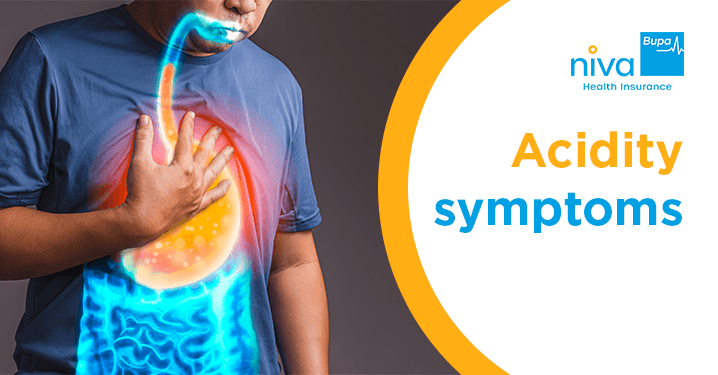
If you have ever read about GERD, you may have come across the term Barrett’s oesophagus. It often appears in articles, reports, or doctor consultations when acid reflux is discussed for long periods. Many people notice the word but move on, assuming it is just another medical term linked to heartburn.
Barrett’s oesophagus is closely tied to GERD and develops over time when reflux is not well controlled. While it may not cause obvious symptoms at first, changes in the oesophagus can raise serious concerns later. In some cases, untreated changes in the oesophagus can become an early warning sign of cancer. In this blog, we explore what Barrett’s oesophagus is and what it means for your health.
What Is Barrett’s Oesophagus?
Barrett’s oesophagus is a condition where the normal lining of the lower oesophagus changes at a cellular level. The oesophagus is designed to move food from the mouth to the stomach. Its lining is not built to handle repeated contact with stomach acid.
When a person has chronic GERD, acid flows back into the oesophagus again and again. Over time, this constant irritation damages the cells. To protect itself, the body replaces the normal oesophageal lining with tissue similar to the lining of the intestine. This process is known as intestinal metaplasia.
These changes are permanent. They do not cause pain on their own, and many people do not realise they have them. Barrett's oesophagus disease is usually discovered during medical tests done for long-term reflux rather than through symptoms specific to the condition itself.
How serious is Barretts esophagus?
This is the most common question patients ask. Is it cancer? The short answer is no. Barrett’s oesophagus is not cancer. However, it is a precancerous condition. The new intestinal-type cells are not stable. Because they are in an environment they were not designed for, they have a higher risk of mutating.
If these cells mutate, they can turn into a specific type of cancer called oesophageal adenocarcinoma. While that sounds terrifying, the statistics are on your side. The vast majority of people with Barrett’s never develop cancer. The risk is estimated to be roughly 0.5% per year. That means out of 100 people with the condition, fewer than one will develop cancer in a given year. The seriousness lies in the need for monitoring. You cannot just ignore it because if cancer does develop, it is aggressive. Catching it early through surveillance is the key to staying safe.
How serious is Barretts esophagus?
This is the most common question patients ask. Is it cancer? The short answer is no. Barrett’s oesophagus is not cancer. However, it is a "precancerous" condition. The new intestinal-type cells are not stable. Because they are in an environment they were not designed for, they have a higher risk of mutating.
If these cells mutate, they can turn into a specific type of cancer called oesophageal adenocarcinoma. While that sounds terrifying, the statistics are on your side. The vast majority of people with Barrett’s never develop cancer. The risk is estimated to be roughly 0.5% per year. That means out of 100 people with the condition, fewer than one will develop cancer in a given year. The seriousness lies in the need for monitoring. You cannot just ignore it because if cancer does develop, it is aggressive. Catching it early through surveillance is the key to staying safe.
What are the symptoms of Barrett’s oesophagus?
Barrett’s oesophagus often develops silently. Most people experience symptoms related to acid reflux rather than the tissue changes themselves. This is one reason the condition is often diagnosed late.
Below are symptoms commonly seen in people who are later found to have Barrett’s oesophagus.
Chronic heartburn
This is the most common sign. It feels like a burning pain in the centre of the chest, just behind the breastbone. It often shows up after meals or late at night. If you rely on antacids more than a couple of times a week for years, this is more than normal indigestion. It suggests that acid is irritating the lining again and again.
Regurgitation
This feels like acid moving upward instead of down. You might bend forward and notice a sour or bitter liquid coming into your throat. Sometimes small bits of food come back up, too. It can leave a strong acidic taste and, over time, even harm the teeth.
Difficulty swallowing
This is also called dysphagia. Food may feel like it is moving slowly or getting stuck in the chest. This symptom needs attention. It can happen when the oesophagus becomes narrowed from long-term damage or scarring.
Chest pain
Some people feel chest pain that is not the usual burning sensation of heartburn. It may be dull or sharp and can spread to the back. Because chest pain can also be linked to heart problems, it should always be checked by a doctor first.
Throat and voice problems
Acid can travel up to the throat, especially during sleep. You may wake up with a hoarse voice, sore throat, or a dry cough that does not go away. This is sometimes called silent reflux because it affects the throat without causing obvious chest burning.
What are the risk factors in Barrett’s Oesophagus?
Many people live with heartburn for years and never develop Barrett’s oesophagus. Others develop it much sooner. The difference is not just the amount of acid. It is how each person’s body responds to that acid over time. Certain traits and past habits make some people more likely to develop the condition.
Age and gender
Barrett’s oesophagus is rarely seen in young people. It is most often diagnosed after the age of fifty. Men are affected more often than women. In fact, men are several times more likely to develop the condition. Being male, older, and having a long history of reflux puts someone in a higher risk group.
Long history of reflux
Time matters. The longer acid reflux continues, the more damage it can cause. People who have had GERD symptoms for many years face a much higher risk than those with recent or occasional heartburn. Constant acid exposure forces the oesophagus to adapt, which leads to cell changes.
Weight around the waist
Carrying extra weight around the stomach increases risk. This type of weight adds pressure inside the abdomen. That pressure pushes stomach acid upward into the oesophagus more easily. People with central or belly fat are more likely to have severe and frequent reflux.
Smoking habits
Smoking increases the risk in several ways. It damages the lining of the oesophagus and slows down how acid is cleared. Smoking also reduces saliva, which normally helps neutralise acid. Both current and former smokers have a higher risk than people who never smoked.
Family history
Genetics can play a role. If a close family member has Barrett’s oesophagus or oesophageal cancer, the risk is higher. This may be linked to how the body repairs tissue or how the valve between the stomach and oesophagus works.
How is Barrett’s Oesophagus diagnosed?
Barrett’s Oesophagus cannot be confirmed through symptoms alone. The changes happen inside the food pipe, so doctors rely on specific tests to see and measure what is going on. If you have long term reflux or fall into a higher-risk group, your doctor may suggest one or more of the following tests.
Upper endoscopy
This is the main test used to diagnose Barrett’s Oesophagus. It is done by a gastroenterologist. You are usually given a sedative so you stay relaxed and comfortable.
A thin flexible tube with a light and a camera is passed through the mouth into the oesophagus. The doctor closely examines the lining, especially the area where the oesophagus meets the stomach. In Barrett’s Oesophagus, the lining looks different from normal tissue and may extend upward in uneven patches.
Biopsy
A biopsy is done during the endoscopy. Small tissue samples are taken from the oesophagus using tiny instruments passed through the scope. This does not cause pain.
The samples are sent to a laboratory for examination under a microscope. The goal is to confirm whether the tissue has changed and to check for abnormal cells. Finding specific intestinal-type cells confirms the diagnosis of barrett oesophagus disease and helps determine the stage.
Imaging tests
Imaging tests are not used to diagnose Barrett’s Oesophagus directly. However, they may be used in certain cases to look for complications. Tests like barium swallow studies can show narrowing or structural changes in the oesophagus. These tests help doctors understand how well food moves down the oesophagus.
pH monitoring
pH monitoring measures how much acid moves from the stomach into the oesophagus over a period of time. A small sensor is placed in the oesophagus, either through the nose or during endoscopy.
This test helps confirm ongoing acid reflux, especially when symptoms are unclear. While it does not diagnose Barrett’s Oesophagus on its own, it supports the overall assessment and treatment plan.
Classifying Barrett’s disease stages
Barrett’s oesophagus is classified based on how abnormal the cells appear under microscopic examination. These stages help estimate cancer risk and decide the next steps.
Treatment and management of Barrett's disease
The good news is that Barrett’s disease can be managed well. Most treatment plans focus on two goals. One is to reduce acid reflux. The other is to deal with abnormal tissue if needed. For many people, this means a mix of daily habit changes, medication, and in some cases, medical procedures.
Lifestyle changes
Reducing acid exposure is the first step. Weight control plays a big role. Losing excess weight lowers pressure on the stomach and reduces reflux.
Sleep position matters too. Raising the head of the bed by about six inches helps gravity keep acid in the stomach while you sleep. Using extra pillows alone usually does not work. A wedge pillow or blocks under the bed are more effective.
Food choices also affect symptoms. Many people feel better when they limit caffeine, chocolate, alcohol, and fatty meals. Eating late at night makes reflux worse. Try to finish meals at least three hours before bedtime so the stomach is not full when you lie down.
Medication
Doctors usually prescribe medicines called proton pump inhibitors. Common examples include omeprazole, lansoprazole, and esomeprazole. These medicines reduce how much acid the stomach makes.
They do not remove the Barrett’s tissue. But they protect the oesophagus from further damage and help heal inflammation. Lower acid levels create a safer environment for the cells and reduce future risk.
Endoscopic treatments
If abnormal cell changes are found, doctors may suggest endoscopic treatment. These procedures are done using an endoscope and do not require open surgery.
Radiofrequency ablation is one common option. Heat energy is used to remove the damaged surface layer of the oesophagus. After treatment, healthy cells grow back in their place.
Cryotherapy is another method. Very cold gas or liquid is used to freeze and destroy abnormal cells. Endoscopic mucosal resection is used when there are raised areas or nodules. The doctor removes the affected tissue to check for early cancer and prevent further spread.
Surgery
Surgery is not common but may be recommended in severe cases. It can help when reflux is caused by a large hiatal hernia or when other treatments do not work.
One option is a procedure called Nissen fundoplication. In this surgery, the top part of the stomach is wrapped around the lower oesophagus. This strengthens the valve and helps stop acid from flowing back up.
With the right approach, most people with Barrett’s disease can manage their condition and reduce long-term risks.
Wrapping Up
Barrett’s oesophagus develops quietly, often as a result of long-standing GERD. While it does not cause immediate harm, it signals the need for careful attention and regular monitoring. With early diagnosis and proper management, most people avoid serious complications and continue to live normal lives.
Managing a long-term condition also means planning for ongoing medical care. Diagnostic tests, procedures, and follow-ups can be costly, especially for those living abroad. Niva Bupa NRI health insurance is designed to support medical needs in India, including diagnostics, hospital care, and treatment for chronic conditions. Having the right coverage allows you to focus on your health without worrying about unexpected expenses.
FAQs
Can Barrett’s oesophagus go away on its own?
No. Once the tissue in the oesophagus changes, it does not return to normal on its own. Treatment focuses on stopping further damage and lowering future risk.
Does everyone with Barrett’s oesophagus need lifelong treatment?
Most people need long-term management. This usually includes acid-reducing medication and regular follow-up. The intensity of treatment depends on the stage and risk level.
Can Barrett’s oesophagus affect daily activities?
In most cases, no. Many people work, travel, and exercise normally. Managing reflux symptoms helps maintain a normal routine.
Is Barrett’s oesophagus painful?
The condition itself does not cause pain. Any discomfort usually comes from acid reflux rather than the tissue changes.
Can stress make Barrett’s oesophagus worse?
Stress does not cause the condition, but it can worsen reflux symptoms. Increased reflux can irritate the oesophagus and make symptom control harder.
Get right coverage, right premium and the right protection instantly.
 By clicking, I agree to Niva Bupa
 You may also like



Popular Searches
Health Insurance - Health Insurance | Best Family Health Insurance | Best Health Insurance For Senior Citizens In India | Health Insurance With Opd Cover | Mediclaim Insurance | Critical Illness Insurance | Personal Accident Insurance | Mediclaim Policy | Individual Health Insurance | Maternity Insurance | Best Health Insurance company | NRI Health Insurance
Health Insurance Schemes - PMMVY Login | PMJJBY Policy Status | Swasthya Sathi Card | PMSBY | PMJJBY | Ayushman Card | PMMVY 2.0 | Ayushman Vay Vandana Card | PMMVY NIC IN रजिस्ट्रेशन | PMMVY 2.0 लॉगिन
Travel Insurance Plans - Travel Insurance | International Travel Insurance | Student Travel Insurance | Travel Insurance USA | Travel Insurance Canada | Travel Insurance Thailand | Travel Insurance Germany | Travel Insurance Dubai | Travel Insurance Bali | Travel Insurance Australia | Travel Insurance Schengen | Travel Insurance Singapore | Travel Insurance UK | Travel Insurance Vietnam | Travel Insurance Japan | Travel Insurance Spain | Travel Insurance Asia | Travel Insurance Netherlands | Travel Insurance Turkey | Travel Insurance Ireland | Travel Insurance Phillipines | Travel Insurace Italy | Travel Insurance France | Travel Insurance China | Travel Insurance Georgia | Travel Insurance South Africa | Travel Insurance Maldives | Travel Insurance Portugal | Travel Insurance Malaysia | Travel Insurance Qatar | Travel Insurance Poland | Travel Insurance Greece | Travel Insurance New zealand | Travel Insurance Saudi Arabia | Travel Insurance Sri Lanka
Become an Agent - Insurance Agent | IRDA Certificate Download | IRDA Exam Syllabus | IRDA exam fee | Paise Kaise Kamaye | Ghar Baithe Paise Kaise Kamaye
Top Hospitals - Best Hospitals in Gurgaon
Others - Ayushman Bharat | Gst Refund for NRI on Health Insurance Premium
Health & Wellness - शिलाजीत के फायदे हिंदी | Weight Gain Diet in Hindi | Sat Isabgol Uses In Hindi | Aloe Vera Juice Benefits in Hindi | Dragon Fruit Benefits in Hindi | Akal Daad in Hindi | Acidity Home Remedies in Hindi | Nikat Drishti Dosh in Hindi | Yoga Benefits in Hindi | Laung Khane ke Fayde in Hindi | Leukoplakia in Hindi | Protien in 100g Paneer | Benefits of Rice Water For Skin | B12 Deficiency Symptoms in Hindi | Fibre Foods in Hindi | Chronic Disease Meaning in Hindi | Vitamin D Foods in Hindi | Blood Urea in Hindi | Beetroot Uses Good for Health
Calculator - BMI Calculator | Pregnancy Calculator | Pregnancy Calendar Based on Conception Date | Pregnancy Conception Date Calculator | Last Menstrual Period Calculator | BMR Calculator | GFR Calculator | Ovulation Calculator



www.nivabupa.com

+91 11 30902010

1860-500-8888

CIN: L66000DL2008PLC182918
IRDAI Registration No. 145

Corporate Office: 3rd Floor, Capital Cyberscape, Sector 59, Gurgaon
Registered Office: C-98, First Floor, Lajpat Nagar, Part 1, Delhi-110024, India


