

Blepharitis: Symptoms, Causes, Types & Effective Treatment
15 January, 2026
7 Shares
315 Reads
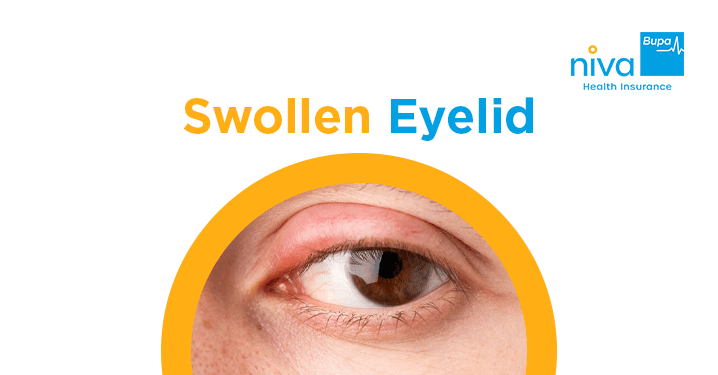
For many individuals, eye discomfort becomes noticeable soon after waking, often marked by irritation, crusting along the eyelashes, and redness at the eyelid margins. These symptoms may make opening the eyes uncomfortable and can give the eyelids an inflamed appearance early in the day. While such signs are commonly dismissed as temporary irritation or eye strain, they often point towards an underlying eyelid condition rather than a short-lived issue.
This pattern of recurring eyelid irritation is most commonly associated with blepharitis, a medically recognised condition involving inflammation of the eyelid margins. Introducing the condition early helps frame these symptoms correctly, as blepharitis is not an acute eye infection but a chronic disorder that requires ongoing management rather than one-time treatment.
When these symptoms occur repeatedly rather than as an occasional irritation, the underlying cause is often blepharitis, a chronic inflammatory condition that affects the margins of the eyelids. This condition is frequently mistaken for seasonal allergies, fatigue or digital eye strain, leading many people to delay appropriate care. However, it is a medically recognised disorder involving disruptions in eyelid skin health, bacterial balance and the normal function of oil-producing glands along the eyelids. It tends to persist over time with periods of flare-ups and remission, making consistent management and long-term care essential rather than short-term or reactive treatment.
What Is Blepharitis, and What Happens at the Eyelid Margin?
Blepharitis refers to inflammation of the eyelids, most commonly affecting the area where the eyelashes emerge from the skin. This area is essential for maintaining eye comfort and overall ocular health. The eyelids play an important role in eye health by spreading tears evenly with each blink and helping protect the cornea. Along the eyelid margins are the Meibomian glands, which are specialised oil-producing glands that secrete lipids forming the outer layer of the tear film. These oils slow tear evaporation and support surface lubrication.
When the Meibomian glands become blocked, produce poor-quality oil, or when bacterial growth on the eyelid increases beyond normal levels, this balance is disrupted. The result is irritation and inflammation of the eyelid margins. Unlike conjunctivitis, which affects the white part of the eye, this condition is localised to the eyelids themselves. Unlike conjunctivitis, which primarily affects the white part of the eye, this remains localised to the eyelid margins and lash line, making it a distinct condition with its own causes, symptoms and management approach.
How Is Blepharitis Classified Clinically?
Clinically, eyelid inflammation is classified based on where it occurs along the eyelid margin and the underlying mechanism responsible for it. This distinction matters because the cause, symptoms and treatment approach differ depending on whether the inflammation primarily affects the outer lash line or the inner eyelid margin.
By identifying the dominant pattern, eye specialists can determine whether factors such as bacterial overgrowth, skin conditions or oil gland dysfunction are involved. This classification directly guides management, as some forms respond better to antimicrobial measures, while others require targeted support for gland function and tear stability.
The two main clinical categories are anterior blepharitis and posterior blepharitis, also known as Meibomian Gland Dysfunction (MGD). While some individuals may experience features of both types simultaneously, understanding their differences provides clarity on why symptoms may vary from person to person.
The key distinctions between these two forms are detailed below:
What Happens in Anterior Blepharitis?
This form affects the outer edge of the eyelid margin, where the eyelashes emerge from the skin. It is most commonly linked to an overgrowth of Staphylococcus bacteria, which normally live harmlessly on the skin. In some individuals, however, these bacteria multiply beyond normal levels and trigger inflammation along the eyelid margins.
Seborrhoeic dermatitis is another frequent contributor. This condition, commonly associated with dandruff of the scalp or eyebrows, can extend to the eyelids and cause greasy or flaky scales to collect at the base of the eyelashes. These deposits often become more noticeable after sleep, leading to crusting, irritation and discomfort when opening the eyes in the morning.
The inflammatory process in anterior blepharitis can also disrupt the normal protective barrier of the eyelid skin, making it more sensitive to environmental irritants such as dust, smoke or cosmetic products. As a result, individuals may experience persistent redness, itching or a burning sensation even in the absence of visible discharge. Without regular eyelid hygiene and appropriate management, symptoms can recur frequently, making this a condition that often requires ongoing care rather than a one-time treatment.
What Causes Posterior Blepharitis and Meibomian Gland Dysfunction?
Posterior blepharitis is most commonly associated with Meibomian Gland Dysfunction (MGD), which explains why the two terms are often discussed together in clinical settings. In this form, the inflammation affects the inner eyelid margin, where the Meibomian gland openings are located.
When these glands do not function properly, the oil they produce becomes thicker or fails to flow normally. This leads to blocked gland openings and disruption of the tear film, allowing tears to evaporate too quickly. As a result, the eyelid margins become chronically inflamed, and symptoms such as dryness, irritation and burning sensations develop over time.
What Are the Most Common Symptoms of Blepharitis?
The symptoms often fluctuate in intensity and may worsen during certain periods, particularly in the early morning hours when blinking has been minimal overnight. Reduced blinking allows oils and debris to accumulate along the eyelid margins, which explains why many individuals experience greater discomfort upon waking. Symptoms may also intensify during periods of stress, prolonged screen use or exposure to dry or polluted environments.
Common symptoms include:
Gritty or foreign-body sensation in the eyes, often described as feeling like sand or dust trapped beneath the eyelids.
Crusting or flaking at the base of the eyelashes, which may cause lashes to stick together, especially after sleep.
Redness and swelling of eyelid margins, giving the eyes an irritated or inflamed appearance, even when the whites of the eyes remain clear.
Burning or stinging sensations, which may worsen with wind, air conditioning or prolonged visual tasks.
Blurred vision that improves with blinking, usually due to instability in the tear film rather than changes in eyesight.
Recurrent styes or chalazia, which often indicate persistent blockage of oil glands and underlying eyelid inflammation.
Why Does Blepharitis Develop in Some People?
It is usually developed due to a combination of factors rather than a single cause, involving disruptions in eyelid hygiene, gland function, skin health and lifestyle habits. These overlapping influences create a persistent inflammatory environment along the eyelid margins.
Bacterial imbalance is a common contributor, as certain bacteria break down eyelid oils into irritating fatty acids that inflame the surrounding tissue and interfere with normal oil flow. Overgrowth of Demodex mites, which naturally inhabit hair follicles, can also worsen inflammation, often presenting as dandruff-like debris around the eyelashes.
Skin conditions such as rosacea are closely linked to posterior blepharitis, with facial inflammation often extending to affect eyelid oil glands. In addition, prolonged screen use reduces blink frequency, allowing oil secretions to stagnate and block gland openings, further increasing the risk of chronic eyelid irritation.
How Is Blepharitis Treated and Managed Long Term?
Blepharitis is a chronic condition that requires consistent care rather than a one-time course of treatment. The goal of management is to control inflammation, improve eyelid hygiene and reduce the frequency and severity of flare-ups over time.
Core Eyelid Hygiene Measures
Daily eyelid care forms the foundation of long-term management and helps maintain gland function and lid cleanliness.
Warm compresses: Apply a heat-retaining eye mask or warm compress to closed eyelids for 5 to 10 minutes to soften hardened oils within the glands.
Lid massage: After warming, gently massage the eyelids towards the lash line to help express loosened oil and reduce gland blockage.
Lid cleansing: Clean the eyelid margins using a specialised eyelid cleanser to remove debris, crusting and excess oils.
When Medical Treatment May Be Needed
If symptoms persist despite regular hygiene, medical intervention may be required under the guidance of an eye specialist.
Topical antibiotics to control bacterial overgrowth
Short courses of anti-inflammatory or steroid eye drops for significant inflammation
In-clinic procedures such as gland expression or thermal treatments to improve oil flow
Lifestyle Measures That Support Long-Term Control
Certain daily habits can help reduce irritation and prevent symptom recurrence.
Omega-3 supplementation to support oil gland function
Maintaining adequate hydration
Practising strict eye makeup hygiene and avoiding old cosmetics
Using humidifiers in dry or air-conditioned environments
When Specialist Evaluation Is Important
Immediate medical review is recommended if:
Eye pain or changes in vision develop
Noticeable eyelash loss occurs
Eyelid lumps persist despite home care
Symptoms worsen or fail to improve with hygiene measures
Conclusion
As a chronic condition of the eyelids, eye conditions like this respond better to long-term care, awareness, and consistency than to short-term therapy alone. Most people can greatly lessen discomfort, manage flare-ups, and avoid complications that could impair vision and eyelid health by knowing how the condition progresses, identifying early symptoms, and adhering to a structured eyelid hygiene regimen. Effective management relies not only on daily care but also on timely medical guidance and access to appropriate treatment when symptoms persist or worsen.
This need for continuity becomes even more relevant for Non-Resident Indians, who often manage their healthcare across different countries. Accessing specialised ophthalmic care, follow-ups, or procedures abroad may involve higher costs or longer waiting periods, leading many NRIs to seek treatment during visits to India. In such cases, having dependable health insurance support is essential. Niva Bupa’s NRI health insurance plans help bridge this gap by providing coverage for consultations, treatments and hospitalisation in India, ensuring that eye health concerns are managed without disruption or financial uncertainty. Whether living locally or across borders, protecting vision begins with consistent care and an appropriate healthcare support system.
People Also Ask
1. Is this eyelid condition contagious?
No, it is not considered contagious. While bacteria and skin factors are involved, it cannot be spread through contact or shared personal items.
2. Can this condition clear on its own without treatment?
Symptoms may fluctuate, but without regular eyelid care and management, they often return. Consistent hygiene and follow-up help keep discomfort under control.
3. Does wearing eye makeup worsen eyelid inflammation?
Yes, certain cosmetics and poor makeup hygiene can block oil glands and increase irritation. Using clean products and removing makeup thoroughly is important.
4. Can screen time make symptoms worse?
Prolonged screen use can reduce blinking, which affects oil distribution in the eyelids and may increase dryness and irritation over time.
5. When should someone seek medical advice for persistent eyelid symptoms?
Medical evaluation is recommended if pain, vision changes, repeated eyelid lumps or ongoing irritation continue despite regular home care.
Get right coverage, right premium and the right protection instantly.
 By clicking, I agree to Niva Bupa
 You may also like


Popular Searches
Health Insurance - Health Insurance | Best Family Health Insurance | Best Health Insurance For Senior Citizens In India | Health Insurance With Opd Cover | Mediclaim Insurance | Critical Illness Insurance | Personal Accident Insurance | Mediclaim Policy | Individual Health Insurance | Maternity Insurance | Best Health Insurance company | NRI Health Insurance
Health Insurance Schemes - PMMVY Login | PMJJBY Policy Status | Swasthya Sathi Card | PMSBY | PMJJBY | Ayushman Card | PMMVY 2.0 | Ayushman Vay Vandana Card | PMMVY NIC IN रजिस्ट्रेशन | PMMVY 2.0 लॉगिन
Travel Insurance Plans - Travel Insurance | International Travel Insurance | Student Travel Insurance | Travel Insurance USA | Travel Insurance Canada | Travel Insurance Thailand | Travel Insurance Germany | Travel Insurance Dubai | Travel Insurance Bali | Travel Insurance Australia | Travel Insurance Schengen | Travel Insurance Singapore | Travel Insurance UK | Travel Insurance Vietnam | Travel Insurance Japan | Travel Insurance Spain | Travel Insurance Asia | Travel Insurance Netherlands | Travel Insurance Turkey | Travel Insurance Ireland | Travel Insurance Phillipines | Travel Insurace Italy | Travel Insurance France | Travel Insurance China | Travel Insurance Georgia | Travel Insurance South Africa | Travel Insurance Maldives | Travel Insurance Portugal | Travel Insurance Malaysia | Travel Insurance Qatar | Travel Insurance Poland | Travel Insurance Greece | Travel Insurance New zealand | Travel Insurance Saudi Arabia | Travel Insurance Sri Lanka
Become an Agent - Insurance Agent | IRDA Certificate Download | IRDA Exam Syllabus | IRDA exam fee | Paise Kaise Kamaye | Ghar Baithe Paise Kaise Kamaye
Top Hospitals - Best Hospitals in Gurgaon
Others - Ayushman Bharat | Gst Refund for NRI on Health Insurance Premium
Health & Wellness - शिलाजीत के फायदे हिंदी | Weight Gain Diet in Hindi | Sat Isabgol Uses In Hindi | Aloe Vera Juice Benefits in Hindi | Dragon Fruit Benefits in Hindi | Akal Daad in Hindi | Acidity Home Remedies in Hindi | Nikat Drishti Dosh in Hindi | Yoga Benefits in Hindi | Laung Khane ke Fayde in Hindi | Leukoplakia in Hindi | Protien in 100g Paneer | Benefits of Rice Water For Skin | B12 Deficiency Symptoms in Hindi | Fibre Foods in Hindi | Chronic Disease Meaning in Hindi | Vitamin D Foods in Hindi | Blood Urea in Hindi | Beetroot Uses Good for Health
Calculator - BMI Calculator | Pregnancy Calculator | Pregnancy Calendar Based on Conception Date | Pregnancy Conception Date Calculator | Last Menstrual Period Calculator | BMR Calculator | GFR Calculator | Ovulation Calculator



www.nivabupa.com

+91 11 30902010

1860-500-8888

CIN: L66000DL2008PLC182918
IRDAI Registration No. 145

Corporate Office: 3rd Floor, Capital Cyberscape, Sector 59, Gurgaon
Registered Office: C-98, First Floor, Lajpat Nagar, Part 1, Delhi-110024, India


