

Dysentery: Symptoms, Causes, and Prevention
5 March, 2026
7 Shares
267 Reads
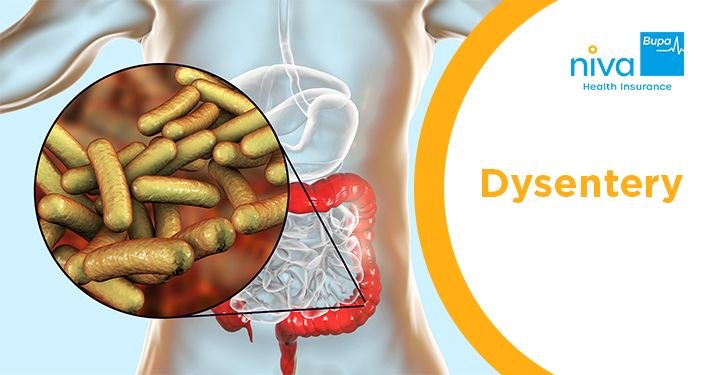
Dealing with a severe stomach infection is a serious health risk that disrupts your life and drains your energy. While many people mistake it for a simple case of food poisoning, dysentery is a specific inflammatory condition of the gut that requires careful attention. If you are experiencing sharp abdominal pain or frequent trips to the bathroom that seem more intense than usual, it is important to understand what your body is trying to tell you.
Nowadays, staying informed about digestive health is essential for everyone, from parents looking after their children to travellers exploring new cities. This blog provides a clear, straightforward look at the common dysentery symptoms, the primary causes of dysentery, and the most effective ways to treat and prevent dysentery disease. By knowing the facts, you can take quick action to recover faster and protect your family’s well-being.
What is Dysentery?
Dysentery is an inflammatory disease of the intestine, specifically the colon. While many people use the terms "diarrhoea" and "dysentery" interchangeably, they are not the same. While diarrhoea involves loose, watery stools, the hallmark of dysentery is the presence of blood and mucus in the stool, often accompanied by severe abdominal pain.
There are two primary forms of this condition:
- Bacillary Dysentery: Caused by bacteria like Shigella, Salmonella, or E. coli. This is the most common form in most parts of the world.
- Amoebic Dysentery: Caused by a microscopic parasite called Entamoeba histolytica. This type is more frequent in tropical regions with poor sanitation.
What are the Causes of Dysentery?
The infection doesn't just appear out of nowhere; it is almost always the result of the "faecal-oral" route. This means the causes of dysentery are usually linked to the accidental ingestion of contaminated material.
- Contaminated Water: Drinking water from untreated sources, lakes, or even swimming in polluted pools.
- Poor Food Hygiene: Eating food prepared by someone who hasn't washed their hands properly or consuming raw vegetables washed in "dirty" water.
- Person-to-Person Contact: The bacteria or parasites can live on surfaces like doorknobs or shared towels.
- Lack of Sanitation: In areas with poor sewage systems, pathogens can easily enter the local food and water supply.
What are the Common Dysentery Symptoms?
Identifying the problem early is the first step toward a quick recovery. While the severity can range from mild discomfort to life-threatening dehydration, the most common dysentery symptoms include:
- Bloody Diarrhoea: This is the most defining symptom. Stools are frequent and contain visible blood or mucus.
- Intense Abdominal Cramping: Patients often describe a "gnawing" or "sharp" pain in the lower stomach area.
- High Fever and Chills: Especially in bacillary cases, the body's immune response triggers a significant rise in temperature.
- Nausea and Vomiting: The infection often disrupts the entire digestive process, making it hard to keep fluids down.
- Tenesmus: This is the constant, painful urge to pass stools, even when the bowels are empty.
- Dehydration: Signs include a dry mouth, extreme thirst, dizziness, and dark-coloured urine.
Why You Should Not Ignore the Symptoms?
While many cases of dysentery resolve with rest and the right medication, ignoring the symptoms can lead to severe health complications. When the body is under attack by the pathogens that cause dysentery disease, the inflammation can spread or trigger secondary reactions in different organ systems.
- Haemolytic Uremic Syndrome (HUS): A serious condition primarily associated with Shigella. It involves the destruction of red blood cells, which can lead to acute kidney failure. It is particularly dangerous for young children and the elderly.
- Liver Abscesses: In cases of amoebic dysentery, the parasites can travel through the bloodstream from the intestines to the liver. This causes a collection of pus (an abscess) that requires intensive medical drainage and long-term antibiotic therapy.
- Post-Infectious Arthritis: Some patients develop joint pain and inflammation after the initial intestinal infection has cleared. This is an immune response where the body mistakenly attacks its own tissues following a bout of dysentery.
- Toxic Megacolon: This is a rare but life-threatening complication where the colon becomes severely dilated and unable to expel gas or stool. If not treated immediately, it can lead to a rupture of the bowel, which is a surgical emergency.
How is Dysentery Diagnosed and Treated?
If you suspect you have dysentery, seeking medical advice is non-negotiable. Self-treating with over-the-counter "stop-diarrhoea" medications (like loperamide) can actually be dangerous because they slow down the gut, trapping the toxins inside your body for longer.
Diagnosis
A doctor will typically ask for a stool sample to perform a culture test. This helps determine whether the infection is bacterial or parasitic, which guides treatment.
Medical Treatment
- Antibiotics: Specifically prescribed for dysentery disease caused by bacteria like Shigella.
- Antiparasitic Drugs: Used to target Entamoeba histolytica in amoebic cases.
- Rehydration (The Most Crucial Step): Using Oral Rehydration Salts (ORS) to replenish lost electrolytes and fluids. In severe cases, intravenous (IV) fluids in a hospital setting may be required.
Home Care and Diet
During recovery, stick to the BRAT diet:
- Bananas
- Rice
- Applesauce
- Toast Avoid dairy, spicy foods, caffeine, and alcohol until your digestive system has completely healed.
Why Health Insurance is Your Best Defence?
A severe bout of dysentery can escalate quickly. What starts as a stomach ache can lead to a multi-day hospital stay, especially if dehydration sets in or complications like kidney issues arise. In 2026, medical costs for hospitalisation and specialist consultations have reached a point where an unexpected illness can put a significant dent in your savings. This is where an extensive health insurance plan can serve as a safety net and ensure that you deal with such medical conditions with confidence. It also ensures that you focus on your recovery rather than the medical bills.
How to Stay Safe?
Prevention is always better (and cheaper) than a cure. To avoid the various causes of dysentery, follow these gold standards of hygiene:
- Wash Hands Regularly: Use soap and warm water for at least 20 seconds after using the bathroom and before handling food.
- Drink Safe Water: Stick to bottled, boiled, or chemically treated water when travelling.
- Peel it or Cook it: Avoid raw salads or unpeeled fruits in areas with questionable sanitation.
- Maintain Clean Surfaces: Regularly disinfect high-touch areas in your home if a family member is ill.
Wrapping Up
While dysentery is a serious and painful condition, it is both preventable and treatable with the right knowledge. By staying vigilant about hygiene, recognising the dysentery symptoms early, and seeking professional medical help, you can protect yourself and your loved ones from the worst effects of this dysentery disease.
Health is unpredictable, but your financial security shouldn't be. Whether it's a sudden infection or a long-term wellness goal, being prepared is the smartest move you can make. This is where Niva Bupa’s health insurance becomes essential. Our plans don't just cover the "big" surgeries; it covers inpatient hospitalisation for infectious diseases, diagnostic tests, and even post-hospitalisation recovery. Having coverage ensures that you focus on getting better rather than worrying about the hospital bill.
People Also Ask
1. Is dysentery the same as food poisoning?
While both result from consuming contaminated items, dysentery is a specific, severe clinical infection characterised by painful intestinal inflammation and bloody stools. Food poisoning is a broader term for any illness caused by toxins or germs in food, often resulting in typical diarrhea or vomiting without the severe internal inflammation seen in dysentery.
2. How long does dysentery last?
The duration depends on the cause; mild bacillary cases often resolve within 3 to 7 days with proper hydration and rest. However, amoebic dysentery or severe bacterial infections can persist for several weeks and may cause recurring symptoms if not treated with the specific medications prescribed by a healthcare professional.
3. Can I treat dysentery at home with just water?
Drinking plain water is helpful but usually insufficient, as the body loses vital salts and electrolytes during an infection. It is essential to use Oral Rehydration Salts (ORS) to maintain balance and seek medical advice to determine if antibiotics are necessary to clear the underlying causes of dysentery.
4. Is dysentery contagious?
Yes, it is highly contagious and spreads easily through the faecal-oral route, including contaminated hands, surfaces, or shared food. Practising strict hand hygiene and isolating the personal items of an infected individual are necessary steps to prevent the spread of the infection to other household members.
5. What are the signs of severe dehydration?
Severe dehydration is a medical emergency marked by extreme thirst, a very dry mouth, and a lack of urination for several hours. If you also experience dizziness, rapid heart rate, or confusion, you must seek immediate hospital care to receive intravenous fluids and stabilise your condition.
6. Can children get dysentery?
Children are at a higher risk because their immune systems are still developing, and they often touch surfaces and then their mouths. Since children can dehydrate much faster than adults, it is critical to monitor their dysentery symptoms closely and consult a paediatrician at the first sign of blood in their stool.
7. Does boiling water kill the germs that cause dysentery?
Boiling water is one of the most effective ways to neutralise the bacteria and parasites that lead to this illness. To ensure the water is safe, bring it to a rolling boil for at least one full minute, which effectively destroys the pathogens responsible for dysentery disease.
8. Can dysentery lead to long-term health problems?
If left untreated, the infection can lead to serious complications such as reactive arthritis, kidney damage (hemolytic uremic syndrome), or liver abscesses. Early diagnosis and proper medical intervention are the best ways to ensure a full recovery and prevent these long-term secondary health issues.
9. Does health insurance cover the cost of treating dysentery?
Most comprehensive health insurance plans cover the costs associated with inpatient hospitalisation and diagnostic tests. Having a policy ensures that you can access quality medical care and professional consultations without worrying about high out-of-pocket expenses during an emergency.
10. When should I see a doctor for diarrhoea?
You should seek medical attention immediately if you notice blood or mucus in your stool, experience a high fever, or have persistent vomiting. Professional help is also necessary if the diarrhoea is frequent and shows no signs of improvement after 48 hours, as this may indicate a serious case of dysentery.
Get right coverage, right premium and the right protection instantly.
 By clicking, I agree to Niva Bupa
 You may also like



Popular Searches
Health Insurance - Health Insurance | Best Family Health Insurance | Best Health Insurance For Senior Citizens In India | Health Insurance With Opd Cover | Mediclaim Insurance | Critical Illness Insurance | Personal Accident Insurance | Mediclaim Policy | Individual Health Insurance | Maternity Insurance | Best Health Insurance company | NRI Health Insurance
Health Insurance Schemes - PMMVY Login | PMJJBY Policy Status | Swasthya Sathi Card | PMSBY | PMJJBY | Ayushman Card | PMMVY 2.0 | Ayushman Vay Vandana Card | PMMVY NIC IN रजिस्ट्रेशन | PMMVY 2.0 लॉगिन
Travel Insurance Plans - Travel Insurance | International Travel Insurance | Student Travel Insurance | Travel Insurance USA | Travel Insurance Canada | Travel Insurance Thailand | Travel Insurance Germany | Travel Insurance Dubai | Travel Insurance Bali | Travel Insurance Australia | Travel Insurance Schengen | Travel Insurance Singapore | Travel Insurance UK | Travel Insurance Vietnam | Travel Insurance Japan | Travel Insurance Spain | Travel Insurance Asia | Travel Insurance Netherlands | Travel Insurance Turkey | Travel Insurance Ireland | Travel Insurance Phillipines | Travel Insurace Italy | Travel Insurance France | Travel Insurance China | Travel Insurance Georgia | Travel Insurance South Africa | Travel Insurance Maldives | Travel Insurance Portugal | Travel Insurance Malaysia | Travel Insurance Qatar | Travel Insurance Poland | Travel Insurance Greece | Travel Insurance New zealand | Travel Insurance Saudi Arabia | Travel Insurance Sri Lanka
Become an Agent - Insurance Agent | IRDA Certificate Download | IRDA Exam Syllabus | IRDA exam fee | Paise Kaise Kamaye | Ghar Baithe Paise Kaise Kamaye
Top Hospitals - Best Hospitals in Gurgaon
Others - Ayushman Bharat | Gst Refund for NRI on Health Insurance Premium
Health & Wellness - शिलाजीत के फायदे हिंदी | Weight Gain Diet in Hindi | Sat Isabgol Uses In Hindi | Aloe Vera Juice Benefits in Hindi | Dragon Fruit Benefits in Hindi | Akal Daad in Hindi | Acidity Home Remedies in Hindi | Nikat Drishti Dosh in Hindi | Yoga Benefits in Hindi | Laung Khane ke Fayde in Hindi | Leukoplakia in Hindi | Protien in 100g Paneer | Benefits of Rice Water For Skin | B12 Deficiency Symptoms in Hindi | Fibre Foods in Hindi | Chronic Disease Meaning in Hindi | Vitamin D Foods in Hindi | Blood Urea in Hindi | Beetroot Uses Good for Health
Calculator - BMI Calculator | Pregnancy Calculator | Pregnancy Calendar Based on Conception Date | Pregnancy Conception Date Calculator | Last Menstrual Period Calculator | BMR Calculator | GFR Calculator | Ovulation Calculator



www.nivabupa.com

+91 11 30902010

1860-500-8888

CIN: L66000DL2008PLC182918
IRDAI Registration No. 145

Corporate Office: 3rd Floor, Capital Cyberscape, Sector 59, Gurgaon
Registered Office: C-98, First Floor, Lajpat Nagar, Part 1, Delhi-110024, India


