

HCV Test: HCV Hepatitis C Test Meaning, Procedure and Reports
20 March, 2026
8 Shares
152 Reads
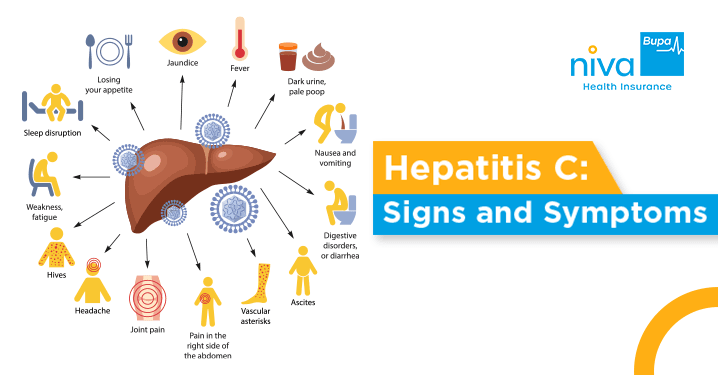
The Hepatitis C Virus (HCV) remains one of the major challenges to global public health. Commonly known as a silent killer, this is a blood-borne virus, which can stay in the human body for decades, without creating any symptoms all the time and slowly destroying the liver. Understanding the HCV test--including what it measures, how the procedure works, and how to interpret the results--is the first step toward effective management and a potential cure.
In this comprehensive guide, we will break down everything you need to know about the HCV Hepatitis C test, providing you with the clarity needed to navigate your diagnostic journey.
What is an HCV Test? Venturing into The Hepatitis C Screening
The HCV test is a diagnostic tool used to determine if an individual has been infected with the Hepatitis C virus. In contrast to other viruses, which trigger an acute infection that is usually fast and harmful to the body, HCV creates a chronic infection, which may lead to cirrhosis, liver failure, or liver cancer if it is not treated. Since the virus is mostly spread in a blood-to-blood mode, the only sure mechanism of detecting the infection is to screen for it in the early, manageable stages.
The Science of the screening
Assuming that the Hepatitis C virus was introduced to the bloodstream, the immune system of the body is activated, producing special proteins known as antibodies. The first examination is the HCV Antibody Test (anti-HCV). When this test turns out to be positive, it means that there is a time in your life when you were exposed to the virus. It may, however, not necessarily imply that you have an active infection. Others are able to naturally eliminate the virus with the help of their body system, but the antibodies permanently remain in the blood.
Who Should Get Tested?
Medical authorities frequently recommend the HCV Hepatitis C test for specific high-risk groups. These consist of those who have undergone blood transfusions or organ transplants before 1992 (when screening became definitive), healthcare workers who came in contact with needlesticks, and people with some medical problems, such as HIV. Also, most health organisations currently recommend that every adult undergo screening at least once in their life, even when they do not perceive being at risk, because of the asymptomatic nature of the disease.
The Clinical Procedure: What to Expect During an HCV Hepatitis C Test
Undergoing a medical test can often be a source of anxiety, but this procedure is straightforward, minimally invasive, and requires very little preparation. Being aware of the procedure will make the process less mystical, and things will go well when you attend the laboratory or the clinic.
Pre-test Requirements
One of the advantages of the HCV Hepatitis C test is that it generally does not require fasting. Before the appointment, you are allowed to eat normally and drink normally. Nevertheless, it is a universal rule to report to your health practitioner about any drugs or supplements you have taken and any chronic or other health-related issues that may impact blood clotting.
The Blood Draw Process
This is a standard venipuncture (procedure of puncturing a vein, usually in the arm). A phlebotomist or nurse will clean a small area of your arm, usually at the elbow, using an antiseptic pad. Then, they will insert a fine needle into a vein to collect a small amount of blood in a vacuum tube. The whole procedure can last a whole five minutes. Although you may experience a short-term pinch or sting where the injection was given, the pain is short-term.
Post-Procedure Care
When the blood is made available, pressure should be applied to the point to prevent any slight bleeding, and a small bandage should be put. You are also able to resume your normal life instantly. Several patients will get small bruises, but these disappear after several days. The sample is then forwarded to a special laboratory where technicians identify the existence of HCV antibodies or the genetic material of the virus.
Decoding the Reports: Interpreting Your HCV Test Results
When you receive your laboratory report, they give you the details in medical terms, which are not easily understood. The results of an HCV test are typically delivered in two stages: the initial screening and, if necessary, the confirmatory follow-up.
Irrelevant or Making No Change
If your report indicates that the HCV test is "non-reactive" or "negative," it means no Hepatitis C antibodies were found in your blood. This means, in the vast majority of situations, that you are not infected already. But, in case you think that you have been in contact with the virus quite recently (within 6-11 weeks), the test may be negative since your body is still not able to produce antibodies yet. This has been referred to as the window period, and a re-test can be recommended.
Reactive Results or Positive Results
A positive or reactive outcome indicates the presence of antibodies to HCV. As stated in the previous point, this is an indicator of either past or current exposure. It fails to give a clear diagnosis of an existing and ongoing chronic infection. Doctors will require a second test, known as the HCV RNA PCR test, to ensure that the second test does not show the presence of the virus in your body.
The HCV RNA Test (Viral Load) Role
The HCV RNA test estimates the presence of the virus in your blood. Whether this test is positive, it is the confirmation of having an active infection of chronic Hepatitis C. A report will frequently carry a number of the so-called viral load, or the quantity of virus currently circulating within your system, as reported to the doctor. This data is essential in ascertaining how urgent the treatment needs to be and in monitoring your response to the antiviral therapies in the future.
Different Types of HCV Tests: Screening vs. Diagnostic
Not all HCV Hepatitis C tests are the same. Various methodologies could be applied by your doctor depending on which point of the journey in your diagnosis you are at.
Rapid HCV Antibody Screening
In some clinics or community health centres, rapid tests for HCV are available. These can be a finger stick (a small section of blood on the tip of the finger) or an oral swab. Within a time span of 20 to 30 minutes, the results are normally available. Although quite precise, a positive test on a rapid test will still be subject to a typical blood draw and laboratory analysis.
HCV Genotype Testing
Genotype testing becomes the second important step in case an active infection has been diagnosed with the help of an RNA test. Hepatitis C has at least six different genotypes (Genotypes 1-6). The general strain is determining which particular kind of strain you possess, and it will determine the kind of medicine you will be given and how long you will be under treatment. As an example, certain drugs are pangenotypic (active against all strains), while other drugs are of high specificity.
Liver Damage (FibroScan and Biopsy) Assessment
While not technically an HCV test for the virus itself, tests that measure liver stiffness (like FibroScan) or a liver biopsy may be performed following a diagnosis. These examinations assist medical workers in knowing whether the virus has brought about scarring (fibrosis) or more progressive harm (cirrhosis), which is beneficial in modifying the severity of the medical treatment.
Conclusion
The journey from an initial HCV test to a confirmed diagnosis and eventual cure is a path paved with scientific advancement and hope. Although the process of being diagnosed with Hepatitis C may be horrifying, thanks to modern medicine, this disease that was previously an irreversible one has become curable. Early diagnosis is the most important factor; when the virus is detected before it has caused permanent liver damage, then people would be in a position to live long, healthy and rich lives.
Because you are taking the initiative to take care of your health, you need to bear in mind that the greatest investment you make is your health. Purchasing a plan under Niva Bupa Health Insurance will give you the peace of mind that you are sure of the best medical care, and also the finances. It could be during a regular check-up or any form of special treatment, with an effective insurance company, you are sure that you and your loved ones are ready to face any kind of medical contingency. Be educated, be tested and look after yourself.
FAQs
1. What is an HCV test for?
An HCV test is a specialised medical screening used primarily to identify the presence of the Hepatitis C virus in the bloodstream. The first step of testing aims at identifying antibodies that are the proteins produced by the immune system and are specifically created to combat this virus. The detection of these antibodies will help healthcare providers to know whether a person has ever been exposed to the virus. Other tests of diagnosis, including HCV RNA test, are performed to verify whether the virus is active and is replicating in the body, commendable in establishing the need to involve medical interventions.
2. What if an HCV test is positive?
The outcome generated in an HCV antibody screening as positive means that the virus has at some point in your life gained entry into your system. One should note that a positive antibody test that is positive does not necessarily indicate an existing active infection because a number of people get rid of the virus on their own. Positive result further on the clinical action will be to proceed with the confirmatory test of the presence of the virus, that is, a test of the viral HCV RNA. In an event where the second test is also positive, this would confirm the presence of a chronic infection. A medical practitioner will then talk about the available antiviral therapies, which are the most effective in curing the infection.
3. Is HCV-negative good or bad?
Generally, a negative HCV test result is considered a positive health indicator, as it means no antibodies to the Hepatitis C virus were detected in your blood sample. This usually implies that you have not been infected by the virus. Nevertheless, the time when the test is carried out is very important; in case a person got exposed not so long ago, there is a possibility that the body has not had enough time to generate quantifiable antibodies. In this case, a negative outcome may be a false alarm within the window period, and they may be advised to take a follow-up in a few weeks with a doctor to make certain that it is 100 per cent accurate.
4. Is Hep C positive serious?
Although a Hepatitis C diagnosis is a stern medical issue no longer needs to be the life sentence that it used to be because of monumental changes in pharmaceutical technological realms. Unmanaged and untreated chronic cases of Hepatitis C may cause severe liver-related cases, which include cirrhosis, permanent hepatic scarring and a high likelihood of liver cancer. The severity of the condition, however, can be controlled in large part by early detection and regular medical attention due to modern Direct-Acting Antiviral treatments being able to cure the vast majority of cases in a few weeks. By taking proactive measures to take care of your health, you will have invested time in setting up defences so that the virus will not get to the point where it will inflict irreversible damage on your body internally.
Get right coverage, right premium and the right protection instantly.
 By clicking, I agree to Niva Bupa
 You may also like



Popular Searches
Health Insurance - Health Insurance | Best Family Health Insurance | Best Health Insurance For Senior Citizens In India | Health Insurance With Opd Cover | Mediclaim Insurance | Critical Illness Insurance | Personal Accident Insurance | Mediclaim Policy | Individual Health Insurance | Maternity Insurance | Best Health Insurance company | NRI Health Insurance
Health Insurance Schemes - PMMVY Login | PMJJBY Policy Status | Swasthya Sathi Card | PMSBY | ABHA Card Download | PMJJBY | Ayushman Card | PMMVY 2.0 | Ayushman Vay Vandana Card | PMMVY NIC IN रजिस्ट्रेशन | PMMVY 2.0 लॉगिन
Travel Insurance Plans - Travel Insurance | International Travel Insurance | Student Travel Insurance | Travel Insurance USA | Travel Insurance Canada | Travel Insurance Thailand | Travel Insurance Germany | Travel Insurance Dubai | Travel Insurance Bali | Travel Insurance Australia | Travel Insurance Schengen | Travel Insurance Singapore | Travel Insurance UK | Travel Insurance Vietnam | Travel Insurance Japan | Travel Insurance Spain | Travel Insurance Asia | Travel Insurance Netherlands | Travel Insurance Turkey | Travel Insurance Ireland | Travel Insurance Phillipines | Travel Insurace Italy | Travel Insurance France | Travel Insurance China | Travel Insurance Georgia | Travel Insurance South Africa | Travel Insurance Maldives | Travel Insurance Portugal | Travel Insurance Malaysia | Travel Insurance Qatar | Travel Insurance Poland | Travel Insurance Greece | Travel Insurance New zealand | Travel Insurance Saudi Arabia | Travel Insurance Sri Lanka
Become an Agent - Insurance Agent | Insurance Advisor | Licensed Insurance Agent | Health Insurance Consultant | POSP Insurance Agent | IRDA Certificate Download | IC 38 Exam | Insurance Agent vs POSP | IRDA Exam Syllabus | IRDAI Agent Locator | IRDA exam fee | Paise Kaise Kamaye | Ghar Baithe Paise Kaise Kamaye
Top Hospitals - Best Hospitals in Chennai | Top Hospitals in Delhi | Best Hospitals in Gurgaon | Best Hospitals in India | Top 10 Hospitals in India | Best Hospitals in Hyderabad | Best Hospitals in Kolkata | Best cancer hospitals in Bangalore | Best cancer hospitals in Hyderabad | Best cancer hospitals in Mumbai | Best cancer hospitals in India | Top 10 cancer hospitals in India
Others - Ayushman Bharat | Gst Refund for NRI on Health Insurance Premium | Health Insurance Tax Deductible
Health & Wellness - शिलाजीत के फायदे हिंदी | Weight Gain Diet in Hindi | Sat Isabgol Uses In Hindi | Aloe Vera Juice Benefits in Hindi | Dragon Fruit Benefits in Hindi | Akal Daad in Hindi | Acidity Home Remedies in Hindi | Nikat Drishti Dosh in Hindi | Yoga Benefits in Hindi | Laung Khane ke Fayde in Hindi | Leukoplakia in Hindi | Protien in 100g Paneer | Benefits of Rice Water For Skin | B12 Deficiency Symptoms in Hindi | Fibre Foods in Hindi | Chronic Disease Meaning in Hindi | Vitamin D Foods in Hindi | Blood Urea in Hindi | Beetroot Uses Good for Health
Calculator - BMI Calculator | Pregnancy Calculator | Pregnancy Calendar Based on Conception Date | Pregnancy Conception Date Calculator | Last Menstrual Period Calculator | BMR Calculator | GFR Calculator | Ovulation Calculator



www.nivabupa.com

+91 11 30902010

1860-500-8888

CIN: L66000DL2008PLC182918
IRDAI Registration No. 145

Corporate Office: 3rd Floor, Capital Cyberscape, Sector 59, Gurgaon
Registered Office: C-98, First Floor, Lajpat Nagar, Part 1, Delhi-110024, India


