

How Do You Calculate Kidney Function Using EGFR Calculator?
11 February, 2026
7 Shares
358 Reads
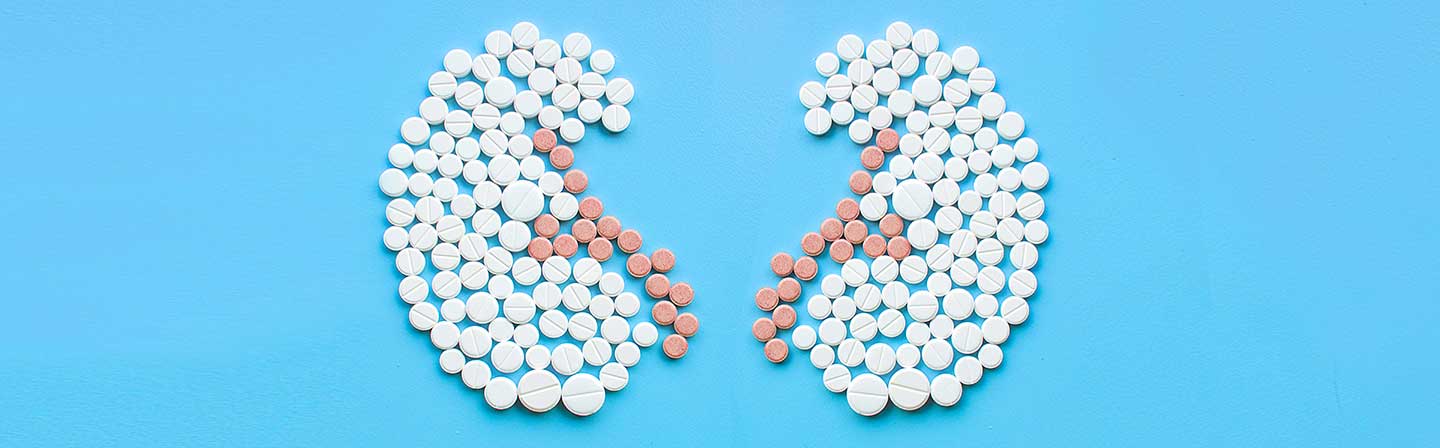
Kidney health is often taken for granted until a problem arises. However, our kidneys perform essential tasks like filtering waste, balancing electrolytes, and regulating blood pressure. The best way to understand kidney health is through kidney function tests, and one of the most important measures is the Estimated Glomerular Filtration Rate (eGFR). In this blog, we will explain how do you calculate kidney function, what an EGFR calculator is, and why it matters for your overall health.
What Is Kidney Function?
Kidney function refers to how well your kidneys filter blood and remove waste products. Healthy kidneys filter around 120–125 millilitres of blood per minute. When kidney function drops, waste accumulates, leading to symptoms such as fatigue, swelling, high blood pressure, and even serious complications.
What is eGFR?
eGFR stands for Estimated Glomerular Filtration Rate. It is a key marker used to assess kidney function. Instead of directly measuring kidney filtration (which is complex and time-consuming), eGFR provides an estimated value based on a blood test, usually the serum creatinine level.
eGFR is widely used because it gives a reliable estimate of kidney function and helps doctors diagnose chronic kidney disease (CKD) at an early stage.
Why is eGFR Important?
The eGFR helps in:
- Detecting kidney disease early
- Monitoring kidney health over time
- Guiding medication dosage adjustments
- Evaluating the severity and staging of kidney disease
- Determining the need for specialist care
If your eGFR is below the normal range, your doctor may recommend further tests or lifestyle changes.
How Do You Calculate Kidney Function?
Many people ask “how do you calculate kidney function?” The most common way is by using an eGFR calculator. This calculator uses your blood creatinine levels along with other factors such as age, gender, and sometimes ethnicity.
The Key Factors Used in eGFR Calculation
The calculation usually involves:
- Serum Creatinine: Creatinine is a waste product produced by muscles and filtered out by kidneys. High creatinine usually indicates reduced kidney function.
- Age: Kidney function naturally declines with age.
- Gender: Men usually have higher creatinine due to greater muscle mass.
- Body Size / Weight: Some eGFR formulas consider body size.
Common eGFR Formulas
There are several formulas, but the most widely used are:
CKD-EPI (Chronic Kidney Disease Epidemiology Collaboration)
This is the preferred method for most adults because it is more accurate.
MDRD (Modification of Diet in Renal Disease)
Previously widely used, but slightly less accurate than CKD-EPI.
Example: A typical eGFR result might look like eGFR = 92 mL/min/1.73m², which indicates normal kidney function.
How to Use an EGFR Calculator?
An EGFR calculator is available online and is also used by doctors. You simply input:
- Your serum creatinine value
- Your age
- Your gender
- (Sometimes) your weight or ethnicity
The calculator then gives your eGFR value.
Understanding eGFR Results
eGFR results are generally interpreted as:
What Affects Your eGFR?
Several factors can influence your eGFR result, and understanding them helps in interpreting your kidney health accurately. eGFR is not a fixed number and may fluctuate based on temporary or long-term conditions.
Dehydration
When the body lacks adequate fluids, blood becomes more concentrated, leading to a temporary rise in creatinine levels. This can falsely lower your eGFR, even if your kidneys are functioning normally. Drinking sufficient water before testing is important unless advised otherwise by a doctor.
High Blood Pressure
Uncontrolled hypertension can damage the small blood vessels in the kidneys over time. This reduces their ability to filter blood effectively, resulting in a lower eGFR and increasing the risk of chronic kidney disease.
Diabetes
High blood sugar levels can damage kidney filters (glomeruli) gradually. Diabetes is one of the leading causes of reduced eGFR and chronic kidney disease, making regular kidney function monitoring essential for diabetic patients.
Heart Disease
The heart and kidneys work closely together. Poor heart function can reduce blood flow to the kidneys, impairing filtration and lowering eGFR levels. Conditions like heart failure often coexist with kidney problems.
Certain Medications
Some medicines, such as long-term painkillers (NSAIDs), certain antibiotics, and contrast dyes used in scans, can affect kidney function. These may cause temporary or permanent changes in eGFR, especially when used frequently or without medical supervision.
Muscle Mass
Creatinine is a by-product of muscle activity, so people with higher muscle mass may naturally have higher creatinine levels, which can slightly lower eGFR readings. Conversely, elderly or underweight individuals may show deceptively normal eGFR values.
Age
Kidney function naturally declines with age. A mild reduction in eGFR in older adults may be part of the normal ageing process, but it still requires monitoring to rule out underlying kidney disease.
Because multiple factors can influence eGFR, results should always be interpreted by a healthcare professional in combination with symptoms, medical history, and other tests.
Who Should Get an eGFR Test?
You should consider an eGFR test if you:
- Have diabetes or high blood pressure
- Are above 60 years old
- Have a family history of kidney disease
- Have frequent urinary issues
- Experience swelling or fatigue
- Have abnormal creatinine results
Early detection can prevent kidney damage from progressing.
How to Improve Kidney Function Naturally?
While kidney damage can’t always be reversed, timely lifestyle changes can significantly slow disease progression, support remaining kidney function, and improve overall health. Consistency and medical guidance are key to protecting your kidneys in the long term.
Drink Adequate Water
Proper hydration helps the kidneys flush out toxins and waste products efficiently. Drinking enough water also reduces the risk of kidney stones and urinary infections. However, people with advanced kidney disease should follow the fluid intake advice given by their doctor.
Reduce Salt Intake
Excess salt increases blood pressure, which puts additional strain on the kidneys. Limiting processed foods, pickles, packaged snacks, and adding less salt while cooking can help maintain healthy kidney function and prevent fluid retention.
Control Blood Sugar
Keeping blood glucose levels within the recommended range is crucial, especially for people with diabetes. Long-term high sugar levels can damage kidney filters, so regular monitoring, medication adherence, and a balanced diet are essential.
Maintain Healthy Blood Pressure
High blood pressure is both a cause and a result of kidney disease. Managing it through medication, diet, stress reduction, and regular monitoring helps protect kidney blood vessels and slows kidney damage.
Avoid Overuse of Painkillers
Frequent use of pain-relief medicines, particularly NSAIDs, can harm the kidneys over time. These should only be taken when prescribed and in recommended doses, especially if you already have kidney-related issues.
Eat a Balanced Diet
A kidney-friendly diet includes fresh fruits, vegetables, whole grains, lean proteins, and limited saturated fats. Depending on your condition, your doctor may advise restricting protein, potassium, or phosphorus intake to reduce kidney workload.
Exercise Regularly
Moderate physical activity helps maintain healthy weight, improves blood circulation, and supports better blood sugar and blood pressure control. Activities like walking, yoga, or cycling can benefit kidney health when done consistently.
Avoid Smoking and Alcohol
Smoking reduces blood flow to the kidneys and accelerates kidney damage, while excessive alcohol can increase blood pressure and dehydration. Quitting smoking and limiting alcohol intake greatly benefits kidney and overall health.
Adopting these habits early, along with regular medical check-ups, can significantly help preserve kidney function and prevent complications.
How Often Should You Check eGFR?
If you have risk factors like diabetes or hypertension, it is recommended to get your kidney function checked at least once a year. If you already have kidney issues, your doctor may suggest more frequent monitoring.
Concluding Thoughts
Kidney health tests and treatment can be expensive, especially if you require long-term monitoring or dialysis. This is where health insurance becomes essential. Niva Bupa health insurance plans offer comprehensive coverage and help you manage costs effectively. One major benefit is cashless hospitalisation, which lets you receive treatment at network hospitals without paying upfront. Niva Bupa has a strong network of 10,400+ hospitals, making it easier to access quality care whenever needed.
With Niva Bupa, you can focus on recovery while the insurance plan supports your medical expenses, ensuring that kidney care is accessible and affordable.
People Also Ask
1. What is eGFR?
eGFR stands for Estimated Glomerular Filtration Rate, a measure of kidney function based on blood creatinine.
2. How do you calculate kidney function?
Kidney function is calculated using an eGFR calculator, which uses creatinine levels, age, gender, and other factors.
3. What is a normal eGFR range?
A normal eGFR is typically 90 or above.
4. What does low eGFR mean?
Low eGFR indicates reduced kidney function and may suggest chronic kidney disease.
5. What is an EGFR calculator?
An EGFR calculator is a tool that estimates kidney filtration rate using blood test values and personal data.
6. Can dehydration affect eGFR?
Yes, dehydration can temporarily raise creatinine and lower eGFR.
7. Does age affect eGFR?
Yes, kidney function naturally declines with age.
8. Can kidney function improve?
In some cases, kidney function can improve with lifestyle changes, but chronic kidney disease may not be fully reversible.
9. What should I do if my eGFR is low?
Consult a doctor for further tests and management, including diet, medication, and monitoring.
10. Is eGFR enough to diagnose kidney disease?
eGFR is a key indicator, but doctors also consider other tests like urine protein and imaging.
Get right coverage, right premium and the right protection instantly.
 By clicking, I agree to Niva Bupa
 You may also like



Popular Searches
Health Insurance - Health Insurance | Best Family Health Insurance | Best Health Insurance For Senior Citizens In India | Health Insurance With Opd Cover | Mediclaim Insurance | Critical Illness Insurance | Personal Accident Insurance | Mediclaim Policy | Individual Health Insurance | Maternity Insurance | Best Health Insurance company | NRI Health Insurance
Health Insurance Schemes - PMMVY Login | PMJJBY Policy Status | Swasthya Sathi Card | PMSBY | PMJJBY | Ayushman Card | PMMVY 2.0 | Ayushman Vay Vandana Card | PMMVY NIC IN रजिस्ट्रेशन | PMMVY 2.0 लॉगिन
Travel Insurance Plans - Travel Insurance | International Travel Insurance | Student Travel Insurance | Travel Insurance USA | Travel Insurance Canada | Travel Insurance Thailand | Travel Insurance Germany | Travel Insurance Dubai | Travel Insurance Bali | Travel Insurance Australia | Travel Insurance Schengen | Travel Insurance Singapore | Travel Insurance UK | Travel Insurance Vietnam | Travel Insurance Japan | Travel Insurance Spain | Travel Insurance Asia | Travel Insurance Netherlands | Travel Insurance Turkey | Travel Insurance Ireland | Travel Insurance Phillipines | Travel Insurace Italy | Travel Insurance France | Travel Insurance China | Travel Insurance Georgia | Travel Insurance South Africa | Travel Insurance Maldives | Travel Insurance Portugal | Travel Insurance Malaysia | Travel Insurance Qatar | Travel Insurance Poland | Travel Insurance Greece | Travel Insurance New zealand | Travel Insurance Saudi Arabia | Travel Insurance Sri Lanka
Become an Agent - Insurance Agent | IRDA Certificate Download | IRDA Exam Syllabus | IRDA exam fee | Paise Kaise Kamaye | Ghar Baithe Paise Kaise Kamaye
Top Hospitals - Best Hospitals in Gurgaon
Others - Ayushman Bharat | Gst Refund for NRI on Health Insurance Premium
Health & Wellness - शिलाजीत के फायदे हिंदी | Weight Gain Diet in Hindi | Sat Isabgol Uses In Hindi | Aloe Vera Juice Benefits in Hindi | Dragon Fruit Benefits in Hindi | Akal Daad in Hindi | Acidity Home Remedies in Hindi | Nikat Drishti Dosh in Hindi | Yoga Benefits in Hindi | Laung Khane ke Fayde in Hindi | Leukoplakia in Hindi | Protien in 100g Paneer | Benefits of Rice Water For Skin | B12 Deficiency Symptoms in Hindi | Fibre Foods in Hindi | Chronic Disease Meaning in Hindi | Vitamin D Foods in Hindi | Blood Urea in Hindi | Beetroot Uses Good for Health
Calculator - BMI Calculator | Pregnancy Calculator | Pregnancy Calendar Based on Conception Date | Pregnancy Conception Date Calculator | Last Menstrual Period Calculator | BMR Calculator | GFR Calculator | Ovulation Calculator



www.nivabupa.com

+91 11 30902010

1860-500-8888

CIN: L66000DL2008PLC182918
IRDAI Registration No. 145

Corporate Office: 3rd Floor, Capital Cyberscape, Sector 59, Gurgaon
Registered Office: C-98, First Floor, Lajpat Nagar, Part 1, Delhi-110024, India


