

What to Eat with Kidney Stones: Diet Chart & Food List
19 February, 2026
7 Shares
265 Reads
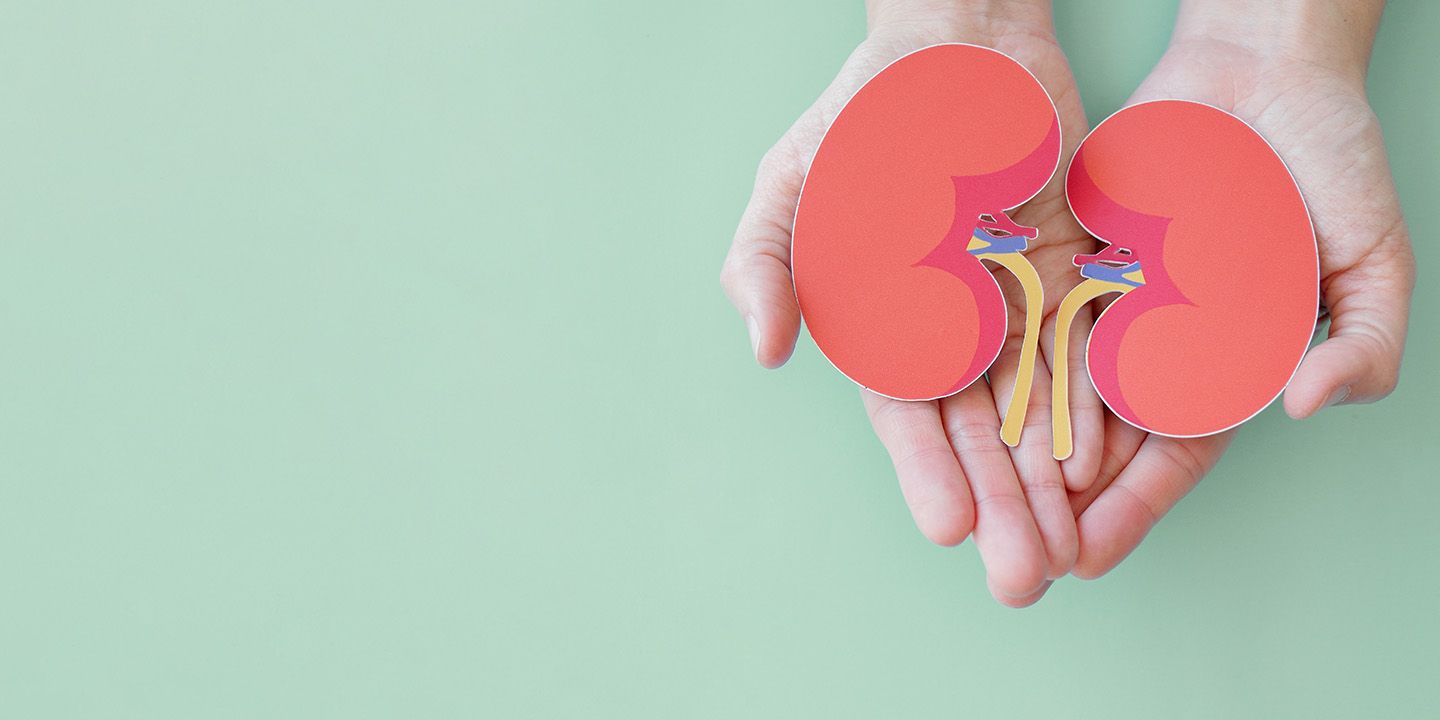
Kidney stones are a common yet extremely painful health condition that affects millions of people worldwide. While medical treatment plays a crucial role, diet is equally important in managing symptoms and preventing recurrence. A well-planned kidney stones diet helps reduce stone formation, supports kidney function, and improves overall health.
In this blog, we will explain what kidney stones are, why diet matters, which foods are beneficial or harmful, and share a practical kidney stone diet chart that you can follow daily.
What Are Kidney Stones?
Kidney stones are hard mineral and salt deposits that form inside the kidneys when urine becomes concentrated. This allows minerals such as calcium, oxalate, and uric acid to crystallise and stick together. Stones may remain in the kidney or travel through the urinary tract, often causing severe pain.
Types of Kidney Stones
Understanding the type of kidney stone helps in planning the right diet:
- Calcium Oxalate Stones: The most common type, often linked to high oxalate intake and dehydration
- Uric Acid Stones: Caused by high protein intake and acidic urine
- Struvite Stones: Associated with urinary tract infections
- Cystine Stones: Rare and genetic in origin
Although dietary advice may vary slightly by type, many principles of a kidney stones diet apply universally.
Why Is Diet Important for Kidney Stones?
Diet plays a central role in both the formation and prevention of kidney stones because it directly influences the composition of urine. When the diet is high in salt, sugar, animal protein, or oxalate-rich foods, the concentration of stone-forming substances in urine increases. On the other hand, the right food choices help dilute urine, balance minerals, and prevent crystals from sticking together and growing into stones.
A well-planned and consistent kidney stones diet can offer several long-term benefits:
- Reduce pain episodes: By limiting foods that trigger stone formation and increasing fluid intake, diet helps reduce the chances of stones growing or moving through the urinary tract, which is the main cause of severe pain.
- Prevent stone recurrence: Kidney stones have a high recurrence rate. Following a structured diet lowers the levels of calcium, oxalate, and uric acid in urine, significantly reducing the risk of stones forming again.
- Support medical treatment: Diet enhances the effectiveness of medications prescribed to dissolve or prevent stones. Without dietary control, medical treatment alone may not provide lasting results.
- Improve kidney health long-term: A balanced diet reduces strain on the kidneys, supports proper filtration, and helps maintain overall kidney function, lowering the risk of chronic kidney problems in the future.
In short, diet is not just a supportive measure but a critical part of kidney stone management and prevention.
Key Principles of a Kidney Stones Diet
Before looking at specific foods, it is important to understand the basic rules:
- Stay well hydrated
- Reduce sodium intake
- Eat balanced amounts of calcium
- Limit oxalate-rich foods
- Control animal protein intake
Following these principles makes a kidney stone diet chart effective and sustainable.
What to Eat with Kidney Stones?
Kidney stones can be painful and recurrent, but the right food choices can make a significant difference in managing the condition. Understanding what to eat with kidney stones helps reduce stone formation, ease symptoms, and support long-term kidney health.
1. Water and Fluids
Hydration is the cornerstone of any kidney stone diet. Drinking enough water dilutes urine and helps flush out stone-forming minerals.
Best options:
- Plain water
- Lemon water
- Coconut water
- Barley water
Aim for at least 2.5–3 litres daily, unless restricted by your doctor.
2. Citrus Fruits
Citrus fruits contain citrate, which prevents stone formation by binding calcium in urine.
Recommended fruits:
- Lemons
- Oranges
- Sweet lime
- Grapefruit (in moderation)
3. Low-Oxalate Vegetables
Vegetables are essential, but should be chosen wisely.
Safe options:
- Cabbage
- Cauliflower
- Bottle gourd
- Ridge gourd
- Cucumber
These vegetables support digestion and hydration without increasing oxalate levels.
4. Adequate Calcium Sources
Contrary to popular belief, calcium should not be completely avoided. Dietary calcium binds oxalate in the gut, reducing stone risk.
Healthy calcium sources:
- Milk (in moderation)
- Yoghurt
- Paneer
- Fortified plant milk
5. Whole Grains and Fibre
Fibre improves digestion and helps regulate mineral absorption.
Include:
- Oats
- Brown rice
- Whole wheat bread
- Barley
Foods to Avoid with Kidney Stones
A kidney stones diet is incomplete without knowing what to limit or avoid.
1. High-Oxalate Foods
Excess oxalate contributes to stone formation.
Limit the consumotion of:
2. Excess Salt
High sodium increases calcium excretion in urine.
Try to avoid:
- Processed foods
- Pickles
- Packaged snacks
- Instant meals
3. Animal Protein
Too much animal protein raises uric acid levels.
Limit the intake of:
- Red meat
- Organ meats
- Excess eggs
4. Sugary Drinks
Sugary and fizzy drinks increase stone risk.
Avoid having following drinks in your diet:
- Soft drinks
- Sweetened juices
- Energy drinks
Kidney Stone Diet Chart
Here is a simple kidney stone diet chart you can adapt to your routine:
Early Morning:
- Warm water with lemon
Breakfast:
- Oats porridge with fruit
- Low-fat milk or yoghurt
Mid-Morning:
- Coconut water or fruit
Lunch:
- Whole wheat roti
- Low-oxalate vegetable curry
- Curd
Evening Snack:
- Roasted makhana or fruit
Dinner:
- Light meal with vegetables and grains
- Limited salt
Before Bed:
- A glass of water
Lifestyle Tips Along with Diet
A kidney-friendly diet is most effective when combined with healthy lifestyle habits. These daily practices support kidney function, improve metabolism, and significantly reduce the chances of kidney stone recurrence.
Exercise Regularly
Regular physical activity helps improve blood circulation, supports better calcium metabolism, and reduces the risk of stone formation. Activities such as brisk walking, yoga, swimming, or light strength training for at least 30 minutes a day are beneficial.
Maintain a healthy weight
Being overweight increases the risk of kidney stones due to metabolic imbalances and higher uric acid levels. Maintaining a healthy weight through balanced eating and regular exercise helps keep urine chemistry stable and kidneys functioning efficiently.
Do not hold urine for long periods
Delaying urination allows minerals to concentrate in the bladder and kidneys, increasing the risk of crystal formation. Passing urine regularly helps flush out stone-forming substances from the urinary tract.
Avoid smoking and excessive alcohol use
Smoking reduces blood flow to the kidneys and accelerates kidney damage, while excessive alcohol can cause dehydration and increase uric acid levels. Avoiding these habits supports long-term kidney and overall health.
Get regular health check-ups
Routine urine tests, blood tests, and imaging studies help detect early signs of stone formation or kidney dysfunction. Regular medical check-ups ensure timely intervention and personalised dietary or treatment adjustments.
Adopting these lifestyle changes alongside a structured kidney stone diet creates a strong foundation for preventing stones and protecting kidney health in the long run.
Way Forward
Managing kidney stones may require repeated tests, imaging, medications, or even surgery. These treatments can become expensive without financial planning. Niva Bupa health insurance plans provide comprehensive coverage for hospitalisation related to kidney stone treatment. With the benefit of cashless hospitalisation, you can receive care without worrying about upfront payments. We also offer access to 10,400+ network hospitals across India, ensuring timely and quality treatment wherever you are.
With the right kidney stones diet, lifestyle changes, and health insurance support, kidney stone management becomes more effective and stress-free.
FAQs (Frequently Asked Questions)
1. What is the best kidney stones diet?
The best kidney stones diet focuses on high fluid intake, low salt consumption, moderate dietary calcium, and limited oxalate-rich foods. This balance helps dilute urine and reduces the concentration of stone-forming minerals.
2. Can kidney stones be prevented with diet alone?
Diet significantly lowers the risk of kidney stone formation and recurrence. However, for complete prevention, dietary changes should be combined with medical guidance, regular monitoring, and lifestyle modifications.
3. Is calcium bad for kidney stones?
No, dietary calcium in moderation is actually beneficial because it binds oxalate in the gut and prevents it from reaching the kidneys. Only excessive calcium supplements should be avoided unless prescribed.
4. How much water should I drink daily?
Most individuals should aim for at least 2.5–3 litres of water daily to keep urine dilute. In hot climates or during physical activity, fluid intake may need to be higher, as advised by a doctor.
5. Are lemons good for kidney stones?
Yes, lemons are rich in citrate, a natural inhibitor of kidney stone formation. Drinking lemon water regularly can help reduce the risk of calcium stone development.
6. Can I drink tea or coffee?
Tea and coffee can be consumed in moderation, but excessive intake may increase dehydration or oxalate levels. It is important to balance them with adequate water consumption.
7. Is a kidney stone diet chart useful?
Yes, a kidney stone diet chart provides structure, portion control, and consistency in daily meals. It also helps ensure balanced nutrition while avoiding foods that trigger stone formation.
8. Should I avoid all proteins?
No, protein is essential for the body, but animal protein should be consumed in limited quantities. Excessive intake can increase uric acid levels and raise the risk of stone formation.
9. Are fruits safe for kidney stones?
Most fruits are safe and beneficial due to their water and fibre content. However, fruits high in oxalates should be eaten in moderation to prevent stone development.
10. Can kidney stones recur?
Yes, kidney stones have a high recurrence rate if dietary and lifestyle changes are not followed. Consistent adherence to a kidney stone-friendly diet greatly reduces the risk of recurrence.
Get right coverage, right premium and the right protection instantly.
 By clicking, I agree to Niva Bupa
 You may also like



Popular Searches
Health Insurance - Health Insurance | Best Family Health Insurance | Best Health Insurance For Senior Citizens In India | Health Insurance With Opd Cover | Mediclaim Insurance | Critical Illness Insurance | Personal Accident Insurance | Mediclaim Policy | Individual Health Insurance | Maternity Insurance | Best Health Insurance company | NRI Health Insurance
Health Insurance Schemes - PMMVY Login | PMJJBY Policy Status | Swasthya Sathi Card | PMSBY | PMJJBY | Ayushman Card | PMMVY 2.0 | Ayushman Vay Vandana Card | PMMVY NIC IN रजिस्ट्रेशन | PMMVY 2.0 लॉगिन
Travel Insurance Plans - Travel Insurance | International Travel Insurance | Student Travel Insurance | Travel Insurance USA | Travel Insurance Canada | Travel Insurance Thailand | Travel Insurance Germany | Travel Insurance Dubai | Travel Insurance Bali | Travel Insurance Australia | Travel Insurance Schengen | Travel Insurance Singapore | Travel Insurance UK | Travel Insurance Vietnam | Travel Insurance Japan | Travel Insurance Spain | Travel Insurance Asia | Travel Insurance Netherlands | Travel Insurance Turkey | Travel Insurance Ireland | Travel Insurance Phillipines | Travel Insurace Italy | Travel Insurance France | Travel Insurance China | Travel Insurance Georgia | Travel Insurance South Africa | Travel Insurance Maldives | Travel Insurance Portugal | Travel Insurance Malaysia | Travel Insurance Qatar | Travel Insurance Poland | Travel Insurance Greece | Travel Insurance New zealand | Travel Insurance Saudi Arabia | Travel Insurance Sri Lanka
Become an Agent - Insurance Agent | IRDA Certificate Download | IRDA Exam Syllabus | IRDA exam fee | Paise Kaise Kamaye | Ghar Baithe Paise Kaise Kamaye
Top Hospitals - Best Hospitals in Gurgaon
Others - Ayushman Bharat | Gst Refund for NRI on Health Insurance Premium
Health & Wellness - शिलाजीत के फायदे हिंदी | Weight Gain Diet in Hindi | Sat Isabgol Uses In Hindi | Aloe Vera Juice Benefits in Hindi | Dragon Fruit Benefits in Hindi | Akal Daad in Hindi | Acidity Home Remedies in Hindi | Nikat Drishti Dosh in Hindi | Yoga Benefits in Hindi | Laung Khane ke Fayde in Hindi | Leukoplakia in Hindi | Protien in 100g Paneer | Benefits of Rice Water For Skin | B12 Deficiency Symptoms in Hindi | Fibre Foods in Hindi | Chronic Disease Meaning in Hindi | Vitamin D Foods in Hindi | Blood Urea in Hindi | Beetroot Uses Good for Health
Calculator - BMI Calculator | Pregnancy Calculator | Pregnancy Calendar Based on Conception Date | Pregnancy Conception Date Calculator | Last Menstrual Period Calculator | BMR Calculator | GFR Calculator | Ovulation Calculator



www.nivabupa.com

+91 11 30902010

1860-500-8888

CIN: L66000DL2008PLC182918
IRDAI Registration No. 145

Corporate Office: 3rd Floor, Capital Cyberscape, Sector 59, Gurgaon
Registered Office: C-98, First Floor, Lajpat Nagar, Part 1, Delhi-110024, India


