

Low Haemoglobin in Males: Causes and Solutions
13 August, 2025
6 Shares
551 Reads
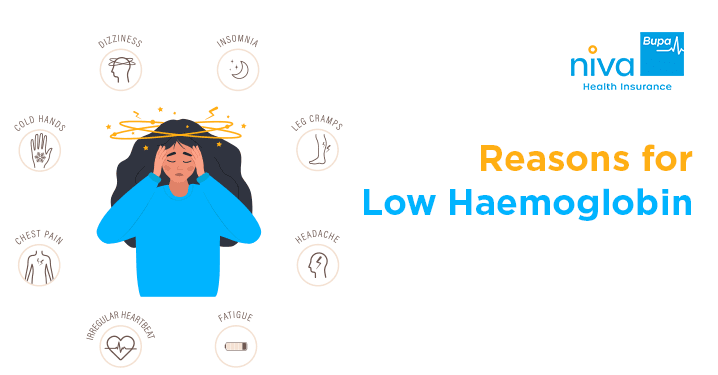
Imagine always having low energy, as if you never have enough, even after sleeping the entire night. What was easy before is now difficult, and you're exhausted just climbing a flight of stairs. If this is you, low haemoglobin may be the culprit. While anaemia is most commonly associated with women, men can also have low haemoglobin, and it can have a big impact on their lives. In this blog, we will discover reasons for low haemoglobin and uncover low haemoglobin causes that could be affecting your energy levels. If you know the key causes and take action, you can be you again.
What Is Haemoglobin, and Why Is It So Important?
Haemoglobin is a protein found in red blood cells that absorbs oxygen in the lungs and delivers it to body tissues and organs. It also transports carbon dioxide from the body tissues to the lungs to be expelled. Having healthy haemoglobin levels makes sure the tissues of the body get the oxygen they need to function properly.
The healthy minimum haemoglobin level for males ranges from 13.8 to 17.2 grams per deciliter (g/dL), although this can differ based on age, health, and other circumstances. A level below this minimum haemoglobin level for males is low and could mean the individual has anemia. Understanding the reasons for low haemoglobin is crucial to maintaining optimal health and energy levels.
Low Haemoglobin Causes in Men
Why haemoglobin decreases in men this question has numerous reasons, ranging from not eating sufficient nutrients to persistent health conditions. It is very important to establish the main reasons for low haemoglobin causes to decide on the best treatment.
1. Iron Deficiency
Iron is one of the essential elements of haemoglobin. Insufficient iron is one of the most common reasons for men to have low haemoglobin levels. Foods that contain iron include red meat, poultry, seafood, beans, and leafy green vegetables. Men with insufficient iron consumption can develop iron deficiency anemia.
The body can also struggle to absorb iron due to some conditions, including gastrointestinal diseases such as celiac disease or Crohn's disease, that interfere with the absorption of nutrients. Men who have a diet lacking adequate nutrition or with conditions that limit how well iron is absorbed are more likely to have low haemoglobin levels.
2. Vitamin B12 and Folate Deficiency
Folate and vitamin B12 are necessary for red blood cell production. Deficiency leads to a condition known as megaloblastic anaemia. The anaemia is brought about by oversized, immature red blood cells that cannot efficiently transport oxygen.
Inadequate intake of B12 and folate typically results from poor diet, but it can be brought about by diseases such as pernicious anaemia, in which the body is unable to absorb vitamin B12 from food. Limited dieters and men with gastrointestinal diseases are more likely to develop deficiency.
3. Chronic Diseases
Some chronic diseases contribute to low haemoglobin levels in male. For instance, chronic diseases like diabetic disorder, carcinoma, and chronic kidney diseases affect the body's mechanisms of producing red blood cells hence resulting in anaemia. For instance, chronic kidney disease impairs the kidneys from producing erythropoietin, which is a hormone that stimulates the production of red blood cells.
Inflammatory disease conditions, including rheumatoid arthritis, can also lower haemoglobin levels in males by disrupting red blood cell production. If there are inflammation conditions, this can, through the distortion of iron metabolism, reduce a person's potential for making haemoglobin.
4. Blood Loss
Blood loss is another key reason why men end up getting low haemoglobin. Sharp and sudden drops in haemoglobin levels tend to occur where acute blood is lost, most likely due to injury or operation. Chronic blood loss from conditions like ulcers, gastrointestinal bleeding, or haemorrhoids may gradually decrease haemoglobin levels. The risk of gastrointestinal bleeding is greater in males, as it is often caused by peptic ulcers, gastritis, or certain medications, such as nonsteroidal anti-inflammatory drugs (NSAIDs), which may irritate the stomach lining and cause bleeding.
5. Bone Marrow Disorders
The bone marrow is responsible for producing red blood cells. If the marrow becomes damaged due to conditions like leukaemia, myelodysplastic syndromes, or aplastic anaemia, it may not be able to produce enough red blood cells, leading to low haemoglobin levels. These disorders are rare but serious causes of anaemia and may require more complex treatment options.
6. Genetic Disorders
Some genetic conditions, like thalassemia and sickle cell anaemia, will cause low levels of haemoglobin in men. These disorders are inherited. They can result in a lot of symptoms ranging from fatigue to weakness and breathlessness. This condition may also need lifelong care to control its symptoms and the complications that develop.
Symptoms of Low Haemoglobin in Men
Symptoms of low haemoglobin vary with the severity of the condition. General signs are:
- Fatigue or feeling more tired than usual
- Weakness or dizziness
- Breathing difficulty, especially when exerting themselves more
- Skin that looks pale or yellowish
- Dizziness and fainting attacks
- Chest pain (rare)
- Cold hands and feet
- Headaches
Men may not always notice symptoms, especially if the decline is gradual. Understanding why haemoglobin decreases is crucial—it can result from nutritional deficiencies, blood loss, or underlying health conditions. What happens when haemoglobin is low is that the body struggles to function efficiently, weakening the immune system and increasing vulnerability to infections. Recognising these signs early and seeking medical attention can help restore energy and overall well-being.
Treatment Options for Males with Low Haemoglobin
Treatment depends on the cause of having low levels of haemoglobin. Upon its treatment, one can obtain a normal range of haemoglobin.
1. Iron supplement
For males with iron deficiency, supplementation with iron can increase haemoglobin levels. Supplements are orally taken, although intravenous infusion may be provided if the cases are severe. Besides supplementing with iron, one should consume more iron-rich foods, like red meat, chicken, beans, and fortified cereals.
2. Vitamin B12 and Folate Supplements
If the low haemoglobin is due to a deficiency in vitamin B12 or folate, supplements will be prescribed to normalise the level. These can be taken orally or intravenously if severe. Dietary sources of these vitamins include eggs, dairy products, leafy greens, and fortified grains, all of which contribute to recovery.
3. Managing Underlying Chronic Conditions
In men with chronic diseases that lead to low haemoglobin, management of the underlying condition is key. This could be medication for diabetics to control blood sugar, dialysis for patients with kidney disease, or chemotherapy for cancer patients. Often, treatment of the underlying cause helps restore the levels of haemoglobin.
4. Blood Transfusions
In acute anaemia or blood loss, the transfusion of blood may be required to enhance the levels of haemoglobin rapidly. In most cases, it is prescribed as an emergency or for non-responsive patients.
5. Surgical Interventions
If the cause of low haemoglobin is bleeding, surgery should be performed to locate the source of bleeding. Ulcers and tumours can be better controlled by surgery to arrest the bleeding process.
6. Lifestyle Changes
Through the use of healthy lifestyle modifications along with medical treatments, overall health and levels of haemoglobin can be enhanced. This means that the patient needs a well-balanced diet consisting of iron, B12, folate, and other important nutrients, as well as engaging in some regular physical activities to keep up circulatory flow and overall well-being.
Final Thoughts
Low haemoglobin levels can be due to nutrition deficiencies, chronic diseases, or loss of blood; proper determination of causes followed by their remedies can considerably enhance the quality of life to get back energy and overall health. Besides appropriate medical care and lifestyle change, regular health check-ups are essential for preventing and managing low haemoglobin. Niva Bupa Health Insurance has several plans to cover health issues. We are helpful in covering medical expenses so that one receives comprehensive treatment while under treatment for the condition. Investing in medical insurance is helpful, and people are assured when it comes to managing their health conditions, such as anaemia.
FAQs
What is the most common cause of low haemoglobin in men?
The most common cause is iron deficiency, which is generally caused by poor diet, blood loss, or limited absorption.
How can I increase my haemoglobin levels naturally?
Eat foods that are rich in iron; these include red meat, beans, and leafy greens, and use vitamin C to enhance absorption.
Can low haemoglobin cause long-term health problems?
Yes, if left untreated, low haemoglobin can lead to fatigue, straining of the heart, and other complications.
Get right coverage, right premium and the right protection instantly.
 By clicking, I agree to Niva Bupa
 You may also like

Popular Searches
Health Insurance - Health Insurance | Best Family Health Insurance | Best Health Insurance For Senior Citizens In India | Health Insurance With Opd Cover | Mediclaim Insurance | Critical Illness Insurance | Personal Accident Insurance | Mediclaim Policy | Individual Health Insurance | Maternity Insurance | Best Health Insurance company | NRI Health Insurance
Health Insurance Schemes - PMMVY Login | PMJJBY Policy Status | Swasthya Sathi Card | PMSBY | PMJJBY | Ayushman Card | PMMVY 2.0 | Ayushman Vay Vandana Card | PMMVY NIC IN रजिस्ट्रेशन | PMMVY 2.0 लॉगिन
Travel Insurance Plans - Travel Insurance | International Travel Insurance | Student Travel Insurance | Travel Insurance USA | Travel Insurance Canada | Travel Insurance Thailand | Travel Insurance Germany | Travel Insurance Dubai | Travel Insurance Bali | Travel Insurance Australia | Travel Insurance Schengen | Travel Insurance Singapore | Travel Insurance UK | Travel Insurance Vietnam | Travel Insurance Japan | Travel Insurance Spain | Travel Insurance Asia | Travel Insurance Netherlands | Travel Insurance Turkey | Travel Insurance Ireland | Travel Insurance Phillipines | Travel Insurace Italy | Travel Insurance France | Travel Insurance China | Travel Insurance Georgia | Travel Insurance South Africa | Travel Insurance Maldives | Travel Insurance Portugal | Travel Insurance Malaysia | Travel Insurance Qatar | Travel Insurance Poland | Travel Insurance Greece | Travel Insurance New zealand | Travel Insurance Saudi Arabia | Travel Insurance Sri Lanka
Become an Agent - Insurance Agent | IRDA Certificate Download | IRDA Exam Syllabus | IRDA exam fee | Paise Kaise Kamaye | Ghar Baithe Paise Kaise Kamaye
Top Hospitals - Best Hospitals in Gurgaon
Others - Ayushman Bharat | Gst Refund for NRI on Health Insurance Premium
Health & Wellness - शिलाजीत के फायदे हिंदी | Weight Gain Diet in Hindi | Sat Isabgol Uses In Hindi | Aloe Vera Juice Benefits in Hindi | Dragon Fruit Benefits in Hindi | Akal Daad in Hindi | Acidity Home Remedies in Hindi | Nikat Drishti Dosh in Hindi | Yoga Benefits in Hindi | Laung Khane ke Fayde in Hindi | Leukoplakia in Hindi | Protien in 100g Paneer | Benefits of Rice Water For Skin | B12 Deficiency Symptoms in Hindi | Fibre Foods in Hindi | Chronic Disease Meaning in Hindi | Vitamin D Foods in Hindi | Blood Urea in Hindi | Beetroot Uses Good for Health
Calculator - BMI Calculator | Pregnancy Calculator | Pregnancy Calendar Based on Conception Date | Pregnancy Conception Date Calculator | Last Menstrual Period Calculator | BMR Calculator | GFR Calculator | Ovulation Calculator



www.nivabupa.com

+91 11 30902010

1860-500-8888

CIN: L66000DL2008PLC182918
IRDAI Registration No. 145

Corporate Office: 3rd Floor, Capital Cyberscape, Sector 59, Gurgaon
Registered Office: C-98, First Floor, Lajpat Nagar, Part 1, Delhi-110024, India


