

What is Trypophobia and How Can You Manage It?
14 May, 2025
4 Shares
565 Reads
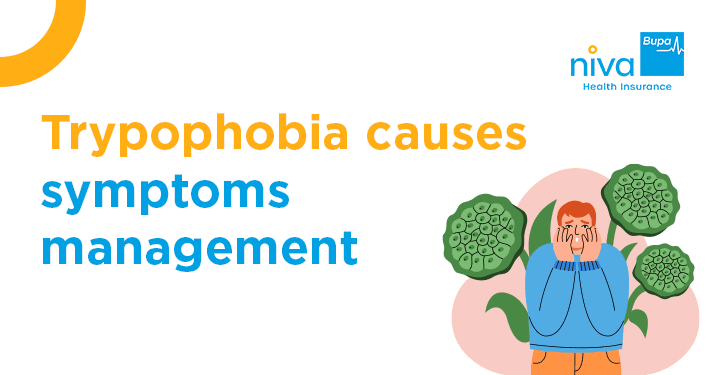
Trypophobia, a fear or aversion to clusters of small holes or patterns, is a condition that has gained increasing attention in recent years. Despite not being officially recognised as a phobia by some mental health authorities, it is a genuine source of discomfort for many individuals. Understanding its causes, symptoms, and potential management strategies can help those affected lead a more comfortable life.
What is Trypophobia?
Trypophobia is characterised by a strong emotional or physical reaction to images or objects with repetitive patterns or clusters of small holes. Items that might trigger a response include honeycombs, lotus seed pods, or even certain textures in man-made objects. While the condition may sound unusual, research suggests that a significant portion of the population experiences some degree of aversion to such patterns.
Although trypophobia is not universally classified as a mental health disorder, the distress it causes can interfere with daily life, making it important to address and manage effectively.
What Causes Trypophobia?
The exact causes of trypophobia are not yet fully understood, but several theories offer insight into its origins:
Evolutionary Basis
Some experts suggest that the aversion may stem from an evolutionary survival mechanism. Patterns associated with danger, such as venomous animals or diseased skin, might trigger a subconscious protective response.
Cultural and Personal Associations
Past experiences or cultural influences can also play a role. For example, exposure to certain imagery or objects associated with disease or discomfort may condition an individual to develop trypophobia.
Neurological Factors
Differences in brain processing could make some individuals more sensitive to certain visual stimuli, leading to the development of trypophobia.
Understanding what causes trypophobia can help in developing effective strategies to reduce its impact.
Recognising Trypophobia Symptoms
Trypophobia symptoms can vary widely from person to person. While some individuals may experience mild discomfort, others might find the reaction more intense and debilitating. Common symptoms include:
- Emotional Responses: Feelings of disgust, fear, or unease when confronted with triggering patterns.
- Physical Reactions: Goosebumps, nausea, sweating, or even a racing heart.
- Avoidance Behaviour: Actively steering clear of objects or images that might provoke a reaction.
- Cognitive Effects: Intrusive thoughts or difficulty focusing after encountering a trigger.
If these symptoms interfere significantly with daily life, seeking professional help is advisable.
How to Manage Trypophobia?
Although there is no universal trypophobia cure, various strategies can help individuals manage their reactions and reduce the impact of this condition on their lives. Here are some approaches:
Desensitisation Therapy
Gradual exposure to triggering images under controlled circumstances can help reduce sensitivity over time. This approach is often guided by a mental health professional.
Cognitive Behavioural Therapy (CBT)
CBT focuses on identifying and altering negative thought patterns that contribute to the emotional reaction. It’s a widely recognised treatment for many phobias.
Relaxation Techniques
Mindfulness meditation, deep breathing, or progressive muscle relaxation can help manage physical symptoms and reduce anxiety.
Professional Support
Psychologists and therapists experienced in treating phobias can provide tailored advice and interventions based on individual needs.
While there may not be a definitive trypophobia cure, these techniques can significantly improve the quality of life for those affected.
The Role of Self-Care in Managing Trypophobia
In addition to professional support, self-care practices can play a vital role in managing trypophobia. These include:
- Educating Yourself: Understanding the condition can empower you to take control and reduce feelings of helplessness.
- Building a Support Network: Sharing your experiences with trusted friends or joining support groups can provide emotional relief.
- Adopting a Healthy Lifestyle: Regular exercise, a balanced diet, and adequate sleep can improve overall mental health and resilience.
Taking care of yourself holistically can complement other management strategies and help you cope more effectively with trypophobia symptoms.
The Importance of Raising Awareness
Raising awareness about trypophobia is crucial, as many people may not understand or acknowledge the condition. Misunderstanding can lead to stigma or dismissal of the distress experienced by those affected. Education and open conversations can foster greater empathy and encourage individuals to seek help without fear of judgment.
Conclusion
Trypophobia, while not officially classified as a phobia, can cause significant discomfort and disruption in daily life. By understanding what causes trypophobia and recognising its symptoms, individuals can take steps towards effective management. Combining professional therapies with self-care and support networks can greatly improve outcomes.
Managing mental health conditions, including anxiety-related responses, is crucial for overall well-being. Niva Bupa offers comprehensive health insurance plans that cover mental health consultations and treatments, ensuring you receive the support you need. Prioritise your mental health today with Niva Bupa!
FAQs
What kinds of images trigger trypophobia?
Common triggers include images of honeycomb, lotus seed pods, bubble wrap, and clusters of holes in skin or plants. The key is the clustered, irregular pattern.
How is trypophobia managed or treated?
While not a formal diagnosis, techniques used for other phobias, such as exposure therapy (gradual exposure to triggering images) and cognitive behavioural therapy (CBT), may be helpful. Talking to a therapist or mental health professional is recommended.
Is trypophobia a common condition?
Many people report experiencing some level of discomfort or unease when viewing triggering images, but the intensity varies greatly. It's not considered a formal mental health disorder, so it's difficult to estimate its prevalence.
Get right coverage, right premium and the right protection instantly.
 By clicking, I agree to Niva Bupa
 You may also like


Popular Searches
Health Insurance - Health Insurance | Best Family Health Insurance | Best Health Insurance For Senior Citizens In India | Health Insurance With Opd Cover | Mediclaim Insurance | Critical Illness Insurance | Personal Accident Insurance | Mediclaim Policy | Individual Health Insurance | Maternity Insurance | Best Health Insurance company | NRI Health Insurance
Health Insurance Schemes - PMMVY Login | PMJJBY Policy Status | Swasthya Sathi Card | PMSBY | PMJJBY | Ayushman Card | PMMVY 2.0 | Ayushman Vay Vandana Card | PMMVY NIC IN रजिस्ट्रेशन | PMMVY 2.0 लॉगिन
Travel Insurance Plans - Travel Insurance | International Travel Insurance | Student Travel Insurance | Travel Insurance USA | Travel Insurance Canada | Travel Insurance Thailand | Travel Insurance Germany | Travel Insurance Dubai | Travel Insurance Bali | Travel Insurance Australia | Travel Insurance Schengen | Travel Insurance Singapore | Travel Insurance UK | Travel Insurance Vietnam | Travel Insurance Japan | Travel Insurance Spain | Travel Insurance Asia | Travel Insurance Netherlands | Travel Insurance Turkey | Travel Insurance Ireland | Travel Insurance Phillipines | Travel Insurace Italy | Travel Insurance France | Travel Insurance China | Travel Insurance Georgia | Travel Insurance South Africa | Travel Insurance Maldives | Travel Insurance Portugal | Travel Insurance Malaysia | Travel Insurance Qatar | Travel Insurance Poland | Travel Insurance Greece | Travel Insurance New zealand | Travel Insurance Saudi Arabia | Travel Insurance Sri Lanka
Become an Agent - Insurance Agent | IRDA Certificate Download | IRDA Exam Syllabus | IRDA exam fee | Paise Kaise Kamaye | Ghar Baithe Paise Kaise Kamaye
Top Hospitals - Best Hospitals in Gurgaon
Others - Ayushman Bharat | Gst Refund for NRI on Health Insurance Premium
Health & Wellness - शिलाजीत के फायदे हिंदी | Weight Gain Diet in Hindi | Sat Isabgol Uses In Hindi | Aloe Vera Juice Benefits in Hindi | Dragon Fruit Benefits in Hindi | Akal Daad in Hindi | Acidity Home Remedies in Hindi | Nikat Drishti Dosh in Hindi | Yoga Benefits in Hindi | Laung Khane ke Fayde in Hindi | Leukoplakia in Hindi | Protien in 100g Paneer | Benefits of Rice Water For Skin | B12 Deficiency Symptoms in Hindi | Fibre Foods in Hindi | Chronic Disease Meaning in Hindi | Vitamin D Foods in Hindi | Blood Urea in Hindi | Beetroot Uses Good for Health
Calculator - BMI Calculator | Pregnancy Calculator | Pregnancy Calendar Based on Conception Date | Pregnancy Conception Date Calculator | Last Menstrual Period Calculator | BMR Calculator | GFR Calculator | Ovulation Calculator



www.nivabupa.com

+91 11 30902010

1860-500-8888

CIN: L66000DL2008PLC182918
IRDAI Registration No. 145

Corporate Office: 3rd Floor, Capital Cyberscape, Sector 59, Gurgaon
Registered Office: C-98, First Floor, Lajpat Nagar, Part 1, Delhi-110024, India


