

Ulcerative Colitis: Symptoms and Causes & Treatment Options
28 June, 2025
87 Shares
735 Reads
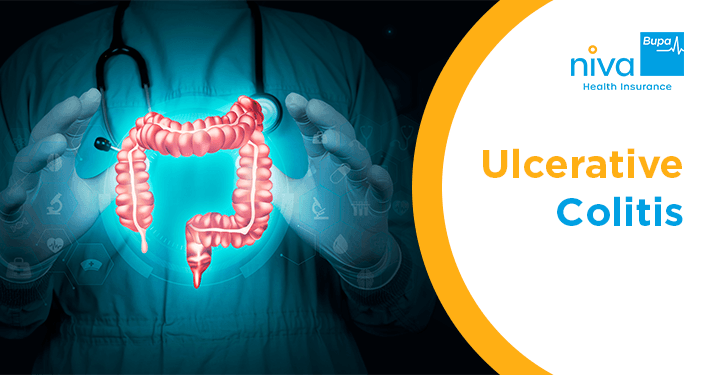
The pain that sufferers of ulcerative colitis go through is indescribable. That very urge to rush to the washroom right after you wake up in the morning, the unbearable cramps in the stomach, and the constant fatigue are always there to bring you down! Worry not! You are not alone. It is not just an annoyance for those who deal with Ulcerative Colitis symptoms know it’s their way of life.
Being one form of chronic inflammatory bowel disease (IBD), ulcerative colitis can severely impact the quality of life. Though not an uncontrollable illness, timely diagnosis, lifestyle, and doctor recommendations play a vital role in controlling its course. Let us find out about this condition, its symptoms, causes, diagnosis, UC treatment, and minimisation of risk
development.
What is Ulcerative Colitis?
Ulcerative colitis is a long-term condition involving inflammation and ulcers on the innermost lining of the large intestine (colon) and rectum. This brings about symptoms such as abdominal pain, diarrhoea, and blood and mucus in the stool. Unlike Crohn's disease, which can occur in any part of the gastrointestinal tract, ulcerative colitis occurs only in the colon and rectum.
It is an autoimmune disorder in which the body's immune system attacks healthy cells within the digestive tract. While the precise Ulcerative colitis causes remains unknown, it is thought to be due to a combination of genetic susceptibility, environmental factors, and immune system abnormalities. The disease often develops slowly over many years, with alternating periods of remitting and relapsing symptoms that may or may not be present.
Ulcerative Colitis: Symptoms
The signs varies from person to person, depending on how severe and where the inflammation occurs. Common Ulcerative Colitis symptoms are loose stool, blood or pus in stools, fatigue, and weight loss. Early detection of these signs can lead to more rapid treatment and management.
Abdominal Pain and Cramping
Abdominal pain typically starts as the initial and most visible symptom. This discomfort is usually due to inflammation of the colon and can range from mild discomfort to as bad as cramping. Discomfort usually occurs in the lower abdomen but can radiate all over the belly. Discomfort can increase in severity with flare-ups and can be accompanied by a sense of bloating or fullness. Patients with ulcerative colitis may report that the pain increases after meals and decreases after a bowel movement.
Diarrhoea with Mucus or Blood
Diarrhoea, typically with mucus or blood, is a typical symptom of ulcerative colitis. It results from the inflammation and ulceration in the colon, which disrupts its functioning. In serious cases, the diarrhoea might be frequent and sudden, leading to dehydration and exhaustion. The presence of blood in the stool is a serious red flag and requires a prompt trip to the doctor. The frequency and urgency can really impact daily activities, at times making it impossible to go out of the house.
Fatigue and Weight Loss
Chronic inflammation also weakens the body and leads to fatigue and unintended weight loss. The constant depletion of blood and nutrients due to inadequate absorption, as well as the stress of having to manage a chronic disease, usually leads to exhaustion. The person may also experience low energy levels, difficulty concentrating, and weakness in the muscles. These signs are normally disregarded but are crucial indicators of the body's inability to cope with the disease.
Frequent Bowel Urgency to Pass Stool
Some patients have a chronic urgency to pass stool even when the bowel is empty—a condition known as tenesmus. Not only is this unpleasant, but also embarrassing in social or work settings. Inflammation of the rectum causes this chronic sensation, leading to frequent unsuccessful attempts at the restroom.
What Causes Ulcerative Colitis?
Even though the exact Ulcerative colitis causes are still not known, several factors contributing to its causation have been discovered. This information can help in managing and potentially reducing the risk of developing it.
- Genetic susceptibility: Those with a family history of ulcerative colitis or any other autoimmune disorder are at higher risk.
- Abnormal immune function: Abnormal immune response where the body mistakenly attacks its colon lining.
- Environmental factors: Malnutrition, pollution, and smoking can aggravate the risk in those with a genetic predisposition.
- Gut microbiota dysbiosis: Dysfunctions of the gut flora have been known to trigger immune responses that cause inflammation.
- Medication use: Nonsteroidal anti-inflammatory drugs (NSAIDs), antibiotics, and oral contraceptives have been implicated in causing flare-ups.
Diagnosing Ulcerative Colitis
Diagnosis integrates a physical examination, laboratory tests, and imaging studies. Doctors typically begin with an overt questioning of Ulcerative Colitis symptoms, then proceed to a physical examination to evaluate tenderness or swelling of the abdomen.
Blood and stool tests are routinely ordered to look for signs of inflammation, anaemia, or infection. Colonoscopy remains the diagnostic gold standard because it allows doctors to directly examine the colon and take biopsies. Imaging studies like CT scans or MRI may also be ordered in some cases to rule out other conditions or complications.
Natural Ways to Manage Ulcerative Colitis
Lifestyle modification and dietary changes are an essential part of ulcerative colitis management, particularly during remission. Numerous patients experience relief through non-medication methods that are complementary in nature.
- Dietary changes: Skipping spicy, fatty, or high-fibre foods during exacerbations can diminish inflammation. Use low-residue diets that are less stressful for the gut.
- Stress reduction: Techniques such as yoga, meditation, and breathing techniques can contribute to stress management, which is a well-known precipitant of exacerbations.
- Regular exercise: Gentle exercises such as walking or swimming improve overall well-being and help to maintain digestive health.
- Probiotics: These beneficial bacteria may help restore balance to the gut flora and soothe inflammation.
- Hydration: Adequate hydration helps combat fluid loss from diarrhoea and facilitates digestion.
Medical Approach to Treat Ulcerative Colitis
UC treatment from the medical approach is usually a blend of medicine for Ulcerative Colitis aimed at reducing inflammation, silencing symptoms, and preventing complications.
- Aminosalicylates (5-ASAs): To suppress mild to moderate disease by reducing inflammation.
- Corticosteroids: Employed during acute flares but not for prolonged Ulcerative Colitis treatment because of side effects.
- Immunosuppressants: Ulcerative Colitis medication that calm the immune system so it will not attack the colon.
- Biologics: Targeted therapy agents that disrupt specific proteins that cause inflammation.
- Surgery: In severe or unresponsive cases, removal of part or all of the colon may be necessary.
How Does Niva Bupa Help?
Niva Bupa, India’s Best Health Insurer, offers extensive health insurance plans that can reduce the cost of treatment of chronic illnesses like ulcerative colitis substantially. With 30-minute claim settlement via cashless options and a huge network of hospitals, the policyholders are assured of hassle-free and timely medicine for Ulcerative Colitis Treatment.
How Do We Prevent Ulcerative Colitis?
While ulcerative colitis can never be prevented, some lifestyle considerations will reduce the risk and maintain digestive well-being. Maintaining a well-balanced diet along with consuming water should encourage gut function and reduce inflammation inducers.
Not smoking, limiting the use of NSAIDs, and incorporating stress-reduction techniques into daily habits are also likely beneficial, also. Routine health check-ups and diligent monitoring of gastrointestinal symptoms can lead to early discovery and intervention and can make a difference in long-term prognosis.
Conclusion
Ulcerative colitis may be a chronic problem, but the proper combination of medical management, lifestyle adjustments, and support can keep it under control. Although there is no permanent cure for ulcerative colitis, various treatments are able to successfully alleviate Ulcerative Colitis symptoms and maintain long-term remission. The UC treatment itself generally changes with the severity of the condition, the area of the colon affected, and the medication response in an individual. Early identification of symptoms, knowledge of the causes, and active treatment can lead to a better, more comfortable life.
Disclaimer: The details provided above are intended for informational purposes only. For accurate medical guidance, please consult your healthcare provider. Health insurance benefits are governed by the terms and conditions of your policy. For further details, review your policy documents.
FAQs
What is the difference between ulcerative colitis and Crohn's disease?
Ulcerative colitis affects only the colon and rectum, whereas Crohn's disease can affect any site in the gastrointestinal tract.
Can ulcerative colitis be treated?
No one has a cure, but with treatment, most become long-term remitters.
Can ulcerative colitis be cured by diet alone?
Despite diet having control of symptoms, drug therapy is required to suppress inflammation and prevent complications.
What are the common reasons for ulcerative colitis flare-ups?
Flare-ups may be triggered by stress, food, infections, and medications like NSAIDs.
Can health insurance cover ulcerative colitis treatment?
Yes, most comprehensive health insurance policies, even Niva Bupa's, cover diagnosis, treatment, and hospitalisation charges.
Get right coverage, right premium and the right protection instantly.
 By clicking, I agree to Niva Bupa
 You may also like


Popular Searches
Health Insurance - Health Insurance | Best Family Health Insurance | Best Health Insurance For Senior Citizens In India | Health Insurance With Opd Cover | Mediclaim Insurance | Critical Illness Insurance | Personal Accident Insurance | Mediclaim Policy | Individual Health Insurance | Maternity Insurance | Best Health Insurance company | NRI Health Insurance
Health Insurance Schemes - PMMVY Login | PMJJBY Policy Status | Swasthya Sathi Card | PMSBY | PMJJBY | Ayushman Card | PMMVY 2.0 | Ayushman Vay Vandana Card | PMMVY NIC IN रजिस्ट्रेशन | PMMVY 2.0 लॉगिन
Travel Insurance Plans - Travel Insurance | International Travel Insurance | Student Travel Insurance | Travel Insurance USA | Travel Insurance Canada | Travel Insurance Thailand | Travel Insurance Germany | Travel Insurance Dubai | Travel Insurance Bali | Travel Insurance Australia | Travel Insurance Schengen | Travel Insurance Singapore | Travel Insurance UK | Travel Insurance Vietnam | Travel Insurance Japan | Travel Insurance Spain | Travel Insurance Asia | Travel Insurance Netherlands | Travel Insurance Turkey | Travel Insurance Ireland | Travel Insurance Phillipines | Travel Insurace Italy | Travel Insurance France | Travel Insurance China | Travel Insurance Georgia | Travel Insurance South Africa | Travel Insurance Maldives | Travel Insurance Portugal | Travel Insurance Malaysia | Travel Insurance Qatar | Travel Insurance Poland | Travel Insurance Greece | Travel Insurance New zealand | Travel Insurance Saudi Arabia | Travel Insurance Sri Lanka
Become an Agent - Insurance Agent | IRDA Certificate Download | IRDA Exam Syllabus | IRDA exam fee | Paise Kaise Kamaye | Ghar Baithe Paise Kaise Kamaye
Top Hospitals - Best Hospitals in Gurgaon
Others - Ayushman Bharat | Gst Refund for NRI on Health Insurance Premium
Health & Wellness - शिलाजीत के फायदे हिंदी | Weight Gain Diet in Hindi | Sat Isabgol Uses In Hindi | Aloe Vera Juice Benefits in Hindi | Dragon Fruit Benefits in Hindi | Akal Daad in Hindi | Acidity Home Remedies in Hindi | Nikat Drishti Dosh in Hindi | Yoga Benefits in Hindi | Laung Khane ke Fayde in Hindi | Leukoplakia in Hindi | Protien in 100g Paneer | Benefits of Rice Water For Skin | B12 Deficiency Symptoms in Hindi | Fibre Foods in Hindi | Chronic Disease Meaning in Hindi | Vitamin D Foods in Hindi | Blood Urea in Hindi | Beetroot Uses Good for Health
Calculator - BMI Calculator | Pregnancy Calculator | Pregnancy Calendar Based on Conception Date | Pregnancy Conception Date Calculator | Last Menstrual Period Calculator | BMR Calculator | GFR Calculator | Ovulation Calculator



www.nivabupa.com

+91 11 30902010

1860-500-8888

CIN: L66000DL2008PLC182918
IRDAI Registration No. 145

Corporate Office: 3rd Floor, Capital Cyberscape, Sector 59, Gurgaon
Registered Office: C-98, First Floor, Lajpat Nagar, Part 1, Delhi-110024, India


