

When to Worry About Blood in Stool?
5 August, 2025
5 Shares
382 Reads
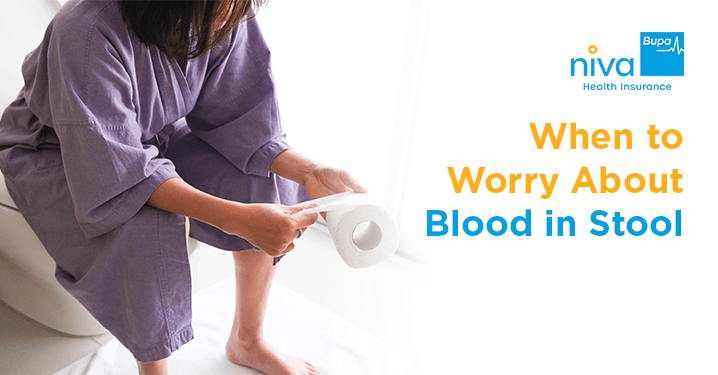
Discovering blood in your stool can be a frightening experience. The presence of red or dark discolouration can instantly send up an alarm. You may begin to wonder if it's something minor or if it could be something more serious. What does it mean? Should you call for help or wait? This guide will determine when to worry about blood in stool, the most common reasons for it to occur, and what it means for your health.
Sometimes, it is caused by some minor issues such as haemorrhoids, but other times, it might be colorectal cancer or inflammatory bowel disease. Knowing what might cause it and the warning signs will help you move in the right direction towards diagnosis and treatment.
Understanding the Reasons Behind It
Understanding the potential blood in stool causes is crucial in determining whether the condition is minor or a sign of a more serious health issue. It can range from slight to severe and can be found as bright red streaks, dark red clots, or black tar-like stools. The colour and consistency of the blood indicate its origin. Most often, the source of bright red blood is the rectum or anus, but it may be indicative of darker blood coming from the stomach or intestines.
When to Be Concerned?
Early detection of blood in stool causes through routine check-ups and screenings can significantly improve treatment outcomes and prevent complications. While infrequent rectal bleeding may be caused by such benign conditions as haemorrhoids, there are indeed situations where you must seek medical care. Call for immediate medical attention if you experience any of the following:
- You have heavy or ongoing bleeding
- You feel dizzy, weak, or even faint
- The blood is black or tarry
- You also have symptoms like weight loss, abdominal pain, or changes in bowel habits
Understanding when to worry prevents complications and leads to early diagnosis of underlying conditions.
Common Reasons for Blood in Stool
There are many reasons for blood in stool, from mild to severe. Some of the most common causes include:
1. Haemorrhoids
Haemorrhoids are swollen veins on the rectum or anus and can lead to red blood in the stool. They are common, especially for those who have developed them due to straining from bowel movements, pregnancy, or prolonged sitting.
2. Anal Fissures
Painless bleeding can be seen with small tears in the lining of the anus or fissures. This is usually due to passing hard stools or faecal constipation.
3. Diverticulosis and Diverticulitis
Diverticulosis is the formation of small pouches in the walls of the intestines. If these pouches get inflamed or infected, blood will appear in the stool and abdominal pain.
4. Inflammatory Bowel Disease (IBD)
Other conditions are Crohn's disease and ulcerative colitis, which irritate the digestive tract and include blood in stool, diarrhoea, weight loss, and abdominal pain.
5. Infections in the Gastrointestinal Tract
The infections of the intestines by bacterial, viral, or parasitic infections can also lead to the presence of blood in bowel movements. Most often, the causes include foodborne diseases.
6. Polyps and Colorectal Cancer
Polyps are irregular growths of tissue in the colon that bleed. Some polyps can lead to colorectal cancer if they are not removed. Problems must be detected early before they become severe.
7. Peptic Ulcers
Ulcers of the stomach or small intestine usually result from infection with H. pylori or excessive use of NSAIDs, which causes internal bleeding and dark, tarry stools.
What Does It Mean for Your Health?
If you notice blood in your bowel movements, you should assess other symptoms. It could mean different things depending on its colour, frequency, and other signs. Although minor bleeding may not be serious, persistent or heavy bleeding may be a sign of a more serious condition.
Diagnosis
Doctors do several tests to diagnose blood in stool causes, such as:
- Physical Examination: A doctor might check for possible external causes of bleeding, including haemorrhoids.
- Stool Tests: Lab tests can help diagnose infection or occult bleeding.
- Colonoscopy: The insertion of a camera into the colon can assist in the detection of polyps, tumours, or inflammation in the colon.
- Endoscopy: A flexible tube with a camera is inserted into the stomach and intestines to visually examine them.
- Imaging Tests: CT scans or MRIs help identify abnormalities within the digestive tract.
Treatment
There are multiple treatment options which would be determined by the type of :
Hemorrhoids & Anal Fissures
Fibre intake should be increased, along with proper hydration and topical therapy, to support digestive health. When the condition is more severe, such as a significant number of haemorrhoids, or they are large, then rubber band ligation or surgical removal may be needed.
Diverticulitis
Sometimes antibiotics are necessary, as well as dietary changes. However, when an abscess has formed, drainage procedures or surgery will be needed.
IBD
Medications and lifestyle changes can be made to manage the inflammation. More severe cases may require immunosuppressants, biologics, or even surgical removal of the damaged portions of the intestines.
Polyps & Cancer
Chemotherapy or radiation therapy may be necessary in more severe cases. Treatment is much more effective when the disease is caught early through screening.
Infections
Bacterial and parasitic infections are treated by antibiotics or antiparasitics. Severe infections are often treated with intravenous fluids in a hospital to prevent complications.
Peptic Ulcers
The treatment for peptic ulcers include Proton Pulp Inhibitors (PPI) which help reduce stomach acids, antibiotics to treat H. pylori infections, and, in some cases, surgery to repair perforated ulcers.
Prevention and Lifestyle Changes
Some causes are unavoidable, but you can reduce your risk by making a few lifestyle alterations:
Eating a High-Fibre Diet
Foods with high fibre content, such as fruits, vegetables, whole grains, and legumes, prevent constipation or ensure easy digestion without straining during bowel movement.
Hydration
Drinking plenty of water keeps stools soft and easier to pass and therefore minimises the risk of anal fissures and haemorrhoids.
Regular Exercising
It facilitates proper digestive functions through normal bowel movements and maintains proper blood flow, reducing the risk of the occurrence of haemorrhoids.
Limit Intake of Pain Relief Medications Containing NSAIDs
Regular intake of over-the-counter aspirin or ibuprofen could cause stomach lining irritation and thereby increase the chance of ulcer development and internal gastrointestinal bleeding.
Maintain Healthy Weight
Too much weight in a body can contribute to problems through increased abdominal fat pressure on intestines and subsequent digestive disorder.
Stress Management
Chronic stress worsens conditions like Inflammatory Bowel Disease (IBD) and digestive disorders, so it's a good idea to engage in stress-reducing activities like yoga, meditation, or deep breathing exercises.
Regular Colorectal Screenings
If you are older than 45 or have a family history of colon cancer, regular screenings like colonoscopies can help catch polyps early before they turn into cancer.
Final Thoughts
Finding blood in bowel movements can be upsetting, but not all signify a serious cause. Knowing which cases to worry about over bloody stool and how blood in the stool occurs can guide you to react appropriately. It is wise that if you continually or without warning bleed, consider seeing a doctor to know why there is bleeding in your stool. Early detection, as well as a healthy life, could significantly help in the improvement of health regarding gastrointestinal and overall health conditions.
A good health insurance plans could be a very sound investment for the money spent on medical consultation, diagnostic tests, and treatment of gastrointestinal disorders. Niva Bupa Health Insurance offers you the broadest coverage to manage all medical costs. This would bring peace of mind and an appropriate time for medicine.
FAQs
Can stress cause blood in stool?
No, blood in stool is not caused by stress, but it may worsen IBS and ulcers, leading to symptoms like rectal bleeding.
Do I need to be concerned about the blood in my stool?
Seek a doctor if you bleed continuously, your stool becomes tar-like and dark in colour, or you have lost weight and are experiencing a sharp pain in your abdomen.
Can I alter my diet and keep the blood out of my stool?
Yes, increasing fibre intake, staying hydrated, and avoiding spicy or irritating foods can help alleviate minor causes like haemorrhoids and fissures.
Get right coverage, right premium and the right protection instantly.
 By clicking, I agree to Niva Bupa
 You may also like


Popular Searches
Health Insurance - Health Insurance | Best Family Health Insurance | Best Health Insurance For Senior Citizens In India | Health Insurance With Opd Cover | Mediclaim Insurance | Critical Illness Insurance | Personal Accident Insurance | Mediclaim Policy | Individual Health Insurance | Maternity Insurance | Best Health Insurance company | NRI Health Insurance
Health Insurance Schemes - PMMVY Login | PMJJBY Policy Status | Swasthya Sathi Card | PMSBY | PMJJBY | Ayushman Card | PMMVY 2.0 | Ayushman Vay Vandana Card | PMMVY NIC IN रजिस्ट्रेशन | PMMVY 2.0 लॉगिन
Travel Insurance Plans - Travel Insurance | International Travel Insurance | Student Travel Insurance | Travel Insurance USA | Travel Insurance Canada | Travel Insurance Thailand | Travel Insurance Germany | Travel Insurance Dubai | Travel Insurance Bali | Travel Insurance Australia | Travel Insurance Schengen | Travel Insurance Singapore | Travel Insurance UK | Travel Insurance Vietnam | Travel Insurance Japan | Travel Insurance Spain | Travel Insurance Asia | Travel Insurance Netherlands | Travel Insurance Turkey | Travel Insurance Ireland | Travel Insurance Phillipines | Travel Insurace Italy | Travel Insurance France | Travel Insurance China | Travel Insurance Georgia | Travel Insurance South Africa | Travel Insurance Maldives | Travel Insurance Portugal | Travel Insurance Malaysia | Travel Insurance Qatar | Travel Insurance Poland | Travel Insurance Greece | Travel Insurance New zealand | Travel Insurance Saudi Arabia | Travel Insurance Sri Lanka
Become an Agent - Insurance Agent | IRDA Certificate Download | IRDA Exam Syllabus | IRDA exam fee | Paise Kaise Kamaye | Ghar Baithe Paise Kaise Kamaye
Top Hospitals - Best Hospitals in Gurgaon
Others - Ayushman Bharat | Gst Refund for NRI on Health Insurance Premium
Health & Wellness - शिलाजीत के फायदे हिंदी | Weight Gain Diet in Hindi | Sat Isabgol Uses In Hindi | Aloe Vera Juice Benefits in Hindi | Dragon Fruit Benefits in Hindi | Akal Daad in Hindi | Acidity Home Remedies in Hindi | Nikat Drishti Dosh in Hindi | Yoga Benefits in Hindi | Laung Khane ke Fayde in Hindi | Leukoplakia in Hindi | Protien in 100g Paneer | Benefits of Rice Water For Skin | B12 Deficiency Symptoms in Hindi | Fibre Foods in Hindi | Chronic Disease Meaning in Hindi | Vitamin D Foods in Hindi | Blood Urea in Hindi | Beetroot Uses Good for Health
Calculator - BMI Calculator | Pregnancy Calculator | Pregnancy Calendar Based on Conception Date | Pregnancy Conception Date Calculator | Last Menstrual Period Calculator | BMR Calculator | GFR Calculator | Ovulation Calculator



www.nivabupa.com

+91 11 30902010

1860-500-8888

CIN: L66000DL2008PLC182918
IRDAI Registration No. 145

Corporate Office: 3rd Floor, Capital Cyberscape, Sector 59, Gurgaon
Registered Office: C-98, First Floor, Lajpat Nagar, Part 1, Delhi-110024, India


