

Nursing Care Plans (NCP) for Hypertension: Best Practices
2 June, 2025
4 Shares
663 Reads
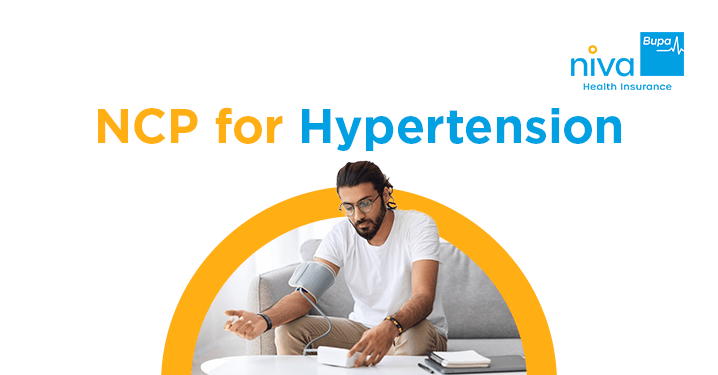
Hypertension is a medical condition that affects millions of people worldwide. It is commonly known as the "silent killer" since it typically lacks obvious symptoms, which can lead to a worsening of the situation. This is why it's essential to have a better understanding of nursing care plans to protect yourself. In this blog, we will discuss hypertension, its risks, prevention strategies, and the best practices for creating an effective NCP for hypertension.
Understanding the hypertension
Hypertension is a common name for high blood pressure. It arises when the pressure exerted by blood on the arterial walls remains persistently elevated. This elevated pressure makes your heart work harder to pump blood throughout your body, straining your cardiovascular system.
The blood pressure is measured in millimeters of mercury (mmHg). Blood pressure higher than 120/80 mm Hg is deemed to be a high blood pressure and needs medical attention.
Systemic hypertension is a type of high blood pressure that can affect various organs in the body, such as the heart, kidneys, and brain, excluding the lungs, leading to severe complications if left untreated.
A Helping Hand for Hypertension Patients—Nursing Care Plans
One of the most important tools in managing hypertension is an NCP (Nursing Care Plan). This helps assess, plan, implement, and evaluate care tailored to the individual patient.
Here's what an effective NCP includes:
- NCP for hypertension includes assessing your blood pressure levels at regular intervals. These readings are assessed based on your medical history and the health conditions that contribute to hypertension, such as obesity, smoking, and sedentary behavior.
- The next step is to set goals, such as reducing blood pressure within a specific time frame, managing risk factors, and encouraging a healthy lifestyle.
- As mentioned above, diet plays a crucial role in the management of hypertension. The NCP includes a diet plan that can help you prevent any complications.
- Dealing with hypertension requires medical attention, including strict medications. This is one of the most essential inclusions of nursing care.
- An essential part of nursing care is staying attentive to changes in your vital signs. This allows prompt intervention if something goes wrong and could save your life.
How Can You Structure an NCP for Hypertension?
Effective NCP for hypertension plays a pivotal role in helping you achieve better control of your blood pressure and reducing the risk of complications associated with systemic hypertension. Here’s how you can structure a nursing care plan.
- Assessment
- Diagnosis
- Planning
- Implementation
- Evaluation
What are the Risks Associated With Hypertension?
Untreated hypertension can have a severe impact on your health. Mentioned below are some of the most common risks associated with systematic hypertension, making the management of hypertension crucial to preventing more severe health issues.
- Heart Diseases: Cardiovascular diseases represent a significant risk linked to hypertension. Elevated blood pressure can lead to the stiffening and narrowing of arteries, thereby reducing the heart's efficiency.
- Kidney Damage: The kidneys are among the most sensitive organs in the body. High blood pressure and prolonged hypertension can lead to kidney failure, which often requires kidney dialysis, which helps remove waste from the blood.
- Vision Problems: Many people are unaware that hypertension can damage the blood vessels in the eyes, leading to vision impairment or even blindness.
- Coronary Artery Disease: High blood pressure can damage the blood vessels supplying the heart, leading to the buildup of fatty deposits in the arteries. This narrows and hardens the arteries, potentially resulting in coronary artery disease.
- Chronic Decline: Chronic hypertension has been associated with cognitive impairments and a heightened likelihood of developing disorders such as dementia.
How Can You Prevent Hypertension?
Prevention is the only cure for hypertension. While you cannot detect the symptoms immediately, use the prevention strategies listed below to reduce the risk of hypertensive urgency.
- Having a Balanced Diet: Maintaining a healthy diet, including a balanced portion of fruits, vegetables, whole grains, and lean proteins, can help keep blood pressure in check. Incorporate the DASH diet, which stands for Dietary Approaches to Stop Hypertension.
- Emphasising Physical Fitness: Physical activity helps strengthen the heart and reduce stress. Aim for at least 30 minutes of moderate exercise to maintain a healthy weight and lower blood pressure.
- Reduce Salt Intake: Excessive sodium in the diet can raise blood pressure. Limit processed foods, fast foods, and canned goods high in sodium.
- Quit Smoking: Smoking damages your blood vessels, elevating your blood pressure levels. Quitting smoking can significantly reduce the risk of developing hypertension and related complications.
- Manage Stress: While this sounds impossible in today’s fast-paced world, the least you can do is manage your stress. Practicing relaxation techniques like deep breathing, meditation, and yoga to help manage stress levels.
Wrapping Up
While hypertension can have serious impacts on your health, you shouldn't be scared of it. Various basic prevention strategies, such as maintaining a balanced diet and physical activities, can help manage hypertensive urgency. Additionally, through nursing care plans, nurses can help you manage your blood pressure and live healthier lives. Remember, early detection and proper management are key to preventing complications associated with hypertension.
If you're looking for comprehensive healthcare coverage and support for managing conditions like hypertension, then we at Niva Bupa offer a wide range of medical health coverage that provide comprehensive coverage. We have more than ten thousand hospitals across India, offering you top-tier services. Our main aim is to provide you with the necessary care in times of need.
People Also Ask
What is a nursing care plan for hypertension patients?
A nursing care plan for hypertension involves setting goals, implementing interventions such as lifestyle changes and medication management, and regularly monitoring blood pressure.
What are the nursing diagnoses for hypertension?
Symptoms of hypertension in nursing include headache, dizziness, blurred vision, chest pain, fatigue, shortness of breath, and more.
What is used to check hypertension?
A sphygmomanometer is used to measure the blood pressure.
Get right coverage, right premium and the right protection instantly.
 By clicking, I agree to Niva Bupa
 You may also like


Popular Searches
Health Insurance - Health Insurance | Best Family Health Insurance | Best Health Insurance For Senior Citizens In India | Health Insurance With Opd Cover | Mediclaim Insurance | Critical Illness Insurance | Personal Accident Insurance | Mediclaim Policy | Individual Health Insurance | Maternity Insurance | Best Health Insurance company | NRI Health Insurance
Health Insurance Schemes - PMMVY Login | PMJJBY Policy Status | Swasthya Sathi Card | PMSBY | ABHA Card Download | PMJJBY | Ayushman Card | PMMVY 2.0 | Ayushman Vay Vandana Card | PMMVY NIC IN रजिस्ट्रेशन | PMMVY 2.0 लॉगिन
Travel Insurance Plans - Travel Insurance | International Travel Insurance | Student Travel Insurance | Travel Insurance USA | Travel Insurance Canada | Travel Insurance Thailand | Travel Insurance Germany | Travel Insurance Dubai | Travel Insurance Bali | Travel Insurance Australia | Travel Insurance Schengen | Travel Insurance Singapore | Travel Insurance UK | Travel Insurance Vietnam | Travel Insurance Japan | Travel Insurance Spain | Travel Insurance Asia | Travel Insurance Netherlands | Travel Insurance Turkey | Travel Insurance Ireland | Travel Insurance Phillipines | Travel Insurace Italy | Travel Insurance France | Travel Insurance China | Travel Insurance Georgia | Travel Insurance South Africa | Travel Insurance Maldives | Travel Insurance Portugal | Travel Insurance Malaysia | Travel Insurance Qatar | Travel Insurance Poland | Travel Insurance Greece | Travel Insurance New zealand | Travel Insurance Saudi Arabia | Travel Insurance Sri Lanka
Become an Agent - Insurance Agent | Insurance Advisor | Licensed Insurance Agent | Health Insurance Consultant | POSP Insurance Agent | IRDA Certificate Download | IC 38 Exam | Insurance Agent vs POSP | IRDA Exam Syllabus | IRDAI Agent Locator | IRDA exam fee | Paise Kaise Kamaye | Ghar Baithe Paise Kaise Kamaye
Top Hospitals - Best Hospitals in Chennai | Top Hospitals in Delhi | Best Hospitals in Gurgaon | Best Hospitals in India | Top 10 Hospitals in India | Best Hospitals in Hyderabad | Best Hospitals in Kolkata | Best cancer hospitals in Bangalore | Best cancer hospitals in Hyderabad | Best cancer hospitals in Mumbai | Best cancer hospitals in India | Top 10 cancer hospitals in India
Others - Ayushman Bharat | Gst Refund for NRI on Health Insurance Premium | Health Insurance Tax Deductible
Health & Wellness - शिलाजीत के फायदे हिंदी | Weight Gain Diet in Hindi | Sat Isabgol Uses In Hindi | Aloe Vera Juice Benefits in Hindi | Dragon Fruit Benefits in Hindi | Akal Daad in Hindi | Acidity Home Remedies in Hindi | Nikat Drishti Dosh in Hindi | Yoga Benefits in Hindi | Laung Khane ke Fayde in Hindi | Leukoplakia in Hindi | Protien in 100g Paneer | Benefits of Rice Water For Skin | B12 Deficiency Symptoms in Hindi | Fibre Foods in Hindi | Chronic Disease Meaning in Hindi | Vitamin D Foods in Hindi | Blood Urea in Hindi | Beetroot Uses Good for Health
Calculator - BMI Calculator | Pregnancy Calculator | Pregnancy Calendar Based on Conception Date | Pregnancy Conception Date Calculator | Last Menstrual Period Calculator | BMR Calculator | GFR Calculator | Ovulation Calculator



www.nivabupa.com

+91 11 30902010

1860-500-8888

CIN: L66000DL2008PLC182918
IRDAI Registration No. 145

Corporate Office: 3rd Floor, Capital Cyberscape, Sector 59, Gurgaon
Registered Office: C-98, First Floor, Lajpat Nagar, Part 1, Delhi-110024, India


