

Bilirubin Normal Range: What Your Test Results Mean?
31 December, 2025
7 Shares
376 Reads
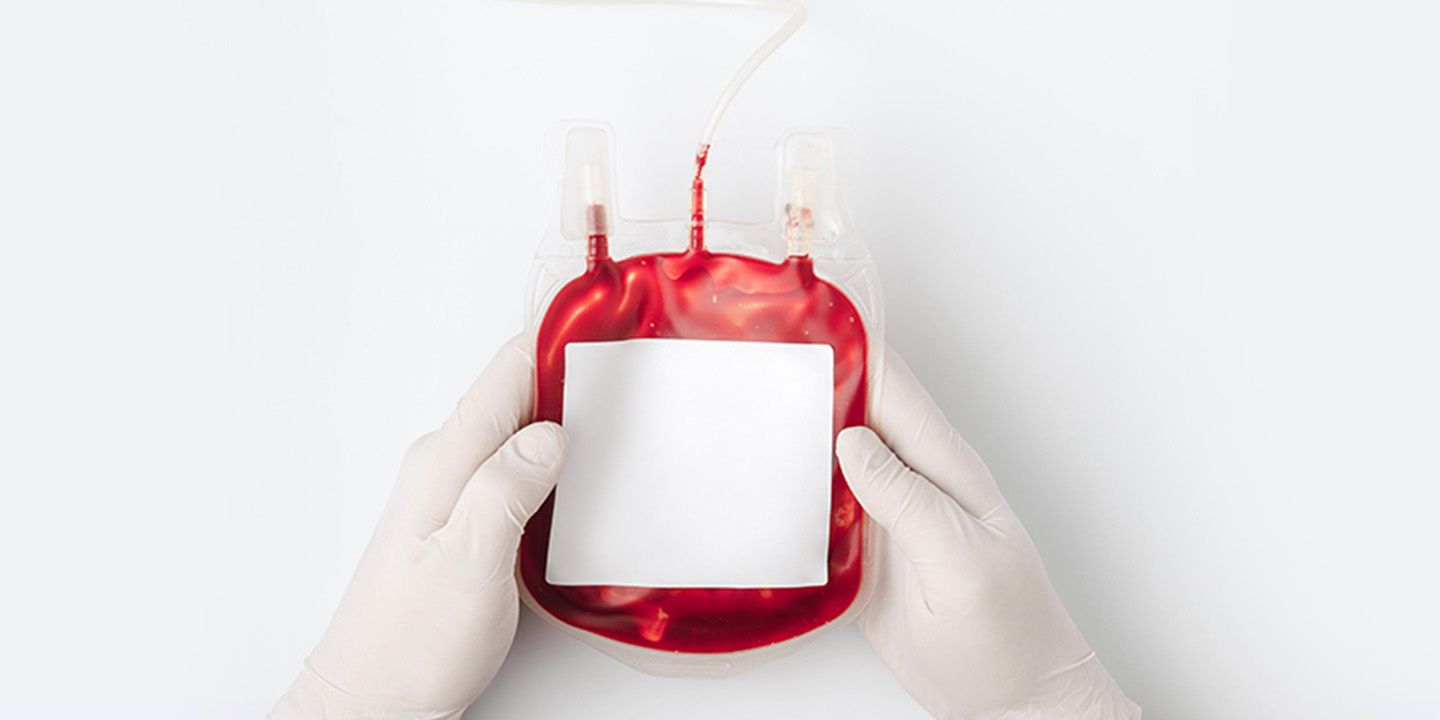
Bilirubin is a yellowish substance that is produced during the normal breakdown of red blood cells. It is a natural byproduct of the body’s recycling process. When red blood cells reach the end of their lifespan, they are broken down in the spleen and liver. During this process, haemoglobin is converted into bilirubin. This substance then travels through the bloodstream to the liver, where it is processed and eventually excreted from the body through bile and urine.
Monitoring these levels is a standard part of many routine blood tests. Understanding the Bilirubin Normal Range is essential because it serves as an indicator of how well the liver and gallbladder are functioning. If the liver is not processing bilirubin efficiently, or if there is a blockage in the bile ducts, levels can rise, leading to various physical symptoms.
The Process of Bilirubin Production
The journey of bilirubin begins with the lifecycle of red blood cells. These cells typically live for about 120 days. Once they become old or damaged, the body breaks them down. The iron from the haemoglobin is recycled, but the remaining portion is converted into unconjugated bilirubin. This form of bilirubin is not water-soluble, meaning it cannot be easily removed from the body on its own. It must travel to the liver, bound to a protein called albumin, to undergo further transformation.
Once it reaches the liver, an enzyme converts it into conjugated bilirubin, which is water-soluble. This version can mix with bile, a fluid that aids digestion. From the liver, bile moves into the gallbladder and then into the small intestine. Most of it is eventually eliminated in the stool, giving it its characteristic brown colour, while a small amount is excreted through the kidneys. Keeping an eye on the Bilirubin Normal Range helps clinicians verify that this complex transport and conversion system is operating smoothly.
What Is a Bilirubin Blood Test?
A bilirubin blood test measures the amount of bilirubin in a sample of your blood. It is often included as part of a comprehensive metabolic panel or a liver function test. Because the liver plays such a vital role in filtering the blood and managing waste, this test is one of the primary tools used to screen for liver-related issues.
Doctors might request this test if a patient presents with symptoms like jaundice, which is a yellowing of the skin or eyes. Other reasons for testing include investigating dark urine, stomach pain, or persistent fatigue. It is also used to monitor the progression of known liver conditions or to check for potential side effects of certain medications that are known to impact liver health.
Total, Direct, and Indirect Bilirubin
When you receive your lab results, you will likely see three different measurements. Total bilirubin represents the sum of all the bilirubin in your bloodstream. This is the most common starting point for assessing whether your levels fall within the Bilirubin Normal Range. If the total level is elevated, the laboratory may further break down the results into direct and indirect categories to pinpoint where the issue might lie.
Direct bilirubin, also known as conjugated bilirubin, is the version that has already been processed by the liver. Indirect bilirubin, or unconjugated bilirubin, is the form that has not yet been processed. By comparing these two types, healthcare professionals can better understand if the concern is related to the liver’s ability to process the substance or a blockage that prevents the processed substance from leaving the body.
Bilirubin Normal Range: What the Numbers Mean
The Bilirubin Normal Range can vary slightly between different laboratories, as each facility may use different equipment or testing methods. Generally, for an adult, the total bilirubin level should be between 0.3 and 1.2 milligrams per decilitre (mg/dL). For direct bilirubin, the typical range is lower, usually falling between 0.0 and 0.3 mg/dL.
It is important to remember that a result slightly outside these numbers does not always indicate a serious medical problem. Factors such as recent strenuous exercise, certain foods, or even the time of day the blood was drawn can cause minor fluctuations. However, significant deviations usually warrant a closer look by a medical professional to rule out underlying causes.
Variations in Range Across Different Laboratories
Laboratory reports usually provide a reference interval alongside your personal results. This interval represents the range of values found in the majority of healthy individuals. Because the Bilirubin Normal Range is not a rigid universal constant, it is vital to interpret your results in the context of the specific lab’s standards.
Differences in the reference range can also be attributed to the population the laboratory serves. Factors like age and sex can influence what is considered a standard level. Therefore, if you are comparing results from two different clinics, you might notice slight discrepancies in the threshold for what is considered high or low.
Why Is the Bilirubin Level Important for Adults?
In adults, maintaining a level within the Bilirubin Normal Range is a sign of a healthy internal filtration system. The liver is a hardworking organ responsible for over five hundred functions, including detoxification, protein synthesis, and the production of chemicals necessary for digestion. When bilirubin levels rise, it is often a signal that the liver is under stress or that there is an interference in the biliary system.
High levels can lead to jaundice, which occurs when excess bilirubin leaks into the surrounding tissues. This can be more than just a cosmetic concern; it is often a physical manifestation of an internal imbalance. By identifying these elevations early through routine blood work, individuals can work with their healthcare providers to identify lifestyle changes or treatments that may support liver health.
Impact of Diet and Lifestyle on Levels
While many factors influencing bilirubin are biological, lifestyle choices can play a supporting role. Dehydration, for instance, can sometimes lead to a temporary spike in concentrations. Similarly, a diet very high in processed foods or excessive alcohol consumption can put a significant strain on the liver, potentially causing levels to drift away from the Bilirubin Normal Range.
Engaging in regular physical activity and maintaining a balanced diet rich in fibre can help the digestive system function optimally. This, in turn, supports the liver in its role of processing and excreting waste products. While lifestyle changes are not a substitute for medical intervention, they are foundational to long term liver wellness.
Bilirubin Levels in Newborns
It is very common for newborn babies to have higher bilirubin levels than adults. In the womb, the mother’s liver handles the bilirubin for the baby. After birth, the infant’s liver must take over this responsibility. Since a newborn’s liver is still maturing, it may take a few days for it to begin processing bilirubin efficiently. This often results in neonatal jaundice, a condition that usually resolves on its own as the baby grows.
Paediatricians monitor these levels closely during the first week of life to ensure they do not exceed a safe threshold. While most cases are mild, very high levels in infants require intervention, such as phototherapy, to help the baby’s body break down the excess substance. Ensuring the infant stays within a healthy trajectory for their age group is a priority for neonatal care teams.
The Importance of Monitoring Infants
The monitoring process for infants involves checking bilirubin levels through a skin sensor or a small blood sample from the heel. Because infants have a higher turnover rate of red blood cells and a less developed liver, their version of a Bilirubin Normal Range is calculated differently, taking into account how many hours old the baby is.
Early detection of rising levels in newborns allows for simple treatments like increased feeding or light therapy. These measures prevent the bilirubin from reaching levels that could potentially affect the baby’s developing nervous system. Parents are often advised to watch for signs of worsening jaundice, such as the yellowing spreading to the abdomen or legs, or the baby being unusually sleepy or difficult to feed.
Factors That Can Influence Test Results
Several variables can influence whether a person’s results fall within the Bilirubin Normal Range. Medications are a frequent culprit; certain antibiotics, birth control pills, and even common pain relievers can impact liver enzyme activity or the flow of bile. It is always helpful to provide your healthcare provider with a full list of any supplements or medications you are taking before the test.
Fasting can also play a role. Some people naturally experience a rise in bilirubin if they have not eaten for an extended period. This is often seen in a benign condition called Gilbert’s syndrome, where the liver lacks enough of a specific enzyme to process bilirubin quickly during times of stress or fasting. In such cases, the levels may fluctuate but do not typically indicate liver damage.
Environmental and Biological Stressors
Physical stress on the body, such as a severe infection or a major surgery, can temporarily affect liver function and bilirubin levels. Even intense athletic training can cause a slight increase in red blood cell breakdown, leading to a temporary rise in the substance. These instances usually see the levels return to the Bilirubin Normal Range once the body has recovered from the stressor.
Biological factors, such as underlying genetic predispositions, also dictate how an individual processes bilirubin. Some people may naturally sit at the higher end of the spectrum without any adverse health effects. This is why doctors look at the overall trend of a person’s health rather than a single isolated number.
High Bilirubin Levels: Potential Causes
When bilirubin levels are consistently above the expected threshold, it is known as hyperbilirubinaemia. This condition can stem from three main areas: problems before the liver, problems within the liver, or problems after the liver. Pre-hepatic causes often involve a rapid breakdown of red blood cells, which overwhelms the liver's ability to keep up with the processing demand.
Intra-hepatic causes involve issues within the liver itself, such as inflammation or scarring, which hinder the organ's ability to conjugate or transport the substance. Post-hepatic causes, on the other hand, usually involve an obstruction in the bile ducts. If the "pipes" that carry bile to the intestine are blocked by something like a gallstone, the conjugated bilirubin has nowhere to go and backs up into the blood.
Common Conditions Associated with High Levels
There are several conditions that healthcare providers investigate when results are outside the Bilirubin Normal Range. Hepatitis, which is inflammation of the liver, can be caused by viruses, alcohol, or autoimmune issues. Cirrhosis, a more advanced stage of liver scarring, also significantly impacts the organ’s processing capacity.
Gallstones are a frequent cause of sudden spikes in direct bilirubin. These small, hard deposits can block the bile duct, leading to sharp pain and jaundice. In other cases, conditions that affect the blood, such as haemolytic anaemia, can cause high levels because the red blood cells are being destroyed faster than the liver can process the resulting bilirubin.
Low Bilirubin Levels: Is It a Concern?
While most clinical attention is focused on high bilirubin, some people may find their results are lower than the standard range. Generally, low bilirubin is not considered a cause for medical concern. There is currently no specific health condition directly linked to having lower-than-average bilirubin levels.
In some research contexts, bilirubin is noted for its antioxidant properties, leading to discussions about whether slightly higher levels within the normal spectrum might offer some protective benefits. However, for the average patient, a low reading is typically viewed as a sign of normal or highly efficient liver function.
Research on Antioxidant Properties
Some studies have explored the idea that bilirubin acts as a natural antioxidant in the blood, helping to protect cells from damage. While this is an interesting area of scientific study, it does not currently change the way doctors interpret a low result. The focus remains on ensuring that levels do not rise significantly above the Bilirubin Normal Range, as the risks associated with high levels are well-documented.
How to Prepare for Your Blood Test?
Preparing for a bilirubin test is usually straightforward. In many cases, you may be asked to fast—meaning no food or drink other than water—for several hours before the blood draw. This helps ensure that the measurements are not influenced by recent meals, which can temporarily alter the concentration of substances in your blood.
It is also advisable to avoid strenuous exercise for 24 hours before the test. Because heavy physical exertion can cause a minor increase in red blood cell breakdown, it might push your results slightly outside the Bilirubin Normal Range even if your liver is perfectly healthy. Clear communication with your nurse or phlebotomist about your recent activity can help ensure the most accurate interpretation.
Talking to Your Doctor About Results
When you receive your results, it is helpful to ask your doctor how they relate to your overall health history. If your levels are slightly high, you might ask if a re-test is necessary or if further imaging, like an ultrasound of the liver, is warranted. Understanding the context of your numbers is the best way to gain peace of mind.
Managing your health often involves keeping track of various diagnostic records. While navigating these tests, having comprehensive health insurance can be a supportive resource, as it often covers routine screenings and specialist consultations if further investigation is required. Staying informed and proactive about your lab work is a key component of long term wellness.
Conclusion
Bilirubin is a vital marker of your body’s internal health, specifically reflecting the efficiency of your liver and the lifecycle of your red blood cells. While the Bilirubin Normal Range provides a useful guideline, these numbers are most meaningful when interpreted by a professional who understands your unique health profile. Whether you are reviewing results for yourself or a newborn, remember that fluctuations are common and often manageable. By maintaining a healthy lifestyle and staying consistent with routine check-ups, you can support your liver in its essential role of keeping your body clean and balanced.
Frequently Asked Questions
Can stress cause bilirubin levels to rise?
While emotional stress is not a direct cause of high bilirubin, physical stress on the body—such as a severe illness, surgery, or extreme physical exhaustion—can influence liver function. In individuals with certain benign conditions like Gilbert's syndrome, even minor physical stress or a lack of sleep can cause a temporary rise above the Bilirubin Normal Range.
Does alcohol consumption affect the test results?
Yes, alcohol can have a significant impact on liver function. Frequent or heavy alcohol consumption can cause inflammation or scarring of the liver, which directly affects its ability to process bilirubin. If the liver is compromised by alcohol, levels are likely to exceed the standard range.
Can certain vitamins or supplements change my bilirubin levels?
Some herbal supplements and high doses of certain vitamins can put extra strain on the liver. Conversely, some medications may interfere with the laboratory's testing process. It is always best to inform your doctor about all supplements you are taking to ensure your Bilirubin Normal Range is interpreted correctly.
Is jaundice always a sign of liver disease?
Not necessarily. While jaundice is a common symptom of liver issues, it can also be caused by blood disorders that lead to rapid red blood cell breakdown or by blockages in the bile duct, such as gallstones. In newborns, it is often a temporary stage of development.
How often should I have my bilirubin levels checked?
For most healthy adults, bilirubin is checked as part of routine annual blood work. However, if you have a known liver condition, take medications that affect the liver, or have a history of gallbladder issues, your doctor may recommend more frequent monitoring to ensure you stay within the Bilirubin Normal Range.
What is the difference between jaundice and hyperbilirubinaemia?
Hyperbilirubinaemia is the clinical term for having too much bilirubin in the blood. Jaundice is the physical symptom—the yellowing of the skin and eyes—that occurs when those blood levels become high enough to seep into the body's tissues.
Can dehydration lead to a high bilirubin reading?
Dehydration can lead to a more concentrated blood sample, which may result in a slightly higher bilirubin reading. Ensuring you are well-hydrated before a blood test can help provide a more accurate reflection of your actual levels.
Why do doctors check direct and indirect bilirubin separately?
Checking the two types separately helps doctors determine the location of a potential problem. If indirect bilirubin is high, the issue is often related to blood cell breakdown or the liver's initial processing. If direct bilirubin is high, it often points to an issue with the liver's ability to export bile or a physical blockage in the ducts.
Is a slightly high bilirubin level dangerous?
A level that is only marginally above the Bilirubin Normal Range is often not dangerous on its own, but it serves as a "yellow flag" for doctors to investigate further. The significance depends entirely on the presence of other symptoms and the results of other liver function tests.
Can diet alone lower high bilirubin levels?
If high bilirubin is caused by a specific medical condition like a bile duct blockage or hepatitis, diet alone will not fix it. However, a liver-friendly diet—low in processed sugars and saturated fats—can support overall liver health and may help keep levels stable in the long term.
Get right coverage, right premium and the right protection instantly.
 By clicking, I agree to Niva Bupa
 You may also like



Popular Searches
Health Insurance - Health Insurance | Best Family Health Insurance | Best Health Insurance For Senior Citizens In India | Health Insurance With Opd Cover | Mediclaim Insurance | Critical Illness Insurance | Personal Accident Insurance | Mediclaim Policy | Individual Health Insurance | Maternity Insurance | Best Health Insurance company | NRI Health Insurance
Health Insurance Schemes - PMMVY Login | PMJJBY Policy Status | Swasthya Sathi Card | PMSBY | PMJJBY | Ayushman Card | PMMVY 2.0 | Ayushman Vay Vandana Card | PMMVY NIC IN रजिस्ट्रेशन | PMMVY 2.0 लॉगिन
Travel Insurance Plans - Travel Insurance | International Travel Insurance | Student Travel Insurance | Travel Insurance USA | Travel Insurance Canada | Travel Insurance Thailand | Travel Insurance Germany | Travel Insurance Dubai | Travel Insurance Bali | Travel Insurance Australia | Travel Insurance Schengen | Travel Insurance Singapore | Travel Insurance UK | Travel Insurance Vietnam | Travel Insurance Japan | Travel Insurance Spain | Travel Insurance Asia | Travel Insurance Netherlands | Travel Insurance Turkey | Travel Insurance Ireland | Travel Insurance Phillipines | Travel Insurace Italy | Travel Insurance France | Travel Insurance China | Travel Insurance Georgia | Travel Insurance South Africa | Travel Insurance Maldives | Travel Insurance Portugal | Travel Insurance Malaysia | Travel Insurance Qatar | Travel Insurance Poland | Travel Insurance Greece | Travel Insurance New zealand | Travel Insurance Saudi Arabia | Travel Insurance Sri Lanka
Become an Agent - Insurance Agent | IRDA Certificate Download | IRDA Exam Syllabus | IRDA exam fee | Paise Kaise Kamaye | Ghar Baithe Paise Kaise Kamaye
Top Hospitals - Best Hospitals in Gurgaon
Others - Ayushman Bharat | Gst Refund for NRI on Health Insurance Premium
Health & Wellness - शिलाजीत के फायदे हिंदी | Weight Gain Diet in Hindi | Sat Isabgol Uses In Hindi | Aloe Vera Juice Benefits in Hindi | Dragon Fruit Benefits in Hindi | Akal Daad in Hindi | Acidity Home Remedies in Hindi | Nikat Drishti Dosh in Hindi | Yoga Benefits in Hindi | Laung Khane ke Fayde in Hindi | Leukoplakia in Hindi | Protien in 100g Paneer | Benefits of Rice Water For Skin | B12 Deficiency Symptoms in Hindi | Fibre Foods in Hindi | Chronic Disease Meaning in Hindi | Vitamin D Foods in Hindi | Blood Urea in Hindi | Beetroot Uses Good for Health
Calculator - BMI Calculator | Pregnancy Calculator | Pregnancy Calendar Based on Conception Date | Pregnancy Conception Date Calculator | Last Menstrual Period Calculator | BMR Calculator | GFR Calculator | Ovulation Calculator



www.nivabupa.com

+91 11 30902010

1860-500-8888

CIN: L66000DL2008PLC182918
IRDAI Registration No. 145

Corporate Office: 3rd Floor, Capital Cyberscape, Sector 59, Gurgaon
Registered Office: C-98, First Floor, Lajpat Nagar, Part 1, Delhi-110024, India


