

Tulsi Plant Benefits: 10 Healthy Tulsi Leaf Use
24 July, 2023
30 Shares
2933 Reads
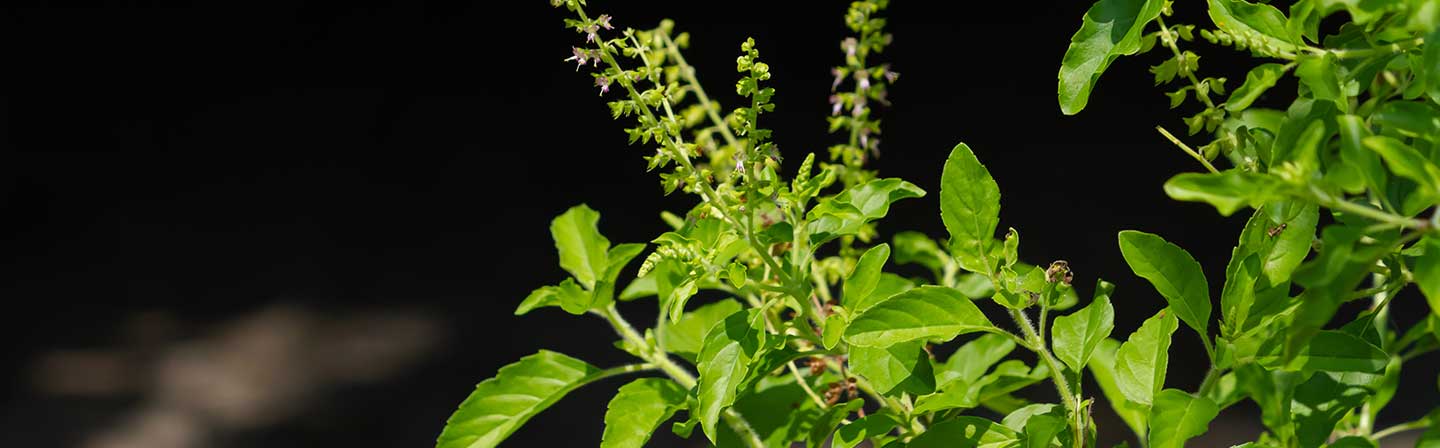
Ever heard your grandmother speaking about the wonders of Tulsi leaves? That small sacred plant sitting in many Indian homes is not just a cultural icon but a treasure trove of health benefits. Whether you call the leaves “Queen of Herbs” or simply Basil, Tulsi has been a staple within Ayurveda for some time. From boosting immunity to improving mental clarity, Tulsi seems to be nature’s way of saying, “ I have it covered.”
Indians have a history of using and worshipping the plant of tulsi. They have used it as an immunity booster for ages and have seen its benefits. From boiling it in several beverages to offering prayers every day, the plant has made its place in every household. Tulsi, scientifically called the Ocimum basilicum, the Mother Medicine of Nature in ancient Ayurvedic medicinal texts, is a herb that is used for several causes worldwide. Known for its exceptional medical abilities, tulsi is also a herb that is used in food and cuisines all over the world. So, in this article, we would discuss the exquisite tulsi plant benefits and tulsi uses.
Tulsi Plant Benefits
With varieties like lemon basil, sweet basil, holy basil, etc., the tulsi plant is grown worldwide with its multiple uses and benefits. Being an Ayurvedic herb, tulsi has minimal side effects on your health. Let us take a closer look at the numerous advantages of Tulsi and why incorporating this herb into your daily routine can transform your well-being.
1. A Natural and Low- Low-calorie Sweetener
Sweet basil and stevia leaves are natural sweeteners with fewer calories than sugar or jaggery. The sweeteners through leaf extracts are safe for patients with diabetes, offering a guilt-free way to satisfy sweet cravings. Beyond sweetening, Tulsi plays a key role in culinary traditions worldwide; Basil is also used in various cuisines, including Italian and Indian, and can aid gut health and metabolism. Its regular consumption can also help regulate your digestive processes, making mealtime more enjoyable and beneficial.
2. A Natural Remedy for Infections and Skin Problems
Tulsi has long been celebrated in Ayurvedic medicine for its ability to tackle infections and skin conditions. Research has shown basil to be an apt medicine for infectious problems like ulcers, keloids, and acne. Its antibacterial, antifungal and anti-inflammatory properties help cleanse the skin and promote healing. Applying a paste made from fresh Tulsi leaves can soothe inflamed skin and reduce redness. Drinking Tulsi tea can further aid in treating internal infections, reinforcing its reputation as a natural medical marvel.
3. Packed with Powerful Antioxidants
Basil is high in antioxidants such as beta-cryptoxanthin, lutein, and beta-carotene. These antioxidants are vital in combating free radicals, unstable molecules that can cause oxidative stress and damage cells.
Tulsi is also loaded with vitamins A, iron, vitamin K, calcium, magnesium, and essential oils, making it a nutritional powerhouse. Regular consumption can help slow the effects of ageing, improve energy levels, and enhance overall cellular health.
4. Strengthens Immunity and Slows Aging
Basil contains flavonoids, which help build the immune system and protect the cellular structure from damage. Tulsi’s ability to slow the ageing process is another reason it’s revered in traditional and modern medicine. By reducing cellular damage, Tulsi keeps you looking and feeling youthful inside and out.
5. Promotes Digestive Health
Sweet basil contains eugenol, which has anti-inflammatory properties and helps to keep your digestive tract healthy that promotes active digestion and balances your body’s pH. Regular consumption of Tulsi can alleviate symptoms like bloating, indigestion and acid reflux. Its soothing effects extend to the neurological system, ensuring your body and mind stay in harmony. Tulsi is a great addition to support your digestive health, whether in a salad, tea, or soup.
6. Regulates Blood Sugar Levels
Basil can help one bring down blood glucose levels. For those diagnosed with diabetes or pre-diabetes, holy basil has been shown in studies to curb diabetes symptoms, such as:
- High cholesterol
- Insulin resistance
- Hypertension
- Weight gain
- Hyperinsulinemia
Incorporating Tulsi tea or raw leaves into your routine can significantly lower blood glucose levels and enhance overall metabolic health.
7. A Natural Stress Reliever
Basil also contains an adaptogen, an anti-stress molecule. It decreases anxiety and despair by boosting energy-controlling neurotransmitters and pleasant hormones. Drinking Tulsi tea or adding the leaves to hot beverages may improve mental health and enhance the production of energy-controlling neurotransmitters and happy hormones. This reduces anxiety and depression while boosting mental clarity and focus. If you seek a natural way to unwind after a long day, Tulsi tea could be your best friend.
8. Supports Liver Health
Basil is a wonder herb for the liver, one of the most integral organs of our body and digestive system. It detoxifies the liver and prevents fat buildup in the organ. Being good for our liver, it helps us digest food better and helps prevent the onset of several serious diseases that originate from the malfunctioning of the liver. Consuming Tulsi regularly as tea or in meals can help your body maintain optimal digestive and metabolic performance.
9. Improves Circulation and Relieves Muscle Cramps
Tulsi contains magnesium, which improves blood circulation and relaxes blood vessels and muscles, helping to relieve muscular cramps. This makes Tulsi particularly effective in relieving muscle cramps and reducing the risk of cardiovascular diseases.
Including basil in your diet can help you avoid cardiac problems, especially in the stressful world where most of us suffer from lifestyle illnesses such as diabetes, hypertension, stress, and anxiety.
10. Protects Against Stress-induces Ulcers
Holy basil can help to avoid ulcers caused by stress. It aids in the strengthening of our stomach by:
- Reducing stomach acid.
- Increasing mucus secretion.
- Increasing mucus cell production and extending their cell life.
Drinking Tusli tea or consuming the leaves directly can fortify your stomach against the harmful effects of stress.
Effective Ways to Consume Tulsi:
After discovering the multiple Tulsi plant benefits, one can not resist adding them to daily life. Using tulsi in daily staples and dishes like pulses, lentils, rice, tea, etc., can be helpful for you and your respective health conditions. Using basil leaves, pastes, and extracts as part of your skincare routine can help you breathe new life into your skin, which continually faces the assault of dangerous chemicals and pollutants daily.
Here are some other common ways to consume tulsi:
- Tulsi Tea
- Tulsi ghee or honey
- Tulsi juice
- Tulsi water
Among these, tulsi tea is the most common way to add a healthy habit to the lifestyle. While preparing the tea, tulsi leaves can be added to make it a delicious and healthy beverage.
Tips to Add Tulsi Safely to Your Routine
While Tulsi is powerful with numerous health benefits, it is essential to use it wisely to ensure it complements your health and lifestyle. Here are some essential tips to help you incorporate Tulsi safely.
Avoid During Pregnancy and Lactation
Although Tulsi is generally safe for most people, pregnant and lactating women are advised to avoid it. The herb contains compounds that might stimulate uterine contractions, potentially leading to complications during pregnancy. Similarly, for lactating mothers, its effects on breast milk production and infant health are not thoroughly studied, so it is better to avoid on the side of caution.
Not Recommended for Infants
Due to their developing immune and digestive systems, it is advisable to refrain from giving Tulsi leaves or Tulsi-based preparations for babies. Small doses can be introduced for children older than two years after consulting a paediatrician.
Start Small to Avoid Side Effects
If you are trying Tulsi for the first time, consume it in small quantities to see how your body reacts. Some individuals may experience mild side effects such as nausea or diarrhea, especially when consuming Tulsi juice or tea for the first time. Gradually increase the amount over time allows your body to adapt.
Consult a Doctor if You are on Medication
Tulsi may interact with certain medications, including blood thinners, diabetes medication, and drugs for thyroid conditions. If you are already taking prescribed medications, consult your doctor before adding Tulsi to your diet. They can help assess potential interactions and adjust your dosage accordingly.
Monitor for Allergic Reactions
Though rare, some people might be allergic to Tulsi. Watch for symptoms such as skin rashes, itching, or respiratory discomfort after consuming Tulsi. If any of these occur, discontinue use and seek medical advice.
Conclusion
Basil or tulsi is a vital medicine that has been hailed by Ayurveda for centuries. We must use it for the sake of our health and well-being. Also, health is a wealth that should be celebrated by everyone. With thoughtful tips about health, Niva Bupa offers health insurance plans to transform the world into a healthy family. Visit Niva Bupa to avail a suitable health insurance plan.
FAQs
What are the primary health benefits of Tulsi leaves?
Tulsi leaves are known for their immunity-boosting, anti-inflammatory, and antioxidant properties. They help manage stress, improve digestion, regulate blood sugar levels, and promote heart health. Additionally, they support liver detoxification and protect against stress-induced ulcers.
Can Tulsi leaves be used to improve skin health?
Yes, Tulsi leaves are highly beneficial for skin health. Their antimicrobial and anti-inflammatory properties effectively treat acne, keloids, and other skin infections. Regular use of Tulsi as a paste or tea can improve skin texture and prevent blemishes.
How can Tulsi leaves be incorporated into daily life?
Tulsi leaves can be consumed in various ways:
- Brewed as tea for a refreshing and health-boosting drink.
- Added to curries, soups, or salads for enhanced flavour and nutrition.
- Chewed raw to boost immunity and improve oral health.
- Used topically as a paste to treat skin conditions like acne.
What happens if we eat tulsi leaves daily?
Eating tulsi (holy basil) leaves daily can offer several health benefits. Tulsi is known for its medicinal properties, it may help strengthen the immune system, reduce stress, improve digestion, and regulate blood sugar levels. However, consuming it in excess might lead to side effects, such as a drop in blood pressure or potential interactions with certain medications. It's best to consume in moderation.
Is it good to keep tulsi at home?
Yes, it's considered very good to keep a tulsi plant at home. Traditionally, tulsi is believed to purify the environment, promote positive energy, and ward off insects. Beyond spiritual beliefs, it also releases oxygen and has antibacterial properties. Placing it in a sunny spot ensures healthy growth.
Can we boil tulsi leaves in water and drink?
Yes, you can boil tulsi leaves in water and drink it. This herbal concoction, often called tulsi tea or tulsi water, is known to help with respiratory issues, sore throat, digestion, and detoxification. It's a natural and soothing remedy, especially during cold or flu season.
Can I drink tulsi tea on an empty stomach?
Yes, you can drink tulsi tea on an empty stomach. In fact, doing so may enhance its benefits, such as boosting metabolism, aiding digestion, and reducing inflammation. However, if you have a sensitive stomach or any underlying health conditions, it's wise to consult a healthcare professional first.
Get right coverage, right premium and the right protection instantly.
 By clicking, I agree to Niva Bupa
 You may also like



Health Insurance - Health Insurance | Best Family Health Insurance | Best Health Insurance For Senior Citizens In India | Health Insurance With Opd Cover | Mediclaim Insurance | Critical Illness Insurance | Personal Accident Insurance | Mediclaim Policy | Individual Health Insurance | Maternity Insurance | Best Health Insurance company | NRI Health Insurance
Health Insurance Schemes - PMMVY Login | PMJJBY Policy Status | Swasthya Sathi Card | PMSBY | PMJJBY | Ayushman Card | PMMVY 2.0 | Ayushman Vay Vandana Card | PMMVY NIC IN रजिस्ट्रेशन | PMMVY 2.0 लॉगिन
Travel Insurance Plans - Travel Insurance | International Travel Insurance | Student Travel Insurance | Travel Insurance USA | Travel Insurance Canada | Travel Insurance Thailand | Travel Insurance Germany | Travel Insurance Dubai | Travel Insurance Bali | Travel Insurance Australia | Travel Insurance Schengen | Travel Insurance Singapore | Travel Insurance UK | Travel Insurance Vietnam | Travel Insurance Japan | Travel Insurance Spain | Travel Insurance Asia | Travel Insurance Netherlands | Travel Insurance Turkey | Travel Insurance Ireland | Travel Insurance Philippines | Travel Insurance Italy | Travel Insurance France | Travel Insurance China | Travel Insurance Georgia | Travel Insurance South Africa | Travel Insurance Maldives | Travel Insurance Portugal | Travel Insurance Malaysia | Travel Insurance Qatar | Travel Insurance Poland | Travel Insurance Greece | Travel Insurance New zealand | Travel Insurance Saudi Arabia | Travel Insurance Sri Lanka
Become an Agent - Insurance Agent
Top Hospitals - Best Hospitals in Gurgaon
Others - Ayushman Bharat | Gst Refund for NRI on Health Insurance Premium
Health & Wellness - शिलाजीत के फायदे हिंदी | Weight Gain Diet in Hindi | Sat Isabgol Uses In Hindi | Aloe Vera Juice Benefits in Hindi | Dragon Fruit Benefits in Hindi | Akal Daad in Hindi | Acidity Home Remedies in Hindi | Nikat Drishti Dosh in Hindi | Yoga Benefits in Hindi | Laung Khane ke Fayde in Hindi | Leukoplakia in Hindi | Protein in 100g Paneer | Benefits of Rice Water For Skin | B12 Deficiency Symptoms in Hindi | Fibre Foods in Hindi | Chronic Disease Meaning in Hindi | Vitamin D Foods in Hindi | Blood Urea in Hindi | Beetroot Uses Good for Health
Calculator - BMI Calculator | Pregnancy Calculator | Pregnancy Calendar Based on Conception Date | Pregnancy Conception Date Calculator | Last Menstrual Period Calculator | BMR Calculator | GFR Calculator | Ovulation Calculator



www.nivabupa.com

+91 11 30902010

1860-500-8888

CIN: L66000DL2008PLC182918
IRDAI Registration No. 145

Corporate Office: 3rd Floor, Capital Cyberscape, Sector 59, Gurgaon
Registered Office: C-98, First Floor, Lajpat Nagar, Part 1, Delhi-110024, India


