

How to Calculate BMI For Women And Men
20 August, 2025
1 Shares
412 Reads
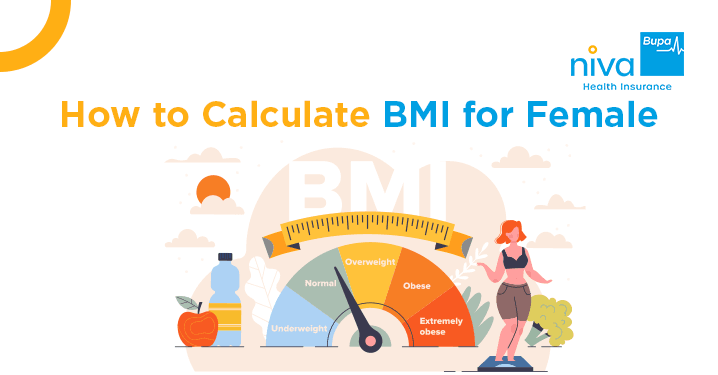
Body Mass Index (BMI) is a simple yet powerful tool for assessing whether your weight falls within a healthy range. This measurement helps millions of people worldwide understand their body weight status and make informed health decisions. Whether you’re learning how to calculate BMI for women or exploring how to calculate BMI for men, the formula remains the same for all adults. However, understanding how to calculate BMI can help you interpret the results more accurately in the context of overall health.
What is BMI and Why Does it Matter?
BMI is a numerical value derived from your height and weight. It provides a quick screening tool to categorise weight status as underweight, normal weight, overweight, or obese. Healthcare professionals use BMI as an initial assessment tool, though it's important to remember that it's just one piece of the health puzzle.
The concept was developed in the 1830s by Belgian mathematician Adolphe Quetelet. Today, it remains one of the most widely used methods for assessing weight-related health risks in both clinical and personal settings.
The Basic BMI Formula
How to calculate BMI for females and males uses the same fundamental equation:
BMI = weight (kg) / height (m)²
This universal formula works regardless of gender, making it straightforward to calculate your BMI at home.
Step-by-Step Guide to Calculate Your BMI
Here’s a simple step-by-step guide to help you accurately calculate your Body Mass Index (BMI) at home.
Step 1: Gather Your Measurements
First, you'll need accurate measurements of your current weight and height. For the most precise results:
- Weigh yourself in the morning before eating
- Use a reliable scale on a flat, hard surface
- Measure your height without shoes
- Stand straight against a wall for accurate height measurement
Step 2: Choose Your Measurement System
Decide whether you'll use metric (kilograms and meters) or imperial (pounds and inches) measurements. Stick with one system throughout your calculation to avoid confusion.
Step 3: Apply the Formula
Let's walk through examples for both measurement systems:
Metric Example:
- Weight: 70 kg
- Height: 1.65 m
- BMI = 70 ÷ (1.65 × 1.65) = 70 ÷ 2.7225 = 25.7
Imperial Example:
- Weight: 154 pounds
- Height: 65 inches
- BMI = (154 ÷ (65 × 65)) × 703 = (154 ÷ 4225) × 703 = 25.6
Understanding BMI Categories
Once you've calculated your BMI, you can interpret your results using these standard categories:
- Underweight: BMI less than 18.5
- Normal weight: BMI 18.5-24.9
- Overweight: BMI 25-29.9
- Obese Class I: BMI 30-34.9
- Obese Class II: BMI 35-39.9
- Obese Class III: BMI 40 or higher
These categories apply to both men and women, though some health professionals consider slight variations based on age and ethnicity.
Special Considerations When Learning How to Calculate BMI for Women
While the basic calculation remains the same, there are several factors women should consider when interpreting their BMI results:
Hormonal Fluctuations
Women experience natural weight fluctuations due to menstrual cycles, pregnancy, and menopause. These hormonal changes can affect both weight and body composition, potentially impacting BMI readings.
Pregnancy and Postpartum
Standard BMI calculations don't apply during pregnancy. Pregnant women should consult healthcare providers for appropriate weight gain guidelines based on their pre-pregnancy BMI.
Body Composition Differences
Women typically have higher body fat percentages than men at the same BMI level. This difference is normal and healthy, reflecting natural biological variations between sexes.
Bone Density Considerations
Women, especially post-menopausal women, may experience changes in bone density that can affect overall weight and BMI calculations.
How To Calculate BMI For Men
Men also have specific factors to consider when calculating and interpreting BMI. While how to calculate BMI for man follows the same formula used for everyone, understanding these factors can help interpret the results more accurately.
How To Calculate BMI For Men
Men also have specific factors to consider when calculating and interpreting BMI:
Muscle Mass
Men generally have higher muscle mass than women. Since muscle weighs more than fat, very athletic men might have higher BMIs despite having low body fat percentages.
Age-Related Changes
As men age, they may experience muscle loss and increased abdominal fat storage, which can affect BMI interpretation.
Height Variations
The method for calculating BMI for female and male individuals indicates that taller men may find BMI less accurate, as the formula may not ideally account for individuals of very tall or very short stature.
Tools and Resources for BMI Calculation
Use these handy tools and resources to calculate and track your BMI with ease and accuracy.
Online BMI Calculators
Many websites offer free BMI calculators where you simply input your height and weight. These tools automatically apply the correct formula and provide instant results.
Mobile Apps
Smartphone apps can help you track BMI over time, offering additional features like progress charts and health tips.
Healthcare Provider Assessment
Your doctor or healthcare provider can calculate your BMI during routine visits and help interpret results within the context of your overall health.
Limitations of BMI
Understanding how to calculate BMI for female and male individuals is valuable, but it's crucial to recognise BMI's limitations:
Doesn't Measure Body Composition
BMI cannot distinguish between muscle mass and fat mass. Athletes with high muscle mass may have elevated BMIs despite being very healthy.
Doesn't Account for Fat Distribution
Where you carry weight matters for health outcomes. BMI doesn't differentiate between abdominal fat (higher risk) and fat stored in hips and thighs (lower risk).
Age and Ethnicity Factors
BMI thresholds were developed primarily using data from white populations. Some ethnic groups may have different health risks at the same BMI levels.
Beyond BMI: Additional Health Measurements
While learning how to calculate BMI for women or how to calculate BMI for men can provide a useful starting point for understanding weight and health, BMI alone does not tell the whole story. To gain a clearer picture of overall health and body composition, it is helpful to consider additional measurements alongside BMI.
Waist Circumference
Measuring your waist circumference can help assess the amount of abdominal fat around the stomach area. Excess fat in this region is associated with higher risks of conditions such as heart disease, type 2 diabetes, and metabolic disorders.
Body Fat Percentage
Body fat percentage provides a more detailed understanding of body composition by estimating how much of your body weight comes from fat. Unlike BMI, which simply uses height and weight, this measurement distinguishes between fat, muscle and other tissues. While it usually requires specialised tools or professional assessment, it can offer a more accurate evaluation of health, especially for individuals who already understand how to calculate BMI and want deeper insights.
Waist-to-Hip Ratio
The waist-to-hip ratio compares the circumference of your waist to that of your hips. This measurement helps evaluate how body fat is distributed across the body, which can influence health risks. Individuals with more fat stored around the waist may face higher risks of cardiovascular diseases compared to those whose fat is distributed around the hips and thighs. Even after learning how to calculate BMI for man or woman, combining it with the waist-to-hip ratio can provide a more balanced view of health and risk factors.
Practical Tips for Healthy Weight Management
Regardless of your current BMI, focus on sustainable healthy habits:
- Balanced Nutrition: Eat a varied diet rich in fruits, vegetables, whole grains, and lean proteins. Avoid extreme dieting, which can be counterproductive.
- Regular Physical Activity: Aim for at least 150 minutes of moderate-intensity exercise per week, as recommended by health authorities.
- Consistent Sleep Patterns: Quality sleep affects hormones that regulate hunger and metabolism, impacting weight management.
- Stress Management: Chronic stress can lead to weight gain and make weight loss more difficult.
When to Consult Healthcare Professionals
Consider speaking with a healthcare provider if:
- Your BMI falls outside the normal range
- You're concerned about your weight or health
- You're planning significant lifestyle changes
- You have existing health conditions
Remember, when learning how to calculate BMI for female or male individuals, the number is just one tool among many for assessing health.
End Note
Calculating BMI is a simple yet insightful way to understand where you stand in terms of weight and overall health. Whether you're male or female, the same formula applies, but individual factors like age, muscle mass, and body composition play a crucial role in interpreting the results correctly. While BMI can guide initial assessments, it’s important not to rely on it in isolation. Complementary metrics and professional advice can offer a more accurate picture of your wellness.
If you're looking to stay proactive about your health beyond just numbers, we offer comprehensive health insurance solutions that support your journey with preventive care, wellness tools, and expert guidance, so you can focus on living a healthier, more informed life.
People Also Ask
How do I calculate BMI for female and male individuals?
Use the formula: BMI = weight (kg) / height (m) )², it works the same for both men and women.
What is a healthy BMI range?
A healthy BMI typically falls between 18.5 and 24.9.
Is BMI a reliable health indicator?
BMI is a useful screening tool, but it doesn’t measure body fat or distribution, so it's best used alongside other health assessments.
Does BMI differ for males and females?
No, the formula is the same, but body composition differences can affect how BMI is interpreted.
What are the limitations of BMI?
BMI doesn’t differentiate between fat and muscle, or show where fat is distributed in the body.
Can BMI be used during pregnancy?
No, BMI is not a reliable measure during pregnancy; consult a doctor for weight gain guidelines instead.
Is a high BMI always a sign of poor health?
Not necessarily, athletes or individuals with high muscle mass may have a high BMI but low body fat.
How often should I check my BMI?
Checking every 3-6 months is sufficient, unless advised otherwise by a healthcare professional.
Can age affect BMI interpretation?
Yes, age-related changes in muscle mass and fat distribution can impact how BMI reflects overall health.
Does dehydration or bloating affect BMI?
Slightly temporary changes in body weight from water retention or dehydration can affect BMI, but not significantly.
Can ethnicity influence BMI-related health risks?
Yes, certain ethnic groups may face health risks at lower or higher BMI levels compared to others.
Is BMI accurate for children and teenagers?
No, BMI for children and teens is age- and sex-specific and is interpreted using percentile charts.
Are there better alternatives to BMI?
Yes, measurements like body fat percentage, waist circumference, and waist-to-hip ratio offer more detailed insights.
Get right coverage, right premium and the right protection instantly.
 By clicking, I agree to Niva Bupa
 You may also like



Popular Searches
Health Insurance - Health Insurance | Best Family Health Insurance | Best Health Insurance For Senior Citizens In India | Health Insurance With Opd Cover | Mediclaim Insurance | Critical Illness Insurance | Personal Accident Insurance | Mediclaim Policy | Individual Health Insurance | Maternity Insurance | Best Health Insurance company | NRI Health Insurance
Health Insurance Schemes - PMMVY Login | PMJJBY Policy Status | Swasthya Sathi Card | PMSBY | PMJJBY | Ayushman Card | PMMVY 2.0 | Ayushman Vay Vandana Card | PMMVY NIC IN रजिस्ट्रेशन | PMMVY 2.0 लॉगिन
Travel Insurance Plans - Travel Insurance | International Travel Insurance | Student Travel Insurance | Travel Insurance USA | Travel Insurance Canada | Travel Insurance Thailand | Travel Insurance Germany | Travel Insurance Dubai | Travel Insurance Bali | Travel Insurance Australia | Travel Insurance Schengen | Travel Insurance Singapore | Travel Insurance UK | Travel Insurance Vietnam | Travel Insurance Japan | Travel Insurance Spain | Travel Insurance Asia | Travel Insurance Netherlands | Travel Insurance Turkey | Travel Insurance Ireland | Travel Insurance Phillipines | Travel Insurace Italy | Travel Insurance France | Travel Insurance China | Travel Insurance Georgia | Travel Insurance South Africa | Travel Insurance Maldives | Travel Insurance Portugal | Travel Insurance Malaysia | Travel Insurance Qatar | Travel Insurance Poland | Travel Insurance Greece | Travel Insurance New zealand | Travel Insurance Saudi Arabia | Travel Insurance Sri Lanka
Become an Agent - Insurance Agent | IRDA Certificate Download | IRDA Exam Syllabus | IRDA exam fee | Paise Kaise Kamaye | Ghar Baithe Paise Kaise Kamaye
Top Hospitals - Best Hospitals in Gurgaon
Others - Ayushman Bharat | Gst Refund for NRI on Health Insurance Premium
Health & Wellness - शिलाजीत के फायदे हिंदी | Weight Gain Diet in Hindi | Sat Isabgol Uses In Hindi | Aloe Vera Juice Benefits in Hindi | Dragon Fruit Benefits in Hindi | Akal Daad in Hindi | Acidity Home Remedies in Hindi | Nikat Drishti Dosh in Hindi | Yoga Benefits in Hindi | Laung Khane ke Fayde in Hindi | Leukoplakia in Hindi | Protien in 100g Paneer | Benefits of Rice Water For Skin | B12 Deficiency Symptoms in Hindi | Fibre Foods in Hindi | Chronic Disease Meaning in Hindi | Vitamin D Foods in Hindi | Blood Urea in Hindi | Beetroot Uses Good for Health
Calculator - BMI Calculator | Pregnancy Calculator | Pregnancy Calendar Based on Conception Date | Pregnancy Conception Date Calculator | Last Menstrual Period Calculator | BMR Calculator | GFR Calculator | Ovulation Calculator



www.nivabupa.com

+91 11 30902010

1860-500-8888

CIN: L66000DL2008PLC182918
IRDAI Registration No. 145

Corporate Office: 3rd Floor, Capital Cyberscape, Sector 59, Gurgaon
Registered Office: C-98, First Floor, Lajpat Nagar, Part 1, Delhi-110024, India


