

Low Glycaemic Index Foods for Daily Indian Diet
10 March, 2026
7 Shares
410 Reads
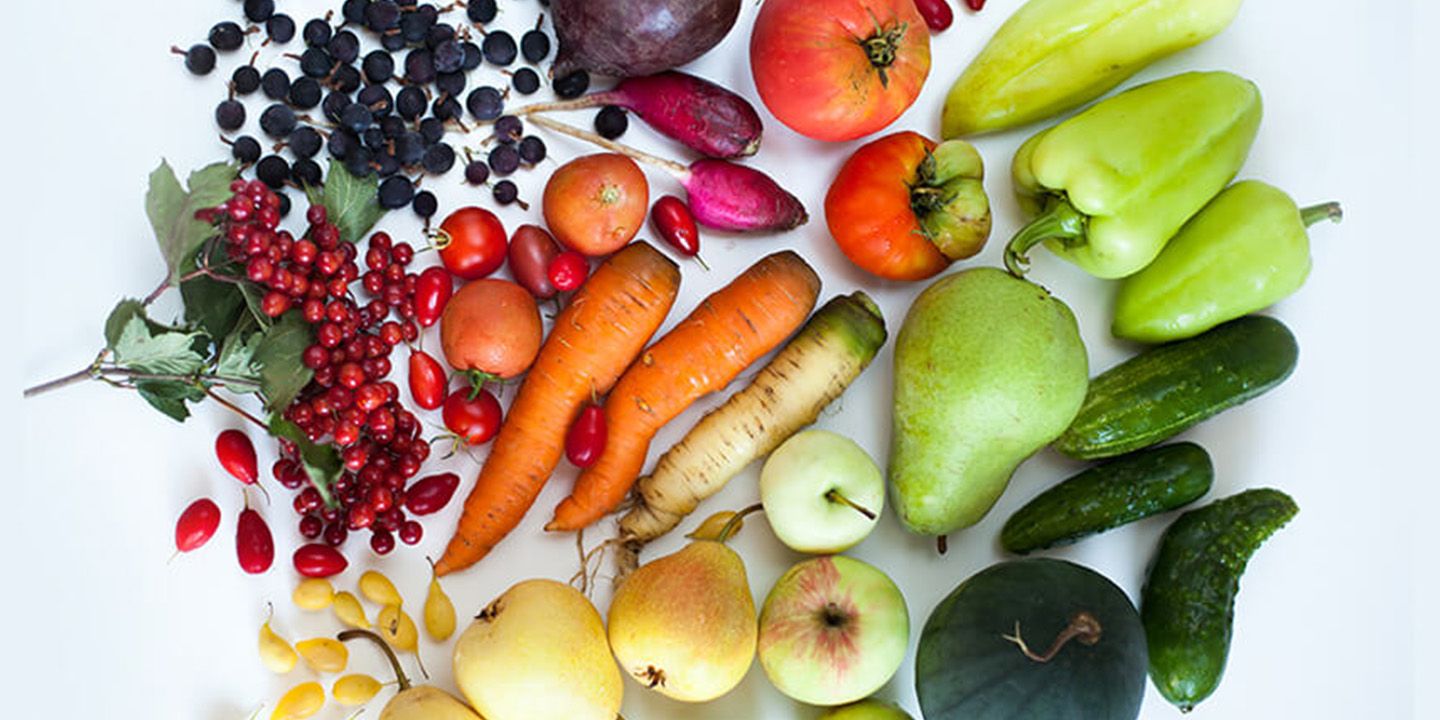
Implementing a nutritional strategy focused on low glycaemic index foods is perhaps the most transformative step one can take toward long-term metabolic health. The concept of Glycaemic Index (GI) becomes even more important in the light of the traditional diet on the Indian subcontinent, which tends to be rich in refined carbohydrate substances such as white rice and flour. The GI is the policy between 0 and 100, which denotes the rate at which a carb-related food raises the glucose quantity in the blood. Low GI foods (55 or below) are more slowly digested and absorbed to deliver a slow release of energy, avoiding the spikes of insulin that increase weight and cause chronic disease.
The Science Behind Low-Glycaemic-Index Foods
The biological reaction towards foods is not completely regarding the amount of calories; it is regarding the hormonal effect. High-GI foods cause the body to rapidly rise in blood sugar when we take sweetened beverages or refined grains. The pancreas, in turn, responds by releasing a large amount of insulin to transport said sugar into the cells. This metabolic highest speed usually results in a sugar crash where one grows fatigued and hungry soon after meals. Conversely, low glycaemic index foods maintain a plateau-like glucose response. This is necessary in the management of Type 2 diabetes, polycystic ovary syndrome (PCOS), and cardiovascular health.
In addition, a low-GI diet is not only aimed at individuals with existing health conditions. It is a preventive tool. You are basically providing your body with mental conditioning by picking complex carbohydrates that are high in fibre, which causes your body to use energy more efficiently. Fibre has a physical effect of damaging the enzyme degradation of starches. This is the reason why a whole grain still with the same number of carbs will always score low on GI. In the long run, this regulated glucose effect lowers the metabolic burden on the pancreas and enhances insulin sensitivity on the cellular level. Consistently consuming low glycaemic index foods has also been linked to better appetite regulation, as stable blood sugar levels help control hunger hormones such as ghrelin. Subsequently, low-GI diets enhance the maintenance of weight at sustaining level and reduce the future occurrence of metabolic diseases.
Low GI Grains required in the Indian Kitchen
Cereals are the staple of any meal in most Indian homes. Replacing refined wheat (Maida) and polished white rice with low-GI options is one of the changes that can dramatically change your health profile.
Steel-Cut Oats and Barley (Jau)
Although instant oats are processed and therefore their GI is usually high, steel-cut oats and whole barley are dietary superpowers. Barley or Jau has a really low GI, approximately 25 to 28. It contains a lot of beta-glucan that is a soluble fibre and has been proven to reduce cholesterol and improve heart health. Barley can be used to prepare a delicious khichdi, or it can be used in place of rice in most of the traditional dishes.
Broken Wheat (Daliya)
Daliya is a staple that the contemporary diet should have taken into consideration. It has a low degree of processing, therefore keeping the bran and the germ of the wheat kernel. This will make sure that glucose is released slowly. Vegetable daliya upma breakfast gives long-lasting satiety, and you do not have to snack in the middle of the day.
Millets: The Ancient Superfoods
India is the land of millets. Most of the grains, such as Jowar (Sorghum), Bajra (Pearl Millet), and Ragi (Finger Millet), are classified within the low to medium GI bracket. Ragi is, e.g. not only low-GI, but very high in calcium. These can be used in conjunction with your daily rotis or fermented dosas to reduce the glycaemic load of your plate.
Pulses and Legumes: The Protein Fibre Stalwarts
The integral components of the Indian vegetarian diet are pulses. Almost all dals and legumes are considered low glycaemic index foods. The reason is that they have an exclusive blend of high protein and high fibre that are two elements that reduce the blood sugar reaction.
The Dals in the Management of Glucose
It can be Moong Dal, Masoor Dal, or Urad Dal; the staples have GI scores of 20-45. They also contain resistant starch in addition to having a low GI. Resistant starch is less digestible; it moves along the small intestines unabsorbed and ferments in the large intestines, nourishing the favourable gut flora. Such a process is also enhancing insulin sensitivity with time.
Legumes for Satiety
Rajma (Kidney Beans), Chole (Chickpeas), and Lobia (Black-eyed peas) are also good lunches. One portion of Rajma contains a GI of about 24. It is a complete meal when combined with a small bowl of brown rice or even a roti made of millet that makes you remain filled up to 4-5 hours.
Pro Tip: To make them even less GI, make sure you do not cook them too mushy. It is good to retain some bite or texture in your beans, which retards digestion.
Low GI Fruits and Vegetables
One of the widespread myths is that fruits should be avoided due to their sugar content that is inherent in fruits. As a matter of fact, the kind of sugar that is involved (which is mostly fructose) and, what is more crucial, the fibre structure of the whole fruits considerably diminish their glycaemic effects. Fibre retards the rate of digestion and glucose absorption, and so the levels of blood sugar will not elevate as sharply as possible. Many fruits are easily placed in the low category of glycaemic index as long as they are consumed as whole rather than as juices, and thus can be consumed daily.
The Top Fruits to Eat Every Day
The majority of temperate and tropical fruits, when consumed moderately, and their skins are safe and metabolically good.
- Apples and Pears: These fruits have a GI of around 38, which means that they give a constant supply of energy. Their pectin and other soluble fibres are beneficial to gut health and aid in the enhancement of insulin sensitivity.
- Guava: Guava is a common Australian fruit in India, as it is a very high-dietary-fibre fruit, which is also high in vitamin C and low in natural sugars. It contains significant amounts of fibre, making it particularly useful in blood sugar regulation and regular digestion.
- Citrus Fruits: Oranges, grapefruits and sweet lime are low GI fruits and contain high amounts of flavonoids and vitamin C. These compounds not only provide immune support, but they also increase the activity of insulin and decrease oxidative stress.
- Berries: Some of the fruits with the lowest GI include strawberries, blueberries, and raspberries. Their great antioxidant content, coupled with low sugar content, makes them suitable for individuals who have diabetes or metabolic syndrome.
Healthy Snacking and the "Hidden" High GI Foods
An evening snack window is one of the greatest obstacles to adhering to a low glycaemic index lifestyle, particularly in the context of an Indian pattern of eating habits. The usual alternatives like samosas, biscuits, namkeens, and fried farsan are prepared using refined flour, starch and industrial oils. The ingredients are fast-digesting and cause sudden blood sugar peaks, insulin bursts that favour the improvement of fats and a new appetite. In the long term, the regular use of this kind of snack causes a lot of insulin resistance and metabolic imbalance.
Smarter Snack Choices
Substitutions of snacks can make a change in glycaemic control without impacting taste and satiety.
- Roasted Makhana (Fox Nuts): Roasted makhana is light and crunchy with low GI and is a good source of minerals, including magnesium, which is known to help glucose metabolism.
- Sprouted Moong Chaat: Sprouting also reduces the glycaemic load of the pulse by decreasing the distribution of starch and raising the activities of enzymes. This not only makes sprouted moong lighter to digest, but it is also more nutrient-filled, in addition to the sustained energy.
- Nuts: Almonds and walnuts are virtually zero- Gi and good sources of healthy fats, protein and antioxidants. They decelerate digestion and dull the after-meal peaks of glucose when consumed independently, or in combination with foods containing carbohydrates.
- Yoghurt/Curd: Unsweetened, plain curd is a low-GI food and provides beneficial probiotics that aid in maintaining a healthy gut. A healthy gut microbiome is significant towards enhancing insulin sensitivity and metabolism.
Conclusion
Transitioning to a diet rich in low glycaemic index foods is not about deprivation; it is about making informed swaps that prioritise your body's hormonal balance. A simple rational step of substituting the white rice with millets, refined flour with daliya and sugary snacks with nuts and sprouts in your diet will help you keep your weight at check and stay largely rid of the chances of contracting lifestyle diseases. The most important thing is consistency; small, everyday changes result in health in the long term.
Taking your health into better consideration by improving your health through nutrition, it is also important to ensure your financial future against health-related uncertainties. Niva Bupa NRI Health Insurance is the best safety net for global Indians. It is a premium product with such features as "ReAssure", which restores your sum insured once you claim and the possibility of Global coverage once having definite illnesses. It enables NRIs to pay the premium using international cards and manage the policies using a user-friendly mobile app, and it is exceedingly convenient to cover themselves and their families back in India due to the increased healthcare expenses.
FAQs
1. What are the low-glycemic-index foods?
Low glycemic index foods are those foodstuffs that cause an increase in blood sugar at a slow and steady pace. These are the majority of the non-starchy vegetables, such as spinach, broccoli, cauliflower and bottle gourd, and whole fruits such as apples, pears, berries, and citrus fruits. Legumes (lentils, chickpeas, kidney beans, black beans, etc.) are also naturally low GI, as well as whole grains (oats, barley, quinoa, minimally processed millets). There is no or minimal effect on blood glucose levels caused by nuts, seeds, dairy products such as plain curd or yoghurt, and healthy fats.
2. What are low-GI pregnancy foods?
Foods with low-GI are especially useful during pregnancy as they help stabilise blood sugar levels and minimise the chances of getting gestational diabetes. Proper substitutes are whole grains such as oats and barley, pulses like lentils and moong dal, non-starchy vegetables, dairy products like milk and curd, and whole fruits like apples, guava and berries. The foods are also very important as the basic sources of nutrients like calcium, iron and fibre that can help the foetus grow and develop well, as well as maternal health.
3. What Indian food is low-GI?
Low-GI Many of the traditional Indian cuisine automatically belongs to the low-GI category, made in their whole and least processed state. Dal using moong, masoor or chana, lauki, tinda, bhindi, and karela, fermented-idli made using more lentils than rice and whole grains such as millets, brown rice, and barley are examples. Low-GI foods can also be homemade, such as curd, paneer and sprouted pulses that are consumed extensively in Indian cuisine.
4. What can I do to reduce my glycemic index?
Decreasing the glycaemic effect of your meals in a fast way can be done by combining carbohydrates with protein food, healthy fats, or fibre meals. Replacing refined with whole grains, including vegetables in all meals, and not consuming sugary beverages will play a vital role in lowering the occurrence of blood sugar spikes. The slow pace of eating, moderation in food intake and a brief walk following a food intake also work towards the enhancement of glucose control in the short run, together with maintenance of metabolic health in the long run.
Get right coverage, right premium and the right protection instantly.
 By clicking, I agree to Niva Bupa
 You may also like



Health Insurance - Health Insurance | Best Family Health Insurance | Best Health Insurance For Senior Citizens In India | Health Insurance With Opd Cover | Mediclaim Insurance | Critical Illness Insurance | Personal Accident Insurance | Mediclaim Policy | Individual Health Insurance | Maternity Insurance | Best Health Insurance company | NRI Health Insurance
Health Insurance Schemes - PMMVY Login | PMJJBY Policy Status | Swasthya Sathi Card | PMSBY | PMJJBY | Ayushman Card | PMMVY 2.0 | Ayushman Vay Vandana Card | PMMVY NIC IN रजिस्ट्रेशन | PMMVY 2.0 लॉगिन
Travel Insurance Plans - Travel Insurance | International Travel Insurance | Student Travel Insurance | Travel Insurance USA | Travel Insurance Canada | Travel Insurance Thailand | Travel Insurance Germany | Travel Insurance Dubai | Travel Insurance Bali | Travel Insurance Australia | Travel Insurance Schengen | Travel Insurance Singapore | Travel Insurance UK | Travel Insurance Vietnam | Travel Insurance Japan | Travel Insurance Spain | Travel Insurance Asia | Travel Insurance Netherlands | Travel Insurance Turkey | Travel Insurance Ireland | Travel Insurance Philippines | Travel Insurance Italy | Travel Insurance France | Travel Insurance China | Travel Insurance Georgia | Travel Insurance South Africa | Travel Insurance Maldives | Travel Insurance Portugal | Travel Insurance Malaysia | Travel Insurance Qatar | Travel Insurance Poland | Travel Insurance Greece | Travel Insurance New zealand | Travel Insurance Saudi Arabia | Travel Insurance Sri Lanka
Become an Agent - Insurance Agent
Top Hospitals - Best Hospitals in Gurgaon
Others - Ayushman Bharat | Gst Refund for NRI on Health Insurance Premium
Health & Wellness - शिलाजीत के फायदे हिंदी | Weight Gain Diet in Hindi | Sat Isabgol Uses In Hindi | Aloe Vera Juice Benefits in Hindi | Dragon Fruit Benefits in Hindi | Akal Daad in Hindi | Acidity Home Remedies in Hindi | Nikat Drishti Dosh in Hindi | Yoga Benefits in Hindi | Laung Khane ke Fayde in Hindi | Leukoplakia in Hindi | Protein in 100g Paneer | Benefits of Rice Water For Skin | B12 Deficiency Symptoms in Hindi | Fibre Foods in Hindi | Chronic Disease Meaning in Hindi | Vitamin D Foods in Hindi | Blood Urea in Hindi | Beetroot Uses Good for Health
Calculator - BMI Calculator | Pregnancy Calculator | Pregnancy Calendar Based on Conception Date | Pregnancy Conception Date Calculator | Last Menstrual Period Calculator | BMR Calculator | GFR Calculator | Ovulation Calculator



www.nivabupa.com

+91 11 30902010

1860-500-8888

CIN: L66000DL2008PLC182918
IRDAI Registration No. 145

Corporate Office: 3rd Floor, Capital Cyberscape, Sector 59, Gurgaon
Registered Office: C-98, First Floor, Lajpat Nagar, Part 1, Delhi-110024, India


