

Prebiotic Foods for Gut Health and Metabolic Support
23 February, 2026
7 Shares
229 Reads
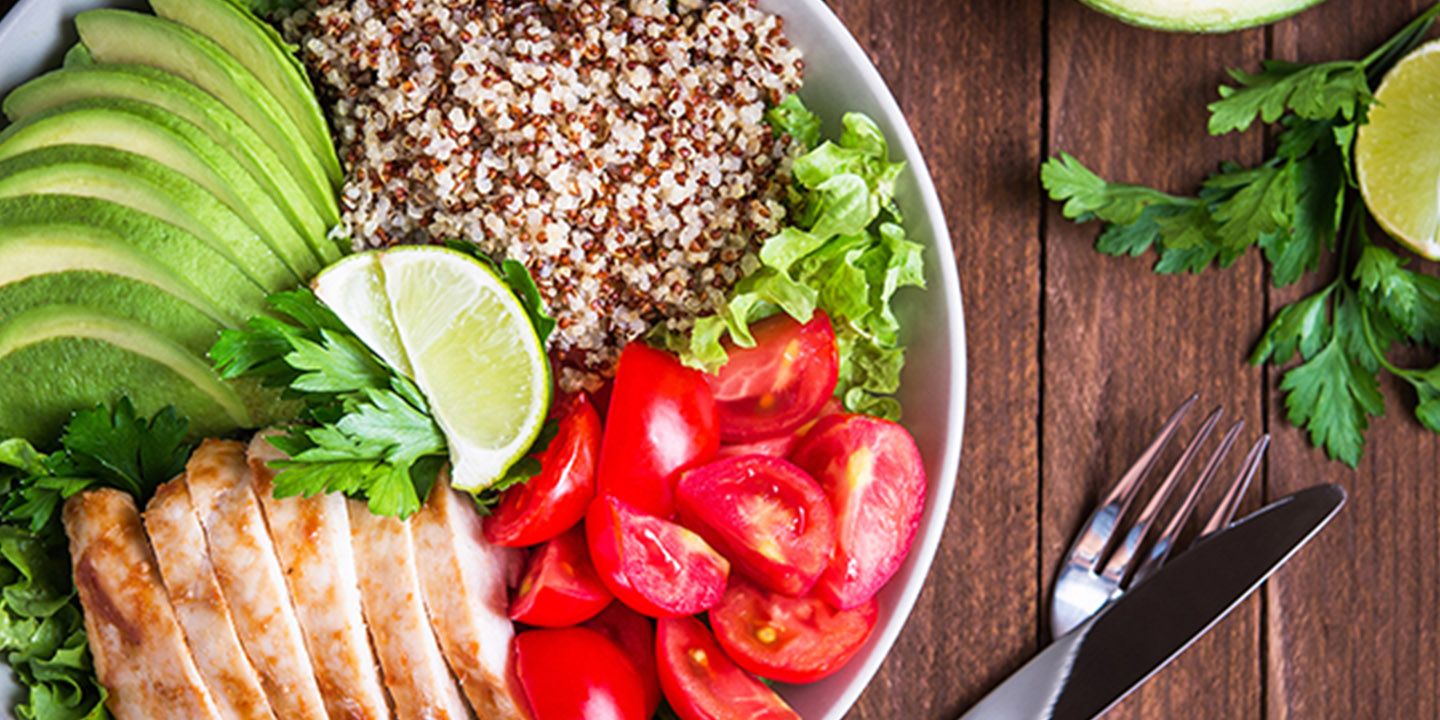
The nutritional philosophy of the future of 2026 has changed so that, rather than clean eating, we have the complex care of our inner biological ecosystems. The key to this revolution is the gut microbiome, which is a massive colony of trillions of microorganisms that determine our metabolic burn rate and our clarity of mind. While probiotics (the live beneficial bacteria) often dominate the conversation, the true catalyst for a resilient gut is the presence of prebiotic foods.
Prebiotic foods play a crucial role in strengthening the gut microbiome by selectively feeding beneficial bacteria that support digestion, immunity, and overall metabolic health. They are not mere dietary fibres, but rather, these are highly specialised functional fuels that are selectively nourishing to the good bacteria already present in your intestines. The knowledge on how to utilise these foods has ceased to be a niche subject among wellness-focused individuals; it has become one of the pillars of modern preventive medicine.
Defining Prebiotic Foods: The Science of Selective Fermentation
In order to value the importance of prebiotic foods, it is worthwhile to draw the line between prebiotics and common dietary fiber. Although all prebiotics are considered as fibres, not all fibres present the conditions necessary to qualify as prebiotics. To be eligible, a food component has to be resistant to digestion in the upper gastrointestinal tract, i.e. it has to withstand the acidic conditions of the stomach and enzymatic degradations in the small intestine. It is only when intact in the colon that it is able to fulfil its characteristic function, which is its selective fermentation by the useful microorganisms of Bifidobacteria and Lactobacillus.
This is the prebiotics' unique selectivity. They do not simply fertilise the whole microbial community but only favourably nourish the bacteria correlated with metabolic wellbeing, immunostasis, and intestinal barrier safety. This intensive form of interaction is how prebiotics influence the composition of the microbial flora in the long term, which results in a cyclically stable and balanced gut ecosystem.
The Main Classes of Prebiotic Fibres
The best-known prebiotic compounds that have been studied most are a type of carbohydrate called an oligosaccharide. The chain length and structure of these molecules vary, and this determines the type of fermentation and subsequent physiological outcome. There are generally 3 major food groups that are present in a normal diet:
Inulin-type Fructans (ITFs):
These are found in foods like chicory root, asparagus and Jerusalem artichokes and they are longer chains of fructose molecules. Their slow fermentation promotes long term activity of microbes and could help in the long term production of the good metabolites in the colon.
Fructo-oligosaccharides (FOS):
These are shorter chains of fructose that are present in onions, garlic, bananas and wheat. Because they are smaller, they ferment faster, activated proliferation of beneficial bacteria in the first place, contributed to the process of digestion.
Galacto-oligosaccharides (GOS):
GOS are found commonly in legumes and naturally in human breast milk and play a vital role in the initial development of the microbiome. They facilitate the colonisation of useful bacteria on the infants and proceed to facilitate immune adaptation and metabolic homeostasis in their later years.
Holistic Health benefits: Not just Simple Digestion
The benefits of prebiotic foods extend far beyond digestive comfort. Regular consumption of prebiotic foods helps improve digestion, enhance immune response, and support mental well-being through a healthy gut-brain connection. Although they tend to be linked with better bowel performance, the emerging studies still point to their overarching influences on general health. The fact that recent clinical trials in early 2026 have identified solutions to the connection between gut microbiota balance and overall physiological health further confirms that supporting and nurturing good gut bacteria is beneficial across a variety of body systems at the same time.
Immune System Modulation and Immunity
The majority of immune cells in the body, about 70-80 percent reside in the so-called gut-associated lymphoid tissue (GALT), which means that the gastrointestinal tract is one of the primary locations of immune control. Consuming prebiotics effectively increases immune preparedness by promoting a healthy microbiome. The presence of beneficial bacteria results in the production of short-chain fatty acids and other types of metabolites that can interact with the immune cells to give them an indication of whether the antigens present are harmless or threatening.
This contact can prevent inflammation, as well as prevent predisposition to seasonal allergies, respiratory diseases, and some autoimmune reactions. Also, having a healthy microbiome increases the strength of the gut barrier, restricting the leakage of antagonistic microbiomes into the blood and aiding in immune resilience with age.
Mental Health and Cognition: The Gut-Brain Axis
The idea about the gut being the second brain is a testament to the fact that there is a well-developed biological communication system between the central nervous system and digestive system. The gut and brain are continually in a position of dialogue by the neural networks, such as the vagus nerve and additionally via hormonal and chemical signalling.
Prebiotics indirectly affect the production of neurotransmitters because they feed bacteria that help in the manufacture of neurotransmitters such as serotonin and gamma-aminobutyric acid (GABA), which affect the mood and relaxation. The results of the published research in 2025 and 2026 suggest that high-potassium content of prebiotic fibre can be used to alleviate symptoms of anxiety, stabilise mood changes, and enhance physiological reactions to stress and anxiety by decreasing cortisol levels. This accumulating evidence points to the importance of gut health in mental acuity, mood stability and mental wellbeing.
Increasing Mineral Absorption and Bone Density
Among such unknown benefits of prebiotics is the influence such compounds exert on nutrient absorption. As part of the fermentation process, the positive bacteria make the colon slightly acidic, decreasing the pH, which in turn makes the absorption of vital minerals like calcium, magnesium, and iron in the colon more soluble and absorbable.
An enhanced mineral bioavailability enhances bone mineralisation and could lead to an increase in bone density with time. This is especially important among elderly individuals, especially walls making growth spurts, or those with nutritional limitations. Prebiotics indirectly enhance bone strength through enhancing mineral intake, and can reduce the risk of osteoporosis and bone fractures in the long term more easily.
Top Prebiotic Foods to Include in Your 2026 Diet
To have the best gut health, a variety of prebiotic types is essential. Plant-based foods have their own unique fibre profile,s which explains the support of bacteria of different strains.
Allium Vegetables: Onions, Garlic and Leeks
The gold standard of prebiotic intake is the Allium family. The bifidobacteria population has been proven to rise with the consumption of inulin and FOS located in garlic and onions. In addition to digestion, allicin, which is a strong antimicrobial and cardiovascular agent, can be found in garlic. Leeks, which are its less potent relative contains about 16% of fibre content, most of which is prebiotic and are thus a quite good base in soups and stews.
Artichokes and Chicory Root, Jerusalem
No prebiotics are as concentrated as Jerusalem artichokes (or sunchokes). They are composed of about 76 per cent inulin. In like manner, chicory root is the main source of the commercial inulin supplements. By 2026, a large number of gut-friendly coffees and herbal teas will be made with roasted chicory root to give a caffeine-free boost to the digestive system.
Unripe Bananas and Resistant Starch
The green (unripe) type of banana is a source of resistant starch, whereas most people eat the sweet and yellow type of banana. In contrast to normal starch, resistant starch behaves as a prebiotic since it does not get digested as it moves through the small intestine. It has been associated with better insulin sensitivity and reduced postprandial glycaemia.
Whole Grains: Oats and Barley
Beta-glucan is a kind of prebiotic fibre that is found in oats and barley and forms a gel-like substance in the gut. This not only feeds on healthy bacteria but also binds cholesterol, thus avoiding its absorption into the blood. The revival of ancient grains such as pearl barley in the year 2026 has given it credit for the fact that it helps in stopping systemic inflammation.
Conclusion
The microbes in our gut, which are the subject of science, are the key to the road to holistic health. By consistently incorporating prebiotic foods like chicory root, garlic, and whole grains into your daily routine, you are doing more than just improving digestion; you are fortifying your immune system, stabilising your mood, and protecting your metabolic future. During the progression in 2026, the trend of merging nutrition with medical technology is sure to become even more rooted, which will place the control of our microbiome at the centre of any longevity plan.
Being healthy also entails being ready against the odds. To the expatriates, Niva Bupa NRI Health Insurance provides the final assurance. Under the extensive schemes such as Health Companion and ReAssure 2.0, you would receive access to the advanced forms of treatment, the procedures of day care carried out today and even a global cover to certain illnesses. The 30-minute turnaround to claims and a lock-the-age option of the policy, where your premium is pegged on what you were when you entered the policy until you make a claim, makes it a perfect choice among the progressive global Indian. With the gut-friendly diet and a trusted health insurance provider, you will be in a position where your health will be taken care of on all fronts, no matter where you call home.
FAQs
1. Which foods contain high prebiotics?
The food that is rich in prebiotics is mostly specialised vegetable fibres that cannot be digested directly by the human body. These products get to the lower digestive tract, where they serve the purpose of acting as an important source of energy to healthy bacteria. Raw garlic, onions, leeks, and asparagus contain inulin-type fructans in the highest amounts, and are the strongest ones. Other important sources are dandelion greens and Jerusalem artichokes, which contain a great amount of specialised fibres that selectively educate the growth of Bifidobacteria and Lactobacillus strains in the colon.
2. What is a prebiotic fruit?
A prebiotic fruit is characterised by the amount of resistant starch or pectin, and not merely simple sugars. The most recognised case is perhaps with bananas, which are slightly under-ripened or green because they contain large amounts of resistant starch above the small intestine that nourishes gut bacteria. Another best prebiotic fruit is the apple, as it is high in pectin, which is a soluble fibre that has been proven to enhance the production of beneficial short-chain fatty acids. Other fruits that have common properties are grapefruit and blueberries that contain exclusive polyphenols that behave in a prebiotic fashion to support microbial biodiversity.
3. Is curd a prebiotic?
The idea of whether curd is a prebiotic is a popular source of confusion in the field of nutritional science. Curd is technically a probiotic food since it holds live active cultures of stimulating bacteria that are added during the process of fermentation. It lacks the particular indigestible fibres that are considered prebiotics, which occur naturally. Nevertheless, curd is the key to a synbiotic diet, which is the practise to combine probiotics (the live bacteria) and prebiotics (the food nourishing those bacteria) in order to bring the most healthy benefits to the digestive system and the immune system.
4. Is dal a prebiotic?
Dal or lentils are a superior prebiotic food due to the presence of galacto-oligosaccharides and resistant starch that are highly concentrated in them. Such intricate carbohydrates are very efficient in getting to the large intestine in their original form, where they are fermented by the microbiomes present. Routine eating of different kinds of dal is beneficial in promoting metabolism because of daily improvements in insulin sensitivity and systemic inflammation. Dal, being a staple in a lot of traditional diets, is one of the most affordable and readily available methods of maintaining a regular intake of the particular fibres needed to keep a strong and well-rounded internal ecosystem.
Get right coverage, right premium and the right protection instantly.
 By clicking, I agree to Niva Bupa
 You may also like



Popular Searches
Health Insurance - Health Insurance | Best Family Health Insurance | Best Health Insurance For Senior Citizens In India | Health Insurance With Opd Cover | Mediclaim Insurance | Critical Illness Insurance | Personal Accident Insurance | Mediclaim Policy | Individual Health Insurance | Maternity Insurance | Best Health Insurance company | NRI Health Insurance
Health Insurance Schemes - PMMVY Login | PMJJBY Policy Status | Swasthya Sathi Card | PMSBY | PMJJBY | Ayushman Card | PMMVY 2.0 | Ayushman Vay Vandana Card | PMMVY NIC IN रजिस्ट्रेशन | PMMVY 2.0 लॉगिन
Travel Insurance Plans - Travel Insurance | International Travel Insurance | Student Travel Insurance | Travel Insurance USA | Travel Insurance Canada | Travel Insurance Thailand | Travel Insurance Germany | Travel Insurance Dubai | Travel Insurance Bali | Travel Insurance Australia | Travel Insurance Schengen | Travel Insurance Singapore | Travel Insurance UK | Travel Insurance Vietnam | Travel Insurance Japan | Travel Insurance Spain | Travel Insurance Asia | Travel Insurance Netherlands | Travel Insurance Turkey | Travel Insurance Ireland | Travel Insurance Phillipines | Travel Insurace Italy | Travel Insurance France | Travel Insurance China | Travel Insurance Georgia | Travel Insurance South Africa | Travel Insurance Maldives | Travel Insurance Portugal | Travel Insurance Malaysia | Travel Insurance Qatar | Travel Insurance Poland | Travel Insurance Greece | Travel Insurance New zealand | Travel Insurance Saudi Arabia | Travel Insurance Sri Lanka
Become an Agent - Insurance Agent | IRDA Certificate Download | IRDA Exam Syllabus | IRDA exam fee | Paise Kaise Kamaye | Ghar Baithe Paise Kaise Kamaye
Top Hospitals - Best Hospitals in Gurgaon
Others - Ayushman Bharat | Gst Refund for NRI on Health Insurance Premium
Health & Wellness - शिलाजीत के फायदे हिंदी | Weight Gain Diet in Hindi | Sat Isabgol Uses In Hindi | Aloe Vera Juice Benefits in Hindi | Dragon Fruit Benefits in Hindi | Akal Daad in Hindi | Acidity Home Remedies in Hindi | Nikat Drishti Dosh in Hindi | Yoga Benefits in Hindi | Laung Khane ke Fayde in Hindi | Leukoplakia in Hindi | Protien in 100g Paneer | Benefits of Rice Water For Skin | B12 Deficiency Symptoms in Hindi | Fibre Foods in Hindi | Chronic Disease Meaning in Hindi | Vitamin D Foods in Hindi | Blood Urea in Hindi | Beetroot Uses Good for Health
Calculator - BMI Calculator | Pregnancy Calculator | Pregnancy Calendar Based on Conception Date | Pregnancy Conception Date Calculator | Last Menstrual Period Calculator | BMR Calculator | GFR Calculator | Ovulation Calculator



www.nivabupa.com

+91 11 30902010

1860-500-8888

CIN: L66000DL2008PLC182918
IRDAI Registration No. 145

Corporate Office: 3rd Floor, Capital Cyberscape, Sector 59, Gurgaon
Registered Office: C-98, First Floor, Lajpat Nagar, Part 1, Delhi-110024, India


