

Protein Energy Malnutrition (PEM) Disease: Causes, Symptoms & Cure
1 May, 2025
3 Shares
1621 Reads
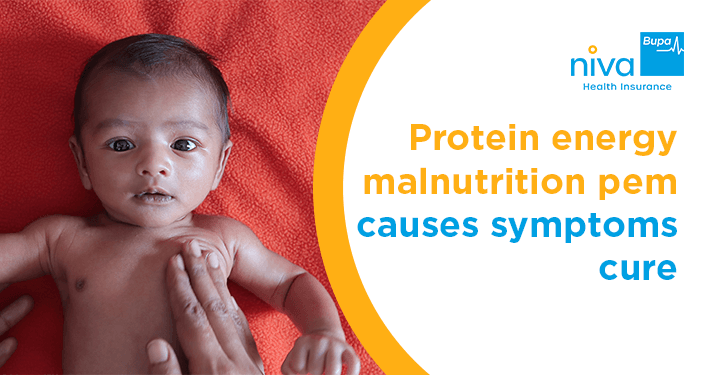
In a world where health is taken for granted until it's threatened, Protein Energy Malnutrition (PEM) is a silent danger, especially in developing nations and among the vulnerable. While the majority of discussions on nutrition center on obesity or lifestyle illnesses, PEM disease is an equally urgent concern—albeit less glamourised in popular debate. Focuses on proteins and energy, which are the most fundamental elements of life. Knowing the causes of protein energy malnutrition, identifying symptoms of protein energy malnutrition early, and being aware of how to treat it can quite literally save lives.
What is PEM Disease?
Causes of protein energy malnutrition are due to the body's lack of protein as well as energy. It affects children most often but also adults with chronic conditions, eating disorders, or older adults with limited food access. It can vary from mild to severe and tends to happen with other micronutrient deficiencies and thus its impact on the body.
Reasons for Protein Energy Malnutrition
The etiology of protein energy malnutrition is frequently complex. Basically, PEM is a function of insufficient consumption of protein and calories over a long term. The cause of such a lack of consumption is not, however, static:
- Food Insecurity and Poverty: One of the primary reasons behind protein energy malnutrition in the urban and rural settings. In the absence of healthy food, individuals consume calorie-dense filling but nutrient-less foods.
- Infections and Disease: Tuberculosis, HIV/AIDS, and parasitic infestation are chronic infections that can lead to serious loss of appetite and nutrient uptake, accelerating the onset of PEM.
- Poor Maternal Nutrition: Pregnancy malnutrition results in low birth weight babies who are prone to PEM in early life.
- Lack of Awareness: Balanced diets are seldom recognised in the majority of communities. Lack of awareness, especially during the weaning stage in infants, is a significant reason for PEM.
- Social and Cultural Habits: Taboos concerning food, gender discrimination in the distribution of food, and poor breastfeeding habits also indirectly lead to protein energy malnutrition.
Symptoms of Protein Energy Malnutrition to Watch For
Early detection of PEM symptoms can greatly improve treatment outcomes.. Protein energy malnutrition symptoms may vary according to the severity of the condition, but some of the most common ones include:
- Weight Loss and Wasting: There can be a detectable loss of body weight, especially in children.
- Oedema: Bloating, especially in the legs and feet, resulting from fluid retention due to protein lack.
- Weakness and Fatigue: With low energy, the body becomes considerably slower, leading to chronic fatigue.
- Stunted Growth: In children, the most indicative symptom of protein energy malnutrition is stunted physical and sometimes mental growth.
- Hair Changes: Discolored, thin, or easily pluckable hair is a red flag symptom of PEM.
- Skin Problems: Dry, scaly, or coloured skin may be a sign of nutrient deficiency and compromised immune function.
How is PEM Diagnosed?
Physicians generally diagnose PEM based on a combination of laboratory evaluation, dietary evaluation, and physical evaluation. Weight-for-age, height-for-age, and mid-upper arm circumference anthropometry measurements are examples of routine measurements. Screening for anaemia and serum proteins can also be performed using blood work.
Treating and Preventing PEM Disease
Treatment can be performed by a well-planned diet with sufficient protein and calories for mild cases. Therapeutic feeding programs can be used to treat severe cases, which can be hospitalised. Here's one approach to dealing with it:
- Dietary Interventions: The standard therapy. A high caloric and high protein diet in combination with supplements of vitamins and minerals should be followed. Medical Treatment: Infections should be treated promptly, and if necessary, supplements or medication with a doctor's supervision.
- Therapeutic Foods: Ready-to-use therapeutic foods (RUTFs) such as Plumpy'Nut are widely used for treating severe PEM in children.
- Education and Awareness: The long-term remedies are to educate communities in proper nutrition, especially during pregnancy and early childhood. The Community and Policy Role PEM disease management is not only the concern of healthcare—it's a social issue. Governments, NGOs, and healthcare workers must join hands to ensure food security, maternal health, and child care programs. Moreover, periodic health check-ups and community outreach can contribute to early diagnosis of pem symptoms, lowering the disease burden substantially.
Bridging the Gap Between Nutrition and Healthcare
Essentially, Protein Energy Malnutrition is a reflection of underlying social and economic disparities. It involves a complex web of poverty, illiteracy, and institutional neglect rather than just food. The etiology of protein energy malnutrition is preventable, and the manifestations of protein energy malnutrition are reversible—if addressed in time. Nutritional interventions being the first line of defense, access to quality healthcare coverage guarantees that medical aid is never out of reach. This is where health insurance plans such as Niva Bupa can be quietly revolutionary—providing plans that cover preventive and emergency care, so no one has to fight malnutrition alone. With this knowledge of the early warning signs and the treatment of the root causes, we are closer to a world where no child, adult, or elderly person is compelled to suffer PEM disease due to forces beyond their control.
FAQs
1. What is Protein Energy Malnutrition (PEM)?
Protein Energy Malnutrition (PEM) is a condition caused by a deficiency of protein and calories in the diet, leading to severe health problems, especially in children.
2. What are the main causes of Protein Energy Malnutrition?
PEM is mainly caused by inadequate intake of food, poverty, infections, poor maternal health, and lack of awareness about proper nutrition.
3. What are the common symptoms of Protein Energy Malnutrition?
Symptoms of PEM include stunted growth, muscle wasting, weakness, swollen belly (oedema), irritability, and increased susceptibility to infections.
4. How is Protein Energy Malnutrition diagnosed?
PEM is diagnosed through clinical examination, assessment of weight and height, nutritional history, and sometimes laboratory tests to check for deficiencies.
5. What is the treatment and cure for Protein Energy Malnutrition?
Treatment includes providing a balanced diet rich in calories and proteins, addressing any underlying infections, and, in severe cases, medical intervention with therapeutic foods and supplements.
Get right coverage, right premium and the right protection instantly.
 By clicking, I agree to Niva Bupa
 You may also like



Popular Searches
Health Insurance - Health Insurance | Best Family Health Insurance | Best Health Insurance For Senior Citizens In India | Health Insurance With Opd Cover | Mediclaim Insurance | Critical Illness Insurance | Personal Accident Insurance | Mediclaim Policy | Individual Health Insurance | Maternity Insurance | Best Health Insurance company | NRI Health Insurance
Health Insurance Schemes - PMMVY Login | PMJJBY Policy Status | Swasthya Sathi Card | PMSBY | PMJJBY | Ayushman Card | PMMVY 2.0 | Ayushman Vay Vandana Card | PMMVY NIC IN रजिस्ट्रेशन | PMMVY 2.0 लॉगिन
Travel Insurance Plans - Travel Insurance | International Travel Insurance | Student Travel Insurance | Travel Insurance USA | Travel Insurance Canada | Travel Insurance Thailand | Travel Insurance Germany | Travel Insurance Dubai | Travel Insurance Bali | Travel Insurance Australia | Travel Insurance Schengen | Travel Insurance Singapore | Travel Insurance UK | Travel Insurance Vietnam | Travel Insurance Japan | Travel Insurance Spain | Travel Insurance Asia | Travel Insurance Netherlands | Travel Insurance Turkey | Travel Insurance Ireland | Travel Insurance Phillipines | Travel Insurace Italy | Travel Insurance France | Travel Insurance China | Travel Insurance Georgia | Travel Insurance South Africa | Travel Insurance Maldives | Travel Insurance Portugal | Travel Insurance Malaysia | Travel Insurance Qatar | Travel Insurance Poland | Travel Insurance Greece | Travel Insurance New zealand | Travel Insurance Saudi Arabia | Travel Insurance Sri Lanka
Become an Agent - Insurance Agent | IRDA Certificate Download | IRDA Exam Syllabus | IRDA exam fee | Paise Kaise Kamaye | Ghar Baithe Paise Kaise Kamaye
Top Hospitals - Best Hospitals in Gurgaon
Others - Ayushman Bharat | Gst Refund for NRI on Health Insurance Premium
Health & Wellness - शिलाजीत के फायदे हिंदी | Weight Gain Diet in Hindi | Sat Isabgol Uses In Hindi | Aloe Vera Juice Benefits in Hindi | Dragon Fruit Benefits in Hindi | Akal Daad in Hindi | Acidity Home Remedies in Hindi | Nikat Drishti Dosh in Hindi | Yoga Benefits in Hindi | Laung Khane ke Fayde in Hindi | Leukoplakia in Hindi | Protien in 100g Paneer | Benefits of Rice Water For Skin | B12 Deficiency Symptoms in Hindi | Fibre Foods in Hindi | Chronic Disease Meaning in Hindi | Vitamin D Foods in Hindi | Blood Urea in Hindi | Beetroot Uses Good for Health
Calculator - BMI Calculator | Pregnancy Calculator | Pregnancy Calendar Based on Conception Date | Pregnancy Conception Date Calculator | Last Menstrual Period Calculator | BMR Calculator | GFR Calculator | Ovulation Calculator



www.nivabupa.com

+91 11 30902010

1860-500-8888

CIN: L66000DL2008PLC182918
IRDAI Registration No. 145

Corporate Office: 3rd Floor, Capital Cyberscape, Sector 59, Gurgaon
Registered Office: C-98, First Floor, Lajpat Nagar, Part 1, Delhi-110024, India


