

What is Normal PH of Urine and What They Mean?
30 July, 2025
5 Shares
1662 Reads
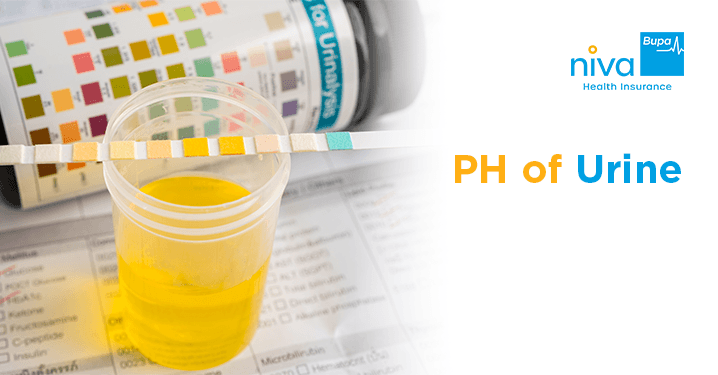
Your doctor mentions your urine pH level during a regular check-up, and you're a little nervous. Is it something serious? The truth is that minor fluctuations in urine pH are normal, but frequent changes can signal certain issues like urinary tract infections, kidney stones, or problems with how your body processes acid. In this blog, we’ll help you discuss the concept of urine pH. in detail.
Understanding Urine pH Test
A urine pH test measures the acidity and alkalinity levels in your urine. It ranges from 4.5 (very acidic) to 8.0 (alkaline), with 7 being neutral. Your body flushes out the urine to remove the excess acids or alkaline bases. It helps in maintaining the right internal balance of your body. The pH balance is important because small deviations may indicate an infection or illness.
Normal Urine pH Level
Urine contains water, salts and waste products from the kidneys. The balance of these elements can affect the urine’s acidity levels. The most common normal urine pH Range is 5.5-7.5. The simple rule is: The higher the number, the more basic your urine is. The lower the number, the more acidic your urine is.
Ideal Urine pH for Different Lifestyles
While the normal urine pH range is 5.5 to 7.5, the ideal level can vary slightly depending on your lifestyle, diet, and health conditions. Here’s how urine pH may be influenced in different scenarios:
Athletes: Intense workouts can temporarily make urine more acidic due to lactic acid and dehydration. Staying well-hydrated and balancing protein intake can help maintain a healthy urine pH.
Pregnant Women: Pregnancy may result in more alkaline urine, especially if taking prenatal vitamins or experiencing frequent urination. However, a consistently high urine pH could indicate a urinary tract infection or other health issues, so regular check-ups are important.
Vegetarians and Vegans: Plant-based diets, rich in fruits and vegetables, often lead to more alkaline urine, but if urine becomes overly alkaline, it can increase the risk of certain kidney stones.
What can Affect Your Urine pH?
Various factors can cause changes in your urine pH. Some of them are as follows:
Diet
Your food choices have a direct impact on your urine pH. Diets rich in meat, dairy, and grains make urine more acidic. On the other hand, eating more fruits and vegetables often makes urine more alkaline. A well-balanced diet can maintain your pH in a healthy range.
Hydration
Your hydration level influences the concentration or dilution of your Urine. Dehydration makes your urine more acidic due to the higher concentration of waste. You should drink enough water because it dilutes urine and promotes a pH that stays within the ideal range.
Medications
Certain medications can affect your urine pH. Some antibiotics, diuretics, and antacids may either lower or raise urine pH. It depends on their chemical composition. If you're taking long-term prescriptions, discuss their side effects on pH with your doctor.
Infections
Urinary tract infections caused by bacteria that produce ammonia can increase urine pH. A high pH may be one of the first signs of an infection. If untreated, it can lead to further complications, so timely diagnosis and treatment are important.
Kidney Function
Healthy kidneys regulate your body's acid-base balance effectively. If kidney function declines, it may cause more acidic urine. Alternatively, certain kidney conditions can also result in more alkaline urine. Monitoring pH effectively can help detect early signs of kidney issues.
Tips to Maintain a Normal Urine pH
Making small lifestyle changes keeps your urine pH balanced and your kidneys functioning properly.
Drink Plenty of Water
Drinking enough water each day helps flush out waste and toxins. This reduces acidity and supports a stable pH. Aim for 6–8 glasses daily in a hot climate. Hydration also protects kidney function in the long term.
Eat a Balanced Diet
A variety of fruits, vegetables, whole grains, and lean proteins helps in regulating your body’s acid-base levels. Acid-forming foods like red meat and refined sugar can lower urine pH, while alkaline foods like spinach and bananas help raise it. A good balance keeps your urine pH within the healthy range.
Reduce Salt and Processed Foods
Processed snacks and salty foods can disrupt your body’s acid balance. Excessive sodium also stresses the kidneys. Limiting these foods and choosing fresh, whole ingredients can improve both your urine pH and overall health.
Stay Active and Hydrated
Regular physical activity helps your body process and eliminate waste more efficiently, However, it’s important to stay hydrated before, during, and after exercise. Water keeps your system balanced and prevents urine from becoming too concentrated.
Monitor Your Health
Routine checkups and urine tests can help detect changes in your pH levels early. If you’re at risk for kidney issues or UTIs, staying ahead with monitoring ensures timely care. Talk to your doctor about your urine pH level in your health evaluations.
Why Health Insurance Matters?
Managing urinary and kidney health can involve ongoing tests, consultations, and even hospital visits. Having comprehensive health insurance means you can access timely care without financial stress. It ensures you don’t delay medical treatment when symptoms appear and prioritises your long-term well-being with peace of mind.
Final Thoughts
The pH level of your urine holds key insights into your overall health, especially your kidney function. Knowing what’s normal and recognising when something’s off gives you the power to take timely action. At Niva Bupa, we offer medical insurance plans that support regular diagnostic tests and expert consultations so you can monitor vital health indicators like urine pH and take timely action to stay healthy.
People Also Ask
1. What is the normal range for urine pH?
The normal urine pH typically ranges from 5.5 to 7.5, helping your body maintain a healthy acid-alkaline balance and support kidney function.
2. Can diet affect my urine pH level?
Yes, diets high in meat make urine more acidic, while plant-based diets raise alkalinity. Balanced eating helps maintain an ideal pH.
3. Why does urine pH matter in kidney health?
Urine pH helps detect early signs of kidney issues. Sudden changes can signal problems like kidney stones or infections.
4. How often should I check my urine pH?
Routine urine tests during health checkups are enough unless your doctor suggests more frequent monitoring based on medical history.
5. Does hydration impact urine pH levels?
Yes, staying hydrated dilutes acidic waste and supports a stable urine pH. Dehydration makes urine more acidic and concentrated.
Get right coverage, right premium and the right protection instantly.
 By clicking, I agree to Niva Bupa
 You may also like



Popular Searches
Health Insurance - Health Insurance | Best Family Health Insurance | Best Health Insurance For Senior Citizens In India | Health Insurance With Opd Cover | Mediclaim Insurance | Critical Illness Insurance | Personal Accident Insurance | Mediclaim Policy | Individual Health Insurance | Maternity Insurance | Best Health Insurance company | NRI Health Insurance
Health Insurance Schemes - PMMVY Login | PMJJBY Policy Status | Swasthya Sathi Card | PMSBY | PMJJBY | Ayushman Card | PMMVY 2.0 | Ayushman Vay Vandana Card | PMMVY NIC IN रजिस्ट्रेशन | PMMVY 2.0 लॉगिन
Travel Insurance Plans - Travel Insurance | International Travel Insurance | Student Travel Insurance | Travel Insurance USA | Travel Insurance Canada | Travel Insurance Thailand | Travel Insurance Germany | Travel Insurance Dubai | Travel Insurance Bali | Travel Insurance Australia | Travel Insurance Schengen | Travel Insurance Singapore | Travel Insurance UK | Travel Insurance Vietnam | Travel Insurance Japan | Travel Insurance Spain | Travel Insurance Asia | Travel Insurance Netherlands | Travel Insurance Turkey | Travel Insurance Ireland | Travel Insurance Phillipines | Travel Insurace Italy | Travel Insurance France | Travel Insurance China | Travel Insurance Georgia | Travel Insurance South Africa | Travel Insurance Maldives | Travel Insurance Portugal | Travel Insurance Malaysia | Travel Insurance Qatar | Travel Insurance Poland | Travel Insurance Greece | Travel Insurance New zealand | Travel Insurance Saudi Arabia | Travel Insurance Sri Lanka
Become an Agent - Insurance Agent | IRDA Certificate Download | IRDA Exam Syllabus | IRDA exam fee | Paise Kaise Kamaye | Ghar Baithe Paise Kaise Kamaye
Top Hospitals - Best Hospitals in Gurgaon
Others - Ayushman Bharat | Gst Refund for NRI on Health Insurance Premium
Health & Wellness - शिलाजीत के फायदे हिंदी | Weight Gain Diet in Hindi | Sat Isabgol Uses In Hindi | Aloe Vera Juice Benefits in Hindi | Dragon Fruit Benefits in Hindi | Akal Daad in Hindi | Acidity Home Remedies in Hindi | Nikat Drishti Dosh in Hindi | Yoga Benefits in Hindi | Laung Khane ke Fayde in Hindi | Leukoplakia in Hindi | Protien in 100g Paneer | Benefits of Rice Water For Skin | B12 Deficiency Symptoms in Hindi | Fibre Foods in Hindi | Chronic Disease Meaning in Hindi | Vitamin D Foods in Hindi | Blood Urea in Hindi | Beetroot Uses Good for Health
Calculator - BMI Calculator | Pregnancy Calculator | Pregnancy Calendar Based on Conception Date | Pregnancy Conception Date Calculator | Last Menstrual Period Calculator | BMR Calculator | GFR Calculator | Ovulation Calculator



www.nivabupa.com

+91 11 30902010

1860-500-8888

CIN: L66000DL2008PLC182918
IRDAI Registration No. 145

Corporate Office: 3rd Floor, Capital Cyberscape, Sector 59, Gurgaon
Registered Office: C-98, First Floor, Lajpat Nagar, Part 1, Delhi-110024, India


