

Traditional Thai Foods and Their Cultural Significance
30 October, 2025
69 Shares
492 Reads
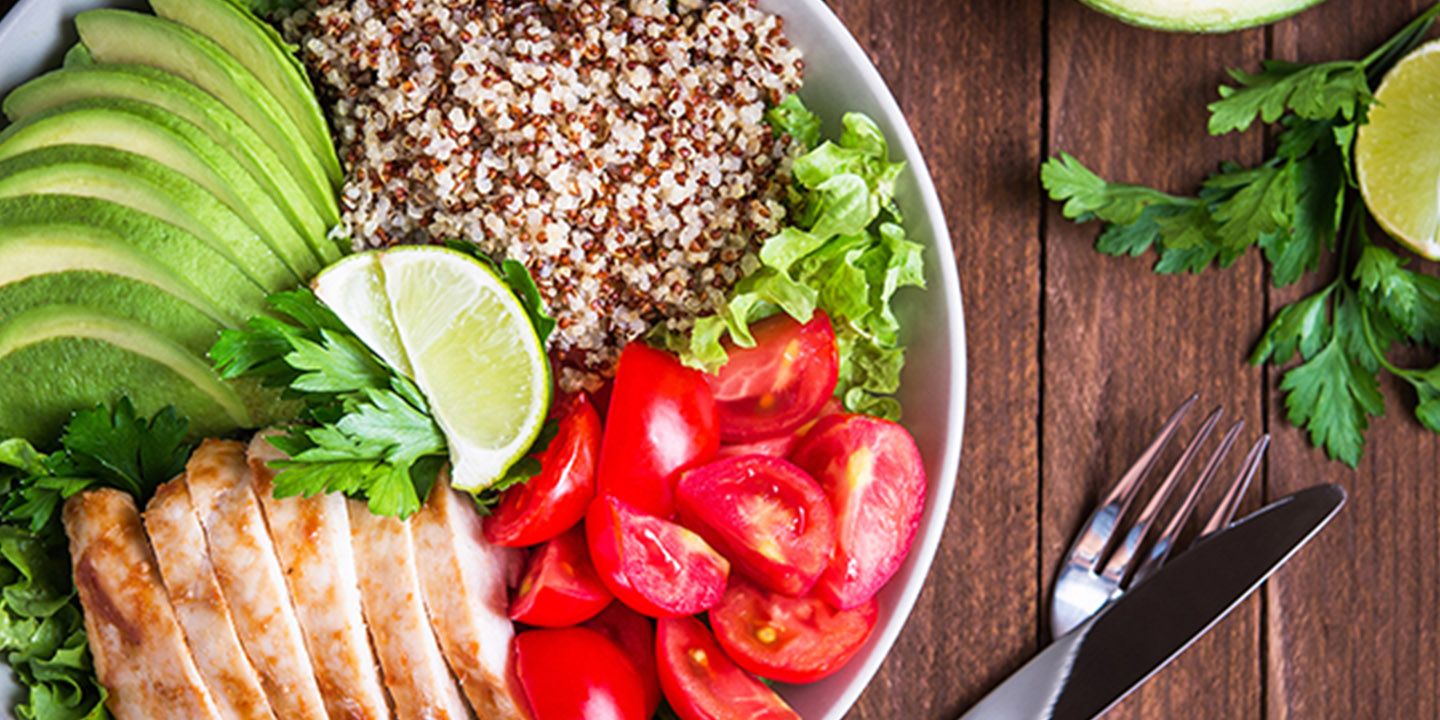
Food often serves as an invitation into a culture, its history, geography, traditions, and values. For many travellers and food enthusiasts, meals are not simply about hunger but about connection: connection to place, to people, to heritage. Among global cuisines, Thai foods are especially rich in this narrative. Every dish reflects centuries of trade, climate, religion, and local resources. In exploring traditional Thai cuisine, you not only satisfy the palate but also witness culture in motion.
This blog explains several signature Thai foods and their cultural significance in detail.
The Essence of Thai Cuisine
Thai cuisine is renowned for its balance of flavours and vibrant ingredients. This section delves into the core elements that make Thai foods unique and culturally significant.
A Symphony of Flavours: Thai foods are celebrated for their harmonious blend of sweet, sour, spicy, and salty tastes. This balance, often achieved in a single dish, reflects Thailand’s culinary philosophy of creating harmony in every bite. For example, a dish like Som Tum (green papaya salad) combines spicy chillies, tangy lime, sweet palm sugar, and savoury fish sauce, showcasing this intricate balance.
Fresh Ingredients at the Heart: Fresh herbs and spices like lemongrass, galangal, kaffir lime leaves, and Thai basil define Thai food. These ingredients are not just culinary staples but are deeply tied to Thailand’s agricultural traditions, where markets brim with fresh produce daily. The emphasis on freshness reflects the Thai value of living in harmony with nature.
Regional Diversity in Thai Cuisine: Thailand’s cuisine varies by region, each offering unique dishes shaped by local ingredients and traditions. Northern Thailand favours sticky rice and milder flavours, while the south is known for fiery curries. This diversity highlights the country’s cultural mosaic, with each region contributing to the rich heritage of Thai cuisines.
Iconic Thai Dishes and Their Cultural Roots
From street stalls to high-end Thai restaurants, certain dishes have become synonymous with Thai cuisine. Here, we explore some iconic Thai cuisines and their cultural significance.
Tom Yum: The Spicy Soul of Thailand
Tom Yum, a spicy and sour shrimp soup, is a staple in Thai restaurants worldwide. Its bold flavours, derived from lemongrass, chillies, and shrimp, embody Thailand’s love for vibrant, communal meals. Historically, Tom Yum was a medicinal dish, believed to boost immunity, reflecting Thailand’s holistic approach to food.
Pad Thai: A National Treasure
Pad Thai, Thailand’s famous stir-fried noodle dish, is a symbol of national pride. Created in the 1930s during a push for nationalism, it combines rice noodles, tamarind, peanuts, and shrimp or chicken. Served in Thai restaurants globally, Pad Thai represents Thailand’s ability to blend tradition with modernity.
Green Curry: A Royal Legacy
Green curry, or Gaeng Keow Wan, is a creamy, spicy dish made with green chillies, coconut milk, and herbs. Its origins trace back to Thailand’s royal courts, where complex curries were a sign of sophistication. Today, it’s a favourite in Thai restaurants, showcasing the country’s culinary artistry.
Sticky Rice and Mango: A Sweet Tradition
Mango sticky rice, or Khao Niew Mamuang, is a beloved dessert that pairs sweet mangoes with glutinous rice and coconut milk. Traditionally served during the mango harvest season, it symbolises abundance and is a staple at festivals, reflecting Thailand’s agricultural roots.
The Role of Food in Thai Culture
Food in Thailand is more than sustenance; it’s a way of life. This section explores how Thai cuisines are woven into the fabric of Thai culture, from family gatherings to religious ceremonies.
Food as a Social Bond: In Thailand, meals are a communal affair, with dishes served family-style to encourage sharing. This reflects the Thai value of togetherness, where food fosters connections. Whether at a Thai restaurant or a home, sharing plates of Thai cuisine strengthens community ties.
Food in Festivals and Rituals: Thai foods play a central role in festivals like Songkran (Thai New Year) and Loy Krathong. Offerings of rice and sweets are made to monks and spirits, symbolising gratitude and respect. These traditions highlight the spiritual significance of food in Thai culture.
Street Food: The Heartbeat of Thailand: Thailand’s street food culture is world-famous, with vendors serving everything from grilled skewers to spicy salads. These bustling markets are a testament to Thailand’s egalitarian spirit, where everyone, from locals to tourists, enjoys affordable, delicious Thai cuisine.
The Global Influence of Thai Cuisine
Thai cuisine has transcended borders, becoming a global favourite. Let’s explore how Thai cuisines have shaped culinary trends worldwide.
Thai Restaurants Around the World: Thai restaurants have popped up in cities from New York to London, introducing dishes like Pad Thai and Green Curry to global audiences. These establishments often adapt Thai foods to local tastes while preserving their essence, showcasing Thailand’s cultural influence.
Fusion Cuisine and Innovation: Thai flavours have inspired fusion dishes, like Thai-inspired pizzas or tacos. This adaptability highlights the versatility of Thai cuisines and their ability to blend with other culinary traditions, making them a favourite in global Thai restaurants.
Preserving Thai Culinary Traditions
As Thailand modernises, efforts are being made to preserve its culinary heritage. This section discusses how Thai foods are being safeguarded for future generations.
Culinary Schools and Training: Culinary schools in Thailand teach traditional recipes to aspiring chefs, ensuring that dishes like Massaman Curry are passed down. Many Thai restaurants in Thailand also train staff in authentic techniques, preserving cultural authenticity.
Sustainable Practices: Thai farmers and chefs are increasingly adopting sustainable practices, such as organic farming and reducing food waste. These efforts ensure that the ingredients central to Thai foods remain available for future generations.
Thailand: The Ultimate Destination for Thai Cuisine
There’s no better place to experience the vibrant flavours of Thai cuisine than Thailand itself. From the bustling street markets of Bangkok to the serene riverside Thai restaurants in Chiang Mai, the country offers an unparalleled culinary adventure. However, travelling to Thailand to savour these delicacies requires preparation, especially for unexpected situations like medical emergencies or trip disruptions. This is where travel insurance becomes essential. With travel insurance, you can explore Thailand’s culinary wonders with peace of mind, knowing you’re covered for unforeseen events, allowing you to focus on enjoying every spicy, tangy bite.
Wrapping Up
Thai foods are more than just meals; they are a reflection of Thailand’s history, culture, and values. From the fiery kick of Tom Yum to the sweet comfort of mango sticky rice, these dishes tell stories of community, tradition, and innovation. Whether enjoyed at a bustling street market or a refined Thai restaurant, Thai foods offer a sensory journey that connects people across the globe. By understanding their cultural significance, you can appreciate the depth and beauty of Thailand’s culinary heritage.
Ensure your journey is worry-free with Niva Bupa travel insurance. We offer comprehensive coverage that includes medical emergencies, trip cancellations, baggage protection, and more. Our insurance plan ensures that you are protected while you savour the flavours of Thailand.
People Also Ask
What makes Thai food unique?
Thai foods are unique for their balance of sweet, sour, spicy, and salty flavours, often achieved in a single dish. Fresh herbs and regional diversity further distinguish Thai cuisine.
Why is Pad Thai so popular?
Pad Thai is popular due to its versatile flavours and historical significance as a national dish. It’s a staple in Thai restaurants worldwide, loved for its tangy-sweet profile.
How does Thai food reflect its culture?
Thai foods reflect Thai culture through communal dining, festival offerings, and the use of fresh, local ingredients, emphasising community and harmony with nature.
What is the spiciest Thai dish?
Som Tum (green papaya salad) is often considered one of the spiciest Thai foods, especially in Isaan-style preparations with abundant chillies.
Are Thai foods healthy?
Yes, Thai foods often incorporate fresh herbs and vegetables with medicinal properties, promoting wellness through balanced flavours and moderate portions.
Where can I try authentic Thai food?
For the most authentic experience, visit Thailand’s street markets or local Thai restaurants. Outside Thailand, seek out restaurants that prioritise traditional recipes.
Stay protected against medical emergencies, trip delays, and lost baggage worldwide.
 By clicking, I agree to Niva Bupa
 You may also like



Popular Searches
Health Insurance - Health Insurance | Best Family Health Insurance | Best Health Insurance For Senior Citizens In India | Health Insurance With Opd Cover | Mediclaim Insurance | Critical Illness Insurance | Personal Accident Insurance | Mediclaim Policy | Individual Health Insurance | Maternity Insurance | Best Health Insurance company | NRI Health Insurance
Health Insurance Schemes - PMMVY Login | PMJJBY Policy Status | Swasthya Sathi Card | PMSBY | ABHA Card Download | PMJJBY | Ayushman Card | PMMVY 2.0 | Ayushman Vay Vandana Card | PMMVY NIC IN रजिस्ट्रेशन | PMMVY 2.0 लॉगिन
Travel Insurance Plans - Travel Insurance | International Travel Insurance | Student Travel Insurance | Travel Insurance USA | Travel Insurance Canada | Travel Insurance Thailand | Travel Insurance Germany | Travel Insurance Dubai | Travel Insurance Bali | Travel Insurance Australia | Travel Insurance Schengen | Travel Insurance Singapore | Travel Insurance UK | Travel Insurance Vietnam | Travel Insurance Japan | Travel Insurance Spain | Travel Insurance Asia | Travel Insurance Netherlands | Travel Insurance Turkey | Travel Insurance Ireland | Travel Insurance Phillipines | Travel Insurace Italy | Travel Insurance France | Travel Insurance China | Travel Insurance Georgia | Travel Insurance South Africa | Travel Insurance Maldives | Travel Insurance Portugal | Travel Insurance Malaysia | Travel Insurance Qatar | Travel Insurance Poland | Travel Insurance Greece | Travel Insurance New zealand | Travel Insurance Saudi Arabia | Travel Insurance Sri Lanka
Become an Agent - Insurance Agent | Insurance Advisor | Licensed Insurance Agent | Health Insurance Consultant | POSP Insurance Agent | IRDA Certificate Download | IC 38 Exam | Insurance Agent vs POSP | IRDA Exam Syllabus | IRDAI Agent Locator | IRDA exam fee | Paise Kaise Kamaye | Ghar Baithe Paise Kaise Kamaye
Top Hospitals - Best Hospitals in Chennai | Top Hospitals in Delhi | Best Hospitals in Gurgaon | Best Hospitals in India | Top 10 Hospitals in India | Best Hospitals in Hyderabad | Best Hospitals in Kolkata | Best cancer hospitals in Bangalore | Best cancer hospitals in Hyderabad | Best cancer hospitals in Mumbai | Best cancer hospitals in India | Top 10 cancer hospitals in India
Others - Ayushman Bharat | Gst Refund for NRI on Health Insurance Premium | Health Insurance Tax Deductible
Health & Wellness - शिलाजीत के फायदे हिंदी | Weight Gain Diet in Hindi | Sat Isabgol Uses In Hindi | Aloe Vera Juice Benefits in Hindi | Dragon Fruit Benefits in Hindi | Akal Daad in Hindi | Acidity Home Remedies in Hindi | Nikat Drishti Dosh in Hindi | Yoga Benefits in Hindi | Laung Khane ke Fayde in Hindi | Leukoplakia in Hindi | Protien in 100g Paneer | Benefits of Rice Water For Skin | B12 Deficiency Symptoms in Hindi | Fibre Foods in Hindi | Chronic Disease Meaning in Hindi | Vitamin D Foods in Hindi | Blood Urea in Hindi | Beetroot Uses Good for Health
Calculator - BMI Calculator | Pregnancy Calculator | Pregnancy Calendar Based on Conception Date | Pregnancy Conception Date Calculator | Last Menstrual Period Calculator | BMR Calculator | GFR Calculator | Ovulation Calculator



www.nivabupa.com

+91 11 30902010

1860-500-8888

CIN: L66000DL2008PLC182918
IRDAI Registration No. 145

Corporate Office: 3rd Floor, Capital Cyberscape, Sector 59, Gurgaon
Registered Office: C-98, First Floor, Lajpat Nagar, Part 1, Delhi-110024, India


