

Which Country Has the Least Population Density in the World?
12 March, 2026
7 Shares
310 Reads
Share
Some places in the world feel like there are people everywhere, busy roads, busy markets, and cities that never really slow down. But then there are countries where the experience is completely different. Instead of busy roads and bustling markets, you’ll find wide open spaces, small towns separated by miles of land, and stretches of silence that feel almost endless.
This difference comes down to population density, the number of people living within a certain area. While countries like India or Bangladesh are known for being densely packed, others sit at the opposite extreme. These least densely populated countries have enormous land areas but surprisingly few residents, creating a lifestyle that feels worlds apart from the hustle of crowded nations.
The Concept of Population Density
Population density is just a way of showing how people are spread out across a country. It’s worked out by dividing the number of people by the size of the land. The answer tells us how many people live in each square kilometre. In countries with high density, millions of people share relatively small areas. In countries with low density, there’s plenty of land but only a small number of people living on it.
This difference affects everyday life in many ways. In places with low density, towns can be far apart, and reaching services like transport or healthcare often means travelling long distances. At the same time, these regions usually offer wide open landscapes, natural beauty, and ecosystems that stay largely untouched.
The Country With the Lowest Population Density
Among all independent nations, Mongolia is often seen as the country with the lowest population density. It has just over three million people spread across more than 1.5 million square kilometres of land.
That works out to only about two people per square kilometre, making Mongolia one of the most sparsely populated places on Earth. Much of the country is made up of grasslands, deserts, and mountains, which support a traditional nomadic way of life rather than crowded cities. While the capital, Ulaanbaatar, is home to a large share of the population, most of the land outside the city remains quiet and thinly settled.
Why Some Countries Have Very Low Population Density
Several factors influence why certain nations have fewer people living across large areas of land.
Harsh Climate
Extreme weather often makes daily life difficult. Very cold winters, deserts, or high mountain regions are tough places to settle. In Mongolia, winters can be brutally cold, especially in the steppes and mountains, while the Gobi Desert is extremely dry. These conditions limit farming and city growth.
Geographic Isolation
Some countries are cut off by mountains, deserts, or vast plains. This makes transport, trade, and communication harder. As a result, people often gather in a few main cities, leaving the rest of the land sparsely populated.
Limited Farmland
Fertile land is important for farming, which has always supported population growth. Countries with mostly rocky or dry land struggle to build large farming communities, so their populations stay small compared to their size.
Economic Opportunities
People tend to live where jobs are available. Countries with strong industries or busy trade hubs attract more people. In contrast, nations that rely mainly on mining, natural resources, or traditional ways of living often remain thinly populated.
Other Countries With Extremely Low Population Density
Mongolia may be the best-known example, but there are several other nations where people are spread out across huge areas of land.
Namibia
In southern Africa, Namibia is famous for its wide open landscapes and deserts like the Namib and the Kalahari. These dry regions make farming and permanent settlements difficult, which is why the country has one of the lowest population densities in the world.
Australia
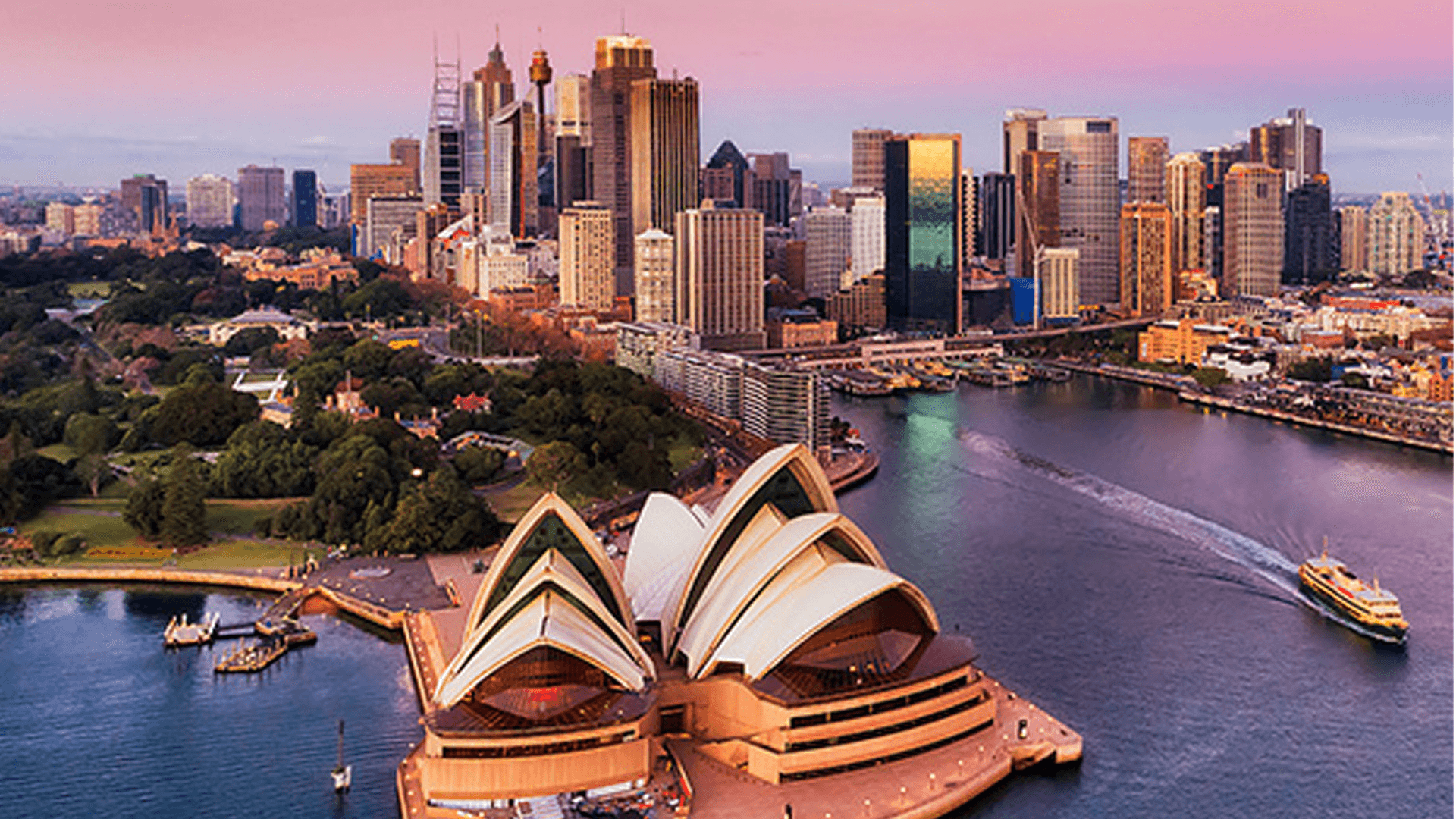
Australia is massive in size, but most of its people live in coastal cities. The interior, known as the Outback, is extremely empty, with very few residents. Even though Australia has large modern cities, the overall population density is still low compared to many other developed countries.
Iceland
Iceland’s rugged geography also shapes where people live. With glaciers, volcanoes, and rocky terrain, much of the island is hard to settle. Most of the population is concentrated around the capital, while large parts of the country remain almost untouched.
Canada
Canada is vast but lightly populated. Harsh northern winters and rugged terrain discourage settlement, so most people live near the southern U.S. border. Despite modern cities, the northern regions remain empty, keeping Canada’s overall population density very low.
Botswana
Botswana, in southern Africa, also has very few people spread across its land. A large part of the country is covered by the Kalahari Desert, which makes farming and large settlements difficult. Even though Botswana has grown economically through diamond mining and tourism, most of its land is still sparsely inhabited.
Libya
Libya covers a vast area dominated by desert, making much of the land unsuitable for settlement. Most of its population is concentrated along the Mediterranean coast, while the interior remains largely empty, resulting in very low overall density.
How Low Population Density Shapes Daily Life
Living in a place with very few people spread across a huge area feels very different from life in crowded nations. The distance between communities affects how people travel, access services, and build their social lives.
Getting Around
In countries with low population density, travelling from one town to another often means long journeys across open land. Public transport is usually limited because there aren’t enough people to support large networks.
Healthcare Access
Hospitals and specialised medical centres are mostly found in big cities. People in remote areas often have to travel far to get advanced care. To help, some countries use mobile clinics, telemedicine, and smaller regional health centres.
Education and Community
Schools and universities are usually concentrated in larger towns and cities. Smaller communities may have fewer options, which often encourages young people to move to urban areas for study or work. At the same time, smaller populations can create close-knit communities where traditions are strong, and people know each other well.
Environmental Advantages of Low Population Density
Countries with fewer people spread across large areas often keep more of their natural landscapes and wildlife intact. With less pressure on the land, ecosystems can stay healthier, and habitats remain undisturbed.
Conservation Opportunities
Wide open spaces make it easier to create national parks and wildlife reserves. When human development is limited, rare species have a better chance to survive, and ecosystems stay balanced.
Less Urban Stress
Busy cities often struggle with pollution, overcrowding, and heavy demand on infrastructure. Sparsely populated regions usually face fewer of these problems. Cleaner air, less traffic, and easier access to nature can all improve the quality of life.
Read More : What Are the Least Visited Countries in the World
Conclusion
Travelling to some of the least densely populated countries in the world can be an unforgettable experience, but it also requires thoughtful preparation. Remote destinations often mean long travel distances, limited facilities, and fewer immediate services compared to busy urban centres. Because of this, travellers should plan their itinerary carefully, stay informed about local conditions, and make sure they are fully prepared before starting the journey.
If you are also planning a trip to explore such unique parts of the world, it is important to ensure you are fully prepared and protected throughout your travels. Having reliable coverage in place can help you handle unexpected medical needs or travel disruptions more confidently. With Niva Bupa Travel Insurance, travellers can focus on enjoying their journey while knowing they have dependable support when it matters most.
Frequently Asked Questions
Q1. Which country currently has the lowest population density in the world?
Greenland has the lowest population density globally, with only a small number of residents spread across a very large land area. However, since Greenland is an autonomous territory of Denmark rather than an independent nation, it is often considered the least densely populated sovereign country.
Q2. What does population density actually mean?
Population density refers to the number of people living in a specific land area, usually measured per square kilometre. It helps explain how crowded or sparsely populated a country or region is.
Q3. Why are some countries sparsely populated?
Several factors contribute to low population density, including extreme climates, deserts, mountainous landscapes, and limited access to resources. These conditions can make large-scale settlements and agriculture more difficult.
Q4. Which continents have the least densely populated countries?
Countries with very low population density can be found across multiple continents, including Asia, Africa, and Oceania. Geographic conditions and environmental factors play a major role in shaping population distribution in these regions.
Q5. Is a low population density always linked to a large land area?
Not necessarily. While many sparsely populated countries have large territories, low population density occurs when the population size is small compared to the available land area. It can also be found in smaller nations where harsh environments or limited resources prevent large populations from settling.
Q6. How does low population density affect infrastructure and services?
In countries with very low population density, infrastructure such as roads, hospitals, and schools may be located far apart. Residents in remote regions sometimes travel longer distances to access essential services.
Q7. Can population density change over time?
Yes, population density can change due to migration, economic development, urbanisation, and population growth. As people move toward cities or new industries develop, the distribution of people across a country may gradually shift.
Stay protected against medical emergencies, trip delays, and lost baggage worldwide.
 By clicking, I agree to Niva Bupa
Popular Searches
Health Insurance - Health Insurance | Best Family Health Insurance | Best Health Insurance For Senior Citizens In India | Health Insurance With Opd Cover | Mediclaim Insurance | Critical Illness Insurance | Personal Accident Insurance | Mediclaim Policy | Individual Health Insurance | Maternity Insurance | Best Health Insurance company | NRI Health Insurance
Health Insurance Schemes - PMMVY Login | PMJJBY Policy Status | Swasthya Sathi Card | PMSBY | ABHA Card Download | PMJJBY | Ayushman Card | PMMVY 2.0 | Ayushman Vay Vandana Card | PMMVY NIC IN रजिस्ट्रेशन | PMMVY 2.0 लॉगिन
Travel Insurance Plans - Travel Insurance | International Travel Insurance | Student Travel Insurance | Travel Insurance USA | Travel Insurance Canada | Travel Insurance Thailand | Travel Insurance Germany | Travel Insurance Dubai | Travel Insurance Bali | Travel Insurance Australia | Travel Insurance Schengen | Travel Insurance Singapore | Travel Insurance UK | Travel Insurance Vietnam | Travel Insurance Japan | Travel Insurance Spain | Travel Insurance Asia | Travel Insurance Netherlands | Travel Insurance Turkey | Travel Insurance Ireland | Travel Insurance Phillipines | Travel Insurace Italy | Travel Insurance France | Travel Insurance China | Travel Insurance Georgia | Travel Insurance South Africa | Travel Insurance Maldives | Travel Insurance Portugal | Travel Insurance Malaysia | Travel Insurance Qatar | Travel Insurance Poland | Travel Insurance Greece | Travel Insurance New zealand | Travel Insurance Saudi Arabia | Travel Insurance Sri Lanka
Become an Agent - Insurance Agent | Insurance Advisor | Licensed Insurance Agent | Health Insurance Consultant | POSP Insurance Agent | IRDA Certificate Download | IC 38 Exam | Insurance Agent vs POSP | IRDA Exam Syllabus | IRDAI Agent Locator | IRDA exam fee | Paise Kaise Kamaye | Ghar Baithe Paise Kaise Kamaye
Top Hospitals - Best Hospitals in Chennai | Top Hospitals in Delhi | Best Hospitals in Gurgaon | Best Hospitals in India | Top 10 Hospitals in India | Best Hospitals in Hyderabad | Best Hospitals in Kolkata | Best cancer hospitals in Bangalore | Best cancer hospitals in Hyderabad | Best cancer hospitals in Mumbai | Best cancer hospitals in India | Top 10 cancer hospitals in India
Others - Ayushman Bharat | Gst Refund for NRI on Health Insurance Premium | Health Insurance Tax Deductible
Health & Wellness - शिलाजीत के फायदे हिंदी | Weight Gain Diet in Hindi | Sat Isabgol Uses In Hindi | Aloe Vera Juice Benefits in Hindi | Dragon Fruit Benefits in Hindi | Akal Daad in Hindi | Acidity Home Remedies in Hindi | Nikat Drishti Dosh in Hindi | Yoga Benefits in Hindi | Laung Khane ke Fayde in Hindi | Leukoplakia in Hindi | Protien in 100g Paneer | Benefits of Rice Water For Skin | B12 Deficiency Symptoms in Hindi | Fibre Foods in Hindi | Chronic Disease Meaning in Hindi | Vitamin D Foods in Hindi | Blood Urea in Hindi | Beetroot Uses Good for Health
Calculator - BMI Calculator | Pregnancy Calculator | Pregnancy Calendar Based on Conception Date | Pregnancy Conception Date Calculator | Last Menstrual Period Calculator | BMR Calculator | GFR Calculator | Ovulation Calculator



www.nivabupa.com

+91 11 30902010

1860-500-8888

CIN: L66000DL2008PLC182918
IRDAI Registration No. 145

Corporate Office: 3rd Floor, Capital Cyberscape, Sector 59, Gurgaon
Registered Office: C-98, First Floor, Lajpat Nagar, Part 1, Delhi-110024, India


