

Which Country Has the Most Gold in the World? Top Reserves Explained
28 January, 2026
7 Shares
920 Reads
Share
When we look at the foundations of global finance, one shimmering asset continues to stand the test of time. Long before digital ledgers and paper currencies became the norm, gold was the ultimate arbiter of value. Even today, in a world dominated by rapid technological change, the pursuit of this yellow metal remains a top priority for central banks. But which country has the most gold? This is not just a question of vanity; it is a vital indicator of economic resilience and national sovereignty.
Gold reserves act as a financial safety net. They provide a buffer against currency fluctuations and serve as a reliable store of value during times of geopolitical tension. For nations, holding substantial quantities of bullion is a way to ensure that their currency maintains a level of international trust. While individual investors might buy gold for personal security, governments accumulate it on a massive scale to anchor their entire monetary systems.
The Global Leader: The United States
The answer to which country has the most gold reserves begins and ends with the United States. With a staggering holding of approximately 8,133 tonnes, the U.S. maintains a lead that is essentially double that of its nearest competitor. Most of this vast wealth is famously housed in secure facilities like the United States Bullion Depository, better known as Fort Knox, and the Federal Reserve Bank of New York.
The reason for such a massive stockpile is rooted in history. During the mid-20th century, under the Bretton Woods system, the U.S. dollar was directly convertible to gold. Although this system was eventually abandoned, the U.S. chose to retain its reserves rather than liquidate them. Today, these holdings represent over 70% of the country’s total foreign reserves, providing the dollar with a psychological backing that few other currencies can claim.
Europe’s Golden Trio: Germany, Italy, and France
Following the United States, we see a heavy concentration of gold in Europe. Germany holds the second-largest reserve in the world, with roughly 3,350 tonnes. For Germany, gold is a symbol of stability, especially given the country’s historical experiences with hyperinflation. In recent years, the Deutsche Bundesbank has even repatriated hundreds of tonnes of gold from foreign vaults in New York and Paris back to Frankfurt to ensure better control over its national assets.
Italy and France follow closely behind, with reserves of 2,452 tonnes and 2,437 tonnes, respectively. Interestingly, these European nations have maintained their gold levels quite steadily over the decades. They view gold as an "ultimate anti-cyclical instrument." During the Eurozone crises, these substantial reserves helped bolster market confidence in their ability to manage sovereign debt.
The Strategic Accumulators: Russia and China
In the last decade, the landscape of which country has the most gold reserves has shifted due to aggressive buying from Russia and China. Russia now holds over 2,330 tonnes, having increased its stockpile significantly to diversify away from Western-led financial systems. Being one of the world's top gold producers allows the Russian central bank to purchase locally mined gold using its own currency, which is a significant strategic advantage.
China’s journey is equally fascinating. Officially, China reports around 2,298 tonnes of gold. However, many analysts suspect the true figure could be much higher, as China is the world's largest gold producer and often does not disclose all its official acquisitions immediately. For China, gold is a key component in the long-term goal of internationalising the Yuan and reducing reliance on the U.S. dollar.
Switzerland: The Global Hub
Switzerland holds approximately 1,040 tonnes of gold. While this places them lower on the volume list, their influence on the global gold market is unparalleled. Switzerland is a primary hub for gold refining and trading. Much of the gold found in the vaults of other nations likely passed through Swiss refineries at some point. The Swiss approach to gold is deeply ingrained in their reputation for financial neutrality and security.
India and Japan: Stability in the East
Japan maintains a consistent reserve of about 846 tonnes. As a major player in global trade, Japan uses gold as a hedge against the volatility of its massive foreign exchange holdings.
India, on the other hand, has been steadily climbing the ranks. The Reserve Bank of India currently holds roughly 880 tonnes. Gold has a unique cultural status in India, often seen as a traditional form of savings for households. On a national level, the government has been increasing its official reserves to provide a cushion against global economic shocks and to support the Rupee's value in international markets.
Why Gold Matters for Modern Travellers?
While we often discuss gold in the context of central bank vaults and billion-dollar trades, the metal's value is felt by individuals as well. For those who appreciate the finer things, travelling with high-value items like gold jewellery, luxury watches, or heirloom coins is common. However, carrying such wealth across borders introduces risks that go beyond market fluctuations.
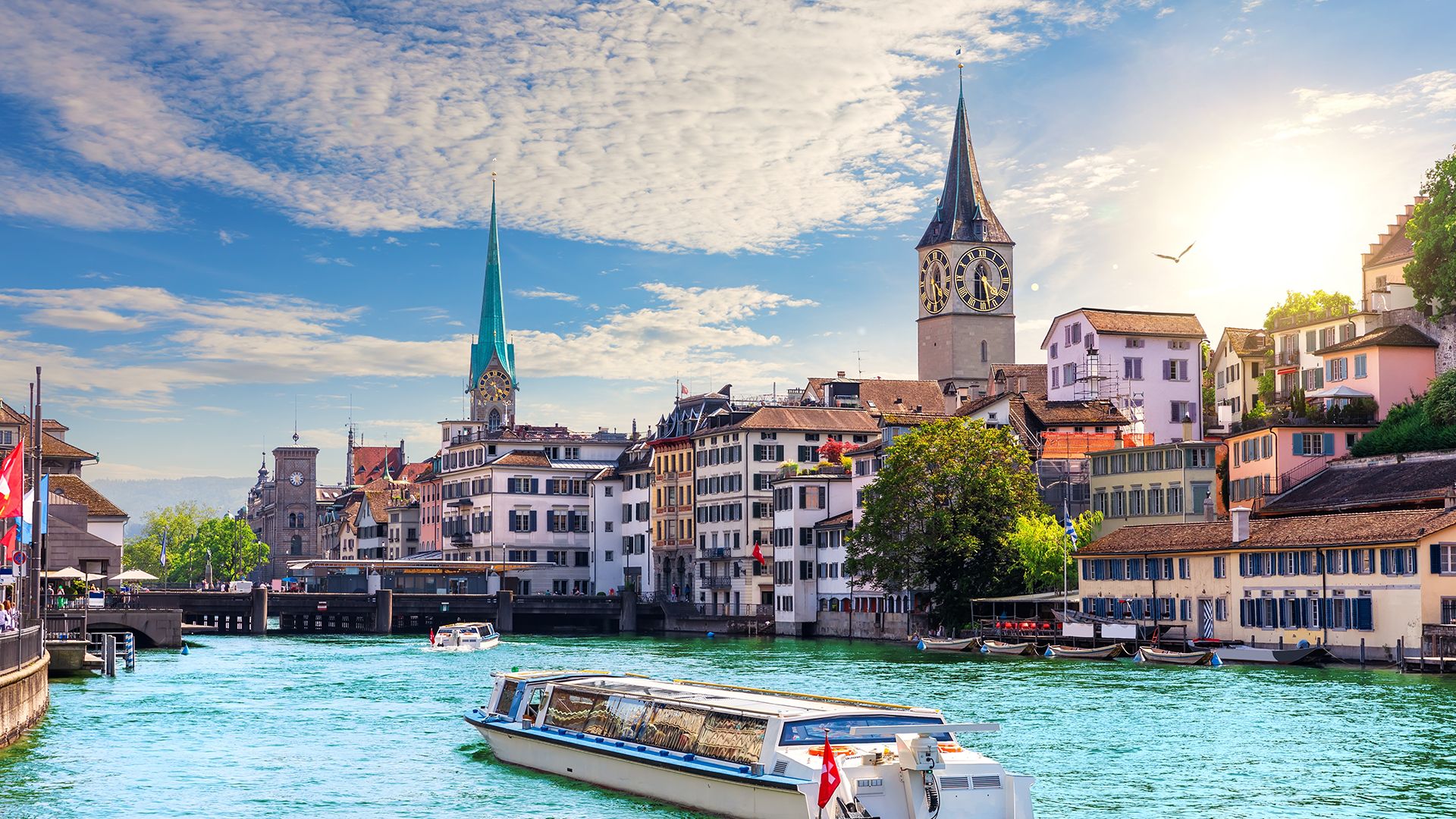
When you are planning a journey to see the world's great financial capitals—perhaps to visit the gold souks of Dubai or the historic banking districts of Zurich—protecting your personal assets is paramount. This is where the intersection of finance and travel becomes personal.
Just as a central bank uses gold to insure its economy against disaster, a savvy traveller uses travel insurance to protect their individual wealth. A comprehensive policy does more than just cover medical emergencies; it can provide coverage for the loss or theft of valuable personal effects. If you are carrying significant assets, ensuring your travel insurance specifically accounts for high-value items is a non-negotiable step in your trip preparation. It allows you to appreciate the historical and cultural wealth of your destination with the same peace of mind that a well-stocked national reserve provides to a country.
The Economic Impact of Gold Reserves
The presence of gold in a country's treasury affects more than just its credit rating. It influences the "Real Effective Exchange Rate" and the nation's ability to engage in international trade. When a country's currency experiences a period of weakness, its gold reserves can be used as collateral for international loans or swapped for liquid foreign currencies to stabilise the economy.
Furthermore, gold reserves help manage inflation. Unlike fiat currency, which can be printed in unlimited quantities, the global supply of gold is limited by the physical difficulty of mining it. This scarcity ensures that gold maintains its purchasing power over centuries. For a country like Turkey, which has faced significant currency devaluation recently, increasing gold reserves has been a deliberate strategy to provide a more stable foundation for its monetary policy.
The Future of Sovereign Gold
As we move further into 2026, the question of which country has the most gold remains as relevant as ever. We are seeing a trend where emerging economies are increasingly moving away from a dollar-centric reserve system. Countries in the "Global South" are looking to gold as a neutral asset that cannot be "frozen" by foreign governments or affected by another nation's domestic policy.
We also see the rise of digital gold and gold-backed stablecoins, but for central banks, there is no substitute for the physical bars held in deep, high-security vaults. The tangibility of gold is its greatest strength. In an era of cyber warfare and digital uncertainty, having a physical asset that does not rely on a power grid or an internet connection is the ultimate form of security.
Read More : Best Countries to Buy Gold
Conclusion
The hierarchy of global gold reserves is a map of historical power and future ambition. From the massive legacy holdings of the United States and Europe to the strategic, growing stockpiles in Russia, China, and India, gold continues to be the bedrock of financial confidence.
Understanding which country has the most gold reserves provides a window into the global economic strategy. Whether you are a finance professional tracking the moves of the Federal Reserve or a traveller carrying a piece of family history across the globe, the value of gold is a universal language. Just as nations protect their reserves with high-security vaults and strategic policies, individuals should protect their personal treasures with robust safeguards like travel insurance. In both cases, the goal is the same: ensuring that wealth, once acquired, is preserved for the future.
Frequently Asked Questions
1. Which country has the most gold in the world currently?
The United States holds the largest volume of gold reserves globally, with approximately 8,133 tonnes. This amount is significantly higher than any other nation and has remained relatively stable for decades.
2. Does the UK have a significant amount of gold?
The United Kingdom holds about 310 tonnes of gold. While this is lower than some of its European neighbours, it remains a strategic part of the UK's foreign currency reserves managed by the Bank of England.
3. Why does the U.S. hold so much gold if the gold standard ended?
Even though the U.S. dollar is no longer convertible to gold, the reserves serve as a strategic asset. They underpin global confidence in the dollar and provide the U.S. with unmatched financial flexibility during global crises.
4. How often do countries report their gold reserve figures?
Most developed nations report their holdings monthly or quarterly via the International Monetary Fund (IMF). However, some countries like China may report their figures less frequently or in large batches.
5. Can a country's gold reserves be stored in another country?
Yes, many countries store a portion of their gold in major financial hubs like London or New York for easier trading and liquidity. However, there has been a recent trend of countries "repatriating" their gold to their own soil.
6. Which country has the most gold reserves in Asia?
China currently holds the largest official gold reserves in Asia, followed by Japan and India. All three nations have been active in the gold market recently to diversify their portfolios.
7. Does travel insurance cover gold jewellery?
Most standard travel insurance policies provide limited coverage for valuables. If you are carrying expensive gold items, it is essential to check the "single item limit" or purchase an "all-risk" rider to ensure full coverage.
8. Is the gold in Fort Knox real?
Yes, the gold stored at the United States Bullion Depository at Fort Knox is real and is subject to regular audits by the Treasury Department to ensure its presence and purity.
9. Why is Russia buying so much gold?
Russia has been increasing its gold reserves to reduce its dependence on the U.S. dollar and to protect its economy from the impact of international sanctions, as gold is a physical asset that cannot be digitally blocked.
10. Does the IMF hold gold?
Yes, the International Monetary Fund is one of the world's largest holders of gold, possessing approximately 2,814 tonnes. This gold is used to provide financial stability to the global monetary system.
11. Which country is the largest producer of gold?
China is currently the world's leading producer of gold, followed by Australia and Russia. Being a top producer often allows a country to increase its reserves more easily.
12. How does the price of gold affect a country's currency?
Generally, for countries that are net exporters of gold, a rise in gold prices can strengthen their currency. For major importers, rising gold prices can sometimes lead to a trade deficit and currency pressure.
13. Is gold still relevant in the age of Cryptocurrency?
While some call Bitcoin "digital gold," central banks do not yet hold crypto as a reserve asset. Physical gold remains the preferred "safe haven" due to its thousands of years of proven value and lack of counterparty risk.
14. What happens to a country's gold during a war?
Gold is often considered the "ultimate asset" during a war because it can be used to purchase essential supplies or pay debts when paper currency is not accepted. This is why nations keep their gold in highly fortified locations.
15. Can I see the gold reserves of a country?
Public access to national gold vaults is extremely restricted for security reasons. However, some central banks occasionally offer virtual tours or public displays of a small number of gold bars in their museums.
Stay protected against medical emergencies, trip delays, and lost baggage worldwide.
 By clicking, I agree to Niva Bupa
Popular Searches
Health Insurance - Health Insurance | Best Family Health Insurance | Best Health Insurance For Senior Citizens In India | Health Insurance With Opd Cover | Mediclaim Insurance | Critical Illness Insurance | Personal Accident Insurance | Mediclaim Policy | Individual Health Insurance | Maternity Insurance | Best Health Insurance company | NRI Health Insurance
Health Insurance Schemes - PMMVY Login | PMJJBY Policy Status | Swasthya Sathi Card | PMSBY | ABHA Card Download | PMJJBY | Ayushman Card | PMMVY 2.0 | Ayushman Vay Vandana Card | PMMVY NIC IN रजिस्ट्रेशन | PMMVY 2.0 लॉगिन
Travel Insurance Plans - Travel Insurance | International Travel Insurance | Student Travel Insurance | Travel Insurance USA | Travel Insurance Canada | Travel Insurance Thailand | Travel Insurance Germany | Travel Insurance Dubai | Travel Insurance Bali | Travel Insurance Australia | Travel Insurance Schengen | Travel Insurance Singapore | Travel Insurance UK | Travel Insurance Vietnam | Travel Insurance Japan | Travel Insurance Spain | Travel Insurance Asia | Travel Insurance Netherlands | Travel Insurance Turkey | Travel Insurance Ireland | Travel Insurance Phillipines | Travel Insurace Italy | Travel Insurance France | Travel Insurance China | Travel Insurance Georgia | Travel Insurance South Africa | Travel Insurance Maldives | Travel Insurance Portugal | Travel Insurance Malaysia | Travel Insurance Qatar | Travel Insurance Poland | Travel Insurance Greece | Travel Insurance New zealand | Travel Insurance Saudi Arabia | Travel Insurance Sri Lanka
Become an Agent - Insurance Agent | Insurance Advisor | Licensed Insurance Agent | Health Insurance Consultant | POSP Insurance Agent | IRDA Certificate Download | IC 38 Exam | Insurance Agent vs POSP | IRDA Exam Syllabus | IRDAI Agent Locator | IRDA exam fee | Paise Kaise Kamaye | Ghar Baithe Paise Kaise Kamaye
Top Hospitals - Best Hospitals in Chennai | Top Hospitals in Delhi | Best Hospitals in Gurgaon | Best Hospitals in India | Top 10 Hospitals in India | Best Hospitals in Hyderabad | Best Hospitals in Kolkata | Best cancer hospitals in Bangalore | Best cancer hospitals in Hyderabad | Best cancer hospitals in Mumbai | Best cancer hospitals in India | Top 10 cancer hospitals in India
Others - Ayushman Bharat | Gst Refund for NRI on Health Insurance Premium | Health Insurance Tax Deductible
Health & Wellness - शिलाजीत के फायदे हिंदी | Weight Gain Diet in Hindi | Sat Isabgol Uses In Hindi | Aloe Vera Juice Benefits in Hindi | Dragon Fruit Benefits in Hindi | Akal Daad in Hindi | Acidity Home Remedies in Hindi | Nikat Drishti Dosh in Hindi | Yoga Benefits in Hindi | Laung Khane ke Fayde in Hindi | Leukoplakia in Hindi | Protien in 100g Paneer | Benefits of Rice Water For Skin | B12 Deficiency Symptoms in Hindi | Fibre Foods in Hindi | Chronic Disease Meaning in Hindi | Vitamin D Foods in Hindi | Blood Urea in Hindi | Beetroot Uses Good for Health
Calculator - BMI Calculator | Pregnancy Calculator | Pregnancy Calendar Based on Conception Date | Pregnancy Conception Date Calculator | Last Menstrual Period Calculator | BMR Calculator | GFR Calculator | Ovulation Calculator



www.nivabupa.com

+91 11 30902010

1860-500-8888

CIN: L66000DL2008PLC182918
IRDAI Registration No. 145

Corporate Office: 3rd Floor, Capital Cyberscape, Sector 59, Gurgaon
Registered Office: C-98, First Floor, Lajpat Nagar, Part 1, Delhi-110024, India


