

Which Country Is Known as the Land of the Rising Sun? Explained
21 April, 2026
7 Shares
187 Reads
Share
There is something subtly beautiful about a country that goes by the name “Land of the Rising Sun”. This is not just a mere poetic phrase but the truth woven into history, geography, and local tales. The reason it’s so called is multidimensional and not just limited to its position on the map.
Japan sits right at the eastern edge of Asia, gazing out over the Pacific Ocean. From China or anywhere across the continent, the sun seems to rise from Japan’s direction every dawn. For more than 14 centuries, this observation grew into something bigger, something rooted in Japan’s flag, language, traditions and spirit. If you ever wondered which country is known as the land of the rising sun and why, then this blog is for you.
Why Is Japan Known as the Land of the Rising Sun?
The easiest way to explain this is by looking at a map. Japan sits right at the eastern edge of Asia, near the coast of China, Korea and Russia. Every morning, the sun rises in the east, so people living on the continent long ago would see it rising from the direction of Japan. This image of the sun rising over Japan stuck with people over time. The name is not just about where the sun comes up. It is also about how Japan wants to be seen and what Japan tells the world about itself.
The Meaning Behind Nihon and Nippon
The meaning of Japan's name is really interesting. In Japanese, Japan is called Nihon or Nippon, which is written with two characters: 日 and 本. The first character, pronounced ni or ji, means sun or day. The second character, pronounced as hon, means origin or base. So when you put them together, it means the origin of the sun or where the sun begins. Japan is not just near where the sun rises; its name actually says it is where the sun starts.
This is what makes Japan’s name a cool thing. Most countries are named after people, rivers or leaders. Japan is named after the sun.
The Historical Origin of the Name
The earliest recorded use of this identity dates back to 607 AD. At that time, Prince Shotoku, who was then the regent of Japan, wrote a letter to Emperor Yang of the Sui dynasty in China. In the letter, he called Japan the country where the sun rises and China the country where the sun sets. It served as a bold opening for diplomatic affinity, and it announced Japan's sense of its own distinct identity.
Decades later, the Taika Reform of 645 AD under Emperor Kotoku formalised the use of Nihon and Nippon in official and diplomatic documents. From that point onward, the name was not just poetic. It was political and institutional. The land of the rising sun had made its identity official.
The Sun as a Symbol in Japanese Culture
The origin of the name is rooted in geography, but culture explains why it holds such lasting significance. In Japan, the indigenous belief system of Shinto regards the sun as divine rather than merely a natural phenomenon. At the heart of this belief is Amaterasu, one of the most revered deities. She is believed to be the daughter of Izanagi and Izanami, the creators of the world, and Japanese mythology traces the imperial lineage back to her. Amaterasu symbolises light, purity, order, and renewal, which gives the phrase “land of the rising sun” a sacred meaning rather than just a geographical one.
This deep symbolism is reflected in Japan’s national flag, the Hinomaru. Meaning “sun disc,” it is one of the most recognisable flags in the world, featuring a red circle set against a white background. The red disc represents both the sun itself and the presence of Amaterasu, bringing together mythology, history, and national identity in a single, powerful image.
Japan at a Glance
Before planning a visit, here is a quick overview of the essentials:
Top Places to Visit in Japan
The land of the rising sun welcomes travellers with a varied range of experiences, ranging from futuristic cities to centuries-old mountain trails.
Tokyo
Tokyo is a travel lover's paradise, with its endless energy, neon lights and night ambience of crowds, cameras and late nights. Tokyo is full of contrast: from the Shibuya and Harajuku chaos, with the Senso-ji, where the silence roars, even though you can hear the smoke of incense and see the old temple walls. It is the food and interior design. It is the disciplined energy of the Japanese, working day and night for their city. It feels like wandering the streets where every corner tells a different story.
Kyoto
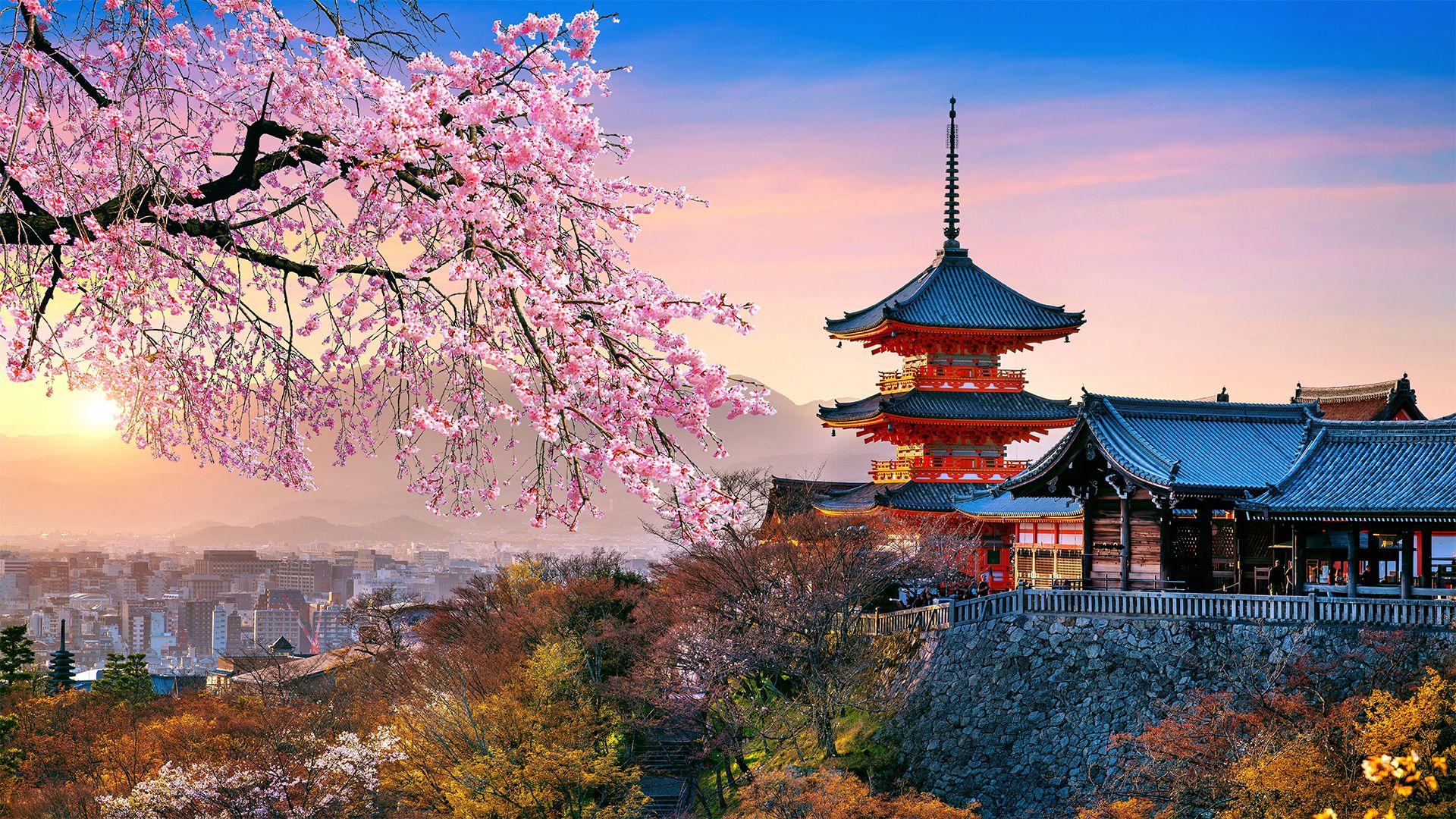
To the west of Japan’s glossy capital, Tokyo, lies an entirely different world, the city of Kyoto, the true heart of Japan’s future. In this quiet, seducing city, there are over a thousand temples and shrines; the town is colourful with wooden machiya townhouses and moss-covered gardens, which are different from a “futuristic” metropolis. The iconic vermilion torii gates of Fushimi Inari, Kyoto, are where Japan's traditional soul is most visible. Walking through Gion at dusk, you half expect to see a geisha turn the corner, and occasionally you do.
Mount Fuji
Japan has a famous landmark that is not just a big mountain. It is a symbol. Fuji-san stands tall at 3,776 metres. It is in charge of the view around it. For a time, it has been a big deal for artists, poets and pilgrims. The area called Fuji Five Lakes has some great views, making it a perfect spot for photography. If you are willing to walk all the way up to Fuji-san, seeing the sun come up from the top is something that people talk about. It is really worth it.
Osaka
Osaka is a loud city, but it is also very relaxed and lots of fun. More than Tokyo. The Dotonbori district in Osaka has a lot of neon signs and restaurants near the canal, making it the soul of the city's famous food culture. Osaka really does deliver on its food's reputation with great food on almost every street corner.
Hiroshima
Your visit is incomplete if you miss Hiroshima on your Japan visit. Hiroshima is a city that will stay with you. The Peace Memorial Park and Museum in Hiroshima remind us of the cruelty people hold, yet one rebuilds and forgives.
Hokkaido
Japan's northernmost main island is a different world entirely. In the winter, people love to go to Hokkaido to ski in Niseko and relax in resorts with hot springs. In summer, fields with lavender and sunflowers transform it into something almost impossibly picturesque.
Japanese Culture, Cuisine, and Experiences You Should Not Miss
Japan is a place that rewards those who slow down and truly take it in. The experiences here go beyond simply seeing sights. They invite you to participate, observe, and engage in ways that feel deeply meaningful.
Two of the most iconic seasonal traditions in Japan are cherry blossom viewing and the traditional tea ceremony. Every spring, the country transforms during the cherry blossom season, known as Hanami. Parks, riverbanks, and castle grounds are covered in soft white and pink blooms. People gather beneath these blossoms with food and friends, not just to admire their beauty but to appreciate their fleeting nature and the moment itself.
The Japanese tea ceremony, known as chanoyu, reflects the essence of Japanese aesthetics. It is rooted in four principles: harmony, respect, simplicity, and tranquillity. The preparation of matcha is a carefully choreographed practice that demands focus and presence. Silence is often maintained as the tea is prepared with precision to preserve its flavour and temperature. Even the act of turning the bowl before passing it highlights a deep appreciation for detail and beauty.
For food, Japan offers some of the most refined and varied eating in the world. Here is a quick guide to what you should try:
How to Reach Japan from India
Japan is well-connected to India by air. There are one-stop flights from major Indian cities like Delhi, Mumbai, Bengaluru, Hyderabad and Kolkata to Tokyo and Osaka. The flight time is around six to eight hours, depending on your route.
A sticker tourist visa is needed to enter Japan for all Indian passport holders. Visa-on-arrival or e-visa for tourists is not available as an option. To apply, you need to go through Japan's VFS centres in India. The application process takes somewhere around five to seven working days.
To apply for the visa, you will need to provide a passport, a recent photograph, your travel itinerary, hotel bookings, return flight tickets, bank statements, proof of employment and a cover letter.
Travel Smart: What to Keep in Mind Before You Go
Japan is one of the safest and most well-organised travel destinations in the world. But safety does not make it risk-free, especially for international visitors.
For tourists, medical costs in Japan are soaring high if you are not covered under the national system. A small injury or sudden illness can cost you tens of thousands of rupees if you are not covered under Japan's system. Japan is also located on the Pacific Ring of Fire, which means it can have occasional earthquakes. During summer and early autumn, typhoons can also disrupt flights and travel plans. Hiking Mount Fuji or skiing in Hokkaido are meticulous activities. So you should get insurance that covers these activities.
Planning a trip to Japan can be a bit tricky. It is recommended that you get a travel insurance plan, like Niva Bupa international travel insurance, before you leave. As a visitor, you need to be prepared for emergencies, trip cancellations and other travel problems. If you prepare well, you can enjoy your trip more by focusing on having a good time in Japan.
Also Read: Top Things to Do & Places to Visit in Japan | What is Japan Famous for?
Final Thought
This blog clears the question of which country is known as the land of the rising sun and tells how Japan earned its name in every sense. The geography is real, the history is documented, and the culture of Japan has been connecting Japan to the sun for over fourteen centuries. What Japan really gives to a traveller like you is something that is not easy to say: a feeling that every little thing, from the way a meal is served in Japan to the way a garden is taken care of, has been thought about carefully and slowly.
Japan gives you that kind of thoughtfulness that you remember when you go home. If you plan your trip to Japan, be well prepared, and Japan will give you a lot more than a beautiful sunrise.
Frequently Asked Questions
1. What does Nihon mean in English?
The word Nihon or Nippon is made up of two characters. The first half is Ni, which means sun or day, and the second half is hon, which means origin. When put together, they translate to the origin of the sun, which directly reflects the country's identity as the Land of the Rising Sun.
2. Is Japan the first country to see the sunrise?
Not technically. Among major countries, New Zealand sees the sunrise first. Technically, small Pacific island nations like Kiribati are the first landmasses to receive the sun each day. Japan's association with the rising sun is historical and cultural rather than strictly astronomical.
3. When is the best time to visit Japan?
Spring, between March and April, for cherry blossoms and autumn, between October and November, for foliage, are considered the best times. Both seasons offer mild weather and stunning natural scenery.
4. Do Indian citizens need a visa for Japan?
Yes. Indian passport holders require a tourist visa for Japan. There is no visa-on-arrival or e-visa option. Applications are submitted through VFS Global centres and typically take five to seven working days to process.
There is something subtly beautiful about a country that goes by the name “Land of the Rising Sun”. This is not just a mere poetic phrase but the truth woven into history, geography, and local tales. The reason it’s so called is multidimensional and not just limited to its position on the map.
Japan sits right at the eastern edge of Asia, gazing out over the Pacific Ocean. From China or anywhere across the continent, the sun seems to rise from Japan’s direction every dawn. For more than 14 centuries, this observation grew into something bigger, something rooted in Japan’s flag, language, traditions and spirit. If you ever wondered which country is known as the land of the rising sun and why, then this blog is for you.
Why Is Japan Known as the Land of the Rising Sun?
The easiest way to explain this is by looking at a map. Japan sits right at the eastern edge of Asia, near the coast of China, Korea and Russia. Every morning, the sun rises in the east, so people living on the continent long ago would see it rising from the direction of Japan. This image of the sun rising over Japan stuck with people over time. The name is not just about where the sun comes up. It is also about how Japan wants to be seen and what Japan tells the world about itself.
The Meaning Behind Nihon and Nippon
The meaning of Japan's name is really interesting. In Japanese, Japan is called Nihon or Nippon, which is written with two characters: 日 and 本. The first character, pronounced ni or ji, means sun or day. The second character, pronounced as hon, means origin or base. So when you put them together, it means the origin of the sun or where the sun begins. Japan is not just near where the sun rises; its name actually says it is where the sun starts.
This is what makes Japan’s name a cool thing. Most countries are named after people, rivers or leaders. Japan is named after the sun.
The Historical Origin of the Name
The earliest recorded use of this identity dates back to 607 AD. At that time, Prince Shotoku, who was then the regent of Japan, wrote a letter to Emperor Yang of the Sui dynasty in China. In the letter, he called Japan the country where the sun rises and China the country where the sun sets. It served as a bold opening for diplomatic affinity, and it announced Japan's sense of its own distinct identity.
Decades later, the Taika Reform of 645 AD under Emperor Kotoku formalised the use of Nihon and Nippon in official and diplomatic documents. From that point onward, the name was not just poetic. It was political and institutional. The land of the rising sun had made its identity official.
The Sun as a Symbol in Japanese Culture
The origin of the name is rooted in geography, but culture explains why it holds such lasting significance. In Japan, the indigenous belief system of Shinto regards the sun as divine rather than merely a natural phenomenon. At the heart of this belief is Amaterasu, one of the most revered deities. She is believed to be the daughter of Izanagi and Izanami, the creators of the world, and Japanese mythology traces the imperial lineage back to her. Amaterasu symbolises light, purity, order, and renewal, which gives the phrase “land of the rising sun” a sacred meaning rather than just a geographical one.
This deep symbolism is reflected in Japan’s national flag, the Hinomaru. Meaning “sun disc,” it is one of the most recognisable flags in the world, featuring a red circle set against a white background. The red disc represents both the sun itself and the presence of Amaterasu, bringing together mythology, history, and national identity in a single, powerful image.
Japan at a Glance
Before planning a visit, here is a quick overview of the essentials:
Top Places to Visit in Japan
The land of the rising sun welcomes travellers with a varied range of experiences, ranging from futuristic cities to centuries-old mountain trails.
Tokyo
Tokyo is a travel lover's paradise, with its endless energy, neon lights and night ambience of crowds, cameras and late nights. Tokyo is full of contrast: from the Shibuya and Harajuku chaos, with the Senso-ji, where the silence roars, even though you can hear the smoke of incense and see the old temple walls. It is the food and interior design. It is the disciplined energy of the Japanese, working day and night for their city. It feels like wandering the streets where every corner tells a different story.
Kyoto
To the west of Japan’s glossy capital, Tokyo, lies an entirely different world, the city of Kyoto, the true heart of Japan’s future. In this quiet, seducing city, there are over a thousand temples and shrines; the town is colourful with wooden machiya townhouses and moss-covered gardens, which are different from a “futuristic” metropolis. The iconic vermilion torii gates of Fushimi Inari, Kyoto, are where Japan's traditional soul is most visible. Walking through Gion at dusk, you half expect to see a geisha turn the corner, and occasionally you do.
Mount Fuji
Japan has a famous landmark that is not just a big mountain. It is a symbol. Fuji-san stands tall at 3,776 metres. It is in charge of the view around it. For a time, it has been a big deal for artists, poets and pilgrims. The area called Fuji Five Lakes has some great views, making it a perfect spot for photography. If you are willing to walk all the way up to Fuji-san, seeing the sun come up from the top is something that people talk about. It is really worth it.
Osaka
Osaka is a loud city, but it is also very relaxed and lots of fun. More than Tokyo. The Dotonbori district in Osaka has a lot of neon signs and restaurants near the canal, making it the soul of the city's famous food culture. Osaka really does deliver on its food's reputation with great food on almost every street corner.
Hiroshima
Your visit is incomplete if you miss Hiroshima on your Japan visit. Hiroshima is a city that will stay with you. The Peace Memorial Park and Museum in Hiroshima remind us of the cruelty people hold, yet one rebuilds and forgives.
Hokkaido
Japan's northernmost main island is a different world entirely. In the winter, people love to go to Hokkaido to ski in Niseko and relax in resorts with hot springs. In summer, fields with lavender and sunflowers transform it into something almost impossibly picturesque.
Japanese Culture, Cuisine, and Experiences You Should Not Miss
Japan is a place that rewards those who slow down and truly take it in. The experiences here go beyond simply seeing sights. They invite you to participate, observe, and engage in ways that feel deeply meaningful.
Two of the most iconic seasonal traditions in Japan are cherry blossom viewing and the traditional tea ceremony. Every spring, the country transforms during the cherry blossom season, known as Hanami. Parks, riverbanks, and castle grounds are covered in soft white and pink blooms. People gather beneath these blossoms with food and friends, not just to admire their beauty but to appreciate their fleeting nature and the moment itself.
The Japanese tea ceremony, known as chanoyu, reflects the essence of Japanese aesthetics. It is rooted in four principles: harmony, respect, simplicity, and tranquillity. The preparation of matcha is a carefully choreographed practice that demands focus and presence. Silence is often maintained as the tea is prepared with precision to preserve its flavour and temperature. Even the act of turning the bowl before passing it highlights a deep appreciation for detail and beauty.
For food, Japan offers some of the most refined and varied eating in the world. Here is a quick guide to what you should try:
How to Reach Japan from India
Japan is well-connected to India by air. There are one-stop flights from major Indian cities like Delhi, Mumbai, Bengaluru, Hyderabad and Kolkata to Tokyo and Osaka. The flight time is around six to eight hours, depending on your route.
A sticker tourist visa is needed to enter Japan for all Indian passport holders. Visa-on-arrival or e-visa for tourists is not available as an option. To apply, you need to go through Japan's VFS centres in India. The application process takes somewhere around five to seven working days.
To apply for the visa, you will need to provide a passport, a recent photograph, your travel itinerary, hotel bookings, return flight tickets, bank statements, proof of employment and a cover letter.
Travel Smart: What to Keep in Mind Before You Go
Japan is one of the safest and most well-organised travel destinations in the world. But safety does not make it risk-free, especially for international visitors.
For tourists, medical costs in Japan are soaring high if you are not covered under the national system. A small injury or sudden illness can cost you tens of thousands of rupees if you are not covered under Japan's system. Japan is also located on the Pacific Ring of Fire, which means it can have occasional earthquakes. During summer and early autumn, typhoons can also disrupt flights and travel plans. Hiking Mount Fuji or skiing in Hokkaido are meticulous activities. So you should get insurance that covers these activities.
Planning a trip to Japan can be a bit tricky. It is recommended that you get a travel insurance plan, like Niva Bupa international travel insurance, before you leave. As a visitor, you need to be prepared for emergencies, trip cancellations and other travel problems. If you prepare well, you can enjoy your trip more by focusing on having a good time in Japan.
Also Read: Top Things to Do & Places to Visit in Japan | What is Japan Famous for?
Final Thought
This blog clears the question of which country is known as the land of the rising sun and tells how Japan earned its name in every sense. The geography is real, the history is documented, and the culture of Japan has been connecting Japan to the sun for over fourteen centuries. What Japan really gives to a traveller like you is something that is not easy to say: a feeling that every little thing, from the way a meal is served in Japan to the way a garden is taken care of, has been thought about carefully and slowly.
Japan gives you that kind of thoughtfulness that you remember when you go home. If you plan your trip to Japan, be well prepared, and Japan will give you a lot more than a beautiful sunrise.
Frequently Asked Questions
1. What does Nihon mean in English?
The word Nihon or Nippon is made up of two characters. The first half is Ni, which means sun or day, and the second half is hon, which means origin. When put together, they translate to the origin of the sun, which directly reflects the country's identity as the Land of the Rising Sun.
2. Is Japan the first country to see the sunrise?
Not technically. Among major countries, New Zealand sees the sunrise first. Technically, small Pacific island nations like Kiribati are the first landmasses to receive the sun each day. Japan's association with the rising sun is historical and cultural rather than strictly astronomical.
3. When is the best time to visit Japan?
Spring, between March and April, for cherry blossoms and autumn, between October and November, for foliage, are considered the best times. Both seasons offer mild weather and stunning natural scenery.
4. Do Indian citizens need a visa for Japan?
Yes. Indian passport holders require a tourist visa for Japan. There is no visa-on-arrival or e-visa option. Applications are submitted through VFS Global centres and typically take five to seven working days to process.
Stay protected against medical emergencies, trip delays, and lost baggage worldwide.
 By clicking, I agree to Niva Bupa
Popular Searches
Health Insurance - Health Insurance | Best Family Health Insurance | Best Health Insurance For Senior Citizens In India | Health Insurance With Opd Cover | Mediclaim Insurance | Critical Illness Insurance | Personal Accident Insurance | Mediclaim Policy | Individual Health Insurance | Maternity Insurance | Best Health Insurance company | NRI Health Insurance
Health Insurance Schemes - PMMVY Login | PMJJBY Policy Status | Swasthya Sathi Card | PMSBY | ABHA Card Download | PMJJBY | Ayushman Card | PMMVY 2.0 | Ayushman Vay Vandana Card | PMMVY NIC IN रजिस्ट्रेशन | PMMVY 2.0 लॉगिन
Travel Insurance Plans - Travel Insurance | International Travel Insurance | Student Travel Insurance | Travel Insurance USA | Travel Insurance Canada | Travel Insurance Thailand | Travel Insurance Germany | Travel Insurance Dubai | Travel Insurance Bali | Travel Insurance Australia | Travel Insurance Schengen | Travel Insurance Singapore | Travel Insurance UK | Travel Insurance Vietnam | Travel Insurance Japan | Travel Insurance Spain | Travel Insurance Asia | Travel Insurance Netherlands | Travel Insurance Turkey | Travel Insurance Ireland | Travel Insurance Phillipines | Travel Insurace Italy | Travel Insurance France | Travel Insurance China | Travel Insurance Georgia | Travel Insurance South Africa | Travel Insurance Maldives | Travel Insurance Portugal | Travel Insurance Malaysia | Travel Insurance Qatar | Travel Insurance Poland | Travel Insurance Greece | Travel Insurance New zealand | Travel Insurance Saudi Arabia | Travel Insurance Sri Lanka
Become an Agent - Insurance Agent | Insurance Advisor | Licensed Insurance Agent | Health Insurance Consultant | POSP Insurance Agent | IRDA Certificate Download | IC 38 Exam | Insurance Agent vs POSP | IRDA Exam Syllabus | IRDAI Agent Locator | IRDA exam fee | Paise Kaise Kamaye | Ghar Baithe Paise Kaise Kamaye
Top Hospitals - Best Hospitals in Chennai | Top Hospitals in Delhi | Best Hospitals in Gurgaon | Best Hospitals in India | Top 10 Hospitals in India | Best Hospitals in Hyderabad | Best Hospitals in Kolkata | Best cancer hospitals in Bangalore | Best cancer hospitals in Hyderabad | Best cancer hospitals in Mumbai | Best cancer hospitals in India | Top 10 cancer hospitals in India
Others - Ayushman Bharat | Gst Refund for NRI on Health Insurance Premium | Health Insurance Tax Deductible
Health & Wellness - शिलाजीत के फायदे हिंदी | Weight Gain Diet in Hindi | Sat Isabgol Uses In Hindi | Aloe Vera Juice Benefits in Hindi | Dragon Fruit Benefits in Hindi | Akal Daad in Hindi | Acidity Home Remedies in Hindi | Nikat Drishti Dosh in Hindi | Yoga Benefits in Hindi | Laung Khane ke Fayde in Hindi | Leukoplakia in Hindi | Protien in 100g Paneer | Benefits of Rice Water For Skin | B12 Deficiency Symptoms in Hindi | Fibre Foods in Hindi | Chronic Disease Meaning in Hindi | Vitamin D Foods in Hindi | Blood Urea in Hindi | Beetroot Uses Good for Health
Calculator - BMI Calculator | Pregnancy Calculator | Pregnancy Calendar Based on Conception Date | Pregnancy Conception Date Calculator | Last Menstrual Period Calculator | BMR Calculator | GFR Calculator | Ovulation Calculator



www.nivabupa.com

+91 11 30902010

1860-500-8888

CIN: L66000DL2008PLC182918
IRDAI Registration No. 145

Corporate Office: 3rd Floor, Capital Cyberscape, Sector 59, Gurgaon
Registered Office: C-98, First Floor, Lajpat Nagar, Part 1, Delhi-110024, India


