

Folliculitis Decalvans: Causes, Symptoms & Treatment for Scarring Hair Loss
15 May, 2026
9 Shares
69 Reads
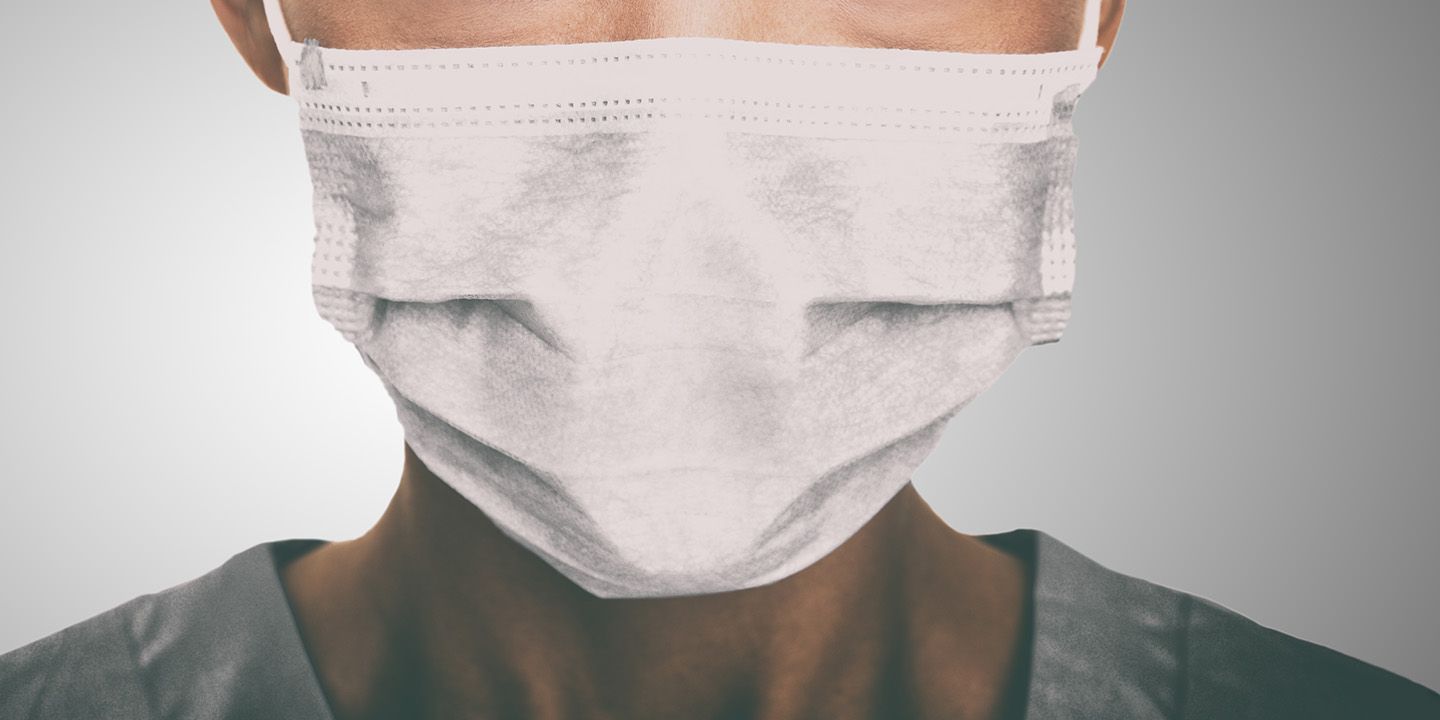
You walked into your bathroom and noticed something that didn’t look like normal hair loss. You noticed clumps of hair falling out in patches unevenly. The scalp feels sore, warm, and tender when you run your fingers through it. Most people who notice their hair falling out assume they know the reason. Stress, or maybe hormones. A nutritional deficiency that a few supplements will sort out. So they try a new shampoo, add biotin to their routine, and wait. But there's a particular kind of hair loss that doesn't respond to any of this, one that arrives with pain, crusting, and red bumps that look nothing like the gradual thinning everyone talks about. The scalp feels sore on touching. Patches appear and grow. And no amount of searching seems to produce an explanation that quite fits.
This is often how folliculitis decalvans first presents and why it takes months, sometimes longer, before a correct diagnosis is made. By that point, some damage is already done. This blog covers what the condition actually is, what drives it, how to recognise it early, and what treatment realistically looks like because with scarring hair loss, early action is not just helpful, it's the entire point.
What Is Folliculitis Decalvans?
Folliculitis decalvans is a rare, chronic inflammatory condition that targets the hair follicles on the scalp, progressively destroying them and replacing them with scar tissue. It belongs to a category called primary neutrophilic cicatricial alopecia, which means the damage originates inside the follicle itself, driven by the immune system, rather than being caused by an external trauma or infection spreading inward.
The word "scarring" in scarring hair loss is literal. Once a follicle is replaced by fibrous scar tissue, it cannot produce hair again. This is what sets folliculitis decalvans apart from most other forms of hair loss. The damage, where it has already occurred, is permanent. Treatment does not reverse existing scars. What it does is slow or halt the spread to adjacent healthy follicles, which is why the timing of diagnosis matters so much.
The condition most commonly affects young to middle-aged adults, typically between the twenties and forties, and is more frequently reported in men, though women are not exempt. The scalp is the primary site, but in some cases, the beard, eyebrows, or other hair-bearing areas can also be involved.
What Causes It?
This is where many blogs overstate what is actually known. The honest answer is that the exact cause of folliculitis decalvans is still not fully understood. What current evidence points to is a combination of immune dysregulation, bacterial involvement, and likely an underlying genetic predisposition.
The immune system, for reasons that aren't entirely clear, mounts an inflammatory response against the hair follicle. This neutrophil-rich inflammation is what drives the destruction. What triggers it, and why certain individuals are susceptible while others aren't, remains an area of ongoing research.
Staphylococcus aureus, a type of bacteria commonly found on skin, is frequently identified in the scalp follicles of people with folliculitis decalvans. This doesn't mean the condition is simply a bacterial infection that can be cleared with a single antibiotic course. The more accurate picture is that S. aureus appears to trigger or amplify the inflammatory process in people who are already predisposed. Addressing the bacterial component helps manage flares, but it doesn't resolve the underlying condition.
Certain factors are known to worsen or trigger flares. These include friction from tight hats or helmets, harsh chemical treatments, aggressive scratching, and poorly controlled skin conditions like seborrheic dermatitis. Avoiding these doesn't prevent the disease, but it does reduce the frequency and severity of active episodes.
Symptoms: What to Actually Look For
The symptom picture of folliculitis decalvans is more specific than most descriptions suggest, and recognising the full pattern early is what makes the difference between catching it in time and discovering it after significant scarring has occurred.
Pustules and Redness
They are typically among the first visible signs, small, pus-filled bumps around hair follicles, surrounded by inflamed, tender skin. These are not the same as ordinary acne or mild folliculitis, though they're often mistaken for both.
Crusting and Oozing
Yellowish or blood-tinged crusts form over inflamed follicles, sometimes with slight oozing. The texture and appearance of the scalp change in a way that feels distinctly different from dandruff or dry scalp.
Pain and Tenderness
These are important distinguishing features. This is not a condition that simply itches the affected areas, but they burn, ache, and feel sore to the touch. Pain is not typical of most other forms of hair loss, and its presence should be taken seriously.
Tufted Folliculitis
It is one of the more distinctive signs, multiple hairs emerging from a single follicular opening, giving the appearance of small clumps or tufts. Some areas have this unusual tufting, while adjacent patches are completely bald.
Progressive Bald Patches
Progressive bald patches with shiny, scarred skin represent the later stage. Smooth, pale, atrophic skin where follicles are no longer visible. Once this texture is present, the follicles in those areas are gone.
In the early stages, the scalp shows redness, mild crusting, and patchy hair loss without obvious scarring. In later stages, the bald patches are larger, well-defined, and surrounded by chronic crusting at the active edges where the disease continues to spread.
Why Folliculitis Decalvans Gets Missed
Folliculitis decalvans is misdiagnosed with enough regularity that it's worth addressing directly.
People are most commonly told they have ordinary folliculitis or scalp acne and given a short antibiotic course that temporarily reduces symptoms without addressing the underlying condition. When the pustules return, as they will, the cycle repeats. Alopecia areata is another common misdiagnosis. Patchy hair loss looks similar on the surface, but alopecia areata does not typically involve pain, pustules, or scarring. Scalp psoriasis can also produce redness and scaling, but the tufting pattern and progressive scarred patches are not features of psoriasis.
Accurate diagnosis involves a clinical examination by a dermatologist, dermoscopy to visualise the scalp at magnification, which reveals hair tufting, perifollicular scale, and absent follicular openings in scarred zones, and in most cases, a scalp biopsy to confirm the diagnosis and rule out other scarring alopecias like lichen planopilaris or discoid lupus. What most people don't realise is that the window for effective intervention is tied directly to how much active follicle remains. Waiting for the condition to resolve on its own, or cycling through over-the-counter products, closes that window quietly and permanently.
Treatment: What Works and What to Expect
Folliculitis decalvans is a chronic condition. Treatment can control the situation from escalating, but not cure it. Specifically: suppressing inflammation, reducing bacterial load, preventing new scarring, and preserving whatever healthy follicles remain.
Long-Term Antibiotic
It regimens form the backbone of most treatment plans. Oral tetracyclines, doxycycline or minocycline, are used for months, often at lower anti-inflammatory doses rather than purely antibacterial ones. In more resistant cases, a combination of rifampicin with clindamycin or another agent has shown a meaningful response.
Isotretinoin
An oral retinoid, better known in the context of acne, is used in more severe or treatment-resistant presentations. It reduces sebum production and calms abnormal follicular keratinisation. It requires careful monitoring and is not a first-line option for most patients.
Topical Treatments
They play a supporting role. Antibacterial shampoos containing chlorhexidine, ketoconazole, or selenium sulphide help reduce scalp S. aureus and manage irritation. Topical steroids or calcineurin inhibitors can control acute flares but are not suitable for prolonged use.
Realistic expectations are important here. Many patients experience periods of remission, the scalp calms, pustules resolve, and the disease becomes quiet. But this is management, not resolution. Low-dose maintenance therapy or close monitoring typically continues even during quiet phases, because flares can return with less provocation as time goes on. Existing scarred areas will not regrow hair through medical treatment. Scalp micropigmentation or hair transplantation in stable, non-inflamed zones are cosmetic options some patients explore once the disease has been brought under control.
Living With Folliculitis Decalvans
Managing folliculitis decalvans day-to-day goes well beyond medication. How you care for your scalp between flares matters just as much as treatment during them.
Scalp Care Basics:
- Avoid tight hairstyles, helmets, and friction. Pressure and rubbing aggravate already vulnerable follicles and can trigger new inflammation
- Step away from harsh chemicals, hair dyes, bleaching agents, and strong styling products, which irritate the scalp and worsen the inflammatory environment
- No aggressive scratching, even when the scalp feels itchy or crusted, as scratching introduces additional trauma and potential bacterial contamination
- Use medicated shampoos consistently. Chlorhexidine or ketoconazole-based shampoos work best when used regularly, not just during active flares; consistent use keeps bacterial load lower between episodes
Monitoring for Flares:
- Watch the edges of existing bald patches for new redness, fresh pustules, or tenderness at the border of a scarred area, which are the earliest signals of returning activity
- Act early, not late. Re-treatment during the active phase, when pustules are fresh and inflammation is limited, is consistently more effective than waiting for the flare to fully develop
- Keeping a simple log, noting when symptoms appear and what might have preceded them, helps identify personal triggers over time
Emotional and Psychological Support:
- Visible scarring takes a real toll on the psychological impact of progressive, hard-to-hide hair loss, which is significant and should not be minimised
- Support communities help connect with others, manage chronic skin and hair conditions, provides both practical advice and emotional grounding
- Choose the right dermatologist, someone who treats both the clinical and cosmetic dimensions of the condition, not just the inflammation in isolation
Final Thought
The path through folliculitis decalvans from first suspicion to confirmed diagnosis to long-term management involves more medical touchpoints than most people anticipate. A dermatologist visit. A dermoscopy. Possibly a scalp biopsy. Follow-up appointments to assess treatment response. Prescription medications that may continue for months or years. And if the disease is caught late, conversations about cosmetic procedures can begin once it's stable.
This is not a condition where you visit a doctor for once and move on. It's a condition that requires a healthcare setup that can keep pace with it, and that's where Niva Bupa becomes genuinely relevant. With coverage that extends across specialist consultations, diagnostic tests, prescribed treatments, and procedural care, a Niva Bupa NRI health insurance plan removes the financial friction from a treatment journey that is, by its nature, long-term. Because with scarring alopecia, the worst reason to delay the next appointment is cost and with the right plan in place, it doesn't have to be.
Frequently Asked Questions
1. Is folliculitis decalvans contagious?
No. This isn’t passed between people like a cold. Even though Staphylococcus aureus shows up often, what really matters is how the body reacts - not spreading germs. The trigger lies within immunity, not contact.
2. Can hair grow back in areas affected by folliculitis decalvans?
Where scars have formed, recovery isn’t possible. After a follicle becomes scar tissue, regrowth stops completely. Efforts aim at preventing progression into unaffected zones instead of repairing what's already lost.
3. How long does treatment last?
The duration of therapy varies by individual case. Most people need ongoing care when dealing with folliculitis decalvans. Long stretches without treatment are rare because symptoms often return if oversight stops. Therapy shifts in strength depending on how active the condition becomes at any point. Some level of follow-up usually continues forever, even during quiet phases.
4. How common is Folliculitis Decalvans in India?
Occasionally seen, yet frequently overlooked, this issue tends to be mistaken for routine folliculitis or similar scalp problems. Because primary care providers are usually unfamiliar with its signs, referrals to specialists typically happen once symptoms have worsened.
Get right coverage, right premium and the right protection instantly.
 By clicking, I agree to Niva Bupa
 You may also like


Popular Searches
Health Insurance - Health Insurance | Best Family Health Insurance | Best Health Insurance For Senior Citizens In India | Health Insurance With Opd Cover | Mediclaim Insurance | Critical Illness Insurance | Personal Accident Insurance | Mediclaim Policy | Individual Health Insurance | Maternity Insurance | Best Health Insurance company | NRI Health Insurance
Health Insurance Schemes - PMMVY Login | PMJJBY Policy Status | Swasthya Sathi Card | PMSBY | ABHA Card Download | PMJJBY | Ayushman Card | PMMVY 2.0 | Ayushman Vay Vandana Card | PMMVY NIC IN रजिस्ट्रेशन | PMMVY 2.0 लॉगिन
Travel Insurance Plans - Travel Insurance | International Travel Insurance | Student Travel Insurance | Travel Insurance USA | Travel Insurance Canada | Travel Insurance Thailand | Travel Insurance Germany | Travel Insurance Dubai | Travel Insurance Bali | Travel Insurance Australia | Travel Insurance Schengen | Travel Insurance Singapore | Travel Insurance UK | Travel Insurance Vietnam | Travel Insurance Japan | Travel Insurance Spain | Travel Insurance Asia | Travel Insurance Netherlands | Travel Insurance Turkey | Travel Insurance Ireland | Travel Insurance Phillipines | Travel Insurace Italy | Travel Insurance France | Travel Insurance China | Travel Insurance Georgia | Travel Insurance South Africa | Travel Insurance Maldives | Travel Insurance Portugal | Travel Insurance Malaysia | Travel Insurance Qatar | Travel Insurance Poland | Travel Insurance Greece | Travel Insurance New zealand | Travel Insurance Saudi Arabia | Travel Insurance Sri Lanka
Become an Agent - Insurance Agent | Insurance Advisor | Licensed Insurance Agent | Health Insurance Consultant | POSP Insurance Agent | IRDA Certificate Download | IC 38 Exam | Insurance Agent vs POSP | IRDA Exam Syllabus | IRDAI Agent Locator | IRDA exam fee | Paise Kaise Kamaye | Ghar Baithe Paise Kaise Kamaye
Top Hospitals - Best Hospitals in Chennai | Top Hospitals in Delhi | Best Hospitals in Gurgaon | Best Hospitals in India | Top 10 Hospitals in India | Best Hospitals in Hyderabad | Best Hospitals in Kolkata | Best cancer hospitals in Bangalore | Best cancer hospitals in Hyderabad | Best cancer hospitals in Mumbai | Best cancer hospitals in India | Top 10 cancer hospitals in India
Others - Ayushman Bharat | Gst Refund for NRI on Health Insurance Premium | Health Insurance Tax Deductible
Health & Wellness - शिलाजीत के फायदे हिंदी | Weight Gain Diet in Hindi | Sat Isabgol Uses In Hindi | Aloe Vera Juice Benefits in Hindi | Dragon Fruit Benefits in Hindi | Akal Daad in Hindi | Acidity Home Remedies in Hindi | Nikat Drishti Dosh in Hindi | Yoga Benefits in Hindi | Laung Khane ke Fayde in Hindi | Leukoplakia in Hindi | Protien in 100g Paneer | Benefits of Rice Water For Skin | B12 Deficiency Symptoms in Hindi | Fibre Foods in Hindi | Chronic Disease Meaning in Hindi | Vitamin D Foods in Hindi | Blood Urea in Hindi | Beetroot Uses Good for Health
Calculator - BMI Calculator | Pregnancy Calculator | Pregnancy Calendar Based on Conception Date | Pregnancy Conception Date Calculator | Last Menstrual Period Calculator | BMR Calculator | GFR Calculator | Ovulation Calculator



www.nivabupa.com

+91 11 30902010

1860-500-8888

CIN: L66000DL2008PLC182918
IRDAI Registration No. 145

Corporate Office: 3rd Floor, Capital Cyberscape, Sector 59, Gurgaon
Registered Office: C-98, First Floor, Lajpat Nagar, Part 1, Delhi-110024, India


