

HFMD Skin Rash: Symptoms, Stages & Treatment
26 December, 2025
7 Shares
206 Reads
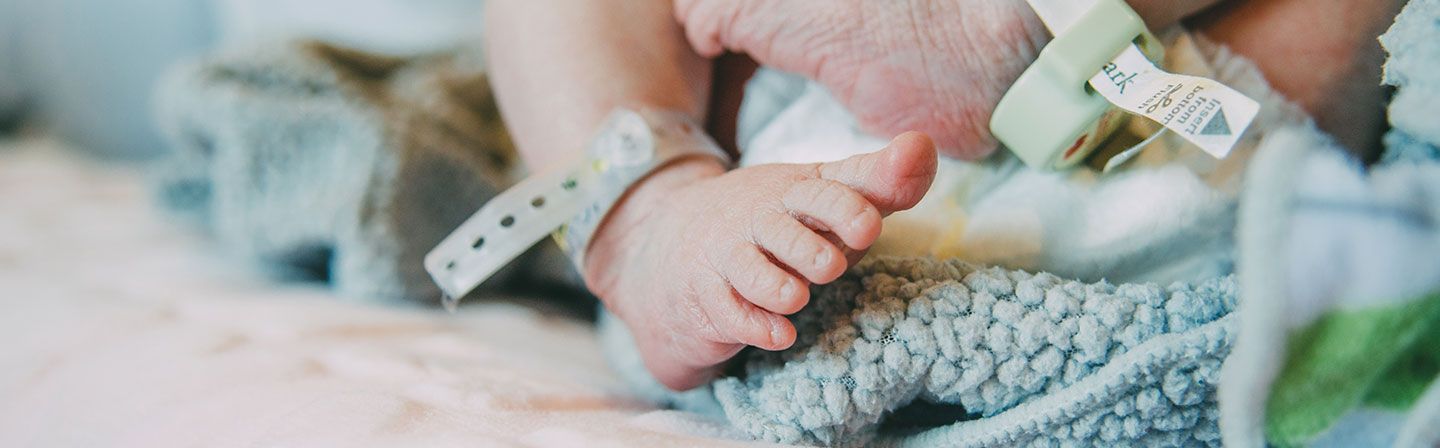
Often common in children, Hand, Foot, and Mouth Disease can affect anyone in any given age bracket. Although it is most common in toddlers and children, school-age children can also develop it. This, of course, can be alarming for parents. However, there is no need to panic, as this article explains in detail everything you need to know about HFMD skin rashes.
Understanding Hand, Foot and Mouth Disease (HFMD)
Hand, foot, and mouth disease is a mild, contagious viral illness primarily caused by coxsackievirus A16 or enterovirus 71. Enteroviruses are a genus of viruses that replicate efficiently in the human intestine. HFMD is spread through direct contact with bodily fluids, including nasal secretions, saliva, blister fluid, or faeces from an infected individual.
Such children under the age of 10 years are most vulnerable because of an underdeveloped immune system and can be in a nursery or a school setting. Moreover, adults can suffer from HFMD when they come into direct contact with an affected child.
For non-resident Indians(NRIs) or families living abroad, awareness of HFMD is a prerequisite because cases have occurred all over the world, especially during warm and humid months.
How is HFMD Spread?
HFMD can be transmitted through direct contact with an infected individual, through contact with an infected surface, or through sharing items such as toys and eating utensils. In a crowded setting, the virus can spread quickly. The following table shows the common modes of transmission:
Hygiene practices such as washing hands, disinfecting touched surfaces, and using a tissue when coughing are important for controlling the spread of the virus.
Symptoms of HFMD Skin Rash
HFMD normally starts with flu-like symptoms before the onset of a rash. The incubation stage, which lasts 3 to 6 days after exposure before symptoms appear, is usually not very distinctive. A common symptom manifestation can be broken down into phases, including:
The rash and blisters will appear a day or two after the fever starts.
Stages of HFMD Skin Rash
The progression of this disease can be traced through a series of identifiable steps. Some of these can be very helpful to parents in managing such a child at home.
Stage 1: Incubation Period (0-6)
During this silent stage, the virus replicates without any symptoms. The individual is already contagious during this time and can spread the virus without knowing it.
Stage 2: Onset of Symptoms (Day 1-2)
Fever, sore throat, and loss of appetite become evident. A feeling of being tired and irritable follows. At this stage, personal and isolation hygiene become essential to prevent infection of others.
Stage 3: Rash and Blister Stage (Day 2-7)
This is the stage where characteristic eruption in HFMD manifests:
- Small red spots on palms of hands, soles, and buttocks
- Mouth ulcers or throat soreness
- Blisters may become painful or itchy, but scratching should be avoided to prevent infection
Skin rashes can occur on the knees, elbows, or genitalia in severe cases.
Step 4: Healing and Recovery (Days 7-10)
The fever clears, and a peeling rash develops. Infectious viruses can persist in faeces for a few weeks after recovery, necessitating additional hygiene measures despite the resolution of symptoms.
When to Seek Medical Advice
Generally, HFMD is a minor illness and will heal in a week or a week and a half. But in some cases, medical treatment is needed. A healthcare provider can be consulted in case of:
- The child or adult has a persisting fever above 38.5°C
- There are signs of dehydration (dry lips, no urine for over 8 hours)
- Blisters appear infected (yellow discharge, increasing redness, or swelling)
- The individual experiences neck stiffness, severe headache, or drowsiness
Although serious side effects are very rare, they can occasionally include viral meningitis or encephalitis, especially in infants or individuals with compromised immune systems.
Diagnosing HFMD
Typically, a medical examination by a physician can diagnose HFMD based on symptoms such as distinctive rashes and blisters in the mouth. Although lab tests are not frequently used in HFMD, they include:
- Throat Swab Test for Viral Detection
- Stool specimen for Enterovirus identification
- Blood Test in Cases Where Complication or Ambiguity Exists
Correct identification will lead to proper treatment and can thus help in differentiating HFMD from other diseases such as chickenpox, measles, and allergic reactions.
Treatment of HFMD Skin Rash
As for treatment, there presently is no specific treatment available for an HFMD infection. The main objective remains providing relief to the patient.
Home Management and Care Tips
Refrain from administering aspirin to children. Use an over-the-counter gel or spray for relieving pain in your mouth, but you must select one intended for children.
Medical Treatment
When secondary bacterial infection sets in, the physician may prescribe topical or oral antibiotics. While hospitalisation is uncommon, in case of severe dehydration or neurological sequelae, admission is sometimes necessary.
Preventing HFMD
Preventive care is essential because this is a rapidly spreading virus and lacks a vaccine. Tips for parents, caregivers, and NRIs moving across countries include:
- Practice good hand hygiene: Wash your hands with soap and water frequently, especially after using toilets or changing nappies.
- Disinfecting Surfaces: Clean toys, frequently touched areas, and door handles.
- Avoid close contact: Infected children should not be allowed to come into direct contact with others until the blisters have dried.
- Practice respiratory etiquette: Cover your mouth and nose when coughing or sneezing.
- Do not share cutlery: Promote personal eating utensils.
If you find yourself among people from communities where outbreaks of HFMD skin rashes are common, such as in learning institutions (e.g., schools and playgroups), it is beneficial to inform tutors or caregivers early.
Treatment and Care After HFMD
HFMD infections can be completely cured without leaving any consequences. The skin with rashes may peel off because of new layers being formed, and sometimes nail shedding, called onychomadesis, takes place a few weeks after recovery. To strengthen immunity after recovery:
- Promote a balanced diet and hydration
- Practice good personal and food hygiene
- Allow proper rest before returning to group activities
NRIs who travel or dwell in social settings frequently need to be especially careful in situations where seasonal outbreaks are common.
Impact of Health Insurance on NRIs
While HFMD rarely requires hospitalisation, unexpected complications or dehydration may lead to medical costs abroad being higher than in India. Comprehensive health insurance plans with international coverage ensure continuity of care and peace of mind.
Niva Bupa, for instance, offers an NRI health insurance plan designed to support NRIs and their families. With access to quality healthcare, cashless treatments, and global assistance, policyholders can focus on recovery without worrying about financial burdens.
Conclusion
Hand, foot and mouth disease, though uncomfortable, is rarely severe. Awareness and proper hygiene remain your best defence. Recognising early symptoms and maintaining care routines, especially for children, helps recovery and prevents wider spread. For NRIs, staying informed and prepared through comprehensive health coverage ensures every family member receives timely and adequate medical attention, wherever life takes you.
FAQs
Can adults get hand, foot and mouth disease?
Yes. While HFMD skin rash mainly affects children, adults can contract it through direct contact with an infected person, especially if their immunity is low or if they care for affected children.
Is hand, foot and mouth disease the same as foot and mouth disease in animals?
No. Despite their similar names, the two are caused by distinct viruses. HFMD affects humans only, whereas foot-and-mouth disease affects livestock.
How long is HFMD contagious?
An infected person is most contagious during the first week of illness, but the virus can be shed in stool for several weeks. Practising good hygiene helps prevent secondary spread.
Can vaccination prevent HFMD?
Currently, there’s no approved vaccine for HFMD. Preventive hygiene, isolation, and regular surface disinfection remain the most effective strategies.
When can a child return to school after HFMD?
A child can return to school once the fever subsides, blisters have dried, and the doctor confirms they’re no longer contagious, usually after 7 to 10 days.
Can hand, foot and mouth disease recur?
Yes, HFMD can occur more than once because different strains of the virus cause it. Immunity after infection is usually strain-specific, so reinfection with another coxsackievirus or enterovirus strain is possible, although symptoms may be milder the next time.
Get right coverage, right premium and the right protection instantly.
 By clicking, I agree to Niva Bupa
 You may also like


Popular Searches
Health Insurance - Health Insurance | Best Family Health Insurance | Best Health Insurance For Senior Citizens In India | Health Insurance With Opd Cover | Mediclaim Insurance | Critical Illness Insurance | Personal Accident Insurance | Mediclaim Policy | Individual Health Insurance | Maternity Insurance | Best Health Insurance company | NRI Health Insurance
Health Insurance Schemes - PMMVY Login | PMJJBY Policy Status | Swasthya Sathi Card | PMSBY | PMJJBY | Ayushman Card | PMMVY 2.0 | Ayushman Vay Vandana Card | PMMVY NIC IN रजिस्ट्रेशन | PMMVY 2.0 लॉगिन
Travel Insurance Plans - Travel Insurance | International Travel Insurance | Student Travel Insurance | Travel Insurance USA | Travel Insurance Canada | Travel Insurance Thailand | Travel Insurance Germany | Travel Insurance Dubai | Travel Insurance Bali | Travel Insurance Australia | Travel Insurance Schengen | Travel Insurance Singapore | Travel Insurance UK | Travel Insurance Vietnam | Travel Insurance Japan | Travel Insurance Spain | Travel Insurance Asia | Travel Insurance Netherlands | Travel Insurance Turkey | Travel Insurance Ireland | Travel Insurance Phillipines | Travel Insurace Italy | Travel Insurance France | Travel Insurance China | Travel Insurance Georgia | Travel Insurance South Africa | Travel Insurance Maldives | Travel Insurance Portugal | Travel Insurance Malaysia | Travel Insurance Qatar | Travel Insurance Poland | Travel Insurance Greece | Travel Insurance New zealand | Travel Insurance Saudi Arabia | Travel Insurance Sri Lanka
Become an Agent - Insurance Agent | IRDA Certificate Download | IRDA Exam Syllabus | IRDA exam fee | Paise Kaise Kamaye | Ghar Baithe Paise Kaise Kamaye
Top Hospitals - Best Hospitals in Gurgaon
Others - Ayushman Bharat | Gst Refund for NRI on Health Insurance Premium
Health & Wellness - शिलाजीत के फायदे हिंदी | Weight Gain Diet in Hindi | Sat Isabgol Uses In Hindi | Aloe Vera Juice Benefits in Hindi | Dragon Fruit Benefits in Hindi | Akal Daad in Hindi | Acidity Home Remedies in Hindi | Nikat Drishti Dosh in Hindi | Yoga Benefits in Hindi | Laung Khane ke Fayde in Hindi | Leukoplakia in Hindi | Protien in 100g Paneer | Benefits of Rice Water For Skin | B12 Deficiency Symptoms in Hindi | Fibre Foods in Hindi | Chronic Disease Meaning in Hindi | Vitamin D Foods in Hindi | Blood Urea in Hindi | Beetroot Uses Good for Health
Calculator - BMI Calculator | Pregnancy Calculator | Pregnancy Calendar Based on Conception Date | Pregnancy Conception Date Calculator | Last Menstrual Period Calculator | BMR Calculator | GFR Calculator | Ovulation Calculator



www.nivabupa.com

+91 11 30902010

1860-500-8888

CIN: L66000DL2008PLC182918
IRDAI Registration No. 145

Corporate Office: 3rd Floor, Capital Cyberscape, Sector 59, Gurgaon
Registered Office: C-98, First Floor, Lajpat Nagar, Part 1, Delhi-110024, India


