

Medial Meniscus Tear: Symptoms & Treatment
26 December, 2025
7 Shares
245 Reads
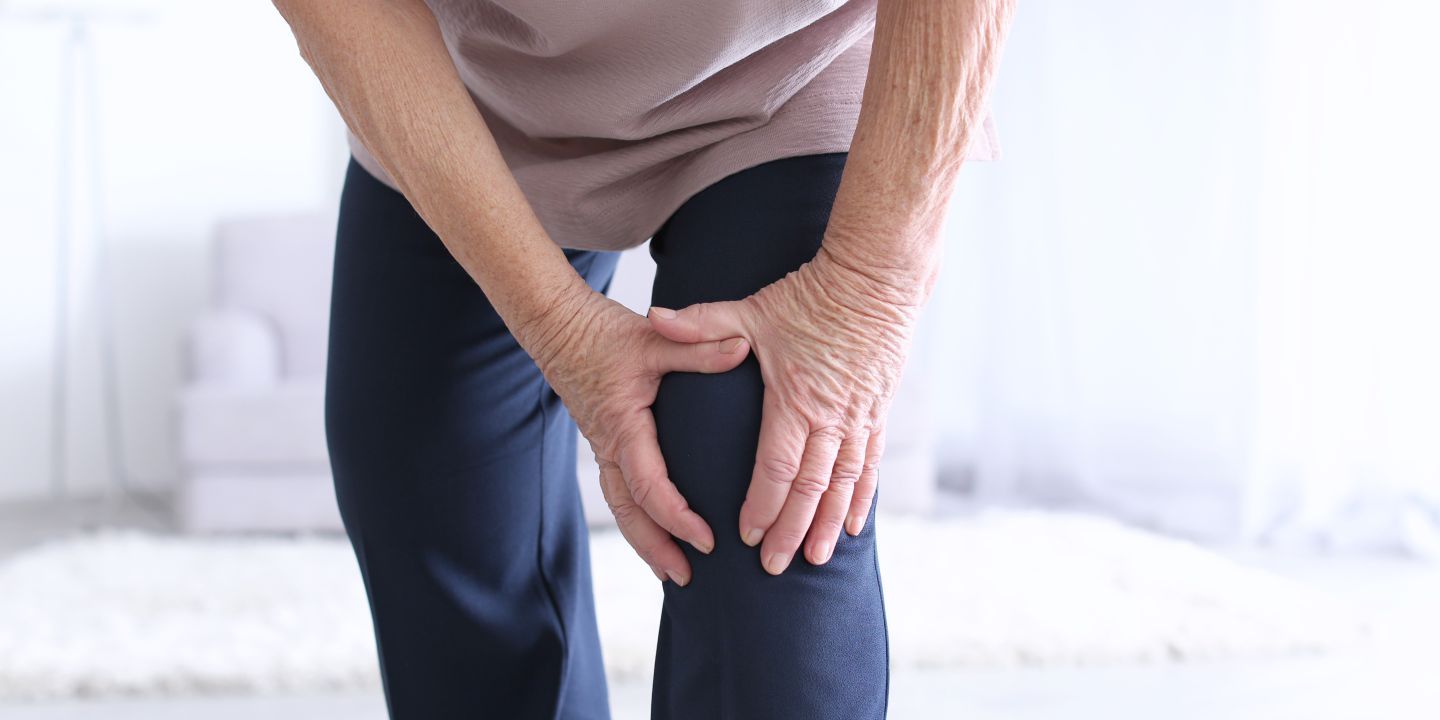
The menisci are semilunar plates of fibrocartilage which serve to cushion and support the knee joint. They support half of the total body weight evenly distributed across the tibia, improve the fit of the femur and tibia, and function in shock absorption during joint movement. The medial meniscus is semilunar in appearance and is located anteriorly inside the knee joint. It is approximately half a semicircle in shape and covers about half of the medial side of a joint.
The medial meniscus is strongly attached to the medial condyle of the femur and the medial tibial plateau. The medial meniscus is innervated by small blood vessels and nerve endings derived from the femoral, obturator, and posterior tibial nerves and functions not only in joint stability but also in pressure and movement sensations.
Medial Meniscus Tear: Symptoms & Treatment
The menisci are half-moon-shaped pads of tough fibrocartilage which serve to cushion and support the knee joint. They assist in distributing equally the weight of the body on each side of the tibia, improve the fit of the femur to the tibia, and function importantly in shock absorption during movement. The medial meniscus is located on the medial side of the knee joint and is nearly semilunar in shape, covering approximately half of the medial part of the joint. Fixed strongly in place between the medial femoral condyle and the medial part of the tibial plateau, it adds support to this part of the knee joint. Terminally supplied by small vessels and nerve endings on both femoral, obturator, and posterior tibial nerves, the medial meniscus not only adds support to joints but also assists in pressure change and movement.
What Is a Medial Meniscus Tear?
A medial meniscus tear develops when the fibrocartilage in the knee joint gets injured because of sudden twisting or overuse. Injuries to the meniscus are among the most common reasons for people complaining of pain in the knee joint, especially when they are athletic or elderly. Although high-contact activities or sports can cause such tears, they can also be due to wear and tear.
The degree of damage and the nature of the tear may depend on the location of the tear. While in some situations meniscal tears can be partial, in others they can be split or detached from the capsule.
Kinds of Medial Meniscus Tears
The pattern of tears will affect how the knee will work and how well it can be repaired. Tearduct surgeons and doctors have classified different tears according to their pattern. They include
What Can Cause a Medial Meniscus Tear?
A meniscus injury can affect anyone, but certain factors will predispose a patient to this problem.
- Sudden twisting or pivoting turns: Sudden changes in direction, such as in football and basketball, can be stressful for the knee joint.
- Deep squatting or heavy lifting: Extreme pressure impact affects the meniscus.
- Age-associated degeneration: With time, the meniscus begins to lose elasticity and become frayed.
- Trauma/accidents: A direct impact to the knee from a fall or an accident can bring about acute tears.
- Obesity: Obesity causes excess weight that puts extra pressure on the knee joint, which accelerates wear and tear on the knee.
Understanding the Symptoms
The symptoms of a medial meniscus injury can vary in intensity from pain to complete inability to move. Some common symptoms include:
Although such symptoms may be common in other knee conditions, they can indicate a problem with knee structure.
Diagnosis
Accurate identification of the problem is essential for developing a treatment plan. Orthopaedic specialists employ various approaches to determine the location and extent of a tendon tear.
- Physical Exam: Manual manipulation of the leg can help identify tenderness and instability. Physical examinations include McMurray tests and Thessaly tests.
- MRI scan: A magnetic resonance imaging (MRI) scan provides a clear view of soft tissues and enables visualisation of tear patterns.
- X-rays: While a meniscus will not show up on X-rays, they can be used to eliminate fractures or degenerative arthritis of the bone.
- Arthroscopy: In a few situations, a minimally invasive surgical technique will allow direct visualisation of the joint interior.
Non-Surgical Treatment Methods
In less severe tears or those resulting from gradual wear, non-surgical treatment can sometimes be very effective. Here, treatment aims to alleviate pain, reduce pain and inflammation, and increase mobility.
- Rest and immobilisation: Activity reduction and joint immobilisation with a brace can help prevent further aggravation.
- Ice therapy: Applying ice in 20-minute intervals can help control swelling.
- Compression: An elastic bandage helps prevent fluid accumulation by securing the joint.
- Elevation: The leg can be kept elevated to reduce swelling.
- Physiotherapy: Exercises for strengthening and stretching assist in achieving balance.
- Medications: Non-steroidal anti-inflammatory drugs such as ibuprofen can be used to treat pain
Consistent physical therapy consultation and physiotherapy sessions are important in conservative treatment. Quadriceps and hamstring strengthening will improve the stability and flexibility of the knee.
Surgical Treatment
When non-surgical options do not work or in the case of a serious tear, a surgical option might be recommended. Such a procedure is based on a variety of factors.
Arthroscopic repair
In this minimally invasive procedure, the edges are sewn together to promote natural healing. This procedure is most suitable for a peripheral tear with a good blood supply.
Partial Meniscus
In situations where repair is not feasible, the damaged part of the meniscus will have to be trimmed and excised, leaving behind as much normal tissue as possible.
Total Menisce
In most cases, a complete meniscus removal is performed if the damage is widespread, though not very common nowadays because early onset of arthritis can occur.
Meniscus Transplantation
In younger patients with total meniscus deficiency, transplanting donor cartilage can help restore function.
Post-Surgery Recovery
The time required for recovery of the medial meniscus tear varies with the treatment and the individual's capacity. Usually:
- Initial stage of recovery (0–2 weeks): Resting, application of ice, and staying inactive
- Intermediate phase (weeks 2-6): Gradual physiotherapy to aid mobility
- Strengthening phase (weeks 6–12): Exercise to regain strength and coordination
- Return to activity (3–6 months): Patients may resume normal activities
Following the rehabilitation program is vital to avoid stiffness, regain a full range of motion, and prevent recurrence of the injury.
Preventive Care & Lifestyle Management
To prevent meniscal tears, it is important to maintain a strong and flexible knee joint. Warm up before recreational activities. To avoid knee strain, maintain a healthy weight. Strengthening thigh and calf muscles to support joint alignment. No sudden twisting and turning. Wear well-cushioned footwear during high-impact exercises.
Importance of Health Insurance in Handling Knee Injuries
Treatment for a torn meniscus in a male can sometimes prove to be very expensive, especially if surgical procedures or rehabilitation therapy are considered. A good health insurance plan will protect an individual from such unexpected expenses by covering tests, hospitalisation, physiotherapy, and post-operative care.
With Niva Bupa, NRIs can benefit from a range of NRI health insurance plans designed to facilitate both planned and emergency medical interventions in India. Such policies sometimes cover treatment for orthopaedic conditions, such as meniscal tears, providing timely comfort and relief to people in need.
When to See a Doctor
Knee pain, swelling, or a lock in the knee joint should never be ignored. In case the symptoms affect movement in any way or do not respond torest and simple care, it is important to see a professional.
Conclusion
A medial meniscus tear can greatly impact one’s mobility and comfort, but with early treatment and attention, a complete recovery can be obtained. To cope with such an injury, one needs not only medical advice but modifications in one’s lifestyle, which may include surgery in some cases. Taking preventive steps towards maintaining healthy knees and ensuring proper health coverage will greatly benefit a patient in the years to come.
FAQs
How long does it take to recover from a medial meniscus tear?
Recovery can take between six weeks and six months, depending on the severity of the tear and treatment method. Following physiotherapy routines and medical advice helps speed up the healing process.
Can a medial meniscus tear heal without surgery?
Minor tears, particularly those on the outer edge with good blood supply, often heal with rest and physiotherapy. Deep or complex tears generally require surgical intervention for lasting relief.
What activities should be avoided after a meniscus injury?
Running, jumping, squatting, or twisting should be avoided during recovery. These activities increase joint pressure and can delay healing or cause reinjury.
Is a medial meniscus tear common among older adults?
Yes. Age-related wear weakens cartilage, making older adults more prone to degenerative meniscal tears even during low-intensity movements.
Does health insurance cover meniscus surgery?
Most comprehensive health insurance plans cover arthroscopic meniscus repair and related hospitalisation costs. It’s best to confirm coverage specifics with your insurer before undergoing treatment.
Get right coverage, right premium and the right protection instantly.
 By clicking, I agree to Niva Bupa
 You may also like

Popular Searches
Health Insurance - Health Insurance | Best Family Health Insurance | Best Health Insurance For Senior Citizens In India | Health Insurance With Opd Cover | Mediclaim Insurance | Critical Illness Insurance | Personal Accident Insurance | Mediclaim Policy | Individual Health Insurance | Maternity Insurance | Best Health Insurance company | NRI Health Insurance
Health Insurance Schemes - PMMVY Login | PMJJBY Policy Status | Swasthya Sathi Card | PMSBY | PMJJBY | Ayushman Card | PMMVY 2.0 | Ayushman Vay Vandana Card | PMMVY NIC IN रजिस्ट्रेशन | PMMVY 2.0 लॉगिन
Travel Insurance Plans - Travel Insurance | International Travel Insurance | Student Travel Insurance | Travel Insurance USA | Travel Insurance Canada | Travel Insurance Thailand | Travel Insurance Germany | Travel Insurance Dubai | Travel Insurance Bali | Travel Insurance Australia | Travel Insurance Schengen | Travel Insurance Singapore | Travel Insurance UK | Travel Insurance Vietnam | Travel Insurance Japan | Travel Insurance Spain | Travel Insurance Asia | Travel Insurance Netherlands | Travel Insurance Turkey | Travel Insurance Ireland | Travel Insurance Phillipines | Travel Insurace Italy | Travel Insurance France | Travel Insurance China | Travel Insurance Georgia | Travel Insurance South Africa | Travel Insurance Maldives | Travel Insurance Portugal | Travel Insurance Malaysia | Travel Insurance Qatar | Travel Insurance Poland | Travel Insurance Greece | Travel Insurance New zealand | Travel Insurance Saudi Arabia | Travel Insurance Sri Lanka
Become an Agent - Insurance Agent | IRDA Certificate Download | IRDA Exam Syllabus | IRDA exam fee | Paise Kaise Kamaye | Ghar Baithe Paise Kaise Kamaye
Top Hospitals - Best Hospitals in Gurgaon
Others - Ayushman Bharat | Gst Refund for NRI on Health Insurance Premium
Health & Wellness - शिलाजीत के फायदे हिंदी | Weight Gain Diet in Hindi | Sat Isabgol Uses In Hindi | Aloe Vera Juice Benefits in Hindi | Dragon Fruit Benefits in Hindi | Akal Daad in Hindi | Acidity Home Remedies in Hindi | Nikat Drishti Dosh in Hindi | Yoga Benefits in Hindi | Laung Khane ke Fayde in Hindi | Leukoplakia in Hindi | Protien in 100g Paneer | Benefits of Rice Water For Skin | B12 Deficiency Symptoms in Hindi | Fibre Foods in Hindi | Chronic Disease Meaning in Hindi | Vitamin D Foods in Hindi | Blood Urea in Hindi | Beetroot Uses Good for Health
Calculator - BMI Calculator | Pregnancy Calculator | Pregnancy Calendar Based on Conception Date | Pregnancy Conception Date Calculator | Last Menstrual Period Calculator | BMR Calculator | GFR Calculator | Ovulation Calculator



www.nivabupa.com

+91 11 30902010

1860-500-8888

CIN: L66000DL2008PLC182918
IRDAI Registration No. 145

Corporate Office: 3rd Floor, Capital Cyberscape, Sector 59, Gurgaon
Registered Office: C-98, First Floor, Lajpat Nagar, Part 1, Delhi-110024, India


