

Understanding Jaundice: A Complete Diet Chart for Recovery
22 October, 2025
2 Shares
580 Reads
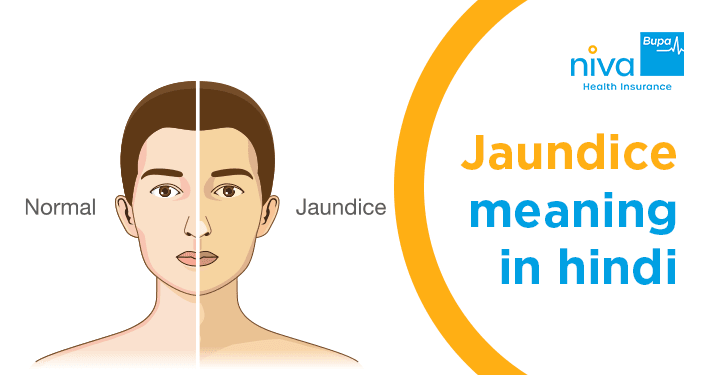
When you or a loved one is diagnosed with jaundice, one of the most visible signs is a yellowish tint to the skin and eyes. This can be alarming, and it's a clear signal from your body that your liver, one of its hardest-working organs, is under stress and needs help. While medical treatment is absolutely essential, there is another incredibly powerful tool at your disposal for recovery: your diet.
The food you eat during this time can either burden your struggling liver or provide it with the gentle, healing support it needs to get back on its feet.
But what does a liver-friendly diet look like? Which foods should you welcome, and which should you avoid at all costs? This guide is here to be your simple, clear roadmap. We will break down everything you need to know and provide a helpful sample jaundice diet chart to get you started on the path to a faster, healthier recovery.
What is Jaundice?
Before we dive into the food, it’s important to understand what jaundice is. Jaundice itself is not a disease, but rather a symptom of an underlying medical problem.
Your body is constantly making new red blood cells and breaking down old ones. When old red blood cells are broken down, they produce a yellow substance called bilirubin.
Under normal circumstances, your liver acts like a super-efficient processing plant. It collects this bilirubin from your blood, processes it, and sends it out of the body as waste.
When you have jaundice, it means this system has a problem. The liver is either inflamed, damaged, or the tubes leading from it are blocked. As a result, it can’t process bilirubin properly. The bilirubin then builds up in your bloodstream, and this excess yellow substance is what gives your skin and eyes that distinctive yellowish colour.
Why Your Diet is Your Best Friend During Jaundice Recovery
When your liver is inflamed or struggling, it's like a worker who has been on their feet for 24 hours straight. The primary goal of a jaundice diet is to give your liver that much-needed holiday.
A well-planned diet during jaundice helps to:
- Reduce the Liver's Workload: By providing foods that are easy to digest, you are not forcing your liver to work hard to process them.
- Provide Essential Nutrients for Healing: The right foods supply the vitamins, minerals, and antioxidants your body needs to fight the underlying illness and help repair damaged liver cells.
- Prevent Further Damage: Avoiding harmful foods protects your liver from additional stress and toxins, allowing it to heal faster.
- Boost Hydration: Staying well-hydrated is crucial for flushing out toxins like excess bilirubin from your system.
What You Should Eat During Jaundice?
Let's focus on the good stuff first! These are the foods that are gentle on your liver and packed with healing goodness.
Water and Fluids
Water is your number one priority. Aim to drink at least 8-10 glasses of water a day. This helps your kidneys to flush out toxins and excess bilirubin effectively.
Best Choices
Plain water, coconut water (rich in electrolytes), clear vegetable soups, and herbal teas (like chamomile).
Fruits and Vegetables
These are packed with antioxidants and fibre, which are fantastic for liver health. Antioxidants help protect liver cells from damage, while fibre aids in digestion.
Best Choices
- Fruits: Papaya, berries, melons, grapes, and citrus fruits like oranges and lemons. These are easy to digest and full of Vitamin C.
- Vegetables: Go for easily digestible vegetables, preferably boiled or steamed. Carrots, beetroots, pumpkins, sweet potatoes, and leafy greens are all excellent choices.
Easy-to-Digest Carbohydrates
Your body needs energy to heal, and carbohydrates are its primary fuel source. The key is to choose carbs that are simple and don't require much effort from your liver to process.
Best Choices
Plain boiled rice, rice porridge (khichdi), oatmeal (dalia), and boiled potatoes. These provide steady energy without stressing your digestive system.
Lean Proteins
Protein is essential for repairing and rebuilding damaged tissues, including your liver cells. However, you should stick to lean, plant-based sources that are easier to digest.
Best Choices
Lentils (especially moong dal), legumes, beans, and tofu. If advised by your doctor later in the recovery phase, small amounts of skinless chicken or fish can be introduced.
Healing Drinks and Teas
Certain traditional drinks are known to be beneficial during jaundice recovery.
Best Choices
- Sugarcane Juice: This is a popular traditional remedy. It is believed to help strengthen the liver and aid in its proper functioning. A fresh glass daily can be helpful.
- Barley Water: A simple drink made by boiling barley in water, it acts as a diuretic, helping to flush out toxins.
What You Should Not Eat During Jaundice?
This part is just as important as what you eat. Avoiding these foods takes a huge load off your liver, allowing it to focus on healing.
Fats and Fried Foods
Fats are the hardest things for a compromised liver to process. Fried foods are an absolute no-go. You should avoid samosas, pakoras, French fries, oily curries, and anything deep-fried.
Processed and Packaged Foods
These are often loaded with preservatives, high levels of salt, and unhealthy fats, all of which are toxins your liver has to work hard to filter out. You should avoid crisps, biscuits, packaged sauces, frozen meals, and fast food.
Refined Sugars and Sweets
Sugary items can contribute to fat build-up in the liver and put extra stress on it. You should avoid sugary fizzy drinks, packaged fruit juices (stick to fresh), sweets, cakes, and pastries.
Alcohol
This is non-negotiable. Alcohol is directly toxic to the liver. Consuming alcohol when you have jaundice can cause severe, long-term damage and completely halt your recovery.
Saturated Fats and Red Meat
These are heavy and difficult for the body to digest, putting unnecessary strain on the liver. You should avoid butter, ghee (in large amounts), cream, and red meat.
Putting It All Together: A Sample Jaundice Diet Chart
To make things easier, here is a simple, one-day sample menu. Remember, this is a general guide. It is always best to consult with your doctor or a nutritionist to create a personalised jaundice diet chart that suits your specific condition.
This kind of jaundice diet chart focuses on hydration, easily digestible foods, and gentle nutrition to support your body's healing process.
Final Thoughts
Recovering from jaundice is a journey that requires patience, proper medical care, and a mindful approach to your diet. The food you choose is not just sustenance; it’s medicine that can significantly speed up your healing process.
While you focus on this crucial recovery journey, financial stress should be the last thing on your mind. A health issue like jaundice can involve doctor's consultations, diagnostic tests, and sometimes even hospitalisation, leading to significant out-of-pocket expenses. This is where a health insurance plan becomes your essential safety net. At Niva Bupa, we are committed to being your trusted health partner. With a firm commitment to seamless claim processing and a consistently high Claim Settlement Ratio (CSR), we ensure that you can access the best medical care without worrying about the bills. Secure your family's future and well-being with a partner that puts your health first.
People Also Ask
1. How long should I follow the jaundice diet?
You should follow this strict, liver-friendly diet for as long as your doctor advises. Typically, you’ll need to stick to it until your bilirubin levels return to normal and your other symptoms have resolved. Your doctor will monitor your progress with blood tests and will let you know when it’s safe to slowly start reintroducing other foods.
2. Can I drink milk or have dairy products during jaundice?
In the initial stages of jaundice, it's often best to avoid or limit milk and other dairy products like cheese and paneer. They can be difficult to digest for a struggling liver due to their fat content. Once you are well into your recovery, you can ask your doctor about reintroducing low-fat dairy options like skimmed milk or plain yoghurt in small quantities.
3. Why is sugarcane juice specifically recommended?
Sugarcane juice is a traditional remedy often recommended for jaundice because it is believed to help strengthen the liver. It's easily digestible, provides instant energy to a body weakened by illness, and helps maintain healthy glucose levels.
4. When can I start eating normal food again after jaundice?
The transition back to a normal diet should be slow and gradual, and only done after you get the green light from your doctor. Start by introducing foods one at a time. You might begin by adding slightly more variety of vegetables and proteins, and then slowly incorporate small amounts of healthy fats.
Get right coverage, right premium and the right protection instantly.
 By clicking, I agree to Niva Bupa
 You may also like

Health Insurance - Health Insurance | Best Family Health Insurance | Best Health Insurance For Senior Citizens In India | Health Insurance With Opd Cover | Mediclaim Insurance | Critical Illness Insurance | Personal Accident Insurance | Mediclaim Policy | Individual Health Insurance | Maternity Insurance | Best Health Insurance company | NRI Health Insurance
Health Insurance Schemes - PMMVY Login | PMJJBY Policy Status | Swasthya Sathi Card | PMSBY | PMJJBY | Ayushman Card | PMMVY 2.0 | Ayushman Vay Vandana Card | PMMVY NIC IN रजिस्ट्रेशन | PMMVY 2.0 लॉगिन
Travel Insurance Plans - Travel Insurance | International Travel Insurance | Student Travel Insurance | Travel Insurance USA | Travel Insurance Canada | Travel Insurance Thailand | Travel Insurance Germany | Travel Insurance Dubai | Travel Insurance Bali | Travel Insurance Australia | Travel Insurance Schengen | Travel Insurance Singapore | Travel Insurance UK | Travel Insurance Vietnam | Travel Insurance Japan | Travel Insurance Spain | Travel Insurance Asia | Travel Insurance Netherlands | Travel Insurance Turkey | Travel Insurance Ireland | Travel Insurance Philippines | Travel Insurance Italy | Travel Insurance France | Travel Insurance China | Travel Insurance Georgia | Travel Insurance South Africa | Travel Insurance Maldives | Travel Insurance Portugal | Travel Insurance Malaysia | Travel Insurance Qatar | Travel Insurance Poland | Travel Insurance Greece | Travel Insurance New zealand | Travel Insurance Saudi Arabia | Travel Insurance Sri Lanka
Become an Agent - Insurance Agent
Top Hospitals - Best Hospitals in Gurgaon
Others - Ayushman Bharat | Gst Refund for NRI on Health Insurance Premium
Health & Wellness - शिलाजीत के फायदे हिंदी | Weight Gain Diet in Hindi | Sat Isabgol Uses In Hindi | Aloe Vera Juice Benefits in Hindi | Dragon Fruit Benefits in Hindi | Akal Daad in Hindi | Acidity Home Remedies in Hindi | Nikat Drishti Dosh in Hindi | Yoga Benefits in Hindi | Laung Khane ke Fayde in Hindi | Leukoplakia in Hindi | Protein in 100g Paneer | Benefits of Rice Water For Skin | B12 Deficiency Symptoms in Hindi | Fibre Foods in Hindi | Chronic Disease Meaning in Hindi | Vitamin D Foods in Hindi | Blood Urea in Hindi | Beetroot Uses Good for Health
Calculator - BMI Calculator | Pregnancy Calculator | Pregnancy Calendar Based on Conception Date | Pregnancy Conception Date Calculator | Last Menstrual Period Calculator | BMR Calculator | GFR Calculator | Ovulation Calculator



www.nivabupa.com

+91 11 30902010

1860-500-8888

CIN: L66000DL2008PLC182918
IRDAI Registration No. 145

Corporate Office: 3rd Floor, Capital Cyberscape, Sector 59, Gurgaon
Registered Office: C-98, First Floor, Lajpat Nagar, Part 1, Delhi-110024, India


