

Understanding Knee Replacement Surgery and Recovery
13 March, 2026
7 Shares
305 Reads
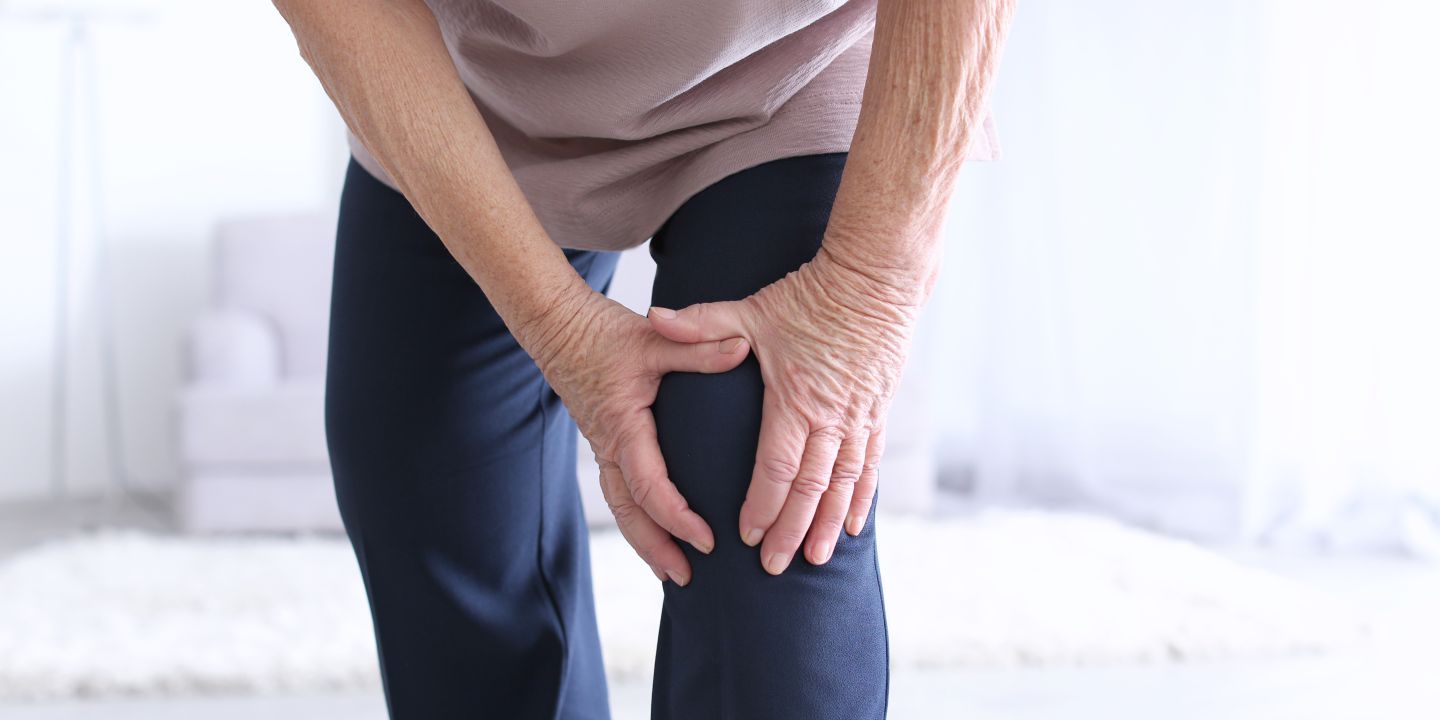
The human knee is a charity of biological design, a complicated hinge joint that takes all the workload of our daily tasks, both walking and using stairs and the more taxing ones on our bodies as we engage in the activities of our sports. But the resulting bone-on-bone friction may cause debilitating pain and the loss of movement at a high level of mobility when the protective cartilage that cushions this joint is lost through arthritis or injury. For many, knee replacement surgery, clinically known as total knee arthroplasty, offers a transformative solution, restoring function and allowing patients to reclaim an active lifestyle.
Instructions: The Surgical Procedure
The surgical procedure of knee replacement starts with the administration of anaesthesia, which may be general (where one is asleep) or spinal (numbs the lower half of the body). After stabilising the patient, the surgeon incises him in front of the knee, where the joint can be accessed. The kneecap (patella) is tenderly lifted aside to expose the damaged extremities of the tibia and the femur. It is done cautiously in the first phase in order to maintain the integrity of the surrounding ligaments and tendons.
Bone & Cartilage Removal
The other step in the surgical procedure of knee replacement consists of a careful eradication of the degenerated bone and cartilage. The surgeon is able to remove a few millimetres of the bone surface using special tools or those that are operated by robots. This provides a stable base for the prosthetic parts. A metallic alloy such as cobalt-chromium is used to produce the femoral component, which is implanted on the end of the thigh bone. The tibia, which is represented by a metal tray, and a flexible plastic spacer are placed on the top of the shin bone. These are normally cemented with special bone cement, but cementless products, where the bone is allowed to develop into the implant, are also prevalent.
Tracking of the knee
After the main parts have been attached, the surgeon evaluates the tracking of the knee. This is the process of rolling the leg around its entire joint motion, making certain that the new joint is in place and that the kneecap slides correctly in its groove. The underside of the patella is also resurfaced with plastic buttons in case of necessity. Such careful working out of the soft tissues- the ligaments that give stability- is probably the most important section of the surgery, as it dictates the degree to which a knee would feel natural, during the lightning stage of the activity.
The incision is sutured or stapled up, and a sterile bandage is slapped on the incision after the elements have been confirmed. The whole process normally takes an average of 60 to 90 minutes. In contemporary surgery, the use of long-acting local anaesthetics is a common practice that is commonly used as multimodal analgesia or injected directly into the joint space. This helps much in alleviating post-operative pain, and even some patients are able to walk or stand a few hours after they leave the operating room.
The Initial Recovery Phase
The first few days following a knee replacement are focused on pain management and early mobilisation. Although the idea of giving a new joint a workout seems to be an opposing concept, the approach called early ambulation is the key to a successful recovery. Walking will arrest the presence of blood clots (deep vein thrombosis) and decrease the stiffness which may develop in the case when the joint becomes immobile. The physical therapists will also collaborate with the patient in order to perform simple exercises like the ankle pumps and leg lifts in order to promote circulation and muscle movement.
The length of hospital stays has decreased drastically over the past years, and today most patients are going home after one or two days. The key to it during this transition is keeping the expectations under control. Bruising and swellings are all perfectly natural and may continue to affect the body for a few weeks. To ensure that the pain is maintained at a manageable level, patients are usually prescribed a set of painkillers, which includes anti-inflammatories and a nerve block. Cryotherapy (ice therapy) is also commonly applied as a method of managing inflammation and as a natural form of numbing technique to the surgical area.
At the homes, the setting should be changed to be safe. Eliminating loose carpets, grab bars in the bathroom, and a raised toilet seat can be used to avoid falls during the initial weeks when balance could be somewhat impaired. The site of incision should be kept clean and dry as well. Waterproof dressings are allowed by most surgeons, so that the wound can be lightly showered, but it is forbidden to soak the wound in the tub or the pool until the incision is completely healed and all the staples or sutures have been taken out.
The initial aim in the first two to three weeks is to attain a functional range of motion, i.e. the capability to straighten the knee to the maximum length (extension) and bend the knee to at least 90 degrees (flexion). Full extension is especially crucial, since any form of lag in the knee will cause a limp and result in more pressure on the lower back. Adherence to the house exercise programme given by the physical therapist is not a bargain during this stage because the time schedule of getting back to a normal state of flexing is greatest during the first days after the surgery.
Physical Therapy and Long-Term Rehabilitation
When the initial surgical pain is over, the next consideration is the strengthening of the muscles that support the knee, which are mainly the quadriceps muscles and hamstring muscles. The physical therapy often lasts several months, and it turns into progressively complex balance and functional training. These muscles are needed to provide stability to the new knee; therefore, it is necessary to have an exercise programme that would guarantee the durability of the implant and avoid future damage.
In the middle phase of rehabilitation (6-12 weeks), the patients may start using a walker or crutches, but with time, the walker is replaced with a cane, and finally, walking on their own. It is at this stage that lots of individuals start getting to recognise the real advantages of the surgery. Activities such as driving are typically able to be resumed when the patient does not take narcotic pain medication and also has had sufficient reaction time as well as strength in the affected leg of the operation, typically at the six-week mark of the right leg and sooner with the left.
One should bear in mind that the full process of healing should be a marathon and not a sprint. On the one hand, the majority of patients resume their daily activities within three months, and the internal tissue healing and the regeneration of the bone in and around the implant can take place. It is also usual to have some incidental clicks or clunks of the metal and plastic parts in the course of this period; these are generally not harmful and are caused by the mechanical quality of the joint. Low-impact exercises like swimming, cycling or walking on smooth surfaces are also highly encouraged to keep the cardiovascular system healthy, but not to overwork the prosthesis.
The long-term stage is regarding the rebuilding of confidence psychologically. Many patients have acquired the tendency to make guarded movements after years of compensating for a painful knee. Physical therapy provides a means of retraining the brain and the body to act in a natural way once more. Success is also measured by the fact that it is not only the absence of pain but also the fact that one can enjoy the milestones of life, such as travelling, playing with grandchildren, and just taking a stroll in the park, without having to strategise on how to reach the correct locations due to the existence of benches.
Conclusion
A knee replacement is more than just a surgical procedure; it is a profound opportunity to reset the clock on joint health. The surgery allows the replacement of the damaged surfaces with a high-performance prosthetic to cope with the cause of the chronic pain and the basis of any active and valuable life. Although it takes hard work, patience and spiritual determination to get off the operating table to full recovery, it has been witnessed that the vast majority of patients say that they have not only improved their quality of life to a greater degree, but they also have developed a renewed sense of self-sufficiency.
The quality of the support system around the patient usually forms the basis of the success of such a procedure. This is both the surgical staff and the physical therapists, as well as the financial stability that enables the ability to be able to focus on healing. Niva Bupa NRI Health Insurance is an invaluable companion in this adventure, providing special coverage that meets the exclusive needs of the Indian community that spread throughout the world. Niva Bupa (best health insurance provider in india) will help the families to concentrate on what is really important to them, a successful recovery and getting back to the activities that they enjoy, by making sure that there are no financial impediments that can hinder access to the best orthopaedic specialists and rehabilitation centres in India. Through proper treatment and proper insurance, a new knee can really spell out a new lease on life.
FAQs
1. Can life be normal after knee replacement?
Life following surgery is not only normal but much better than years spent with painful joints that were previously experienced by the vast majority of patients. Most activities that have little impact, such as walking, swimming, and biking, will become much easier. Although most high-impact sports, such as long-distance running or contact sports, tend to be discouraged to avoid premature wear of the implant, most individuals report being able to move in their daily life, travel, and recreational hobbies without the debilitating limits they used to have before.
2. How long is the recovery after knee replacement?
Recovery is a process that takes different periods in different persons, regardless majority of patients can resume their normal daily routine and drive within four to six weeks. The first phase of physical therapy is typically intensive and is usually three months long, during which the majority of individuals experience a significant recovery of their strength and mobility. Nevertheless, it may take up to a year to be fully healed, not only in terms of the internal tissues, but also in the sense of the disappearance of all minor swellings. The adherence to exercises prescribed throughout the entire period is the most important indicator of the most successful long-term yield.
3. Is knee replacement a serious operation?
Although it is regarded as one of the most significant surgeries where bones are resurfaced and artificial components are implanted, it is also a procedure that is the most popular and successful orthopaedic surgery worldwide today. Like any of the major operations, surgical practise has its risks, such as infection or blood clots, but due to modern methodologies of surgery and post-surgical practises, this operation has become all the safer. Surgeons take a great deal of precautions, such as anaesthesia using special techniques and using sophisticated sterilisation techniques, to ensure that they have prevented complications, and no problem arises with transitioning the operating room to rehabilitation.
4. What is the newest procedure for knee replacement?
The latest advancements in the field focus on "robotic-assisted" knee replacement and personalised surgical mapping. These types of operations are performed by 3D imaging to construct an online version of your particular anatomy, which the surgeon can map the bone cuts and, even more precisely, where to place the implant with sub-millimetre accuracy. There is also an increase in outpatient surgery or a fast-track surgery where pain management is improved, and the use of minimally invasive surgery is facilitating some patients to go home the same day as surgery is conducted.
Get right coverage, right premium and the right protection instantly.
 By clicking, I agree to Niva Bupa
 You may also like

Health Insurance - Health Insurance | Best Family Health Insurance | Best Health Insurance For Senior Citizens In India | Health Insurance With Opd Cover | Mediclaim Insurance | Critical Illness Insurance | Personal Accident Insurance | Mediclaim Policy | Individual Health Insurance | Maternity Insurance | Best Health Insurance company | NRI Health Insurance
Health Insurance Schemes - PMMVY Login | PMJJBY Policy Status | Swasthya Sathi Card | PMSBY | PMJJBY | Ayushman Card | PMMVY 2.0 | Ayushman Vay Vandana Card | PMMVY NIC IN रजिस्ट्रेशन | PMMVY 2.0 लॉगिन
Travel Insurance Plans - Travel Insurance | International Travel Insurance | Student Travel Insurance | Travel Insurance USA | Travel Insurance Canada | Travel Insurance Thailand | Travel Insurance Germany | Travel Insurance Dubai | Travel Insurance Bali | Travel Insurance Australia | Travel Insurance Schengen | Travel Insurance Singapore | Travel Insurance UK | Travel Insurance Vietnam | Travel Insurance Japan | Travel Insurance Spain | Travel Insurance Asia | Travel Insurance Netherlands | Travel Insurance Turkey | Travel Insurance Ireland | Travel Insurance Philippines | Travel Insurance Italy | Travel Insurance France | Travel Insurance China | Travel Insurance Georgia | Travel Insurance South Africa | Travel Insurance Maldives | Travel Insurance Portugal | Travel Insurance Malaysia | Travel Insurance Qatar | Travel Insurance Poland | Travel Insurance Greece | Travel Insurance New zealand | Travel Insurance Saudi Arabia | Travel Insurance Sri Lanka
Become an Agent - Insurance Agent
Top Hospitals - Best Hospitals in Gurgaon
Others - Ayushman Bharat | Gst Refund for NRI on Health Insurance Premium
Health & Wellness - शिलाजीत के फायदे हिंदी | Weight Gain Diet in Hindi | Sat Isabgol Uses In Hindi | Aloe Vera Juice Benefits in Hindi | Dragon Fruit Benefits in Hindi | Akal Daad in Hindi | Acidity Home Remedies in Hindi | Nikat Drishti Dosh in Hindi | Yoga Benefits in Hindi | Laung Khane ke Fayde in Hindi | Leukoplakia in Hindi | Protein in 100g Paneer | Benefits of Rice Water For Skin | B12 Deficiency Symptoms in Hindi | Fibre Foods in Hindi | Chronic Disease Meaning in Hindi | Vitamin D Foods in Hindi | Blood Urea in Hindi | Beetroot Uses Good for Health
Calculator - BMI Calculator | Pregnancy Calculator | Pregnancy Calendar Based on Conception Date | Pregnancy Conception Date Calculator | Last Menstrual Period Calculator | BMR Calculator | GFR Calculator | Ovulation Calculator



www.nivabupa.com

+91 11 30902010

1860-500-8888

CIN: L66000DL2008PLC182918
IRDAI Registration No. 145

Corporate Office: 3rd Floor, Capital Cyberscape, Sector 59, Gurgaon
Registered Office: C-98, First Floor, Lajpat Nagar, Part 1, Delhi-110024, India


