

Kwashiorkor Disease: Causes, Symptoms, and Treatment Options
10 March, 2026
7 Shares
278 Reads
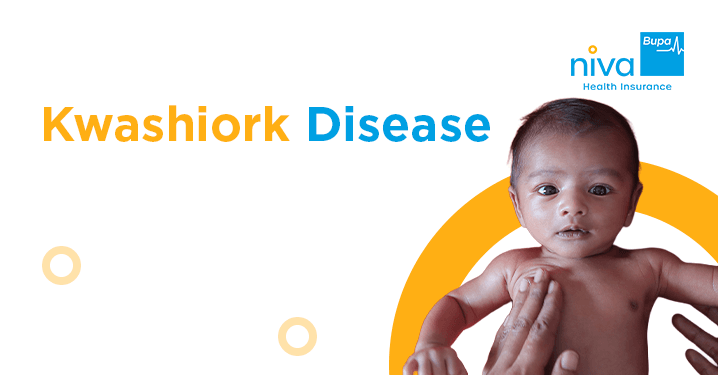
Protein deficiency remains a serious nutritional concern for children living in vulnerable communities. When the body does not receive enough protein, it may lead to a condition called kwashiorkor disease. It occurs when the diet provides adequate calories but lacks essential proteins needed for tissue repair and normal body functions. The disease develops gradually and can affect physical appearance, energy levels, and resistance to infections. In this blog, we learn what kwashiorkor disease is, its causes, symptoms, and treatment options to help readers understand its impact and the importance of early nutritional support.
What is a Kwashiorkor Disease?
Kwashiorkor disease is a severe form of protein malnutrition that mainly affects young children, especially in areas where food insecurity and poor diet are common. It develops when the body receives enough calories from foods like rice or maize but lacks adequate protein needed for growth, repair, and immune support. Over time, this imbalance disrupts normal body functions and leads to visible health changes.
Most of the people got confused between kwashiorkor and marasmus. Key differences are as follows:
- Primary cause: Kwashiorkor results from severe protein deficiency despite adequate calorie intake, while marasmus occurs due to an overall deficiency of calories, including proteins, fats, and carbohydrates.
- Body appearance: Children with kwashiorkor often appear swollen, especially in the face, legs, and abdomen. In marasmus, the body looks extremely thin with visible bones and severe muscle wasting.
- Oedema presence: Oedema or fluid retention is a hallmark of kwashiorkor, whereas marasmus does not usually cause swelling.
- Skin and hair changes: Kwashiorkor may cause skin discolouration, peeling, and brittle or discoloured hair. In marasmus, the skin appears dry and loose, with less noticeable hair changes.
- Energy levels: Children with kwashiorkor may seem lethargic and weak. Those with marasmus often appear alert but lack physical strength due to extreme weight loss.
- Fat stores: Kwashiorkor retains some fat due to calorie intake, while marasmus leads to complete depletion of fat stores.
- Onset and progression: Kwashiorkor develops gradually after weaning when protein intake drops. Marasmus usually develops slowly due to prolonged starvation.
- Risk to immunity: Both weaken immunity, but kwashiorkor more severely disrupts immune function due to protein deficiency.
Without timely nutritional intervention, this disease can impact physical development and overall health, making early recognition and treatment essential.
Causes of Kwashiorkor Disease
Several dietary, social, and health-related factors contribute to the development of this condition. The main causes are as follows:
Lack of Protein Intake
A high-carbohydrate diet but low in protein is the main cause of kwashiorkor disease. Children may eat enough food to feel full, yet miss essential proteins needed for muscle growth. Over time, this imbalance leads to swelling, weakness, and poor immunity.
Lack of Nutritional Knowledge
Limited understanding of balanced nutrition increases the risk of kwashiorkor disease. Caregivers may not know the importance of protein-rich foods during early childhood and after weaning. As a result, children receive filling meals that lack essential nutrients, leading to protein deficiency.
Limited Food Supply
Families with restricted access to varied foods often depend on basic staples that contain very little protein. Due to poverty, natural disasters, or food shortages, protein sources become even harder to obtain, placing children at higher risk.
Frequent Infections and Illness
Repeated illnesses increase the body’s need for protein while reducing appetite and nutrient absorption. Infections such as diarrhoea or intestinal worms cause the body to lose nutrients quickly. When this loss continues, it can trigger protein deficiency and worsen the effects of kwashiorkor disease.
Early Weaning or Poor Feeding Practices
Kwashiorkor disease often appears after early weaning without proper protein replacement. When caregivers switch children to diluted cereals or starchy foods too soon, protein intake drops sharply. Poor complementary feeding during this critical growth period increases the risk of severe malnutrition.
Symptoms of Kwashiorkor Disease
The signs of kwashiorkor often develop gradually, but their impact on a child’s health can be severe if not addressed early.
Swelling of the Body (Oedema)
One of the most noticeable signs is swelling, especially in the feet, ankles, legs, and face. This happens due to low protein levels in the blood, which cause fluid to leak into surrounding tissues.
Distended or Bloated Abdomen
Children with kwashiorkor deficiency disease often develop a swollen belly. This is not a sign of good nutrition but results from fluid buildup and an enlarged liver caused by fat accumulation.
Changes in Skin and Hair
The skin may become dry, flaky, or cracked, with dark or pale patches. Hair can turn thin, brittle, reddish, or grey and may fall out easily, reflecting poor protein intake.
Muscle Wasting and Weakness
Despite swelling, muscle mass reduces significantly. Children may appear thin in the arms and legs and feel weak, tired, or unable to perform normal physical activities.
Poor Growth and Delayed Development
Kwashiorkor interferes with normal growth. Affected children may stop gaining height or weight and show delays in physical and cognitive development.
Increased Susceptibility to Infections
Protein deficiency weakens the immune system, making children more prone to frequent infections, slow wound healing, and prolonged illness.
Behavioural Changes
Children may become irritable, lethargic, withdrawn, or unusually quiet. Loss of appetite is also common, which further worsens nutritional deficiency.
Treatment Options for Kwashiorkor Disease
Timely treatment can reverse many effects of kwashiorkor and significantly improve a child’s health and survival.
Gradual Nutritional Rehabilitation
Treatment begins with reintroducing nutrients. Calories are provided first, followed by proteins in controlled amounts to avoid complications. Special therapeutic foods rich in protein, vitamins, and minerals are commonly used.
Protein-Rich Balanced Diet
Once stabilised, the child is given a diet that includes adequate protein from sources such as milk, eggs, pulses, legumes, fish, or meat, depending on availability. This supports tissue repair, growth, and immune function.
Correction of Vitamin and Mineral Deficiencies
Kwashiorkor is often accompanied by deficiencies in vitamins and minerals such as vitamin A, zinc, iron, and folic acid. Supplements help restore normal body functions and improve recovery.
Treatment Infections
Due to weak immunity, existing infections must be identified and treated promptly. Antibiotics or other medications may be required even if infections are not immediately obvious.
Management of Dehydration and Electrolyte Imbalance
Fluid and electrolyte levels are closely monitored. Careful correction helps prevent complications related to swelling, heart function, and organ stress.
Ongoing Medical Monitoring and Follow-Up
Regular monitoring ensures proper weight gain, reduced swelling, and improved energy levels. Long-term follow-up focuses on maintaining a nutritious diet and preventing relapse through education and community support.
Prevention Tips for Kwashiorkor Disease
Preventing kwashiorkor disease focuses on ensuring adequate protein intake and promoting balanced nutrition, especially during early childhood and growth years.
- Include protein-rich foods daily: Add pulses, legumes, milk, eggs, fish, or meat to a child’s diet based on availability and cultural practices.
- Support proper infant feeding: Encourage exclusive breastfeeding for the first six months, followed by the timely introduction of protein-rich complementary foods.
- Promote balanced meals: Combine carbohydrates with proteins, healthy fats, vitamins, and minerals to meet overall nutritional needs.
- Improve nutrition awareness: Educate caregivers on the importance of protein and dietary diversity for child growth and immunity.
- Prevent and manage infections early: Treat infections promptly, as illness increases nutrient loss and raises protein requirements.
- Ensure food security: Community programs and supplementation initiatives help families access diverse and nutritious foods consistently.
Final Thoughts
Kwashiorkor disease is a serious but preventable condition caused by prolonged protein deficiency. Early recognition, proper medical care, and a balanced diet are key to recovery and long-term health. Regular monitoring and nutritional support can help children regain strength, improve immunity, and support normal growth.
We at Niva Bupa Health Insurance understand that managing a child’s health can be challenging, especially when access to timely care is crucial. Our plans help cover hospitalisation, consultations, and essential treatments, allowing families to focus on recovery without financial stress while ensuring children receive the care they need.
People Also Ask
1. What is kwashiorkor disease?
Kwashiorkor is a severe form of malnutrition caused by a lack of protein in a child’s diet, even when calorie intake is sufficient, leading to swelling, muscle wasting, and weakened immunity.
2. Which children are most at risk of kwashiorkor?
Children under five years, especially those in low-resource settings with limited access to protein-rich foods, are most at risk. Early weaning and poor complementary feeding also increase susceptibility.
3. Can kwashiorkor develop even if a child eats enough calories?
Yes. Unlike general starvation, kwashiorkor develops when the diet provides enough calories but lacks sufficient protein needed for tissue repair, growth, and immune function.
4. What are the first signs of kwashiorkor?
Early signs include swelling in the legs or face, fatigue, irritability, poor appetite, and changes in hair or skin texture. Recognising these early can prevent severe complications.
5. How does kwashiorkor affect immunity?
Protein deficiency weakens the immune system, making children more prone to infections, slower wound healing, and longer recovery times from common illnesses.
6. Can kwashiorkor be treated at home?
Mild nutritional support may help in early stages, but medical supervision is essential for severe cases to safely restore protein intake, treat infections, and monitor recovery.
7. How long does recovery from kwashiorkor take?
Recovery varies depending on severity. With proper treatment, nutritional rehabilitation, and infection control, improvements in swelling, energy, and weight can appear within weeks, but full recovery may take months.
8. Can kwashiorkor cause long-term health problems?
Yes. Severe or untreated cases can lead to delayed growth, cognitive issues, and increased vulnerability to infections even after recovery. Early intervention reduces these risks.
Get right coverage, right premium and the right protection instantly.
 By clicking, I agree to Niva Bupa
 You may also like


Health Insurance - Health Insurance | Best Family Health Insurance | Best Health Insurance For Senior Citizens In India | Health Insurance With Opd Cover | Mediclaim Insurance | Critical Illness Insurance | Personal Accident Insurance | Mediclaim Policy | Individual Health Insurance | Maternity Insurance | Best Health Insurance company | NRI Health Insurance
Health Insurance Schemes - PMMVY Login | PMJJBY Policy Status | Swasthya Sathi Card | PMSBY | PMJJBY | Ayushman Card | PMMVY 2.0 | Ayushman Vay Vandana Card | PMMVY NIC IN रजिस्ट्रेशन | PMMVY 2.0 लॉगिन
Travel Insurance Plans - Travel Insurance | International Travel Insurance | Student Travel Insurance | Travel Insurance USA | Travel Insurance Canada | Travel Insurance Thailand | Travel Insurance Germany | Travel Insurance Dubai | Travel Insurance Bali | Travel Insurance Australia | Travel Insurance Schengen | Travel Insurance Singapore | Travel Insurance UK | Travel Insurance Vietnam | Travel Insurance Japan | Travel Insurance Spain | Travel Insurance Asia | Travel Insurance Netherlands | Travel Insurance Turkey | Travel Insurance Ireland | Travel Insurance Philippines | Travel Insurance Italy | Travel Insurance France | Travel Insurance China | Travel Insurance Georgia | Travel Insurance South Africa | Travel Insurance Maldives | Travel Insurance Portugal | Travel Insurance Malaysia | Travel Insurance Qatar | Travel Insurance Poland | Travel Insurance Greece | Travel Insurance New zealand | Travel Insurance Saudi Arabia | Travel Insurance Sri Lanka
Become an Agent - Insurance Agent
Top Hospitals - Best Hospitals in Gurgaon
Others - Ayushman Bharat | Gst Refund for NRI on Health Insurance Premium
Health & Wellness - शिलाजीत के फायदे हिंदी | Weight Gain Diet in Hindi | Sat Isabgol Uses In Hindi | Aloe Vera Juice Benefits in Hindi | Dragon Fruit Benefits in Hindi | Akal Daad in Hindi | Acidity Home Remedies in Hindi | Nikat Drishti Dosh in Hindi | Yoga Benefits in Hindi | Laung Khane ke Fayde in Hindi | Leukoplakia in Hindi | Protein in 100g Paneer | Benefits of Rice Water For Skin | B12 Deficiency Symptoms in Hindi | Fibre Foods in Hindi | Chronic Disease Meaning in Hindi | Vitamin D Foods in Hindi | Blood Urea in Hindi | Beetroot Uses Good for Health
Calculator - BMI Calculator | Pregnancy Calculator | Pregnancy Calendar Based on Conception Date | Pregnancy Conception Date Calculator | Last Menstrual Period Calculator | BMR Calculator | GFR Calculator | Ovulation Calculator



www.nivabupa.com

+91 11 30902010

1860-500-8888

CIN: L66000DL2008PLC182918
IRDAI Registration No. 145

Corporate Office: 3rd Floor, Capital Cyberscape, Sector 59, Gurgaon
Registered Office: C-98, First Floor, Lajpat Nagar, Part 1, Delhi-110024, India


