

Leukoplakia: Causes, Symptoms, and Risk Factors
5 January, 2026
7 Shares
318 Reads
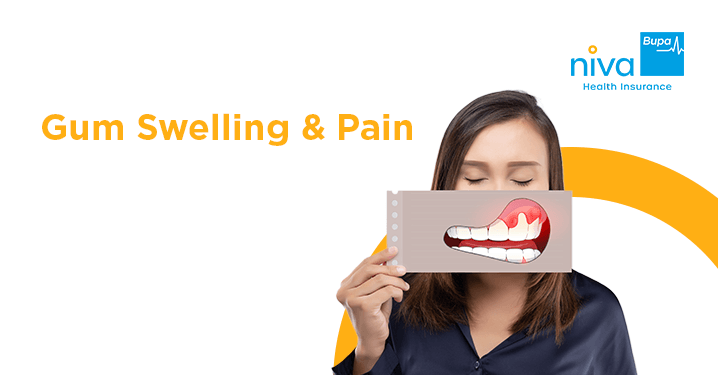
Maintaining oral health involves more than just brushing and flossing regularly. It requires an awareness of the changes that can occur within the mouth, some of which may be subtle at first. One such condition that often causes concern when discovered is Leukoplakia. This condition is characterised by thickened, white patches that form on the gums, the insides of the cheeks, the bottom of the mouth, and, sometimes, the tongue.
While many oral changes are benign or related to minor irritations, certain patches require closer attention. Understanding what these patches are, why they form, and how to identify them is a vital part of proactive health management. Education is the first step in ensuring that any changes in the oral cavity are addressed with the appropriate level of care and professional consultation.
What is Leukoplakia?
Leukoplakia is a clinical term used to describe white patches or lesions in the mouth that cannot be rubbed off and cannot be characterised as any other definable disease. These patches are caused by an excess growth of cells, which leads to a thickening of the surface layer of the oral tissue. This thickening is a response to chronic irritation, although the specific triggers can vary significantly from person to person.
Most cases of this condition are non-cancerous, often referred to as benign. However, some patches may show early signs of cancer, or they may be precancerous, meaning they have the potential to develop into malignancy over time. Because it is difficult to distinguish between a harmless patch and a potentially serious one simply by looking at it, healthcare professionals generally advise a thorough examination of any persistent white areas in the mouth.
Common Symptoms and Appearance
How to Identify the Patches
The appearance of Leukoplakia can vary, but there are several common characteristics that individuals should look for during their regular oral hygiene routine. The patches usually develop slowly over weeks or months. They are typically white or grey in colour and have a thick, slightly raised, or hardened surface. In many instances, the texture of the patch might feel tough or leathery when touched with the tongue.
While the patches are often painless, they can become sensitive to touch, heat, or spicy foods in some cases. The edges of the lesion may be well-defined or they may fade into the surrounding pink tissue of the mouth. It is important to note that these patches do not bleed under normal circumstances, and if a white patch in the mouth is bleeding or feels like an open sore, it may indicate a different type of oral issue that requires immediate professional review.
Variations in Presentation
There is a specific subtype known as speckled Leukoplakia, which presents as a mix of white and red patches. This variation is often viewed with more caution by dental professionals because the presence of red areas within the white lesion can sometimes be associated with a higher risk of cellular changes. Another form is known as hairy leukoplakia, which primarily affects individuals with weakened immune systems and appears as fuzzy, white patches on the sides of the tongue.
The location of the patch is also a factor in its clinical assessment. While they can appear anywhere in the oral cavity, patches found on the floor of the mouth or the underside of the tongue are often monitored more closely. Regardless of the location or the specific shade of white, any patch that persists for more than two weeks should be evaluated by a dentist or a medical doctor to ensure an accurate diagnosis.
Primary Causes of Oral Irritation
The Role of Tobacco and Alcohol
The most frequent cause of Leukoplakia is chronic irritation of the delicate mucous membranes inside the mouth. Historically, the most significant contributor to this irritation is the long term use of tobacco products. Whether tobacco is smoked in the form of cigarettes or pipes, or used in smokeless forms such as chewing tobacco or snuff, the chemical and thermal irritation can trigger the protective thickening of the oral tissues.
Alcohol consumption is another major factor. Alcohol acts as an irritant on its own, but when combined with tobacco use, the risk of developing oral lesions increases substantially. Alcohol can make the tissues of the mouth more permeable, allowing the harmful chemicals in tobacco to penetrate the surface more easily. This synergistic effect is a well-documented risk factor for various oral health complications.
Mechanical and Local Irritants
Beyond lifestyle habits, mechanical factors within the mouth can lead to the development of Leukoplakia. Constant friction or trauma to a specific area of the cheek or gum can cause the body to produce extra layers of cells as a defensive mechanism. This is similar to how a callus forms on the hand after repeated heavy work. Common sources of mechanical irritation include ill-fitting dentures that rub against the gums or the roof of the mouth.
Broken or sharp teeth can also scrape against the tongue or the inside of the cheek, leading to persistent irritation. In some cases, long term use of certain mouthwashes with high alcohol content or even a habit of biting the inside of the cheek can contribute to the formation of white patches. Identifying and removing these sources of friction is often a primary step in managing the condition and allowing the tissue to heal.
Identifying Risk Factors
Demographic and Lifestyle Influences
Certain groups of people are more likely to develop Leukoplakia than others. Age is a significant factor, as the condition is most commonly diagnosed in adults over the age of 40. This is likely due to the cumulative effect of oral irritants over several decades. Men are statistically more likely to develop these patches than women, though this gap has narrowed in recent years as lifestyle habits have shifted across different demographics.
Lifestyle choices remain the most influential risk factors. Individuals who have used tobacco products for many years are at the highest risk. Furthermore, those who lack a diet rich in fruits and vegetables may have oral tissues that are less resilient to irritation. Antioxidants and vitamins found in fresh produce play a role in maintaining the health of the mucosal lining, and a deficiency may make the mouth more susceptible to cellular changes.
The Impact of Immune Health
The state of an individual's immune system also plays a role in oral health. As mentioned previously, hairy Leukoplakia is specifically linked to viral infections like the Epstein-Barr virus in individuals whose immune systems are compromised. This can include people living with certain chronic illnesses or those taking immunosuppressant medications. In these cases, the white patches serve as a visible indicator of the body's internal struggle to manage viral loads.
While the standard form of the condition is not directly caused by a virus, a healthy immune system is essential for the repair and regeneration of oral tissues. When the body's natural defences are lowered, the oral cavity may not be able to recover as effectively from minor traumas or chemical irritants, potentially leading to the persistence of white lesions that might otherwise have resolved on their own.
The Importance of Professional Diagnosis
Because Leukoplakia cannot be self-diagnosed with certainty, a professional examination is essential. During a dental or medical check-up, the healthcare provider will examine the patch, noting its size, texture, and location. They will likely ask questions about your medical history, tobacco and alcohol use, and whether you have noticed any pain or changes in the lesion over time.
If the patch appears suspicious or if it does not resolve after removing potential irritants, a biopsy may be recommended. A biopsy involves taking a small sample of tissue from the patch to be examined under a microscope. This is the only definitive way to determine if there are any abnormal or precancerous cells present. Early detection through these diagnostic steps is a cornerstone of effective oral healthcare.
Monitoring and Long-term Care
For many individuals, the management of white patches involves "watchful waiting." This means the healthcare provider will monitor the patch at regular intervals to see if it changes in size, shape, or colour. If the patch was caused by a specific irritant, such as a sharp tooth or tobacco use, the primary goal will be to eliminate that trigger. Once the irritation is removed, many patches eventually thin out or disappear.
Long-term care involves maintaining excellent oral hygiene and attending regular follow-up appointments. Even if a biopsy shows that a patch is benign, it is often monitored because individuals who develop these lesions may be at a slightly higher risk for other oral health issues in the future. Consistent observation ensures that if any changes do occur, they are caught and managed as early as possible.
Prevention and Oral Maintenance
The best way to manage the risk of Leukoplakia is through prevention. Since tobacco is the leading cause, avoiding all forms of tobacco is the most effective step an individual can take. If you currently use tobacco, seeking resources to quit can significantly improve the health of your oral tissues and reduce the likelihood of developing white patches. Reducing alcohol consumption also lowers the risk and improves overall systemic health.
Maintaining a balanced diet is equally important. Consuming plenty of leafy greens, colourful vegetables, and fruits provides the body with the nutrients needed to keep the lining of the mouth healthy. Additionally, seeing a dentist regularly allows for the early identification of mechanical issues, such as sharp teeth or poorly fitting dental appliances, before they cause chronic irritation.
Managing oral health conditions often involves multiple visits to specialists, diagnostic tests, and potentially minor procedures. This highlights the importance of having a robust plan for managing medical costs. Having comprehensive health insurance can be a supportive factor in ensuring that you can seek professional advice as soon as you notice an abnormality, without being deterred by the potential cost of consultations or biopsies.
Being proactive about your health includes both physical care and financial preparedness. When you are covered by an insurance policy, it becomes easier to prioritise regular screenings and follow-up appointments. This peace of mind allows individuals to focus on their recovery and long-term wellness, knowing that the necessary diagnostic tools and professional expertise are accessible when they are needed most.
Conclusion
Leukoplakia is a condition that serves as a reminder of the importance of paying attention to our bodies. While the discovery of a white patch in the mouth can be unsettling, most cases are manageable and often related to clear sources of irritation. By understanding the causes, such as tobacco use and mechanical friction, and recognising the symptoms, individuals can take the necessary steps to protect their oral health.
The key to navigating this condition is early intervention and professional guidance. Avoiding irritants, maintaining a healthy lifestyle, and ensuring regular dental check-ups are the most effective ways to keep the oral cavity healthy. If you notice any persistent changes in your mouth, the most practical course of action is to seek an evaluation from a qualified healthcare professional.
Frequently Asked Questions
Can leukoplakia be cured?
In many cases, if the source of irritation is identified and removed, the patches associated with this condition will gradually disappear on their own. For example, quitting tobacco or smoothing a sharp tooth can allow the tissue to heal. However, if the cells have undergone significant changes, a healthcare provider may suggest minor procedures to remove the patch.
Is every white patch in the mouth leukoplakia?
No, there are several other conditions that can cause white patches, such as oral thrush (a fungal infection) or lichen planus (an inflammatory condition). Unlike these other conditions, the patches from this specific condition cannot be wiped away and are usually not itchy or painful. A professional diagnosis is necessary to distinguish between them.
How long does a biopsy take?
An oral biopsy is typically a quick procedure often performed under local anaesthetic. The actual sampling of the tissue usually takes only a few minutes. The results are then sent to a laboratory for analysis, and it may take several days to a week to receive the final report from your healthcare provider.
Can children develop these white patches?
It is very rare for children to develop this condition, as it is primarily associated with long term exposure to irritants like tobacco and alcohol, or decades of mechanical wear and tear. If a child has white patches in their mouth, it is more likely to be related to a different issue, such as a fungal infection or geographic tongue.
Does stress cause leukoplakia?
There is no direct evidence that stress causes the formation of these white patches. However, stress can lead to habits that increase oral irritation, such as cheek biting or increased tobacco and alcohol use. Managing stress is beneficial for overall health, but the patches themselves are typically triggered by direct physical or chemical irritants.
Can spicy food cause these patches?
Spicy food is generally not a primary cause of the condition. However, if a patch is already present, spicy or acidic foods may cause discomfort or a burning sensation in that area. If you have sensitive oral tissues, reducing the intake of such foods might help prevent further irritation of the mucosal lining.
Is the condition contagious?
No, the condition is not contagious. You cannot catch it from someone else through kissing, sharing utensils, or any other form of contact. It is a localised cellular response to irritation or an underlying health status, not an infectious disease caused by bacteria or viruses (with the exception of the viral link in the "hairy" subtype).
What is the difference between leukoplakia and erythroplakia?
While the former refers to white patches, erythroplakia refers to red patches in the mouth. Red patches are generally considered to have a higher risk of containing precancerous or cancerous cells than white patches. Sometimes both appear together, which is a variation that healthcare providers monitor very closely.
How often should I check my mouth?
It is a good habit to perform a simple self-examination of your mouth once a month. Use a mirror and a bright light to look at your gums, tongue, and the insides of your cheeks. If you see any changes that last longer than two weeks, you should schedule an appointment with your dentist.
Does using a soft toothbrush help?
While a soft toothbrush is better for your gums and tooth enamel, it will not directly prevent or treat this condition. However, maintaining good overall oral hygiene is essential for the health of your mouth, and avoiding aggressive brushing can prevent minor abrasions that might irritate existing lesions.
Get right coverage, right premium and the right protection instantly.
 By clicking, I agree to Niva Bupa
 You may also like


Popular Searches
Health Insurance - Health Insurance | Best Family Health Insurance | Best Health Insurance For Senior Citizens In India | Health Insurance With Opd Cover | Mediclaim Insurance | Critical Illness Insurance | Personal Accident Insurance | Mediclaim Policy | Individual Health Insurance | Maternity Insurance | Best Health Insurance company | NRI Health Insurance
Health Insurance Schemes - PMMVY Login | PMJJBY Policy Status | Swasthya Sathi Card | PMSBY | PMJJBY | Ayushman Card | PMMVY 2.0 | Ayushman Vay Vandana Card | PMMVY NIC IN रजिस्ट्रेशन | PMMVY 2.0 लॉगिन
Travel Insurance Plans - Travel Insurance | International Travel Insurance | Student Travel Insurance | Travel Insurance USA | Travel Insurance Canada | Travel Insurance Thailand | Travel Insurance Germany | Travel Insurance Dubai | Travel Insurance Bali | Travel Insurance Australia | Travel Insurance Schengen | Travel Insurance Singapore | Travel Insurance UK | Travel Insurance Vietnam | Travel Insurance Japan | Travel Insurance Spain | Travel Insurance Asia | Travel Insurance Netherlands | Travel Insurance Turkey | Travel Insurance Ireland | Travel Insurance Phillipines | Travel Insurace Italy | Travel Insurance France | Travel Insurance China | Travel Insurance Georgia | Travel Insurance South Africa | Travel Insurance Maldives | Travel Insurance Portugal | Travel Insurance Malaysia | Travel Insurance Qatar | Travel Insurance Poland | Travel Insurance Greece | Travel Insurance New zealand | Travel Insurance Saudi Arabia | Travel Insurance Sri Lanka
Become an Agent - Insurance Agent | IRDA Certificate Download | IRDA Exam Syllabus | IRDA exam fee | Paise Kaise Kamaye | Ghar Baithe Paise Kaise Kamaye
Top Hospitals - Best Hospitals in Gurgaon
Others - Ayushman Bharat | Gst Refund for NRI on Health Insurance Premium
Health & Wellness - शिलाजीत के फायदे हिंदी | Weight Gain Diet in Hindi | Sat Isabgol Uses In Hindi | Aloe Vera Juice Benefits in Hindi | Dragon Fruit Benefits in Hindi | Akal Daad in Hindi | Acidity Home Remedies in Hindi | Nikat Drishti Dosh in Hindi | Yoga Benefits in Hindi | Laung Khane ke Fayde in Hindi | Leukoplakia in Hindi | Protien in 100g Paneer | Benefits of Rice Water For Skin | B12 Deficiency Symptoms in Hindi | Fibre Foods in Hindi | Chronic Disease Meaning in Hindi | Vitamin D Foods in Hindi | Blood Urea in Hindi | Beetroot Uses Good for Health
Calculator - BMI Calculator | Pregnancy Calculator | Pregnancy Calendar Based on Conception Date | Pregnancy Conception Date Calculator | Last Menstrual Period Calculator | BMR Calculator | GFR Calculator | Ovulation Calculator



www.nivabupa.com

+91 11 30902010

1860-500-8888

CIN: L66000DL2008PLC182918
IRDAI Registration No. 145

Corporate Office: 3rd Floor, Capital Cyberscape, Sector 59, Gurgaon
Registered Office: C-98, First Floor, Lajpat Nagar, Part 1, Delhi-110024, India


