

Male Urinary Tract Infection: Causes, Symptoms & Treatment
29 July, 2025
5 Shares
419 Reads
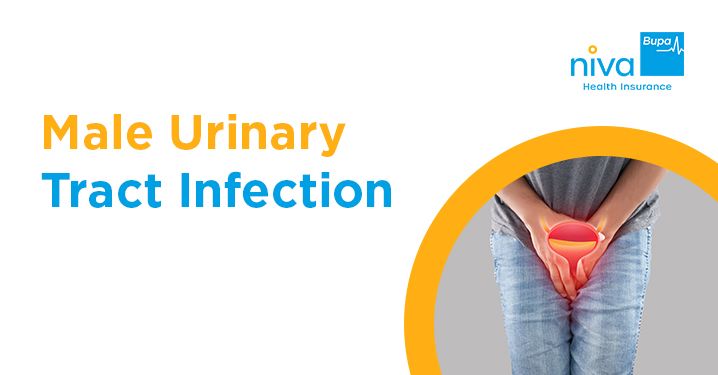
Whenever we hear the phrase 'UTI', the first thing that pops up in our heads is a female suffering from a painful and irritating condition, often assumed to be caused by hygiene issues. However, this is not all that an Urinary Tract Infection is. It is prevalent in females, no doubt, but men are not immune either. Men, too, can get infections in their bladders. So, let us discuss male urine infection in this blog through and through. If you’re a man, stay informed. If you’re reading this as a concerned woman, help the men around you stay aware, too.
UTI Basics: What You Need to Know
Urinary Tract Infection, or UTI, is typically linked to women, but it affects men too, albeit differently. It is actually a bacterial infection, which can affect not only the urethra but also the bladder, ureters, and kidneys. While less common in men, UTIs can be more severe when they do occur, especially if not addressed early.
Understanding how male urine infection manifests is important because the UTI symptoms may sometimes mimic other health issues. Being able to distinguish these signs can prevent complications. In this blog, we’ll break down everything you need to know from symptoms and types to prevention and treatment options for male urinary tract infections.
How UTIs Affect Men Differently
While women experience more UTIs, men tend to develop them due to underlying issues. Here’s how you can spot and track symptoms in men:
- Fever accompanied by chills may signal a kidney infection.
- Pain or burning sensation when passing urine can be a sign of a lower urinary tract infection.
- Infection spread is indicated by back and pelvic pain.
- Cloudy or foul-smelling urine is a warning sign.
- A sudden urge to urinate frequently may mean an irritated bladder.
How Often Does Male Urinary Tract Infection Occur?
Male urine infections are significantly less common than in females, but the risks increase with age and pre-existing health conditions. According to data from the National Centre for Biotechnology Information (NCBI), here's how incidence rates compare when 2459 urine samples were examined across all Indian regions:
As seen, while UTIs in men are relatively rare, they demand attention due to their potential severity.
Signs of UTI Every Man Should Watch For
UTIs in men often present differently than in women. Recognising the warning signs early can help ensure prompt treatment:
- A persistent urge to urinate, even when the bladder is empty.
- Burning sensation or discomfort during urination.
- Cloudy, bloody or strong-smelling urine.
- Pelvic or lower abdominal pain.
- Low-grade fever or chills that persist for more than 24 hours.
UTI Variants in Men: From Bladder to Kidneys
Male urine infection is categorised based on where the infection occurs. These classifications help doctors determine treatment strategies. An infection starting in the urethra may travel upward to affect the bladder, ureters or kidneys if left untreated. Here's how each type plays a different role in male UTI cases:
Urethritis
This type affects the urethra, the tube that carries urine out of the body. It's often caused by bacteria or sexually transmitted infections (STIs) like chlamydia or gonorrhoea. If left untreated, urethritis can lead to complications such as prostatitis or infertility. Early detection is crucial as symptoms can sometimes be subtle or misattributed.
Cystitis
E. Coli is what causes infection in the bladder called Cystitis. It leads to frequent, painful urination and bladder pressure or discomfort. In men, cystitis is often linked to other conditions like an enlarged prostate. Chronic cystitis may lead to bladder wall thickening and reduced bladder capacity.
Pyelonephritis
Once the infection has reached the kidneys, the most serious stage begins. From high fever to back pain and nausea, the symptoms can be extremely unbearable and require immediate medical intervention. Delayed treatment can cause permanent kidney damage and increase the risk of recurrent infections. Men with diabetes or immune deficiencies are especially vulnerable.
Prostatitis
Inflammation of the prostate gland and prostatitis can cause pain during urination and ejaculation, as well as difficulty emptying the bladder. It can also lead to lower back pain and discomfort in the perineal region. Chronic prostatitis may require long-term management and impact the overall quality of life.
What Triggers UTIs in Men?
People are more likely to get a male urine infection due to structural or functional problems. Common triggers include:
- An enlarged prostate might obstruct urine flow and promote bacterial growth.
- Urinary catheter use can increase the chances of bacteria entering the tract.
- Blockage in the tract or Kidney stones
- Poor personal hygiene or unprotected sexual activity.
- Diabetes or weakened immunity that makes one prone to infections.
From Test to Treatment: Managing Male Urinary Tract Infection
Once a UTI is suspected, timely diagnosis and treatment are key. Male urine infection usually suggests an underlying health issue, so doctors investigate thoroughly before prescribing medicine. Here's how the process works:
Diagnosis
Doctors typically begin with a urine test to identify the bacteria responsible. Additional tests like ultrasound, digital rectal exam (DRE) or cystoscopy may be required to evaluate the prostate and bladder. For recurring UTIs, further imaging may be needed to rule out anatomical abnormalities.
Treatment
Treatment is usually straightforward when addressed early.
- Antibiotics are prescribed based on culture results and are typically taken for 7–14 days.
- Drinking plenty of fluids helps flush out bacteria faster.
- Pain relievers may be given to ease burning or pelvic pain.
- Hospitalisation might be needed in cases of high fever or kidney involvement.
In chronic or complicated cases, longer courses of medication or minor surgical interventions may be necessary.
What Happens If a UTI Goes Untreated?
Sometimes, ignorance is not really bliss, and when it comes to UTIs, it can lead to significant health issues. In men, untreated infections can quickly escalate and affect nearby organs. Here's what might happen:
- The infection may travel to the kidneys, leading to pyelonephritis.
- Bacteria can enter the bloodstream, causing sepsis, a life-threatening condition.
- Long-term prostate or bladder damage can occur.
- Sexual function may be impacted due to lingering inflammation.
Smart Habits to Keep UTIs Away
Preventing UTIs is much easier than treating them. A few proactive measures can reduce your risk significantly:
- Stay well-hydrated throughout the day to flush out toxins.
- Practice good hygiene, especially after intercourse or using the toilet.
- Avoid holding urine for too long to reduce bladder strain.
- Wear breathable, cotton underwear to keep the area dry.
- Manage blood sugar levels if diabetic, to reduce bacterial growth.
Conclusion
While male urinary tract infections are not as frequent as in women, they tend to be more serious when they occur. Recognising the symptoms early and seeking medical help can prevent complications. From urethritis to pyelonephritis, each type demands attention. Practising preventive habits and knowing when to act can protect long-term health. If you or a loved one suspects a UTI, early medical attention can make all the difference.
With comprehensive health insurance plans like those offered by Niva Bupa, you can seek medical care without financial stress. Our 30-minute cashless claim processing and claim settlement ratio of 91.6% ensure peace of mind when you need it most.
People Also Ask
Can men get UTIs from sexual activity?
Yes, unprotected sexual intercourse can introduce bacteria into the urinary tract, increasing UTI risk in men.
How long does a male UTI usually last?
With proper antibiotics, most male UTIs clear up in 7 to 14 days, depending on severity.
Can a UTI go away on its own without treatment?
While some mild infections may improve, it's risky to leave UTIs untreated as they can spread and worsen.
Are UTIs in men linked to prostate issues?
Yes, an enlarged prostate can obstruct urine flow and create a breeding ground for bacteria, raising UTI risk.
Is it safe to self-medicate for UTIs?
No, always consult a doctor. Self-medicating without proper diagnosis can lead to complications or antibiotic resistance.
Get right coverage, right premium and the right protection instantly.
 By clicking, I agree to Niva Bupa
 You may also like

Popular Searches
Health Insurance - Health Insurance | Best Family Health Insurance | Best Health Insurance For Senior Citizens In India | Health Insurance With Opd Cover | Mediclaim Insurance | Critical Illness Insurance | Personal Accident Insurance | Mediclaim Policy | Individual Health Insurance | Maternity Insurance | Best Health Insurance company | NRI Health Insurance
Health Insurance Schemes - PMMVY Login | PMJJBY Policy Status | Swasthya Sathi Card | PMSBY | ABHA Card Download | PMJJBY | Ayushman Card | PMMVY 2.0 | Ayushman Vay Vandana Card | PMMVY NIC IN रजिस्ट्रेशन | PMMVY 2.0 लॉगिन
Travel Insurance Plans - Travel Insurance | International Travel Insurance | Student Travel Insurance | Travel Insurance USA | Travel Insurance Canada | Travel Insurance Thailand | Travel Insurance Germany | Travel Insurance Dubai | Travel Insurance Bali | Travel Insurance Australia | Travel Insurance Schengen | Travel Insurance Singapore | Travel Insurance UK | Travel Insurance Vietnam | Travel Insurance Japan | Travel Insurance Spain | Travel Insurance Asia | Travel Insurance Netherlands | Travel Insurance Turkey | Travel Insurance Ireland | Travel Insurance Phillipines | Travel Insurace Italy | Travel Insurance France | Travel Insurance China | Travel Insurance Georgia | Travel Insurance South Africa | Travel Insurance Maldives | Travel Insurance Portugal | Travel Insurance Malaysia | Travel Insurance Qatar | Travel Insurance Poland | Travel Insurance Greece | Travel Insurance New zealand | Travel Insurance Saudi Arabia | Travel Insurance Sri Lanka
Become an Agent - Insurance Agent | Insurance Advisor | Licensed Insurance Agent | Health Insurance Consultant | POSP Insurance Agent | IRDA Certificate Download | IC 38 Exam | Insurance Agent vs POSP | IRDA Exam Syllabus | IRDAI Agent Locator | IRDA exam fee | Paise Kaise Kamaye | Ghar Baithe Paise Kaise Kamaye
Top Hospitals - Best Hospitals in Chennai | Top Hospitals in Delhi | Best Hospitals in Gurgaon | Best Hospitals in India | Top 10 Hospitals in India | Best Hospitals in Hyderabad | Best Hospitals in Kolkata | Best cancer hospitals in Bangalore | Best cancer hospitals in Hyderabad | Best cancer hospitals in Mumbai | Best cancer hospitals in India | Top 10 cancer hospitals in India
Others - Ayushman Bharat | Gst Refund for NRI on Health Insurance Premium | Health Insurance Tax Deductible
Health & Wellness - शिलाजीत के फायदे हिंदी | Weight Gain Diet in Hindi | Sat Isabgol Uses In Hindi | Aloe Vera Juice Benefits in Hindi | Dragon Fruit Benefits in Hindi | Akal Daad in Hindi | Acidity Home Remedies in Hindi | Nikat Drishti Dosh in Hindi | Yoga Benefits in Hindi | Laung Khane ke Fayde in Hindi | Leukoplakia in Hindi | Protien in 100g Paneer | Benefits of Rice Water For Skin | B12 Deficiency Symptoms in Hindi | Fibre Foods in Hindi | Chronic Disease Meaning in Hindi | Vitamin D Foods in Hindi | Blood Urea in Hindi | Beetroot Uses Good for Health
Calculator - BMI Calculator | Pregnancy Calculator | Pregnancy Calendar Based on Conception Date | Pregnancy Conception Date Calculator | Last Menstrual Period Calculator | BMR Calculator | GFR Calculator | Ovulation Calculator



www.nivabupa.com

+91 11 30902010

1860-500-8888

CIN: L66000DL2008PLC182918
IRDAI Registration No. 145

Corporate Office: 3rd Floor, Capital Cyberscape, Sector 59, Gurgaon
Registered Office: C-98, First Floor, Lajpat Nagar, Part 1, Delhi-110024, India


