

Mild Hydroureteronephrosis: Causes, Symptoms, and Treatment
12 January, 2026
7 Shares
885 Reads
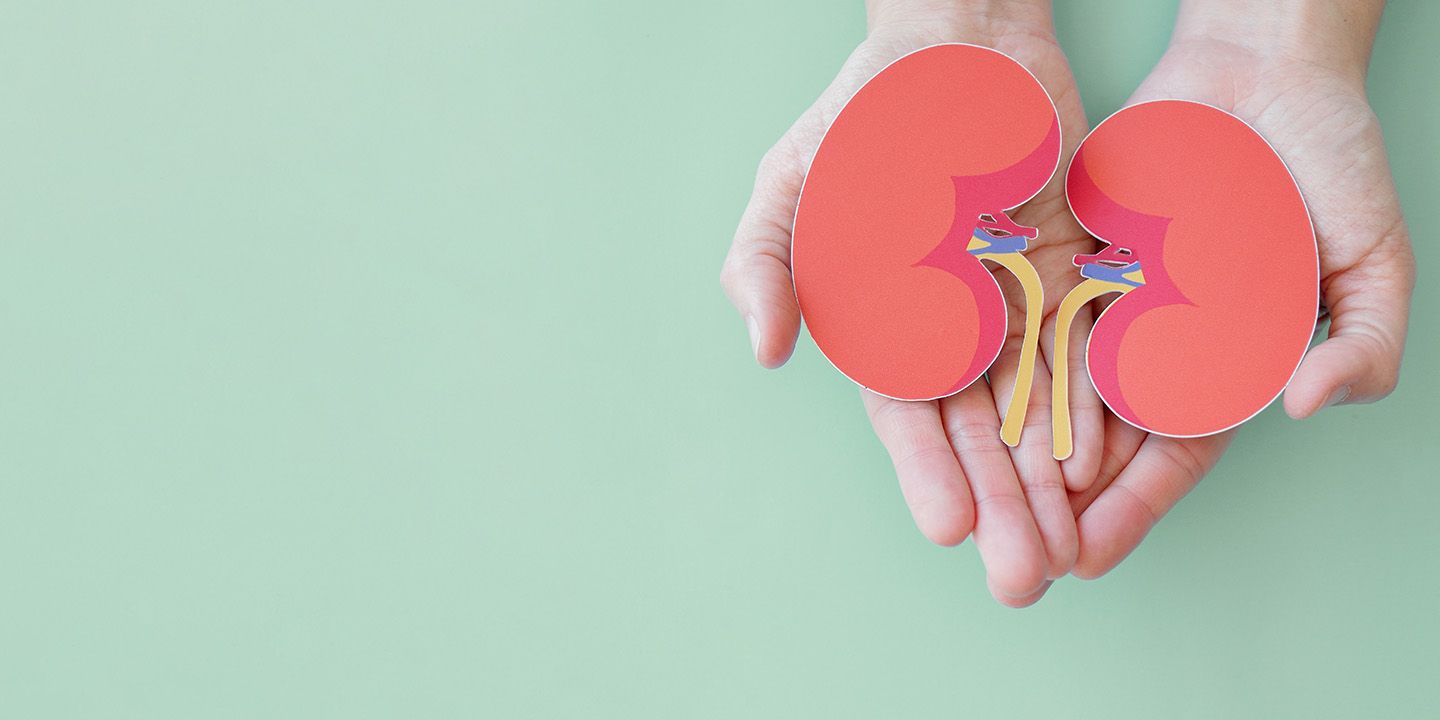
It’s easy to overlook what’s happening beneath the surface, especially when our bodies are functioning well. But sometimes, a routine check-up or a vague discomfort leads to a diagnosis that sounds complex and a little intimidating, like Mild Hydroureteronephrosis (HUN). Don't worry, you’re not alone. This medical term simply describes a mild swelling in one or both kidneys and the tube (ureter) that connects them to the bladder. Instead of a daunting diagnosis, think of this as a gentle nudge from your body, asking you to pay a little closer attention.
In this blog, we dive beyond the dry medical jargon. We'll explore what Mild HUN truly is, why it happens, and what it means for your health.
What is Mild Hydroureteronephrosis (HUN)?
The term might sound like it belongs in a complex medical textbook, but breaking it down reveals its simple essence. Hydroureteronephrosis is fundamentally about fluid dynamics within your urinary system. It signals a slight backup or obstruction in the flow of urine, the body's natural waste disposal mechanism.
Think of your urinary system as a series of sophisticated plumbing. The kidneys are your filtration plants, constantly producing urine. The ureters are the drainage pipes leading down to the bladder, the holding tank.
- Hydro- means water/fluid.
- Uretero- refers to the ureter (the tube).
- Nephrosis relates to the kidney.
So, hydroureteronephrosis literally means fluid build-up in the ureter and the kidney. The key here is the adjective "mild." This indicates that the obstruction or backup is minimal, often not causing significant symptoms or immediate danger to kidney function. It's an early warning sign, not a crisis.
Why the Word "Mild" Matters
HUN exists on a spectrum, generally graded from mild to severe based on the degree of dilation (swelling) visible on an ultrasound. Understanding this grading is crucial, as a diagnosis of "mild" suggests a favourable prognosis and usually allows for a watch-and-wait approach, rather than immediate surgery.
- Mild HUN: This is the most common and often least concerning form. The kidney's collecting system (renal pelvis and calyces) shows slight dilation, but the inner kidney tissue (parenchyma) usually remains unaffected. It often resolves on its own or requires minimal intervention.
- Moderate/Severe HUN: This signifies greater swelling, potentially putting pressure on and damaging the kidney tissue, requiring more aggressive management to prevent long-term function loss.
What are the Root Causes of Mild Hydroureteronephrosis?
The underlying principle of HUN is an impediment to urine flow. The cause can be anything that either blocks the physical path or disrupts the normal muscular contractions (peristalsis) that push urine down the ureter. Identifying the root cause is the primary goal of your diagnostic workup.
Physical Obstructions: When Something is in the Way
The most straightforward causes involve a physical block or constriction along the urinary tract.
- Kidney Stones (Renal Calculi): This is one of the most frequent culprits. Even a small stone passing from the kidney can get temporarily lodged in the narrow ureter, creating a partial block and causing urine to back up. The pain associated with this is often what leads to the initial diagnosis.
- Strictures (Narrowing): Scar tissue from a previous injury, infection, or surgery can cause a segment of the ureter to narrow, restricting flow. This often develops slowly over time.
- Tumours or Cysts: External masses, even benign ones, in the abdomen or pelvis (like an ovarian cyst or uterine fibroid in women) can press on the ureter from the outside, causing compression and obstruction.
Functional Issues: When the System Malfunctions
Sometimes, the blockage isn't a physical object but a problem with the system's mechanics or coordination.
- Vesicoureteral Reflux (VUR): This is a key cause, especially in children and young adults. VUR is an abnormal condition where urine flows backward from the bladder up into the ureters and kidneys. The valve mechanism at the bladder-ureter junction fails, leading to dilation.
- Pregnancy: A very common, temporary, and physiological cause in pregnant women. The enlarged uterus compresses the ureters, and hormonal changes (like increased progesterone) relax the smooth muscle of the ureters, slowing down urine transit.
Congenital Conditions: Issues from Birth
In infants and children, HUN is frequently detected in utero via prenatal ultrasound. These causes often relate to an abnormality present from birth.
- Ureteropelvic Junction (UPJ) Obstruction: A blockage where the kidney meets the ureter.
- Ureterovesical Junction (UVJ) Obstruction: A blockage where the ureter meets the bladder.
How Do Doctors Figure Out Mild Hydroureteronephrosis?
Unlike a sprained ankle or broken bone, Mild Hydroureteronephrosis (HUN) often doesn’t “announce” itself. Many people discover it by accident during tests for unrelated issues. That’s why regular check-ups and paying attention to any persistent discomfort are so important.
Seeing Inside: Imaging Tests
Imaging is the backbone of diagnosis because it shows the urinary tract and any swelling.
- Ultrasound: Think of an ultrasound as a quick “peek” inside your kidneys. It’s safe, non-invasive, and helps doctors see how swollen the kidney or ureter is. Most mild cases are spotted here first.
- CT Scan or MRI: Sometimes, a closer look is needed. CT scans or MRIs give detailed, cross-sectional images to pinpoint the cause, like a small stone or a narrowing in the ureter.
- Contrast Tests: Watching the Flow: Tests like an IVP (Intravenous Pyelogram) or CT Urogram use a dye to track urine as it flows through the urinary tract. This helps spot any blockages or strictures in real time.
Checking Kidney Function: Lab Tests
While imaging shows structure, lab tests show function.
- Blood Tests (Creatinine & BUN): Measure waste products filtered by the kidneys. Mild HUN usually doesn’t affect these, but doctors check just in case.
- Urine Tests: Look for infection, blood, or crystals that could signal stones or UTIs contributing to the blockage.
Why is it Recommended to Invest in Health Insurance in Your Life?
Even mild HUN can involve multiple tests and follow-ups. Without proper coverage, these costs can add up quickly. A good health insurance plan makes accessing scans, lab tests, and specialist visits stress-free, so you can focus on your health instead of worrying about bills.
Wrapping Up
A diagnosis of Mild Hydroureteronephrosis, while initially unsettling, is more often a call to awareness than an emergency. It empowers you to understand the delicate balance of your urinary system and take proactive steps to maintain its health. The prognosis for mild cases is excellent, especially when the underlying cause is identified and managed.
As you embark on this journey of monitoring and management, ensure your focus remains on your well-being.
We at Niva Bupa understand that health security is paramount, which is why we offer health insurance plans with extensive coverage that are designed to support you through diagnostic tests, specialist consultations, and any required treatment. Our health insurance policy provide a safety net, ensuring that financial concerns don't dictate the quality or speed of your care, allowing you to prioritise your health with confidence.
People Also Ask
1. Is Mild Hydroureteronephrosis serious?
Generally, no. "Mild" means the swelling is slight and usually doesn't damage the kidney tissue. It's an early finding that requires monitoring but is not typically an emergency.
2. Can Mild HUN resolve on its own?
Yes, it frequently does, especially if it’s caused by a temporary factor like pregnancy or a very small, passing kidney stone. Doctors often recommend a "watchful waiting" period.
3. Will I need surgery for Mild HUN?
Highly unlikely. Surgery is usually reserved for moderate or severe cases or when the mild condition persists and causes kidney function to worsen or infections to recur.
4. What are the common symptoms of Mild HUN?
Often, there are no symptoms at all, which is why it’s often an incidental finding on an ultrasound. When symptoms occur, they may include flank pain or recurrent UTIs.
5. Is it safe to exercise with this condition?
Yes, regular physical activity is generally safe and encouraged. Staying active helps overall health, but always check with your urologist for personalised advice.
6. Can I still get a kidney stone with Mild HUN?
Actually, a kidney stone is one of the most common causes of Mild HUN. If the stone passes, the HUN will typically resolve, but a stone-prevention diet may be recommended.
7. How often will I need follow-up ultrasounds?
This depends on your doctor's assessment, but typical follow-up is every 3 to 6 months initially to ensure the dilation is not progressing and is ideally resolving.
8. Does Mild HUN affect both kidneys?
It can be either unilateral (one side) or bilateral (both sides). Unilateral is more common and usually less concerning; bilateral cases require a more thorough investigation.
9. Will drinking more water help my condition?
Absolutely. Increased hydration is a key component of conservative management, as it helps flush the urinary system and can prevent stone formation.
10. If I have Mild HUN, will it impact my health insurance premiums?
While insurance is assessed based on many factors, a history of mild, well-managed conditions may be considered, but generally, proactive health management is supported by most comprehensive plans.
Get right coverage, right premium and the right protection instantly.
 By clicking, I agree to Niva Bupa
 You may also like



Popular Searches
Health Insurance - Health Insurance | Best Family Health Insurance | Best Health Insurance For Senior Citizens In India | Health Insurance With Opd Cover | Mediclaim Insurance | Critical Illness Insurance | Personal Accident Insurance | Mediclaim Policy | Individual Health Insurance | Maternity Insurance | Best Health Insurance company | NRI Health Insurance
Health Insurance Schemes - PMMVY Login | PMJJBY Policy Status | Swasthya Sathi Card | PMSBY | PMJJBY | Ayushman Card | PMMVY 2.0 | Ayushman Vay Vandana Card | PMMVY NIC IN रजिस्ट्रेशन | PMMVY 2.0 लॉगिन
Travel Insurance Plans - Travel Insurance | International Travel Insurance | Student Travel Insurance | Travel Insurance USA | Travel Insurance Canada | Travel Insurance Thailand | Travel Insurance Germany | Travel Insurance Dubai | Travel Insurance Bali | Travel Insurance Australia | Travel Insurance Schengen | Travel Insurance Singapore | Travel Insurance UK | Travel Insurance Vietnam | Travel Insurance Japan | Travel Insurance Spain | Travel Insurance Asia | Travel Insurance Netherlands | Travel Insurance Turkey | Travel Insurance Ireland | Travel Insurance Phillipines | Travel Insurace Italy | Travel Insurance France | Travel Insurance China | Travel Insurance Georgia | Travel Insurance South Africa | Travel Insurance Maldives | Travel Insurance Portugal | Travel Insurance Malaysia | Travel Insurance Qatar | Travel Insurance Poland | Travel Insurance Greece | Travel Insurance New zealand | Travel Insurance Saudi Arabia | Travel Insurance Sri Lanka
Become an Agent - Insurance Agent | IRDA Certificate Download | IRDA Exam Syllabus | IRDA exam fee | Paise Kaise Kamaye | Ghar Baithe Paise Kaise Kamaye
Top Hospitals - Best Hospitals in Gurgaon
Others - Ayushman Bharat | Gst Refund for NRI on Health Insurance Premium
Health & Wellness - शिलाजीत के फायदे हिंदी | Weight Gain Diet in Hindi | Sat Isabgol Uses In Hindi | Aloe Vera Juice Benefits in Hindi | Dragon Fruit Benefits in Hindi | Akal Daad in Hindi | Acidity Home Remedies in Hindi | Nikat Drishti Dosh in Hindi | Yoga Benefits in Hindi | Laung Khane ke Fayde in Hindi | Leukoplakia in Hindi | Protien in 100g Paneer | Benefits of Rice Water For Skin | B12 Deficiency Symptoms in Hindi | Fibre Foods in Hindi | Chronic Disease Meaning in Hindi | Vitamin D Foods in Hindi | Blood Urea in Hindi | Beetroot Uses Good for Health
Calculator - BMI Calculator | Pregnancy Calculator | Pregnancy Calendar Based on Conception Date | Pregnancy Conception Date Calculator | Last Menstrual Period Calculator | BMR Calculator | GFR Calculator | Ovulation Calculator



www.nivabupa.com

+91 11 30902010

1860-500-8888

CIN: L66000DL2008PLC182918
IRDAI Registration No. 145

Corporate Office: 3rd Floor, Capital Cyberscape, Sector 59, Gurgaon
Registered Office: C-98, First Floor, Lajpat Nagar, Part 1, Delhi-110024, India


